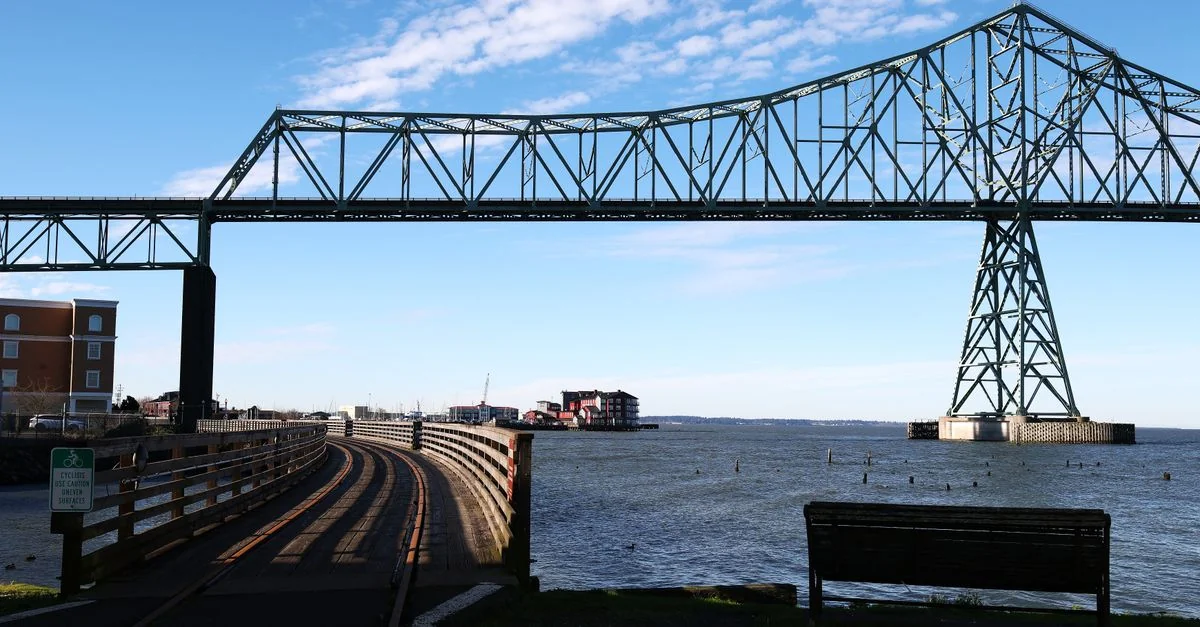
Why Visit Astoria? # The first thing you’ll notice when you arrive in Astoria is the crisp, clean air, a stark contrast to the urban sprawl of nearby Queens . This charming waterfront town, located on Long Island, is a blend of historic charm and modern amenities, making it a perfect getaway for those seeking a mix of relaxation and adventure. Astoria is renowned for its beautiful beaches, such as Rockaway Beach, where the golden sand stretches as far as the eye can see, and the Astoria Park, a lush green space perfect for a leisurely stroll or a picnic. The town’s historic district, with its well-preserved 19th-century architecture, offers a glimpse into the past, while its lively arts scene, including the Astoria Museum of Art, provides a cultural experience that’s both enriching and engaging.
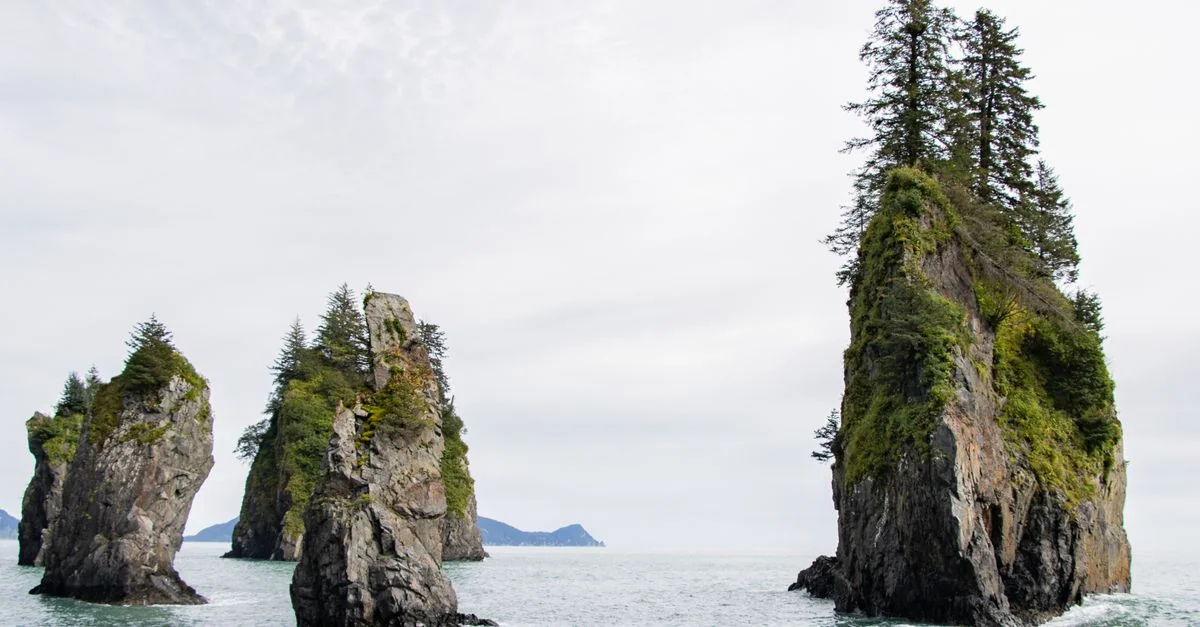
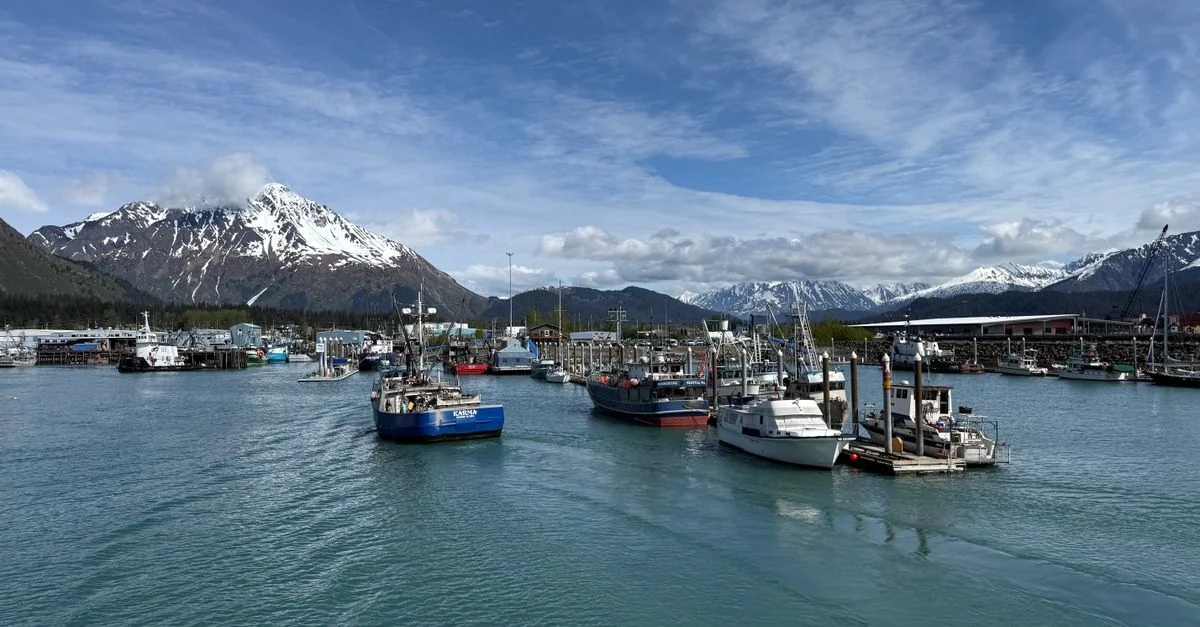
Why Visit Seward? # The moment you step off the plane in Seward, you’re greeted by the crisp, clean scent of the Alaskan air, a stark contrast to the humidity of the lower 48. This charming town, nestled on the Kenai Peninsula, is a gateway to some of the most breathtaking natural wonders in the United States . Seward’s allure lies in its perfect blend of adventure and relaxation, making it an ideal destination for families, couples, and solo travelers alike. The town itself is a picturesque mix of Victorian-era buildings and modern amenities, with a population that’s small enough to feel welcoming yet large enough to offer a variety of activities.
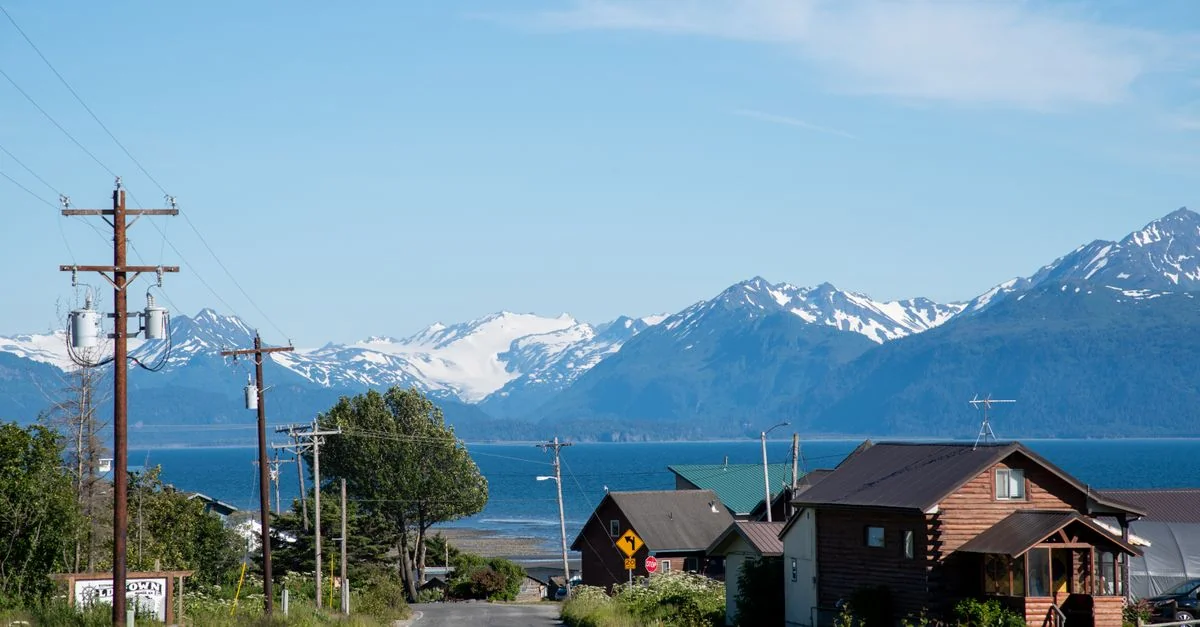
Why Visit Homer? # The sharp, briny scent of salt spray clings to your jacket as the wind whips across Kachemak Bay, carrying the distant cry of gulls and the low rumble of a fishing boat engine. Homer sits at the end of the Sterling Highway, a place where the road literally runs out and the vastness of the Alaskan wilderness takes over. Known as the halibut fishing capital of the world, this town offers a rare combination of rugged maritime industry and a laid-back, creative spirit. You come here to stand on the edge of the Kenai Peninsula, watching the tide retreat to reveal miles of mudflats while the snow-dusted peaks of the Kenai Mountains loom across the water.
Why Visit Haines? # The smell of woodsmoke and damp cedar drifts off the water as the Alaska Marine Highway ferry glides into the dock, pushing aside a thin morning mist that clings to the base of the surrounding peaks. Situated on the Lynn Canal, this community offers a distinct pace of life compared to the more heavily touristed cruise ship ports further south. Towering mountains plunge directly into the deep, dark fjords, creating a landscape that feels both raw and deeply grounding for travelers arriving from the Lower 48.
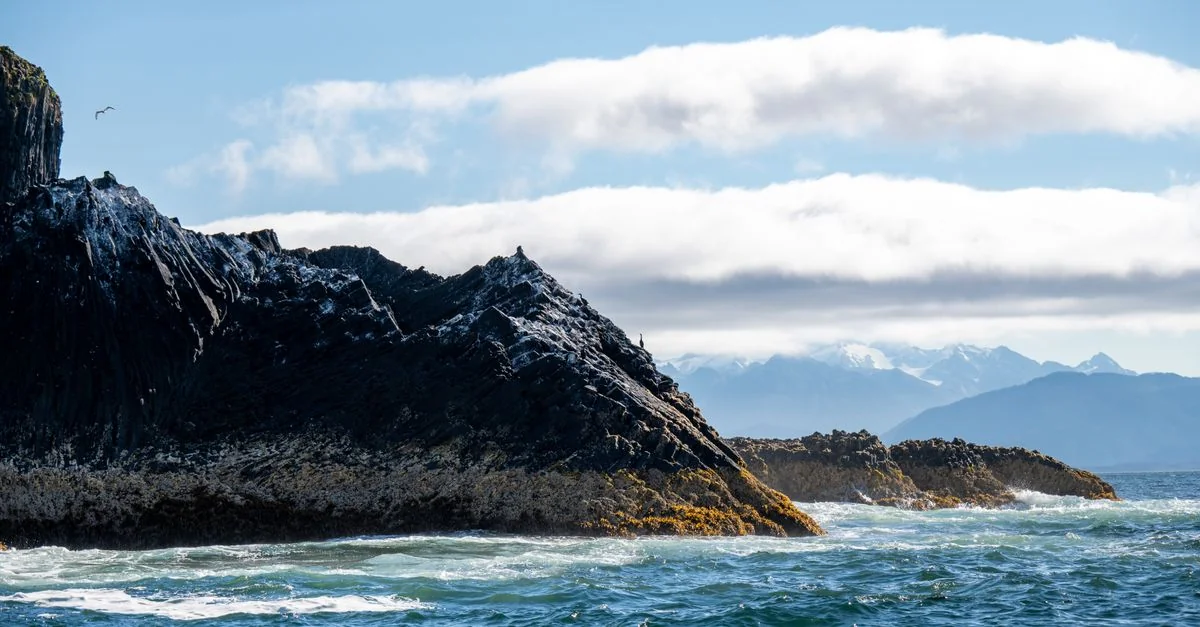
Why Visit Sitka? # The scent of salt spray and crushed pine needles hits your lungs the moment you step off the small regional jet into the damp Southeast Alaska air. Towering Sitka spruce trees crowd the edges of the runway, their dark green branches dripping with moisture from the frequent rain that nourishes this Pacific temperate rainforest. This island community sits on the western coast of Baranof Island, facing the open waters of the Gulf of Alaska and protected by a maze of volcanic islands and rocky fjords. Unlike other Southeast ports dominated by modern souvenir shops and high-volume cruise infrastructure, this destination retains a frontier spirit mixed with deep Indigenous Tlingit roots and a fascinating Russian colonial history.
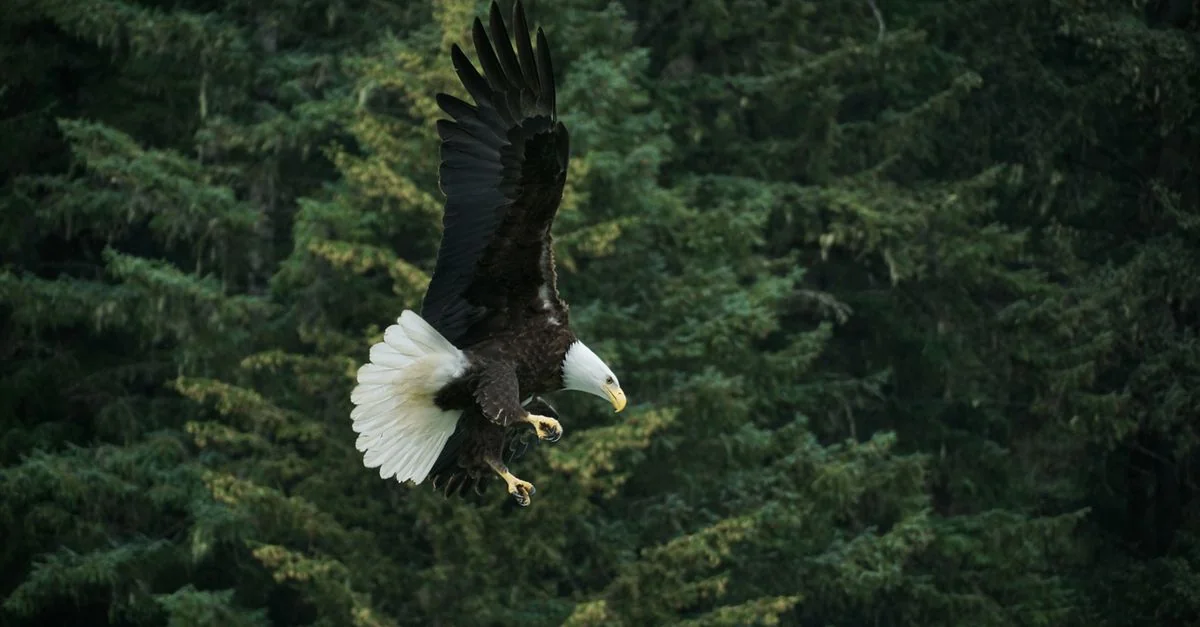
Why Visit Anchorage? # The scent of burning spruce smoke drifts across the downtown streets, mixing with the crisp, briny air rolling in from the Cook Inlet. You stand at a street corner where high-rise office buildings meet the edge of a vast, untamed wilderness, watching a floatplane drone overhead toward the distant peaks of the Chugach Mountains. This city serves as the ultimate staging ground for anyone seeking a genuine northern frontier experience without sacrificing modern comforts. It is a place where moose wander into suburban yards and bald eagles perch atop downtown traffic lights, reminding visitors that nature holds sway here.
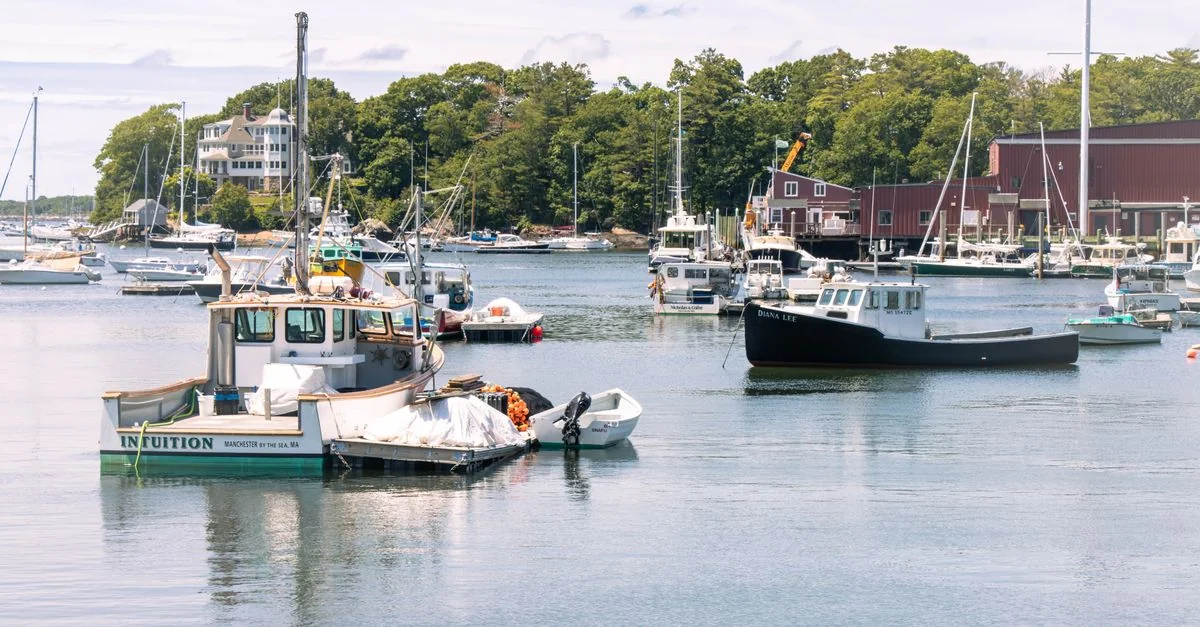
Why Visit Manchester? # The scent of roasting coffee beans mixes with the exhaust of morning commuters rolling past brick mill buildings along the banks of the Merrimack River. This New Hampshire destination pairs industrial-era architecture with modern New England practicality, creating a working-class charm that feels grounded and authentic. Visitors often discover a city that traded its textile looms for craft breweries, art galleries, and an unpretentious restaurant scene that honors its Yankee roots while welcoming global flavors.
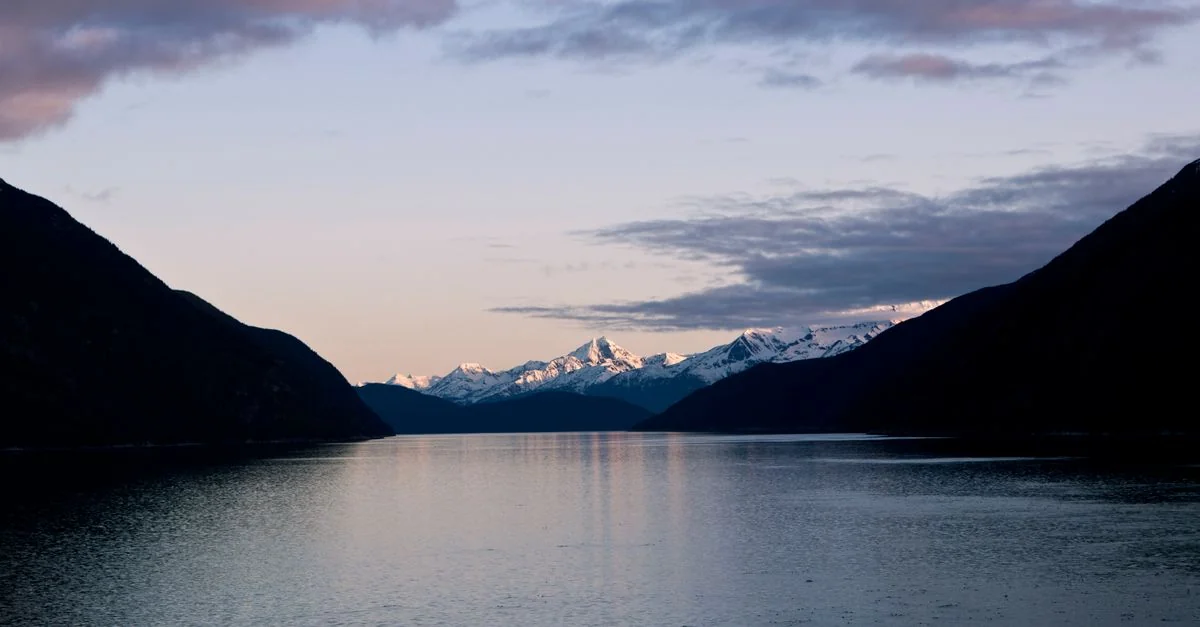
Why Visit Skagway? # The sharp smell of creosote rises from the aging wooden docks every time a historic steam train whistle echoes off the granite cliffs framing the Lynn Canal. As North America ’s deepest fjord cradles the edge of town, travelers stepping off the ship find themselves surrounded by boardwalks that have remained largely unchanged since the Klondike Gold Rush of 1898. This narrow valley in Southeast Alaska functions as a living museum where the ghosts of stampeders, prospectors, and frontier entrepreneurs still seem to linger around every corner of the historic downtown district.
Complete Travel Guide to Ketchikan: Top Attractions, Tips & Itinerary # Why Visit Ketchikan? # Photo by Trent Staats on Pexels The scent of salt spray and cedar smoke drifts off the docks long before the ferry engines cut their roar, signaling your arrival in Alaska’s southernmost first city. Raincoats and rubber boots serve as the local uniform here, worn with pride by residents who call the Tongass National Forest their backyard. This island outpost clings to the steep slopes of Revillagigedo Island, where wooden boardwalks replace traditional sidewalks and the Pacific Ocean laps directly against the pilings of downtown storefronts. It is a place where bald eagles line the utility poles like pigeons and commercial fishing boats outnumber passenger cars.
Why Visit Juneau? # The sharp scent of salt water mixes with the damp cedar smell of the Tongass National Forest the moment you step off the ferry or plane. Juneau occupies a rare geographic pocket where the Alaska mainland meets the Gastineau Channel, creating a dramatic landscape where steep mountain peaks plunge directly into freezing ocean waters. Because no roads connect Alaska’s capital city to the rest of the North American highway system, arriving here requires a deliberate journey by air or sea. This isolation keeps the pace of daily life slower and more connected to the surrounding wilderness than what you might find in larger mainland cities.