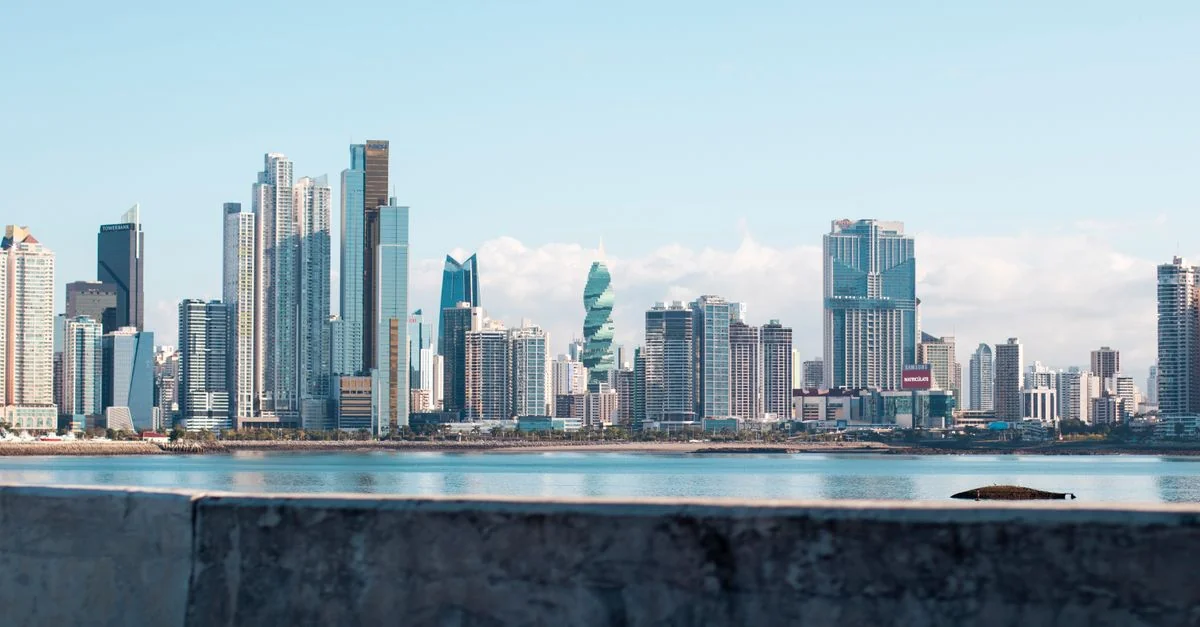
Why Visit Panama City? # The sharp scent of roasting Arabica beans drifts from a corner cafe, mingling with the heavy, humid air of the tropics and the faint, salty tang of the Pacific Ocean. Panama City feels like a deliberate collision of eras, where towering glass skyscrapers cast long shadows over crumbling Spanish colonial plazas, and massive container ships wait patiently on the horizon to traverse one of the world’s greatest engineering feats. For American travelers seeking a seamless blend of modern convenience and tropical adventure, this Central American metropolis delivers an experience that is both accessible and distinctively exotic.
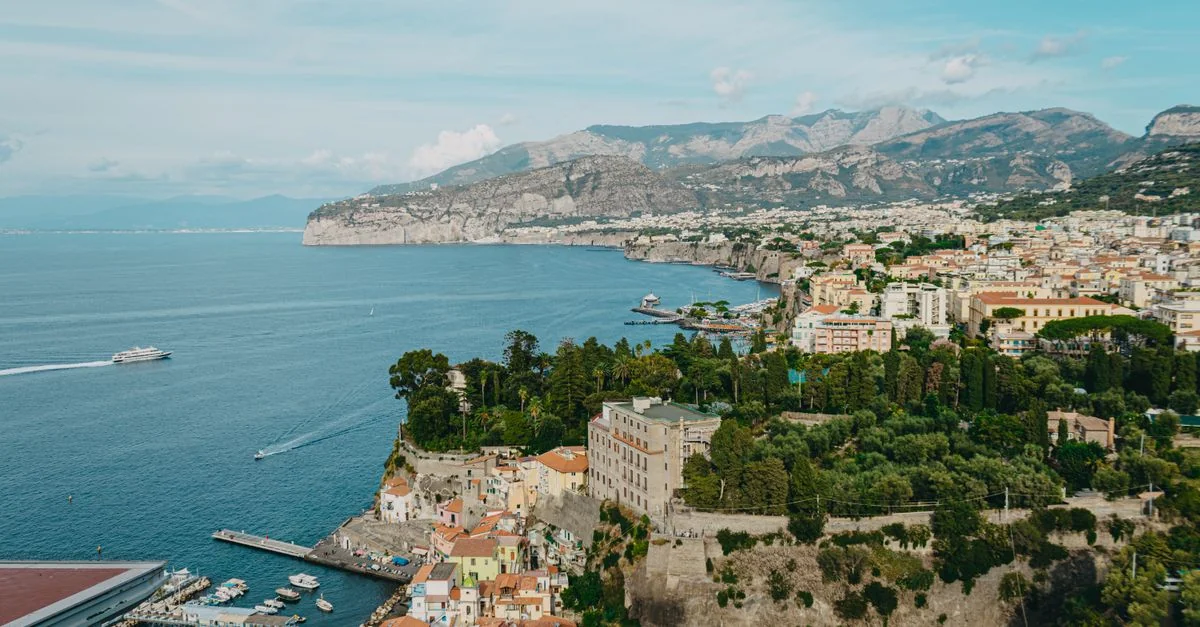
Why Visit Sorrento? # The scent of crushed lemon leaves hangs heavy over the cobblestones, mixing with the briny tang of the salt breeze rolling off the Bay of Naples. Perched on sheer volcanic cliffs, this town acts as the grand gateway to the Amalfi Coast, offering American travelers a seamless blend of old-world Italian charm and modern convenience. Unlike the steeper, more isolated villages further down the peninsula, this cliffside destination provides flat terrain once you reach the plateau, making afternoon strolls remarkably accessible after a long trans-Atlantic flight.
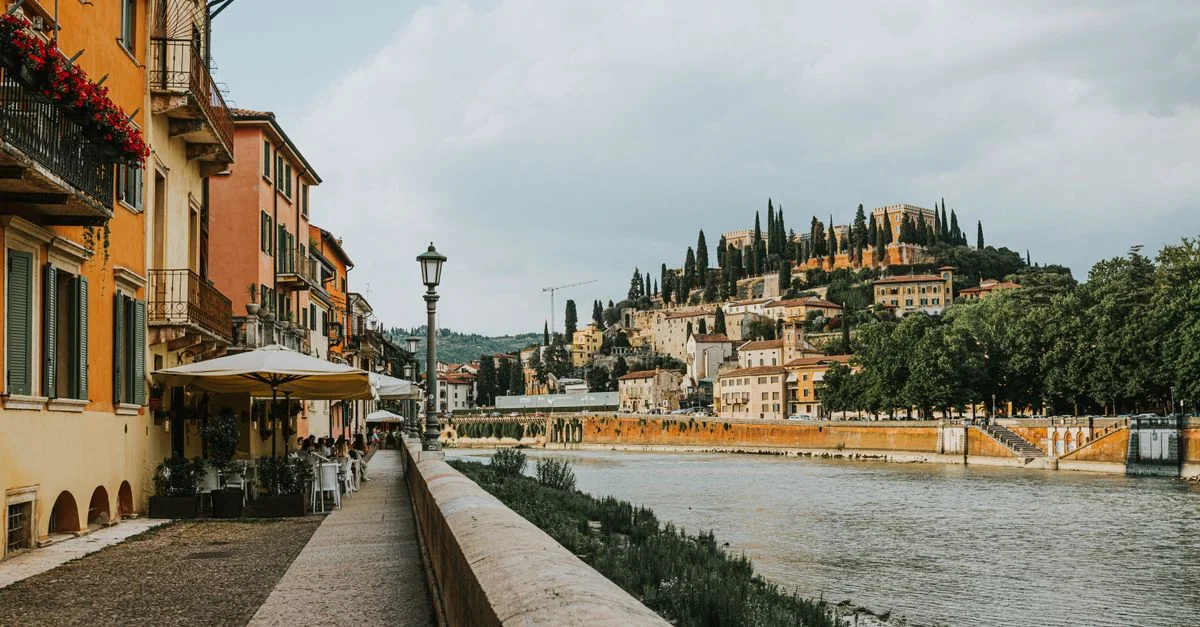
Why Visit Verona? # The sharp, metallic scent of freshly pulled espresso mingles with the faint aroma of roasting chestnuts as you step onto the smooth, pale limestone of the city’s central plazas. Verona holds a unique position in northern Italy , serving as a graceful bridge between the industrial north and the romanticized landscapes of the Veneto region. Unlike its larger neighbor, Venice , this city feels lived-in and authentic, where daily life carries on around Roman ruins and medieval fortifications without the constant pressure of massive tourist surges.
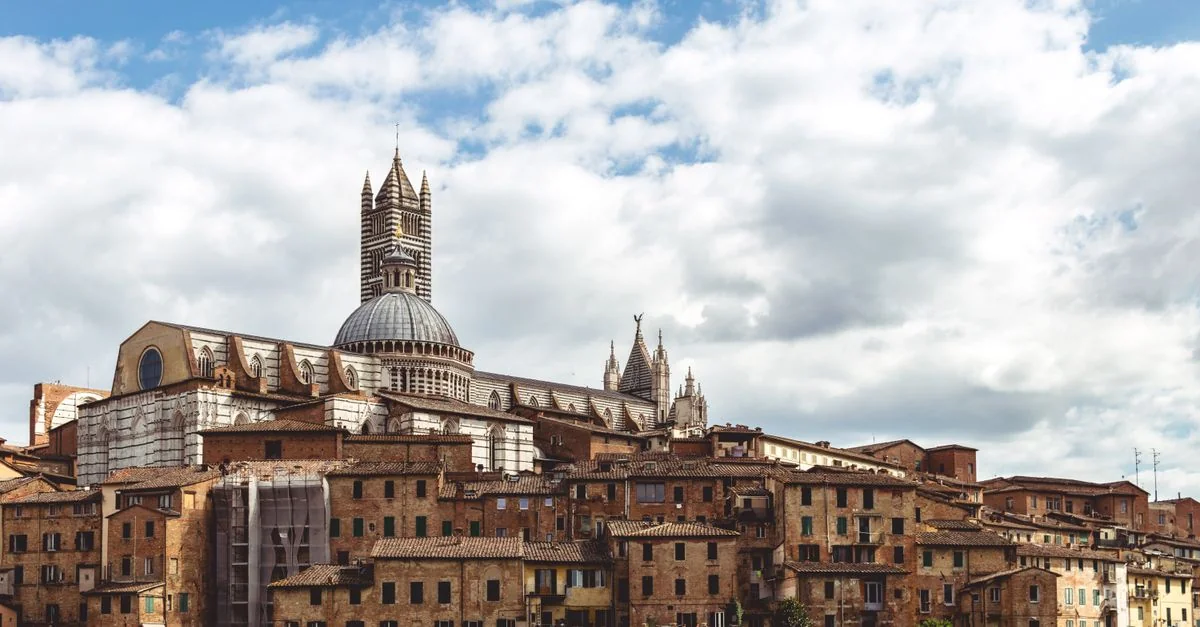
Complete Travel Guide to Siena: Top Attractions, Tips & Itinerary # Why Visit Siena? # Photo by Lorenc Memaga on Pexels The scent of roasting chestnuts and old stone fills the air as you step onto Piazza del Campo, the shell-shaped square that serves as the beating heart of Siena. Unlike the polished, museum-like atmosphere of Florence or the grand imperial scale of Rome , Siena feels like a living, breathing medieval fortress that has somehow remained untouched by the modern world’s rush. The city is built on three hills, and its streets are not paved with asphalt but with terracotta bricks that glow red in the late afternoon sun. For American travelers seeking an authentic Italian experience that feels both historic and intimate, Siena offers a unique blend of Gothic architecture, fierce local pride, and a slower pace of life that encourages you to simply sit, watch, and listen.
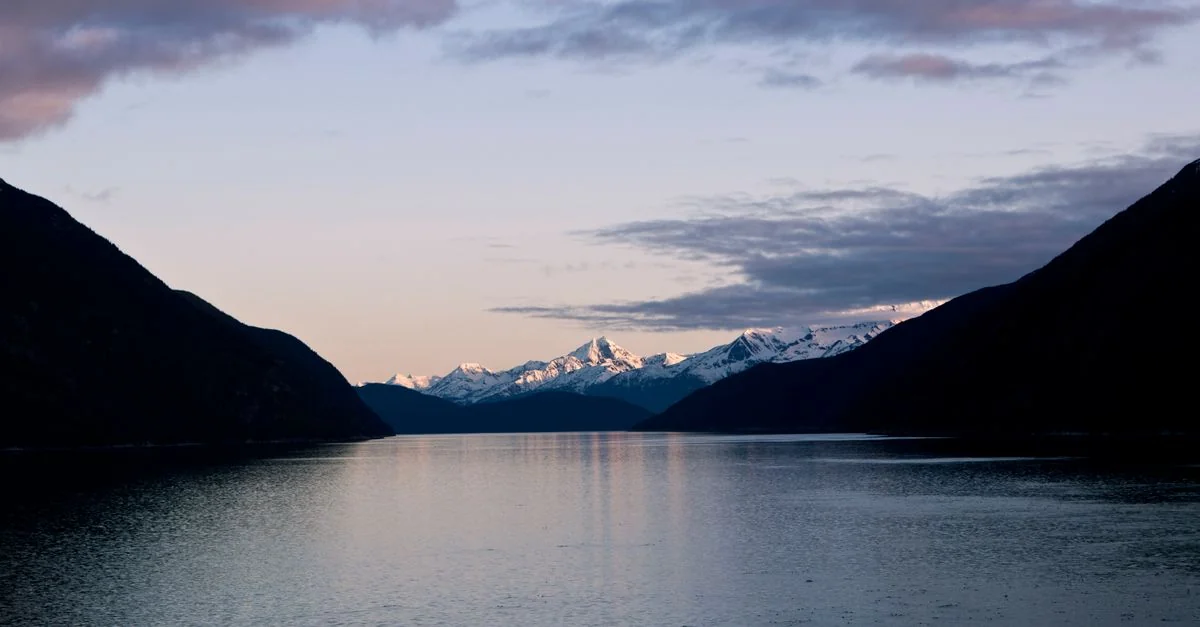
Why Visit Skagway? # The sharp smell of creosote rises from the aging wooden docks every time a historic steam train whistle echoes off the granite cliffs framing the Lynn Canal. As North America ’s deepest fjord cradles the edge of town, travelers stepping off the ship find themselves surrounded by boardwalks that have remained largely unchanged since the Klondike Gold Rush of 1898. This narrow valley in Southeast Alaska functions as a living museum where the ghosts of stampeders, prospectors, and frontier entrepreneurs still seem to linger around every corner of the historic downtown district.
Complete Travel Guide to Ketchikan: Top Attractions, Tips & Itinerary # Why Visit Ketchikan? # Photo by Trent Staats on Pexels The scent of salt spray and cedar smoke drifts off the docks long before the ferry engines cut their roar, signaling your arrival in Alaska’s southernmost first city. Raincoats and rubber boots serve as the local uniform here, worn with pride by residents who call the Tongass National Forest their backyard. This island outpost clings to the steep slopes of Revillagigedo Island, where wooden boardwalks replace traditional sidewalks and the Pacific Ocean laps directly against the pilings of downtown storefronts. It is a place where bald eagles line the utility poles like pigeons and commercial fishing boats outnumber passenger cars.
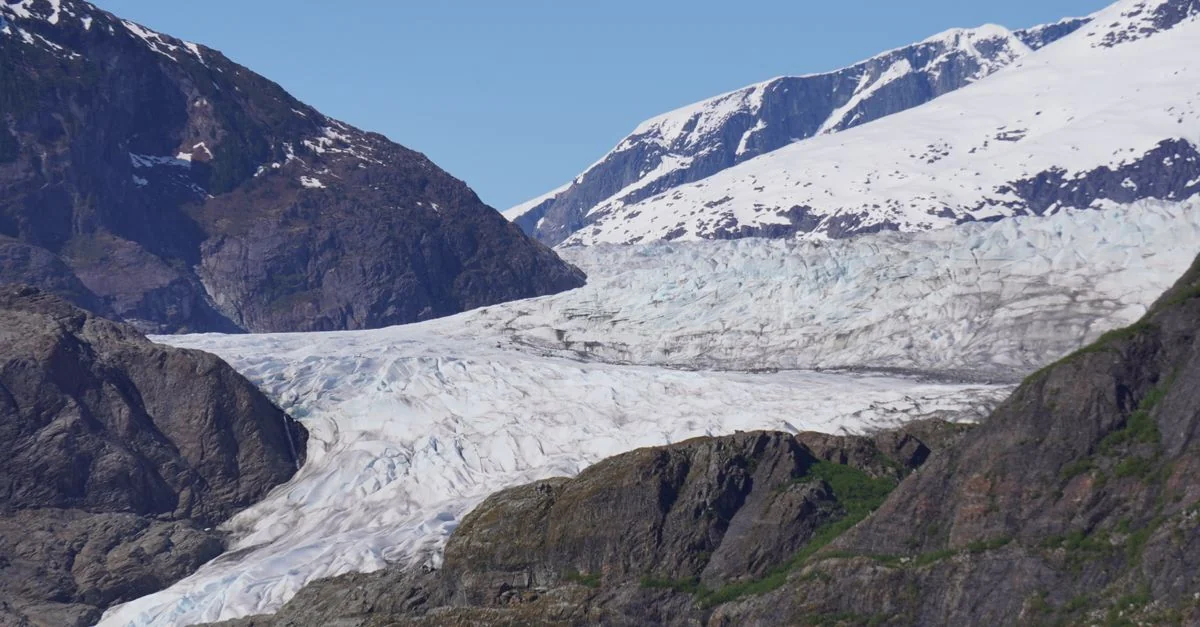
Why Visit Juneau? # The sharp scent of salt water mixes with the damp cedar smell of the Tongass National Forest the moment you step off the ferry or plane. Juneau occupies a rare geographic pocket where the Alaska mainland meets the Gastineau Channel, creating a dramatic landscape where steep mountain peaks plunge directly into freezing ocean waters. Because no roads connect Alaska’s capital city to the rest of the North American highway system, arriving here requires a deliberate journey by air or sea. This isolation keeps the pace of daily life slower and more connected to the surrounding wilderness than what you might find in larger mainland cities.
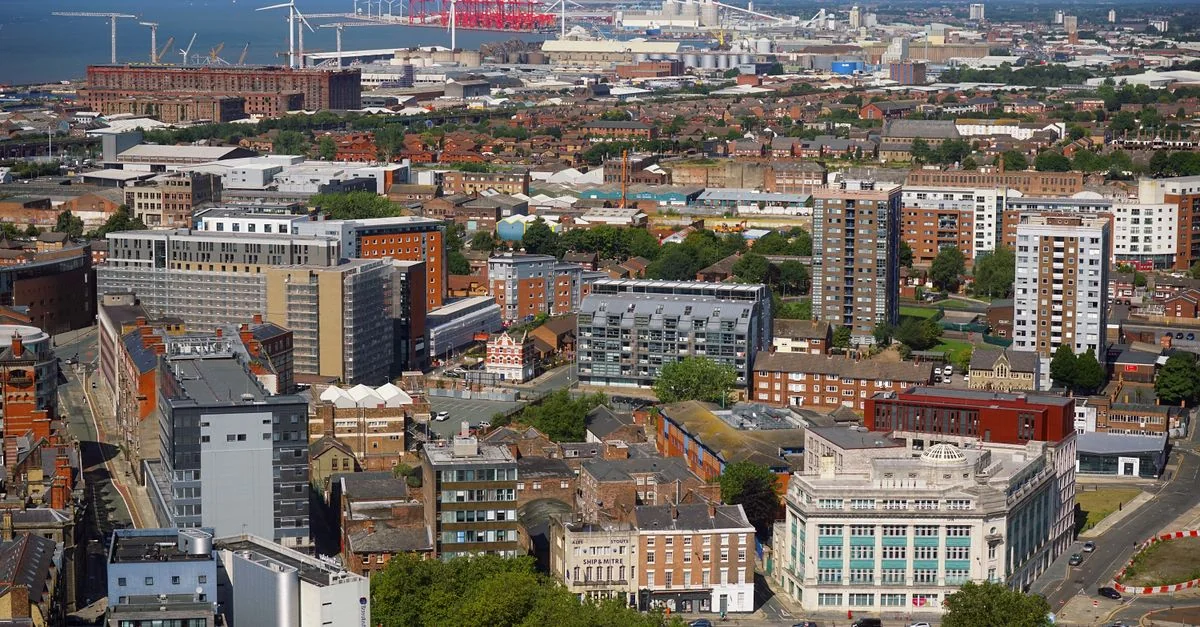
Why Visit Liverpool? # The sharp, metallic tang of salt air greets you the moment you step off the train at Lime Street Station, a constant reminder that this city’s soul is tied to the Atlantic. Liverpool carries a weight of history that feels tangible, from the grand, imposing architecture of the waterfront to the narrow, brick-lined alleys that once funneled goods from across the globe. It is a place where the people possess a dry, quick-witted humor that acts as a natural defense against the often-gray skies, and where the pride in their local identity is more intense than almost anywhere else in England.
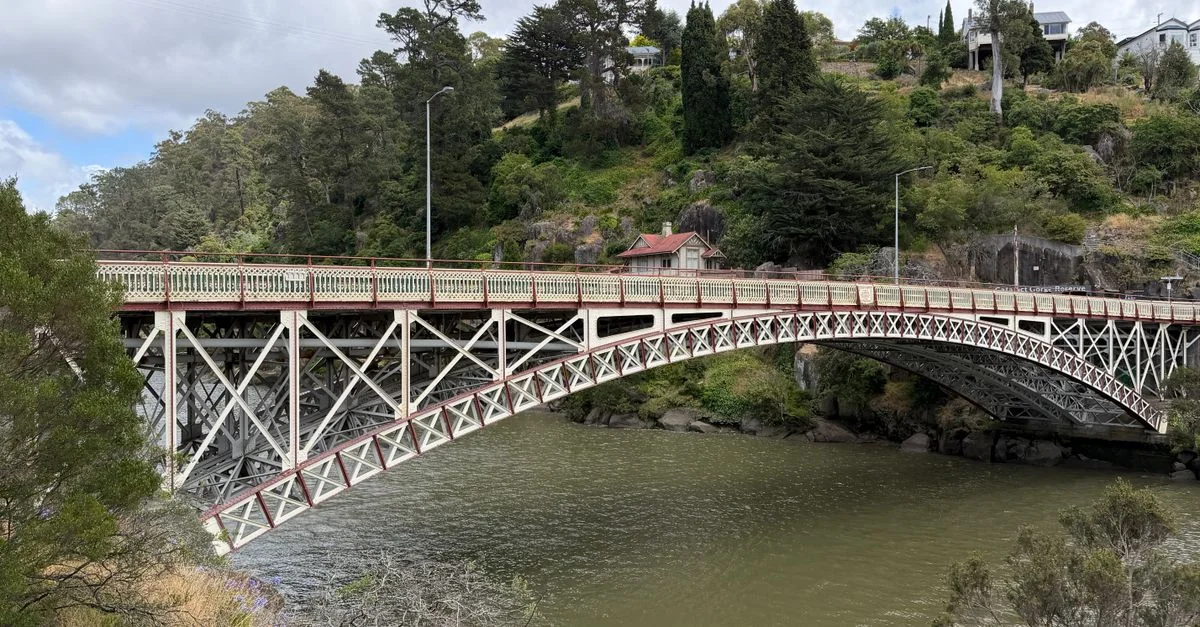
Why Visit Launceston? # The scent of roasting coffee beans and ancient eucalyptus drifts through the air as the morning mist lifts off the Tamar River. Launceston offers American travelers a slower-paced Australian experience where nineteenth-century colonial architecture meets a fiercely independent modern arts and food movement. Located in the north of Tasmania, this compact city feels worlds away from the high-rise sprawl of Sydney or Melbourne , yet it provides every modern comfort a traveler needs for a relaxing getaway.
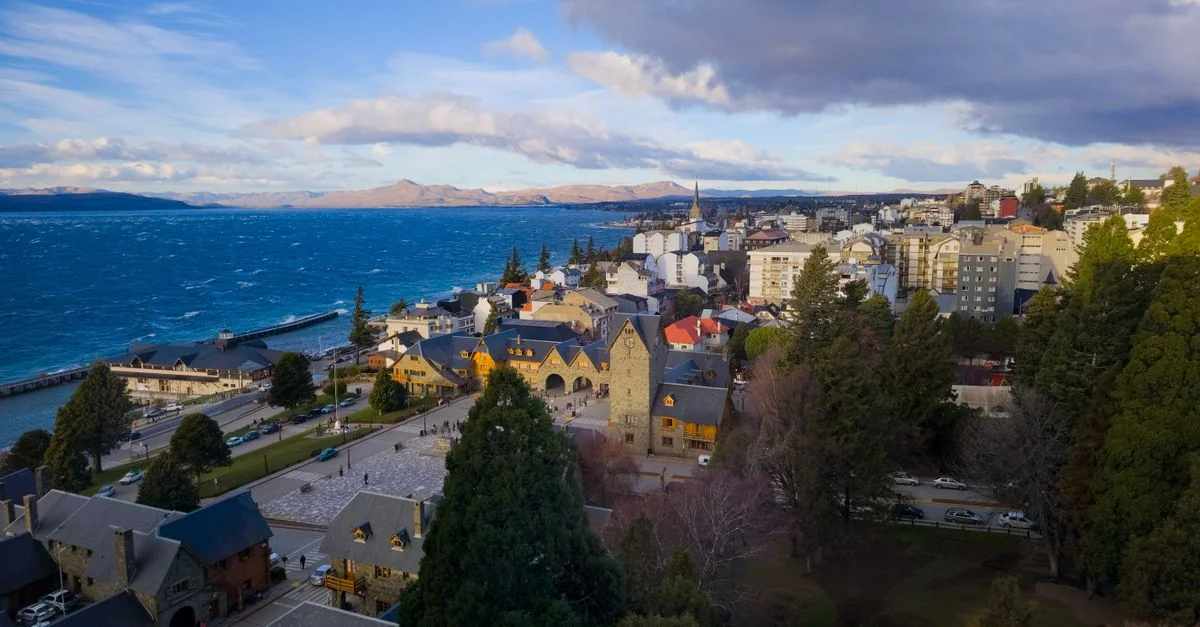
Why Visit Bariloche? # The sharp scent of melted dark chocolate hangs heavy in the cool mountain air, mixing with the sweet woodsmoke drifting from corner artisan shops. San Carlos de Bariloche sits on the southern shore of Nahuel Huapi Lake in the Argentine province of Río Negro, functioning as an alpine escape that frequently catches American visitors entirely off guard with its resemblance to the Swiss Alps. Snow-dusted peaks frame deep blue glacial waters, while wooden chalet architecture lines the sloping streets. It feels less like South America and more like a transplanted European ski village, complete with master chocolatiers and local craft breweries.