Why Visit San Sebastian de La Gomera? # The salty breeze carries the scent of pine as the sun paints the harbor in amber, and you can hear the distant call of gulls echoing off the stone walls of the town’s historic quarter. Walking along the cobblestones, you’ll feel the rhythm of an island that has been a crossroads for explorers, traders, and pilgrims for centuries. The blend of dramatic volcanic landscapes, lush laurel forests, and a laid‑back Atlantic vibe makes San Sebastián de La Gomera feel both timeless and surprisingly modern.
Why Visit Puerto del Rosario? # The air in Puerto del Rosario smells of salt and dried herbs, a scent that clings to your shirt as you walk along the harbor wall. This is the capital of Fuerteventura, the largest of the Canary Islands, and it offers a pace of life that feels distinctly different from the high-energy resort strips found elsewhere in the archipelago. While many American travelers head straight to the beach resorts in the south or the wind farms of the north, Puerto del Rosario provides a grounded, authentic Spanish experience without the overwhelming tourist infrastructure. The city is compact, walkable, and deeply rooted in its history as a trading port, which gives it a character that feels lived-in rather than staged for visitors.
Why Visit La Palma? # The air on La Palma does not smell like the rest of the Canary Islands; it smells of wet earth, pine needles, and volcanic sulfur. This is not a place where you lounge on a white sand beach all day. It is a place where the landscape shifts dramatically from lush, rain-soaked forests to arid, lava-strewn cliffs within a matter of miles. For American travelers tired of the predictable resort towns of the Mediterranean, La Palma offers a raw, unpolished authenticity that feels like stepping back in time. The island is known as the “Isla Bonita” or Beautiful Island, and while the name sounds like a marketing tagline, it holds true. The contrast between the black volcanic rock and the lively green of the native laurel forests creates a visual experience that is striking without being overwhelming.
Why Visit Arrecife? # The first thing that hits you is not the sight of the buildings, but the sound. It is a low, constant hum of wind whipping off the Atlantic, a sound that settles into your bones and reminds you that you are standing on the edge of the ocean. Arrecife, the capital of the Canary Islands, is often overlooked by tourists who flock to the more famous resorts of Tenerife or Gran Canaria, but that is precisely why it offers such a genuine experience. Here, the pace is slower, the locals are less guarded, and the city feels like a living, breathing community rather than a backdrop for a vacation. You are not just visiting a destination; you are stepping into the daily rhythm of island life, where the market stalls are set up early in the morning and the evening ends with a stroll along the harbor as the sun dips below the horizon.
Why Visit Bilbao? # The first thing that hits you when you step off the train is the scent of fresh sea air mingling with the faint aroma of grilled seafood drifting from a nearby market stall. Bilbao balances the raw power of the Nervión River with the quiet charm of stone‑cobbled lanes, creating a place where modern steel structures sit shoulder‑to‑shoulder with centuries‑old churches. The city’s reputation as an art destination is well earned, yet it never feels pretentious; locals greet you with a relaxed confidence that makes wandering feel like a conversation rather than a tour.
Why Visit Almeria? # The first thing you notice in Almeria is the light. It pours over the city with a clarity that feels almost aggressive, bouncing off the pale facades of the old town and turning the sea into a sheet of hammered silver. Behind you, the Alcazaba fortress rises over the rooftops like a hunk of golden rock that grew there by accident. Ahead, the Mediterranean glitters in that specific way that makes you want to find the nearest chair and not move for an hour. Almeria does not advertise itself the way Marbella or Seville do. It expects you to stumble upon it, and the stumble is worth every unscheduled turn.
Why Visit Gijon # The sharp, salty tang of sea spray drifts off the Bay of Biscay, mixing with the earthy, fermented aroma of pouring cider in neighborhood taverns. This coastal city in northern Spain offers American travelers a chance to experience a deeply authentic slice of Iberian life that remains largely untouched by mass tourism. While travelers often flock to the sun-baked beaches of the south or the architectural wonders of Barcelona, this Asturian port city rewards those who venture north with a seamless blend of wild maritime beauty and industrial heritage.
Why Visit Ibiza? # The scent of dry pine needles baking in the Mediterranean sun hangs heavy in the air, punctuated by the faint, rhythmic thrum of distant bass drifting across the limestone cliffs. Ibiza occupies a unique position in the consciousness of the modern traveler, serving as both a sanctuary for those seeking quiet coves and a global epicenter for electronic music. While the island is frequently categorized by its nighttime reputation, the reality is a landscape defined by craggy coastlines, ancient stone farmhouses, and a pace of life that respects the siesta as much as the sunrise.
Why Visit Menorca? # The scent of wild rosemary clings to the warm Mediterranean breeze as you step onto the limestone cliffs overlooking the sea. Unlike its louder neighbors in the Balearic archipelago, Menorca operates on a slower frequency. It is an island defined by its preserved landscape, where strict zoning laws have prevented the high-rise sprawl found elsewhere in Spain. For travelers seeking a balance between accessibility and tranquility, this island offers a landscape of rolling hills, ancient stone walls, and quiet coves that feel remarkably untouched by the frantic pace of modern tourism.
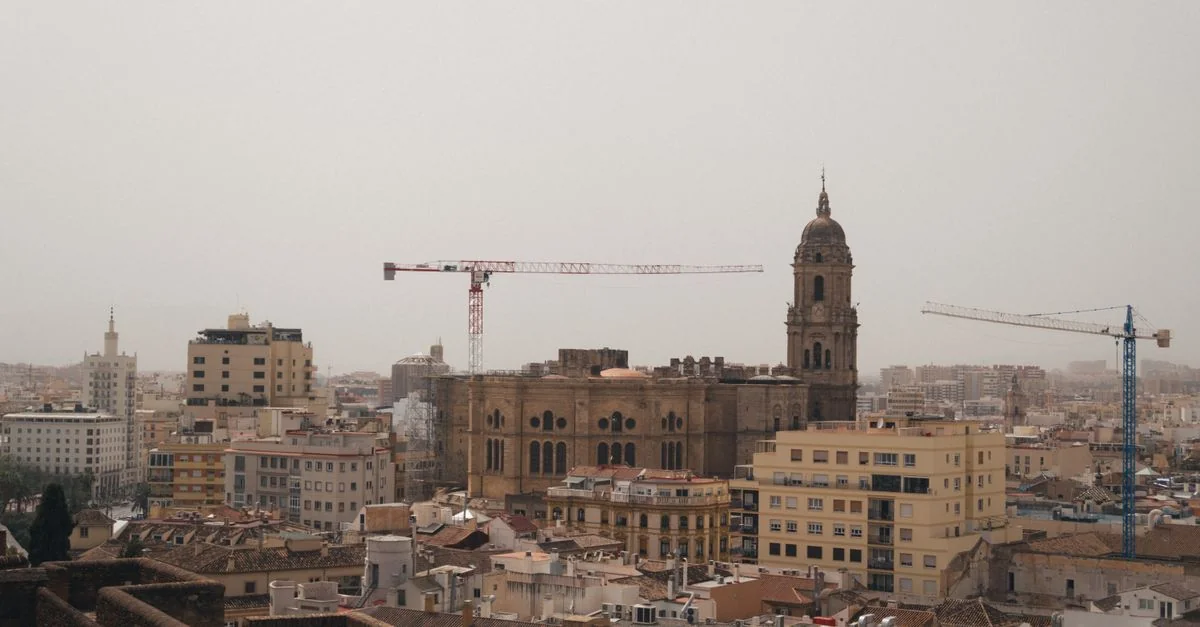
Why Visit Malaga? # The smell of grilled sardines drifting off the Mediterranean shoreline mingles instantly with the sharp scent of ripening oranges along the pavement. Malaga manages to balance the laid-back pace of a southern coastal escape with the creative energy of a major art hub. While many visitors treat the city merely as a transit point to other parts of Andalusia, slowing down here reveals a destination where Roman ruins sit casually beside modern museums, and narrow pedestrian lanes open unexpectedly into sunlit plazas.