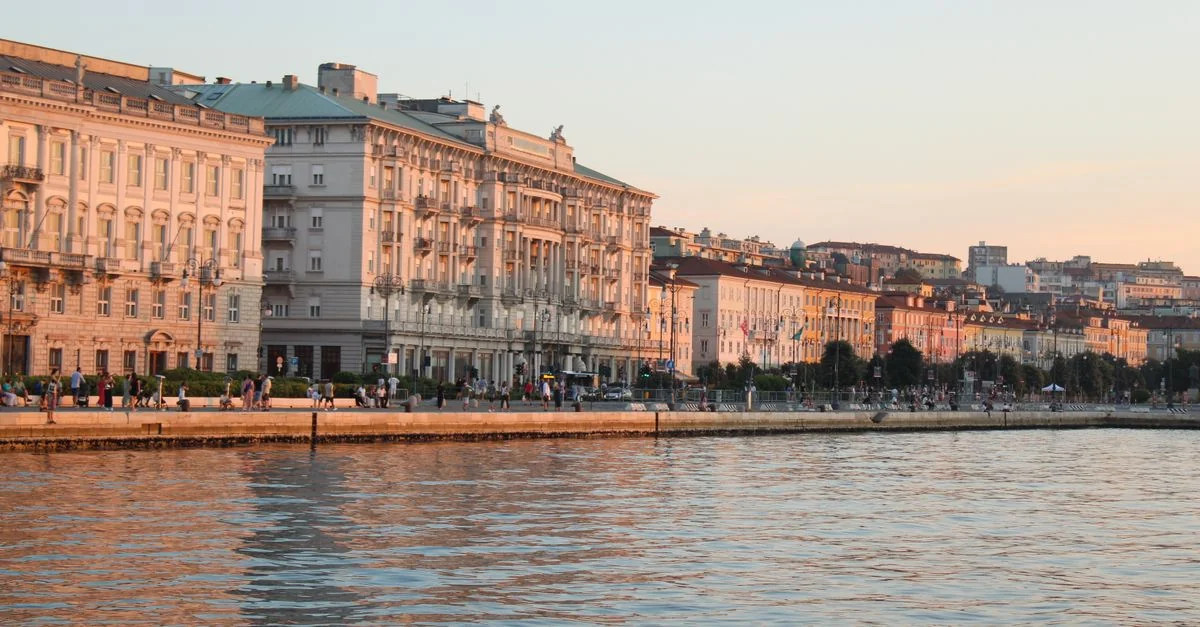
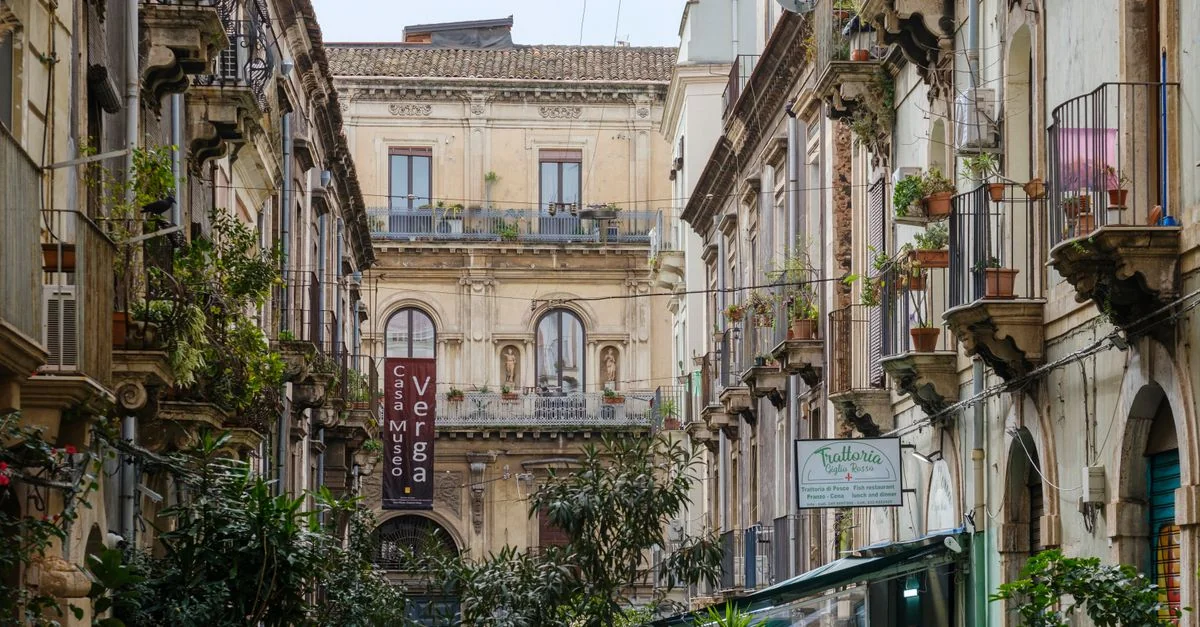
Why Visit Trieste? # The scent of roasted coffee beans hangs heavy in the air as you step onto the limestone pavement of the waterfront, carried by the fierce, cold gusts of the Bora wind. Trieste sits at a peculiar crossroads where the Mediterranean meets the Austro-Hungarian past, creating a city that feels distinctly un-Italian yet deeply rooted in its own singular identity. Unlike the crowded squares of Rome or the canal-locked streets of Venice, this port city offers a quiet gravity, a place where grand neoclassical architecture stands against the backdrop of the Adriatic Sea.
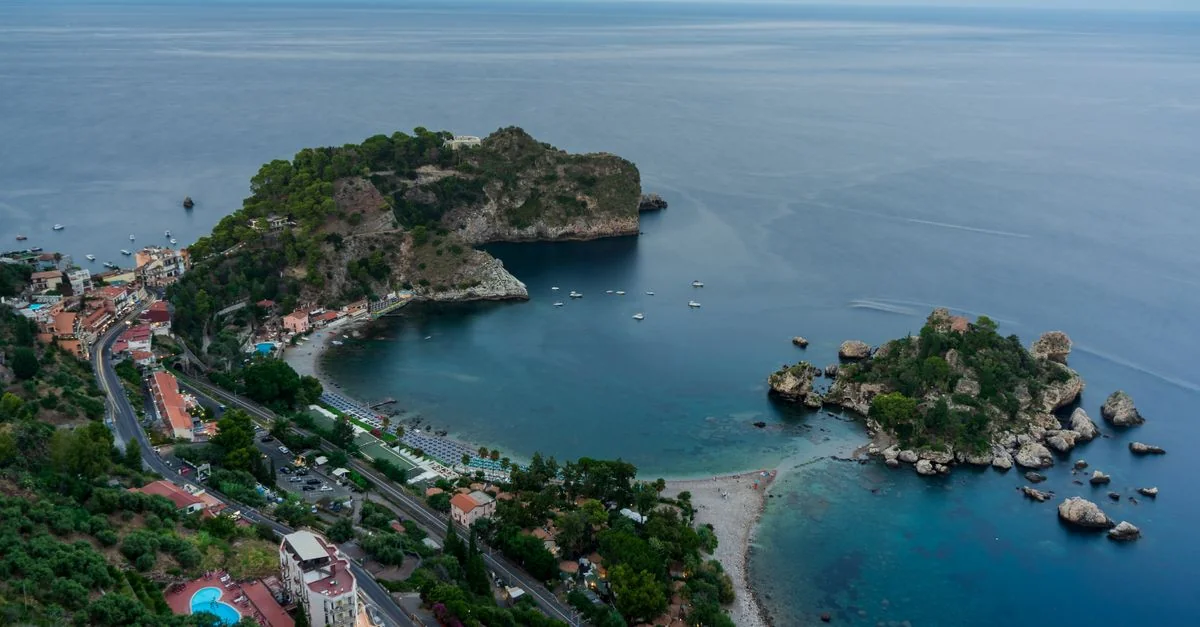
Why Visit Taormina? # The scent of crushed caper leaves and salted lemons drifts upward from coastal terraces as church bells echo across the stone valley. Taormina perches on a dramatic cliffside ledge high above the Ionian Sea, offering American travelers a classic Sicilian escape where ancient history meets modern Mediterranean ease. Mount Etna looms to the south, its snowy or ash-dusted peak providing a striking backdrop to medieval alleyways and sun-bleached palazzos.
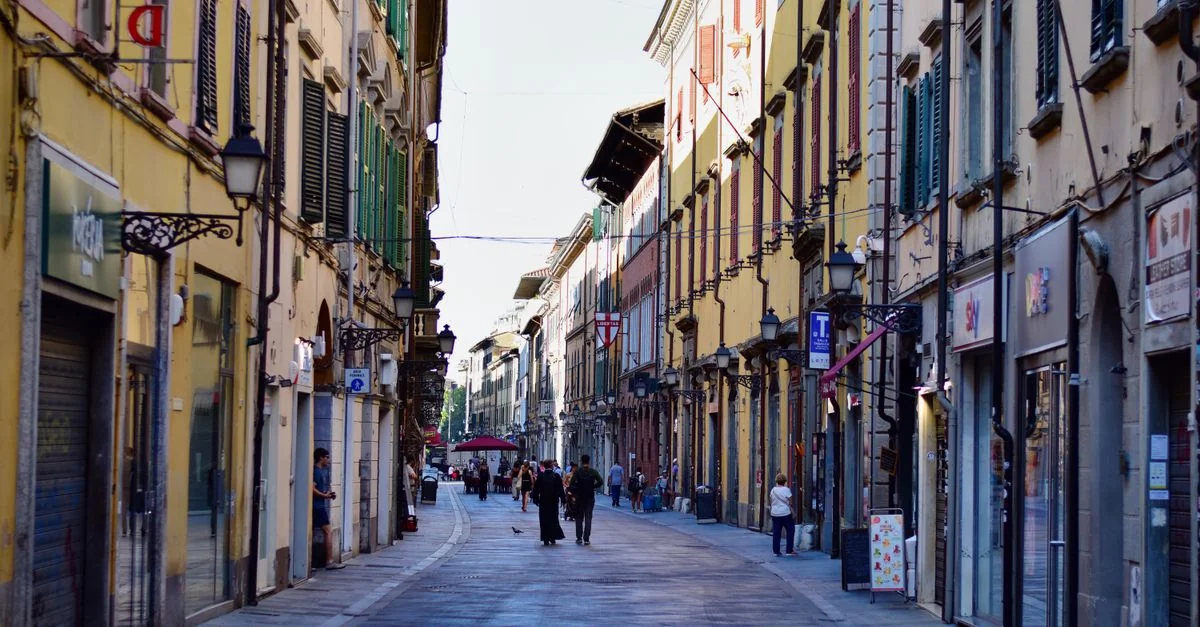
Why Visit Ravenna? # The sharp scent of wet lime and ancient stone rises from the cool interiors of churches that have stood quietly in the marshlands of Romagna for fifteen centuries. Most travelers sprint through Italy ’s heavy-hitters like Florence and Rome , entirely missing this former imperial capital tucked away in the country’s northern reaches. Yet, stepping inside these unassuming brick basilicas reveals a completely different visual vocabulary of the ancient world. Instead of the familiar white marble of antiquity, the walls shatter expectations with floor-to-ceiling sheets of gold leaf and colored glass that catch the Italian sunlight and scatter it across dark, quiet pews.
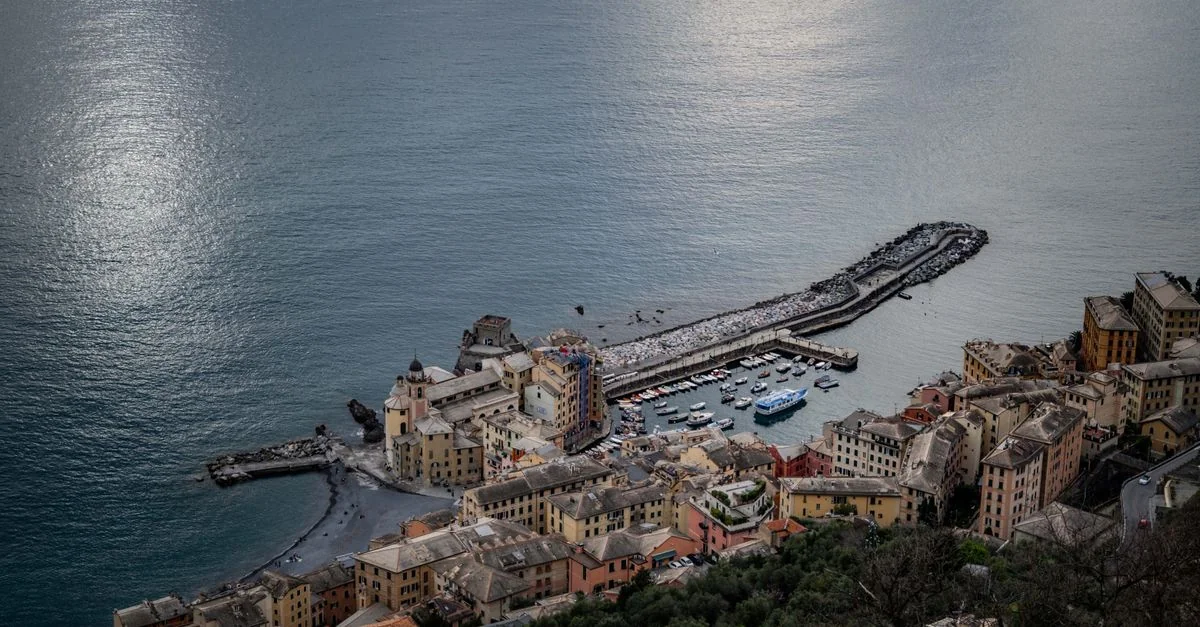
Why Visit Portofino? # The sharp scent of salt spray and crushed pine needles hits the senses long before the pastel harbor comes into view. This narrow crescent of the Italian Riviera translates the chaotic energy of the Mediterranean into a quiet, sun-bleached picture. For American travelers accustomed to sprawling expanses, the scale of this fishing village comes as a shock. The entire community wraps tightly around a deep-water cove where luxury yachts sit side-by-side with weathered wooden rowboats, all bobbing gently against a backdrop of steep, terraced cliffs.
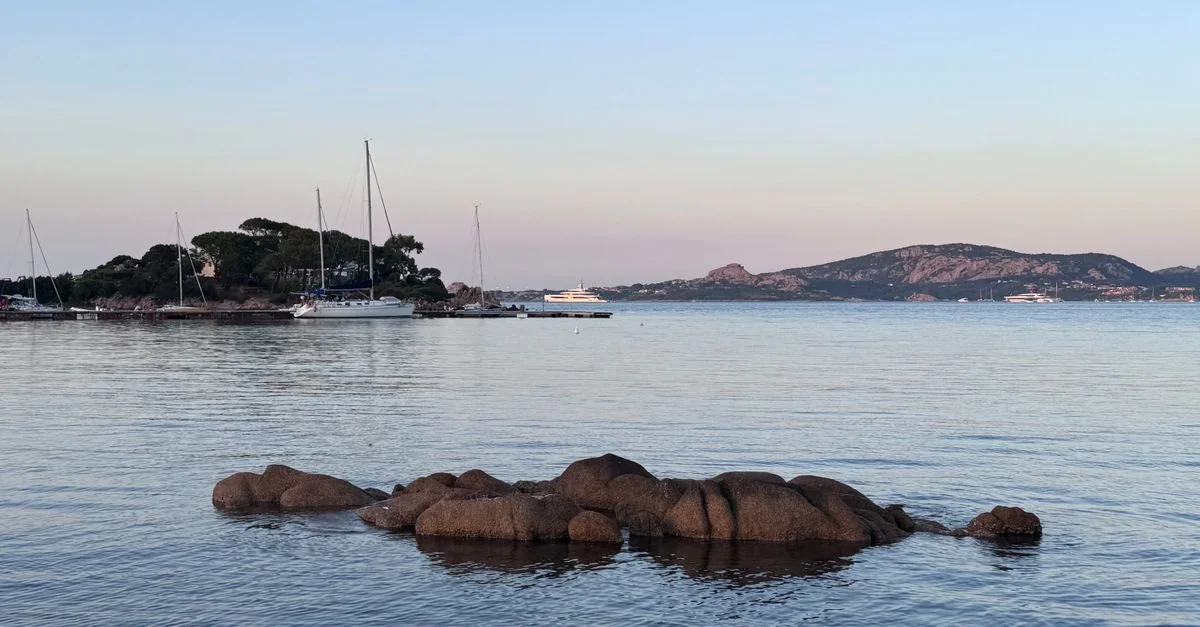
Why Visit Olbia? # The scent of salt air mingles with the sharp, sweet aroma of roasting coffee beans as the morning ferry pulls into the harbor. Olbia serves as the primary gateway to the Costa Smeralda, yet it possesses a grounded, authentic character that often escapes the glitz of its northern neighbors. While many travelers use the city strictly as a transit point, those who linger find a city defined by its deep connection to the Tyrrhenian Sea and a pace of life that prioritizes long afternoons over rigid itineraries. It is a place where ancient stone ruins sit quietly within modern residential blocks, and the evening ritual of the passeggiata—the slow, purposeful evening stroll—remains a central pillar of daily life.
Why Visit Cagliari? # The smell of salt spray mixes with the scent of roasted coffee beans whenever the morning breeze blows in from the Gulf of Angels. Sardinian capital Cagliari sits stacked against a dramatic limestone hill, offering American travelers a slice of the Mediterranean that feels distinct from the usual tourist corridors of the Italian mainland. Ancient ramparts, pink flamingos resting in nearby wetlands, and long stretches of white sand define a landscape where urban energy meets island wilderness.
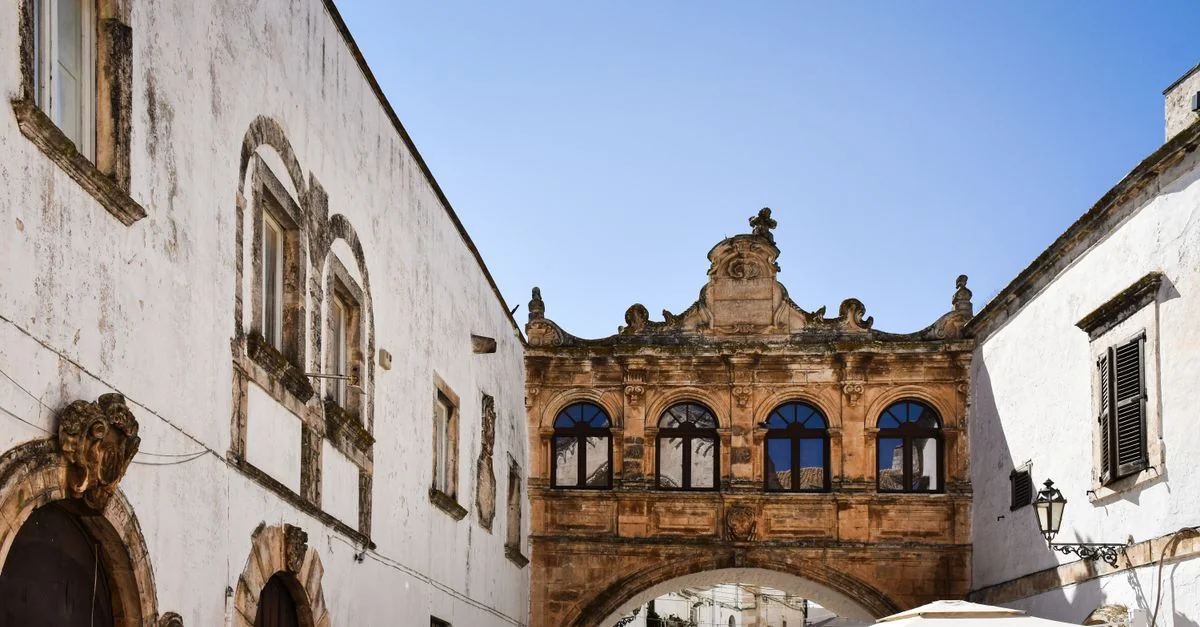
Why Visit Brindisi? # The scent of salt spray hits you the moment you step off the train, carried by a breeze that has traveled across the Adriatic Sea to settle against the limestone walls of the port. Brindisi serves as the quiet, sturdy gateway to the Salento peninsula, a city that does not clamor for your attention with manicured tourist traps but instead offers a grounded look at daily life in Puglia. It is a place of ancient maritime history, where the Roman Appian Way famously ends at the water’s edge, marked by towering columns that have watched ships come and go for two millennia.
Why Visit Bari? # The morning air in the old town carries the sharp, comforting scent of burning olive wood and flour dusting damp stone tables. Women sit outside their doorways in the narrow alleys of Bari Vecchia, hands moving with practiced speed to shape mounds of durum wheat dough into small, ear-shaped pasta known as orecchiette. This coastal city on the heel of Italy ’s boot offers a genuine slice of southern Mediterranean life that remains largely untouched by the mass tourism swamp consuming Venice or Florence . Here, daily routines play out in public squares, laundry drapes lazily between second-story balconies, and the Adriatic Sea laps against seawalls where fishermen haul in their morning catches.
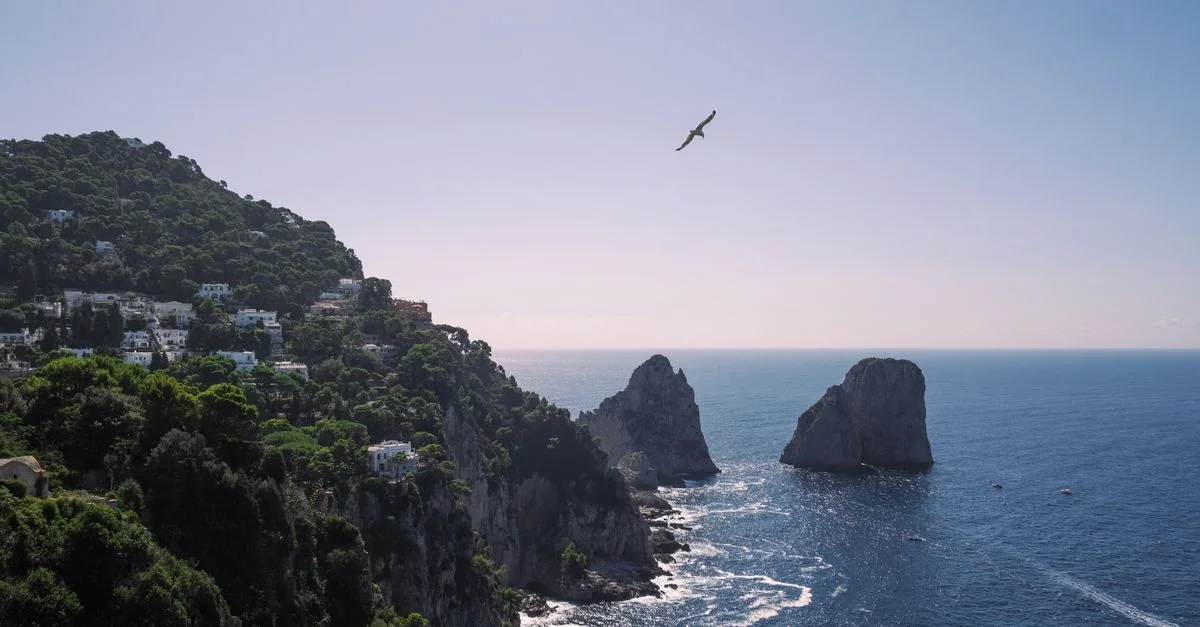
Why Visit Capri? # The sharp scent of salt spray and crushed lemon leaves hits you the moment the ferry cuts its engine against the concrete docks of Marina Grande . For generations, travelers have crossed the Bay of Naples to reach this sheer limestone cliffside rising steeply from the Tyrrhenian Sea. The island operates on a vertical scale, where funiculars carry visitors up the slope to cliff-edge piazzas and winding footpaths lead past terraced lemon groves down to deep blue coves. It is a place where dramatic topography meets the quiet rhythm of Mediterranean life, making it a distinct contrast to the mainland cities of Naples and Sorrento .
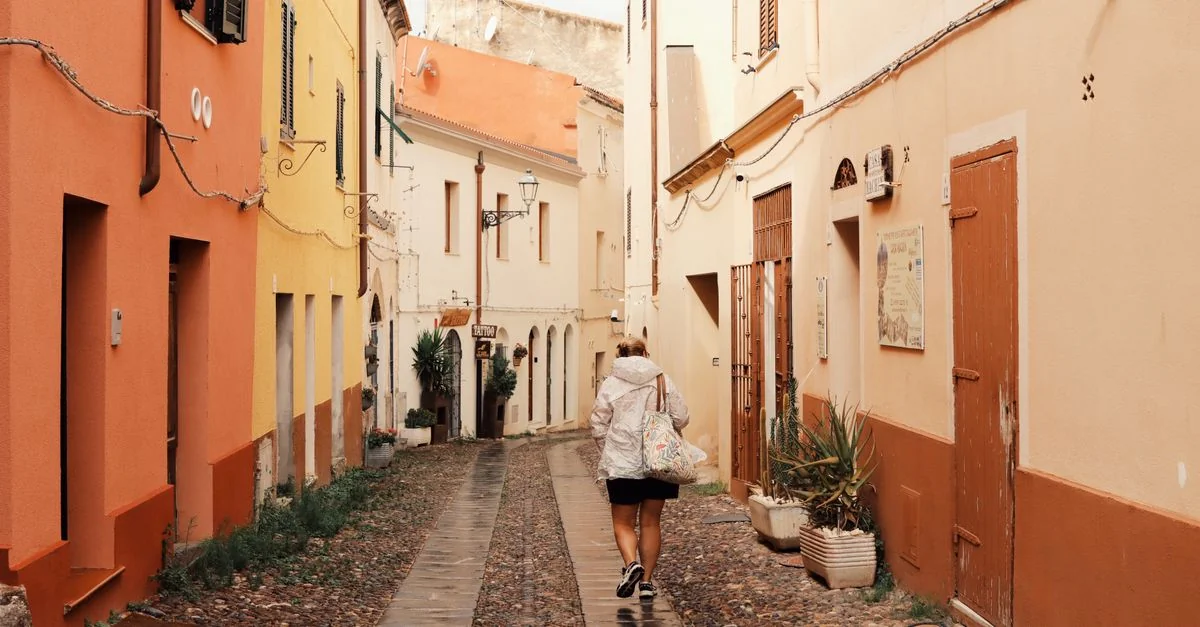
Why Visit Alghero? # The scent of salt air mingles with the faint, sweet perfume of blooming oleander as you walk along the sea walls. Alghero sits on the northwest coast of Sardinia , offering a unique perspective on Italian life that feels distinct from the mainland. Because of its history as a Catalan colony, the town retains a distinct linguistic and architectural flavor, with street signs often appearing in both Italian and Catalan. It is a place where the pace of life slows down significantly, encouraging long afternoons spent watching the sun dip into the Mediterranean.