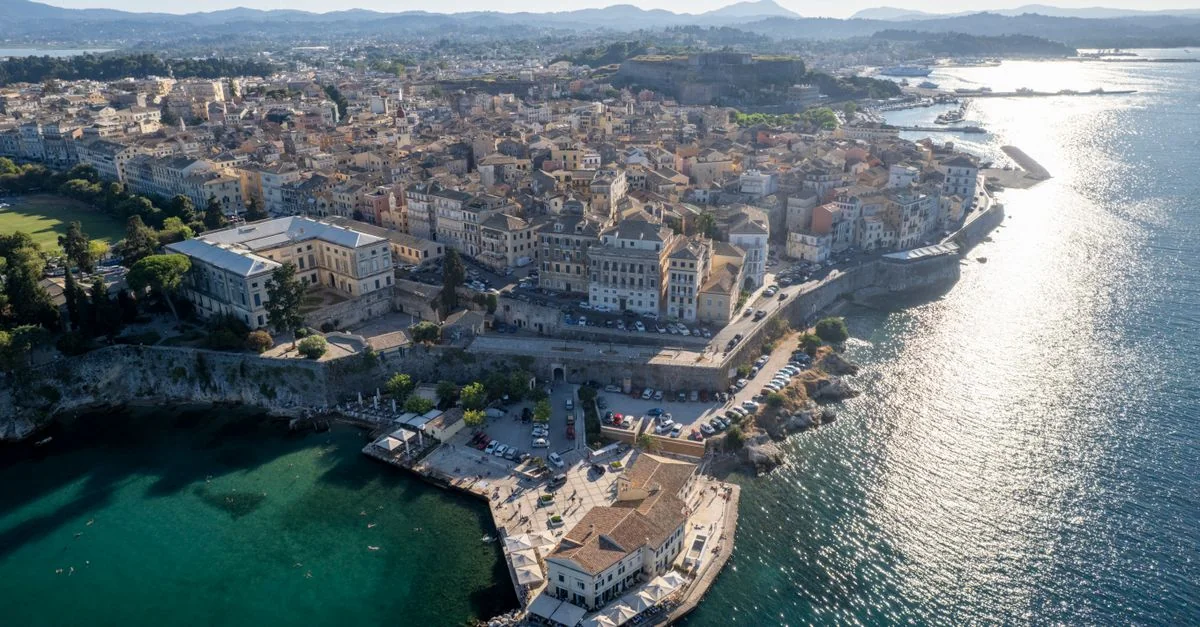
Why Visit Corfu? # The scent of salt, damp stone, and baking sesame bread hangs heavy in the morning air as church bells ring out across the terracotta rooftops. Corfu sits at the northern tip of the Ionian Sea, geographically closer to Italy than to the Greek mainland, and that Venetian legacy shapes every corner of the island. You will notice it immediately in the tall, pastel-colored shuttered buildings of the main town and the Italianate dialects drifting from corner cafes. For American travelers accustomed to the whitewashed cubic architecture of the Cyclades , Corfu offers a startlingly different Greek landscape defined by rolling cypress hills, jagged limestone cliffs, and dense olive groves that stretch down to the turquoise water.
Why Visit Volos? # The scent of grilled octopus and briny sea air hangs heavy over the waterfront promenade as the sun dips behind the towering silhouette of Mount Pelion. Volos serves as the definitive gateway between the rugged, forested slopes of mythic mountains and the gentle, turquoise expanse of the Pagasetic Gulf. Unlike the islands that draw massive international crowds, this port city maintains a grounded, working-class energy that feels authentically Greek. It is a place where locals spend their afternoons sipping coffee while watching ferries depart for the Sporades, offering a rare look at a coastal city that functions for its residents rather than solely for tourists.
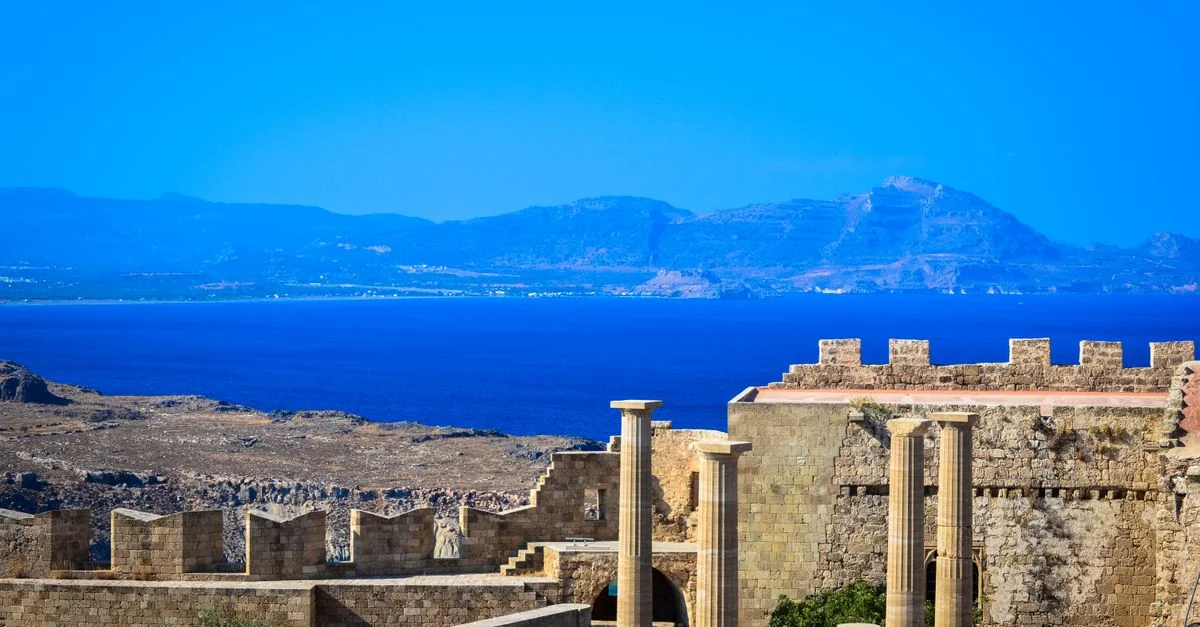
Why Visit Rhodes? # The sharp scent of wild oregano bakes on the sun-bleached hillsides of Rhodes, mixing with the sharp, salty tang of the Aegean Sea long before you ever sight the water. This largest of the Dodecanese islands occupies a distinct geographic position in the southeastern corner of Greece , sitting closer to the coast of Turkey than to the mainland of Athens. That crossroads location defines the physical landscape, where medieval stone fortifications built by crusader knights meet the whitewashed architecture and blue-domed churches typical of the Aegean.
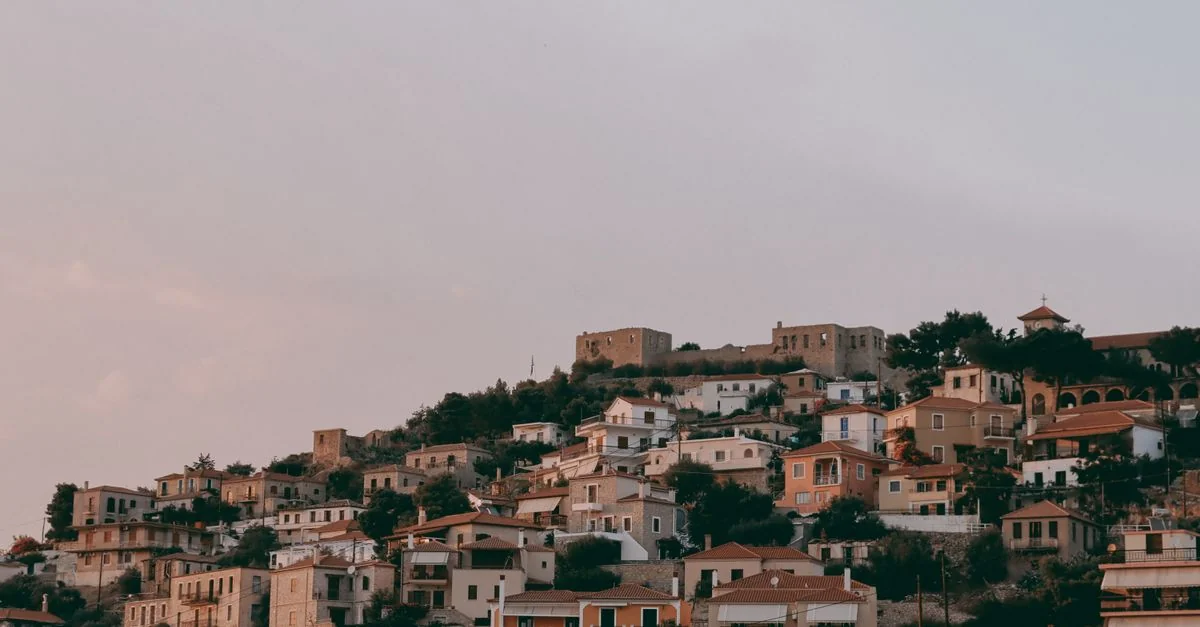
Why Visit Pylos? # The sharp scent of wild oregano drifts down from the dusty hillsides, mixing with the sharp, salty tang of the Ionian Sea as fishing boats gently knock against the wooden docks in the harbor. Pylos sits gracefully in the southwestern corner of the Peloponnese, wrapped around the wide, protected crescent of Navarino Bay. For American travelers weary of the overcrowded, heavily commercialized islands of the Aegean, this Peloponnesian port offers a slower, deeply traditional rhythm of Greek life. It is a place where older men still debate politics over thick Greek coffee in the central square beneath the heavy shade of ancient plane trees, entirely unbothered by the passing of time.
Why Visit Patmos? # The scent of wild oregano and sun-warmed pine needles drifts across the harbor the moment the ferry engines cut their roar, signaling arrival on an island that moves to a markedly slower rhythm than its famous Aegean neighbors. Unlike the crowded party shores of Mykonos or the cinematic cliffs of Santorini , Patmos retains a rugged, weathered authenticity where whitewashed cubic houses tumble down steep hillsides toward deep blue coves, and the daily schedule is dictated by church bells rather than beach club schedules. Pilgrims have journeyed to these rocky shores for centuries, drawn by the sacred aura of the island, yet modern travelers find an equal and opposite pull in the quiet pebble beaches, the salt-cured sea air, and the simple pleasure of an iced coffee at a seaside kafeneio while fishermen mend their nets.
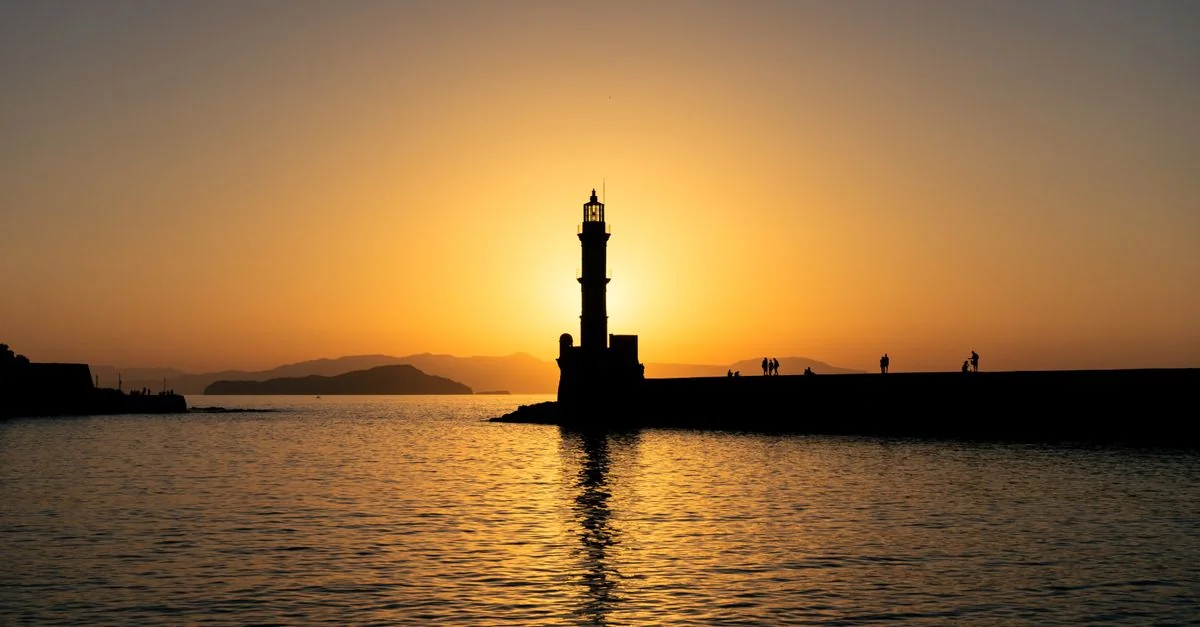
Why Visit Chania? # The scent of wild oregano drifts down from the White Mountains, mingling with the sharp, salty tang of the Mediterranean as you step onto the weathered stones of the Venetian harbor. Chania sits on the northwestern coast of Crete , offering a distinct departure from the typical island experience. While many travelers flock to the Aegean islands for white-washed uniformity, this city presents a complex architectural record of Venetian, Ottoman, and Greek influences. The harbor serves as the city’s heart, where the iconic lighthouse guards a waterway that has seen centuries of trade and transition.
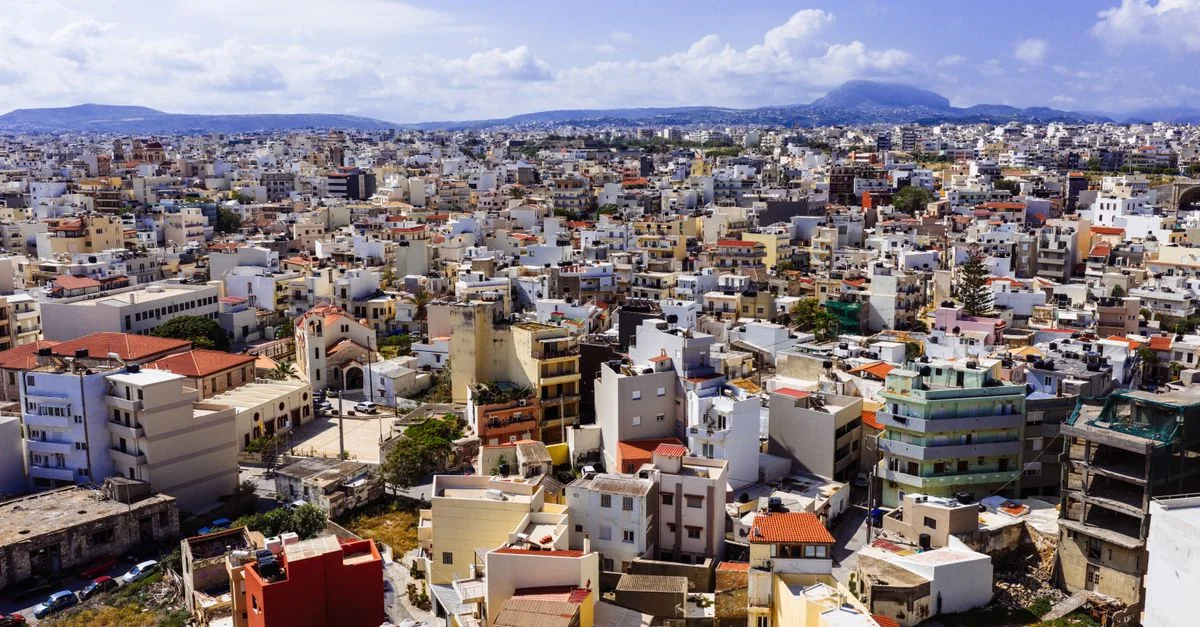
Why Visit Heraklion? # The smell of grilled lamb fat and wild oregano drifts from an alleyway while a waiter drags a heavy wooden chair across the concrete sidewalk, the legs making a low, scraping groan against the morning quiet. This is Crete’s largest city, a place that often gets dismissed as a mere ferry port or an airport gateway, which works entirely in your favor. Travelers rushing off to the famous southern beaches or mountain villages tend to skip the capital, leaving its shaded squares and Venetian ramparts remarkably free of tourist crowds.
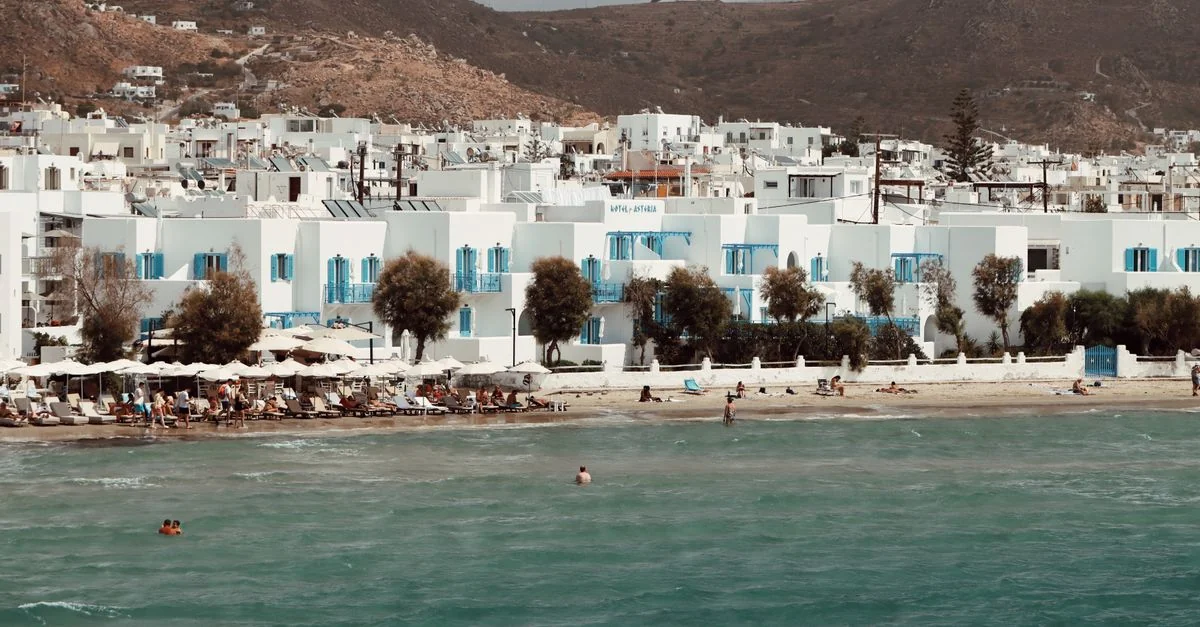
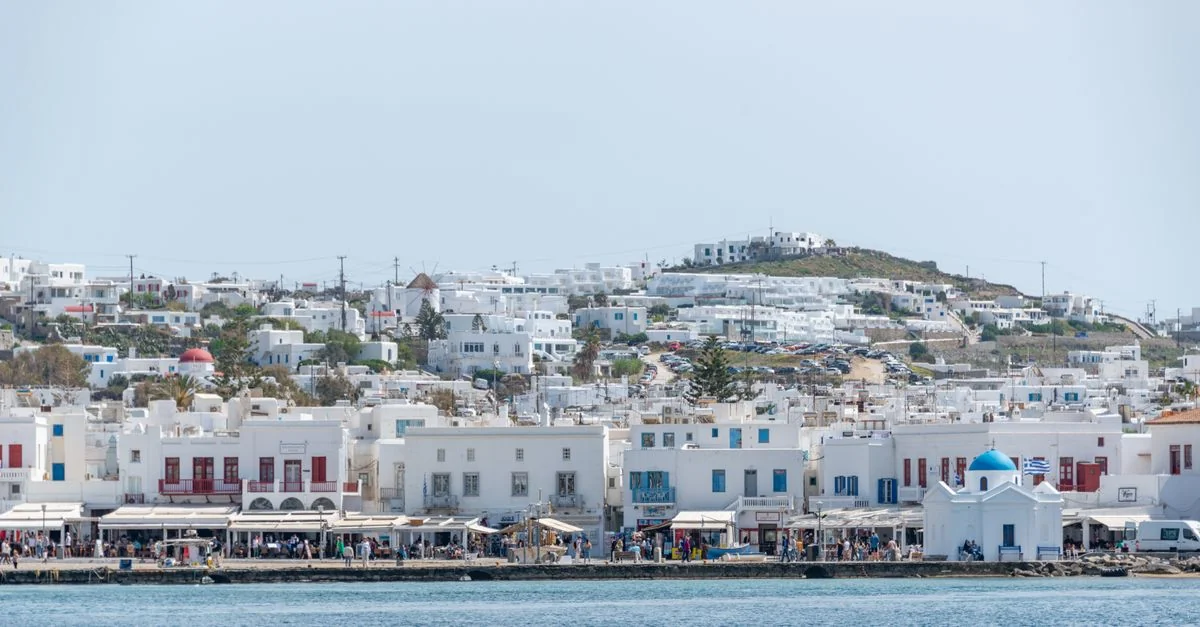
Why Visit Mykonos # The sharp tang of salt spray and crushed wild oregano hits the back of your throat the moment the ferry ramp drops against the concrete pier. Whitewashed walls, blindingly bright under the Aegean sun, bounce the afternoon light into every narrow alleyway while heavy wooden doors painted the color of deep ocean water creak in the Meltemi wind. This Cycladic island manages to balance a reputation for high-end glamour with the quiet, sun-bleached simplicity of traditional Greek fishing villages, creating a distinct atmosphere that pulls travelers back year after year.
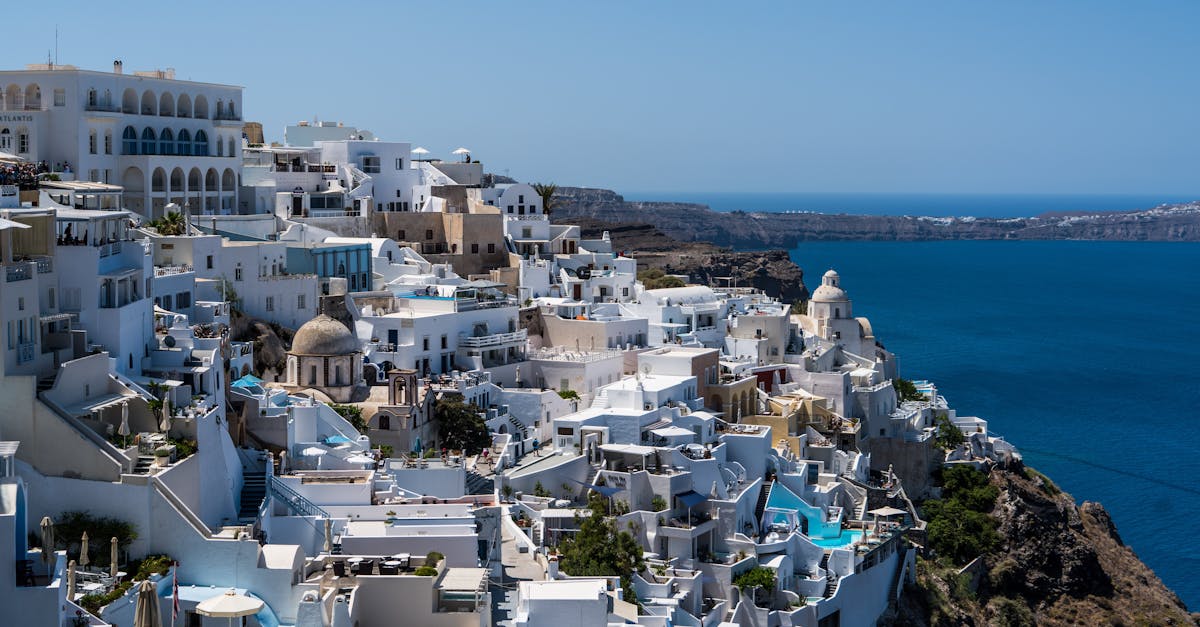
Photo by Pixabay on Pexels Why Visit Santorini? # Santorini, the jewel of the Cyclades, is renowned for its stunning sunsets, dramatic cliffs, and iconic white-washed buildings adorned with vibrant blue domes. This Greek island is more than just a picturesque postcard; it’s a destination steeped in history and culture, offering travelers an unforgettable experience. The breathtaking views of the caldera, coupled with the rich volcanic soil that produces some of Greece’s finest wines, make Santorini a unique blend of natural beauty and human ingenuity.
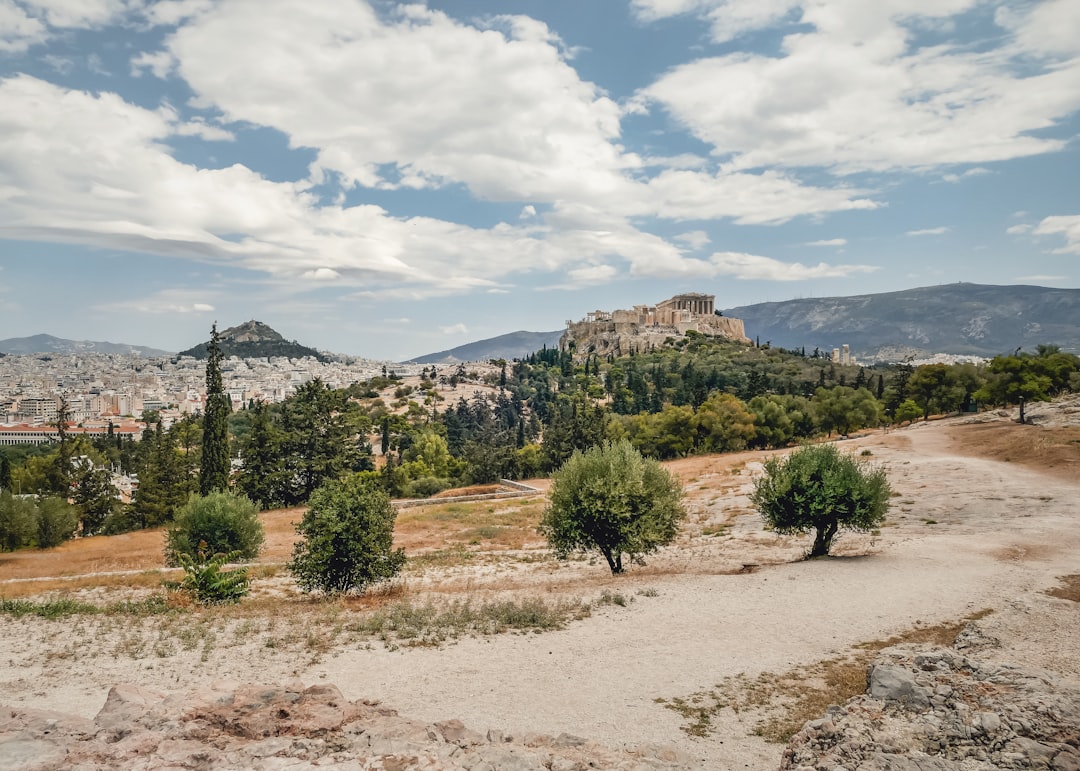
Why Visit Athens ? # Athens, the cradle of Western civilization, offers an unparalleled blend of ancient history and vibrant modern culture. As the birthplace of democracy, philosophy, and theater, this city is steeped in significance and charm. From the iconic Acropolis to the bustling streets of Plaka, Athens invites visitors to explore its rich heritage while indulging in contemporary life, making it a must-visit destination for any traveler seeking to understand the roots of Western culture.