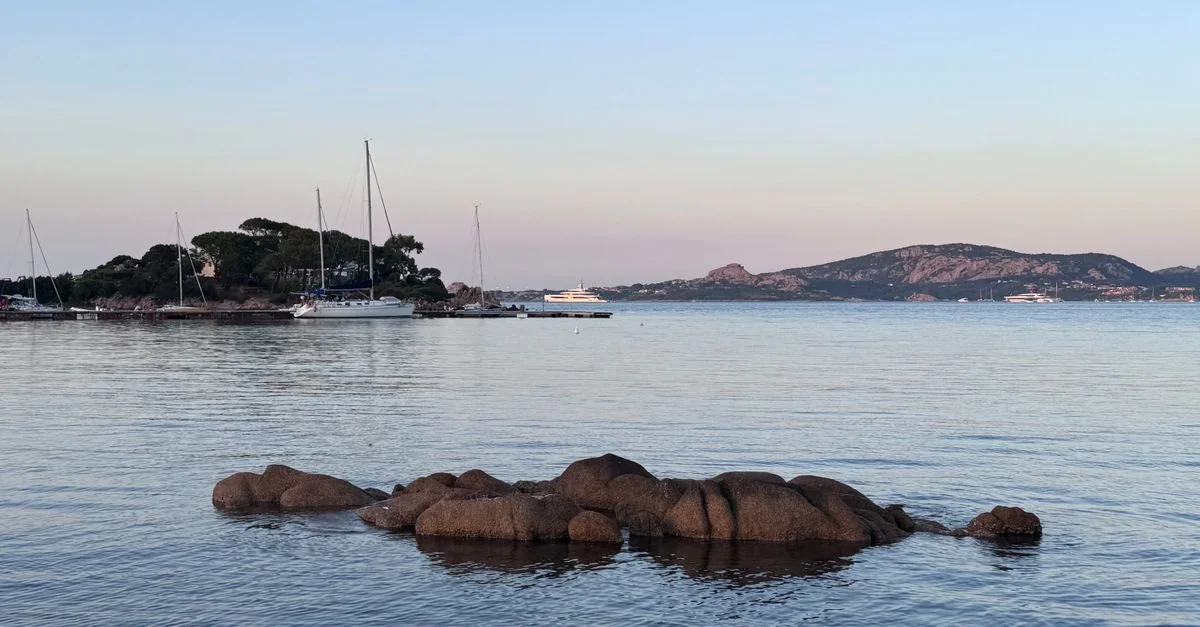
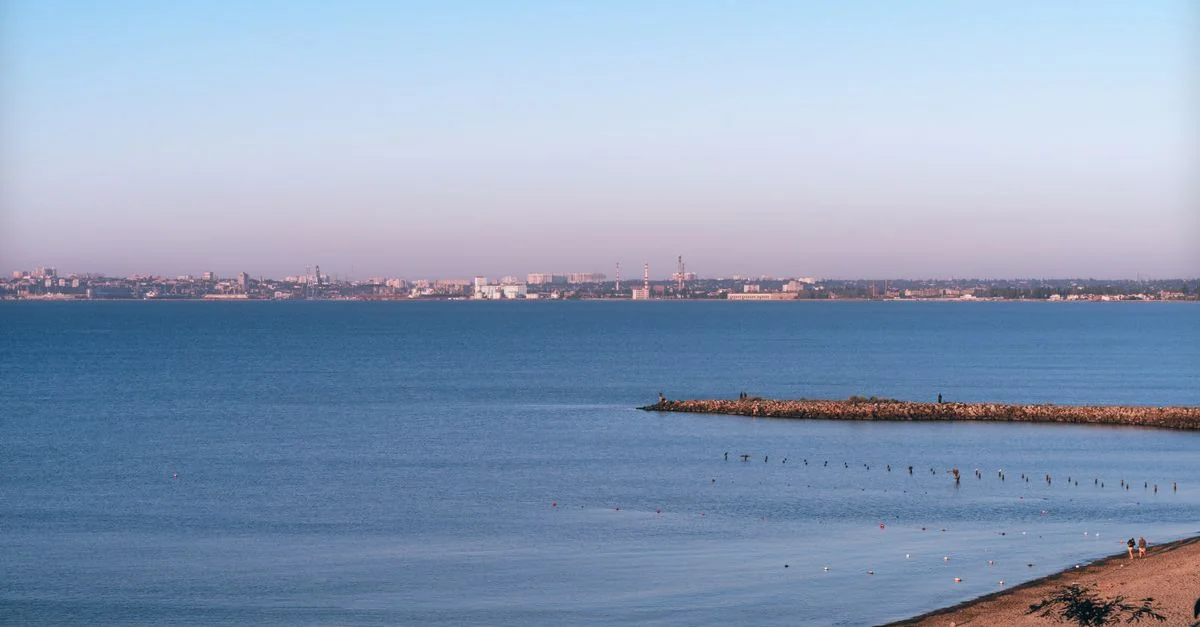
Why Visit Olbia? # The scent of salt air mingles with the sharp, sweet aroma of roasting coffee beans as the morning ferry pulls into the harbor. Olbia serves as the primary gateway to the Costa Smeralda, yet it possesses a grounded, authentic character that often escapes the glitz of its northern neighbors. While many travelers use the city strictly as a transit point, those who linger find a city defined by its deep connection to the Tyrrhenian Sea and a pace of life that prioritizes long afternoons over rigid itineraries. It is a place where ancient stone ruins sit quietly within modern residential blocks, and the evening ritual of the passeggiata—the slow, purposeful evening stroll—remains a central pillar of daily life.
Why Visit Cagliari? # The smell of salt spray mixes with the scent of roasted coffee beans whenever the morning breeze blows in from the Gulf of Angels. Sardinian capital Cagliari sits stacked against a dramatic limestone hill, offering American travelers a slice of the Mediterranean that feels distinct from the usual tourist corridors of the Italian mainland. Ancient ramparts, pink flamingos resting in nearby wetlands, and long stretches of white sand define a landscape where urban energy meets island wilderness.
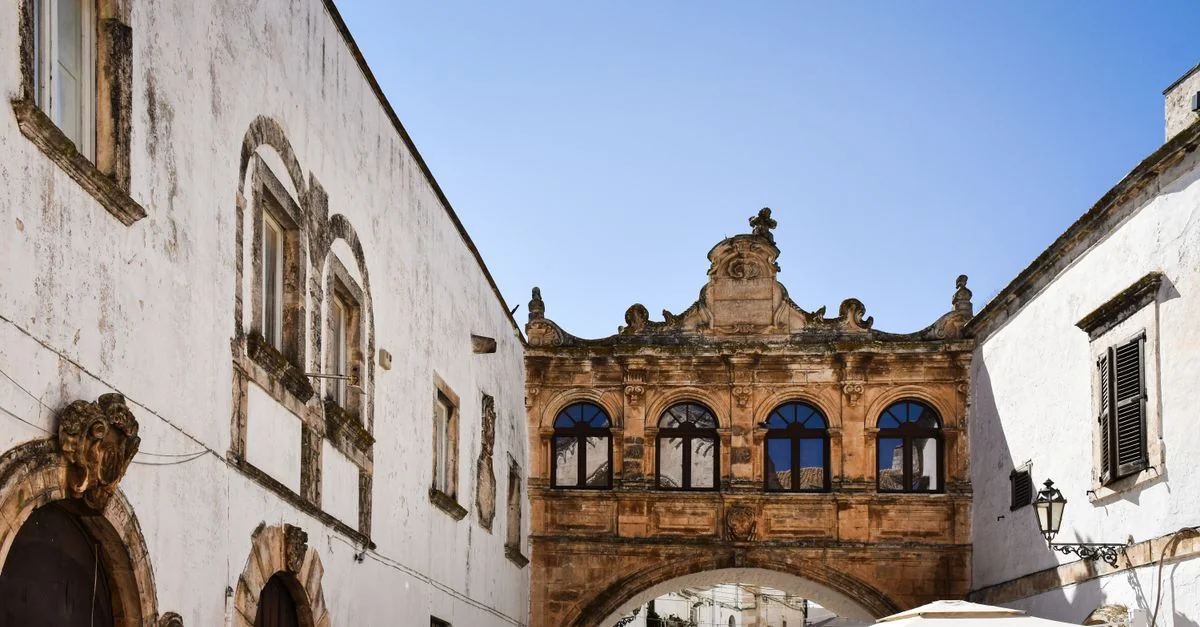
Why Visit Brindisi? # The scent of salt spray hits you the moment you step off the train, carried by a breeze that has traveled across the Adriatic Sea to settle against the limestone walls of the port. Brindisi serves as the quiet, sturdy gateway to the Salento peninsula, a city that does not clamor for your attention with manicured tourist traps but instead offers a grounded look at daily life in Puglia. It is a place of ancient maritime history, where the Roman Appian Way famously ends at the water’s edge, marked by towering columns that have watched ships come and go for two millennia.
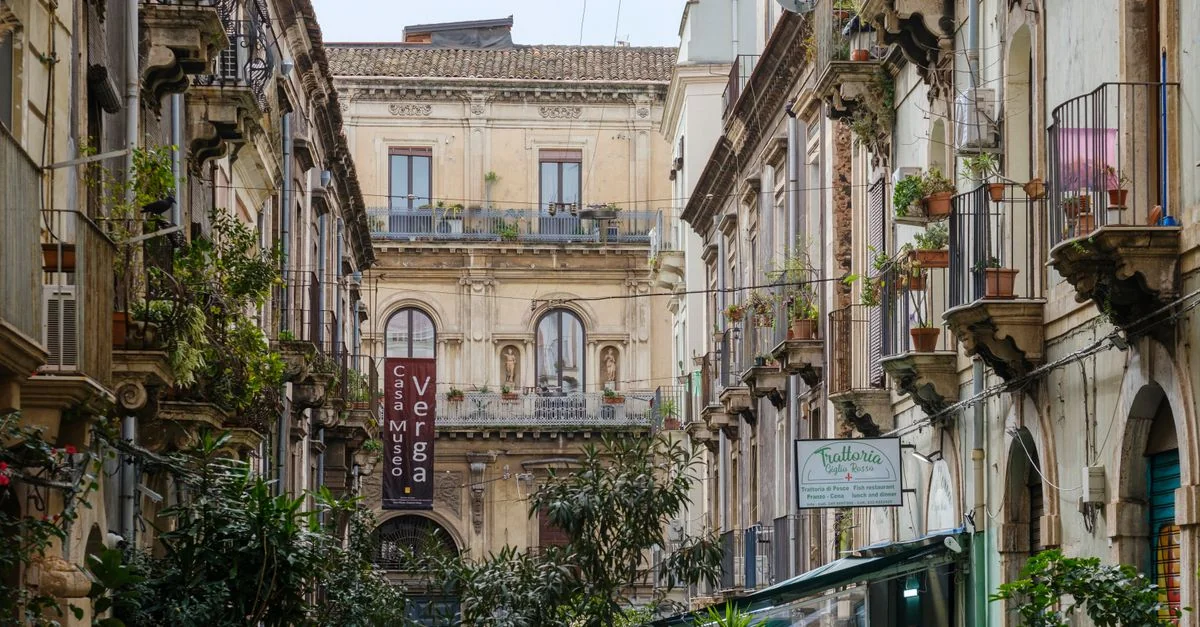
Why Visit Bari? # The morning air in the old town carries the sharp, comforting scent of burning olive wood and flour dusting damp stone tables. Women sit outside their doorways in the narrow alleys of Bari Vecchia, hands moving with practiced speed to shape mounds of durum wheat dough into small, ear-shaped pasta known as orecchiette. This coastal city on the heel of Italy ’s boot offers a genuine slice of southern Mediterranean life that remains largely untouched by the mass tourism swamp consuming Venice or Florence . Here, daily routines play out in public squares, laundry drapes lazily between second-story balconies, and the Adriatic Sea laps against seawalls where fishermen haul in their morning catches.
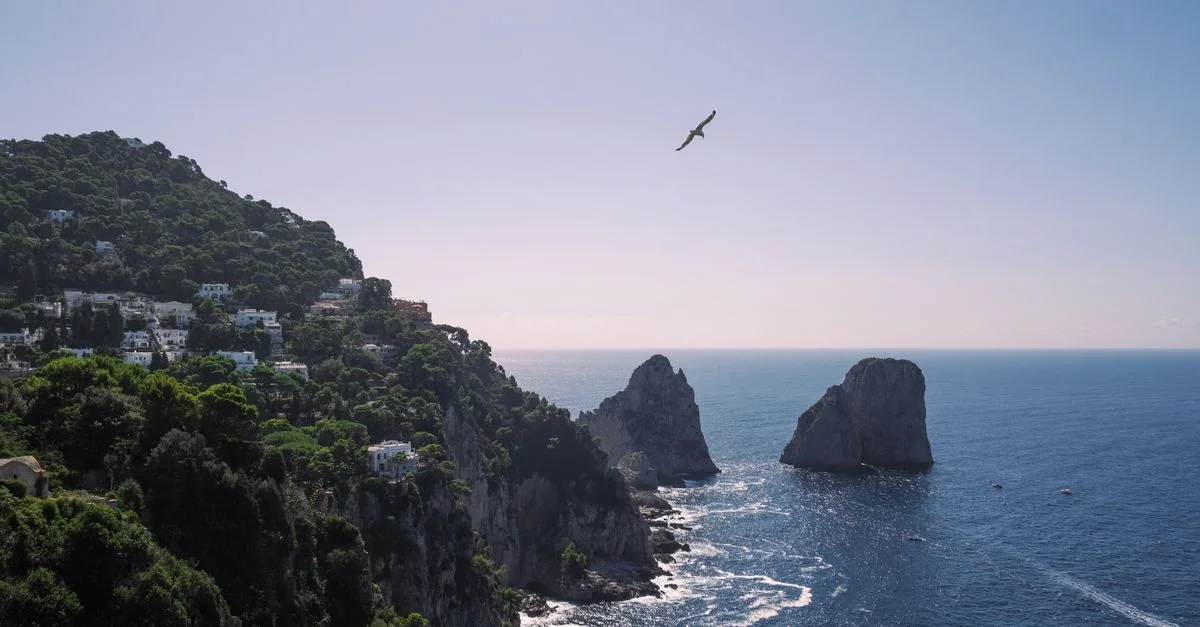
Why Visit Capri? # The sharp scent of salt spray and crushed lemon leaves hits you the moment the ferry cuts its engine against the concrete docks of Marina Grande . For generations, travelers have crossed the Bay of Naples to reach this sheer limestone cliffside rising steeply from the Tyrrhenian Sea. The island operates on a vertical scale, where funiculars carry visitors up the slope to cliff-edge piazzas and winding footpaths lead past terraced lemon groves down to deep blue coves. It is a place where dramatic topography meets the quiet rhythm of Mediterranean life, making it a distinct contrast to the mainland cities of Naples and Sorrento .
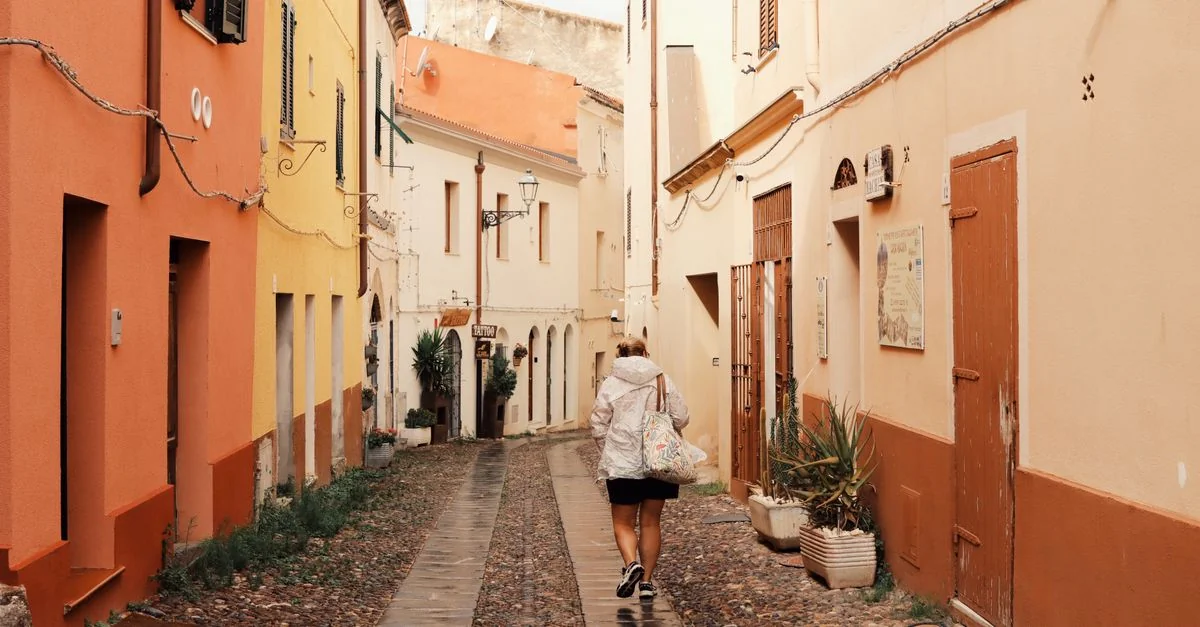
Why Visit Alghero? # The scent of salt air mingles with the faint, sweet perfume of blooming oleander as you walk along the sea walls. Alghero sits on the northwest coast of Sardinia , offering a unique perspective on Italian life that feels distinct from the mainland. Because of its history as a Catalan colony, the town retains a distinct linguistic and architectural flavor, with street signs often appearing in both Italian and Catalan. It is a place where the pace of life slows down significantly, encouraging long afternoons spent watching the sun dip into the Mediterranean.
Why Visit Ibiza? # The scent of dry pine needles baking in the Mediterranean sun hangs heavy in the air, punctuated by the faint, rhythmic thrum of distant bass drifting across the limestone cliffs. Ibiza occupies a unique position in the consciousness of the modern traveler, serving as both a sanctuary for those seeking quiet coves and a global epicenter for electronic music. While the island is frequently categorized by its nighttime reputation, the reality is a landscape defined by craggy coastlines, ancient stone farmhouses, and a pace of life that respects the siesta as much as the sunrise.
Why Visit Menorca? # The scent of wild rosemary clings to the warm Mediterranean breeze as you step onto the limestone cliffs overlooking the sea. Unlike its louder neighbors in the Balearic archipelago, Menorca operates on a slower frequency. It is an island defined by its preserved landscape, where strict zoning laws have prevented the high-rise sprawl found elsewhere in Spain . For travelers seeking a balance between accessibility and tranquility, this island offers a landscape of rolling hills, ancient stone walls, and quiet coves that feel remarkably untouched by the frantic pace of modern tourism.
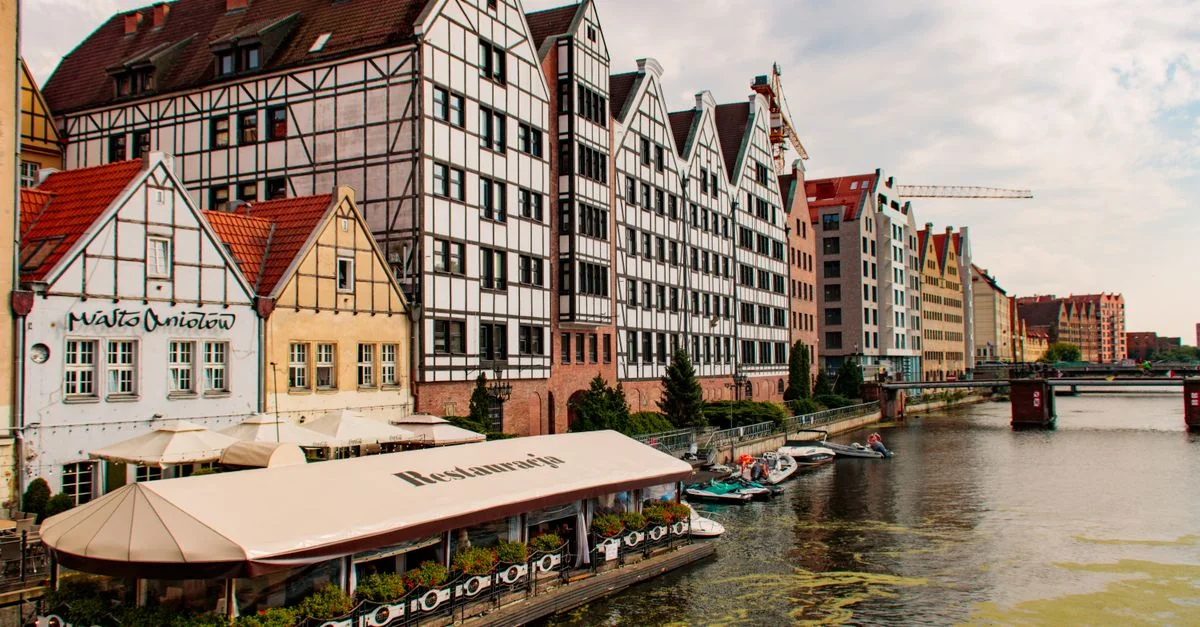
Why Visit Gdansk? # The scent of salted amber, damp cobblestones, and roasting kielbasa hangs heavy in the sea air as waves lap against the medieval wooden crane standing sentinel over the Motlawa River. For American travelers accustomed to the dizzying pace and towering skyscrapers of western European capitals, Gdansk offers a refreshing shift in scale and perspective. This Baltic port city carries a complex past, having rebuilt itself from the ashes of the Second World War into a masterpiece of Hanseatic architecture. Gable-roofed merchant houses in shades of marigold, teal, and rose line the pedestrian thoroughfares, creating a visual rhythm that feels lifted straight from a Dutch master painting.
Why Visit Odessa? # The sharp, salty tang of the Black Sea air greets you the moment you step off the train, carrying with it the faint scent of roasting coffee and damp limestone. Odessa occupies a singular space in the consciousness of Eastern Europe , functioning as a Mediterranean-style port city transplanted onto the northern shores of the Black Sea. It is a place defined by its architecture, which mirrors the grandiosity of Paris or Vienna , yet maintains a rebellious, irreverent spirit that is distinctly its own. The city was built on the back of trade, and that history shows in the eclectic mix of Italian, French, and Russian influences that linger in its wide, tree-lined boulevards and ornate courtyards.