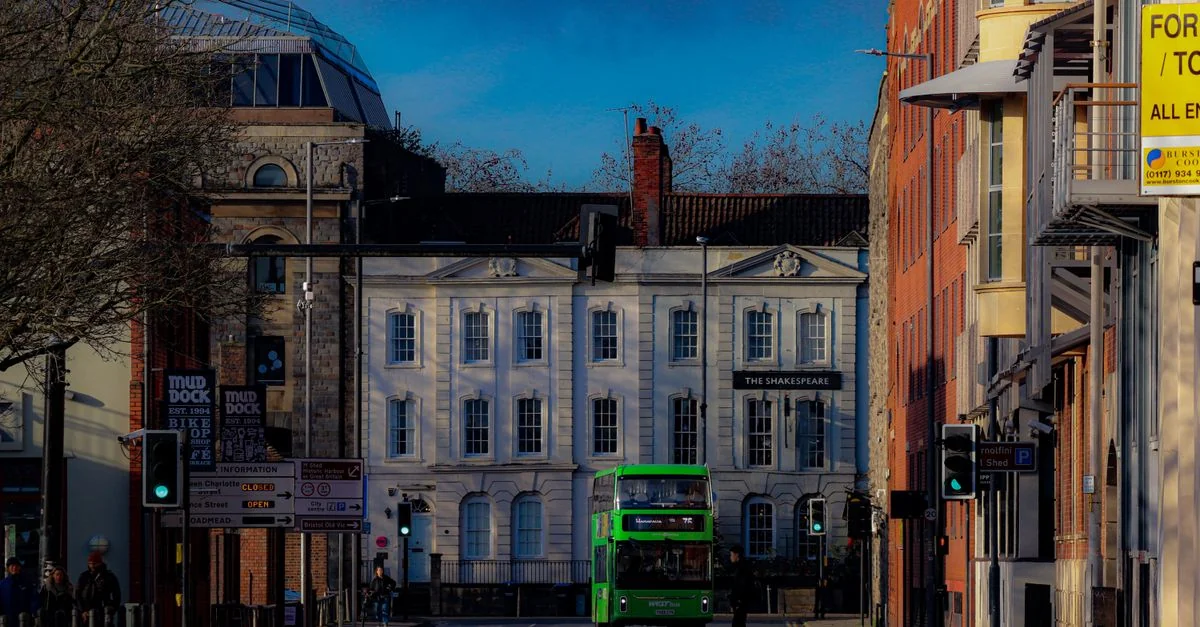
Why Visit Bristol? # The scent of salt, roasted coffee beans, and old brick hangs heavy over the water as the morning tide pushes up the Avon Gorge. Gulls wheel past pastel-colored Georgian townhouses that cling precariously to steep hillsides, setting a scene that feels entirely distinct from the traditional British postcard. This maritime city in England’s southwest delivers a rare mix of rugged industrial history and cutting-edge contemporary culture. It is a place where medieval stone walls sit directly opposite massive street murals painted by international artists, creating an aesthetic that rewards aimless wandering and spontaneous detours.
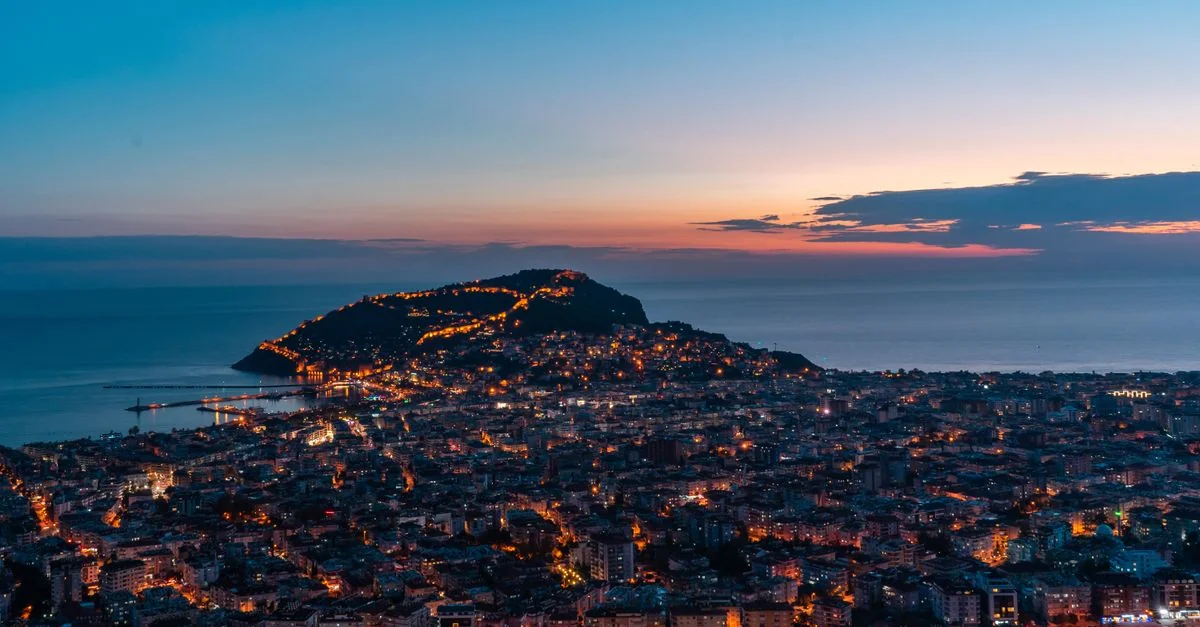
Why Visit Alanya? # The scent of salt, woodsmoke, and roasting hazelnuts drifts from a harbor-side cart where a vendor turns golden cones of corn over hot coals. Alanya sits on Turkey ’s southern Mediterranean coast, projecting a rocky promontory into the blue sea beneath the towering peaks of the Taurus Mountains. For American travelers looking beyond the typical European capitals, this Turkish resort city delivers a blend of ancient history and relaxed beach culture without the overwhelming scale of Istanbul or the stiff formality of other Mediterranean coastlines.
Why Visit Varna? # The scent of salt spray and sulfurous mineral water drifts up from the sea baths, mingling with the scent of roasted corn on the cob sold from sidewalk carts. Varna offers American travelers a compelling alternative to Western Europe ’s more heavily touristed coastal cities, balancing the infrastructure of a modern seaside resort with layers of ancient history. Situated on Bulgaria ’s Black Sea coast, this city functions as both a major port and a relaxed beach destination where Roman ruins sit casually beside breezy pedestrian promenades.
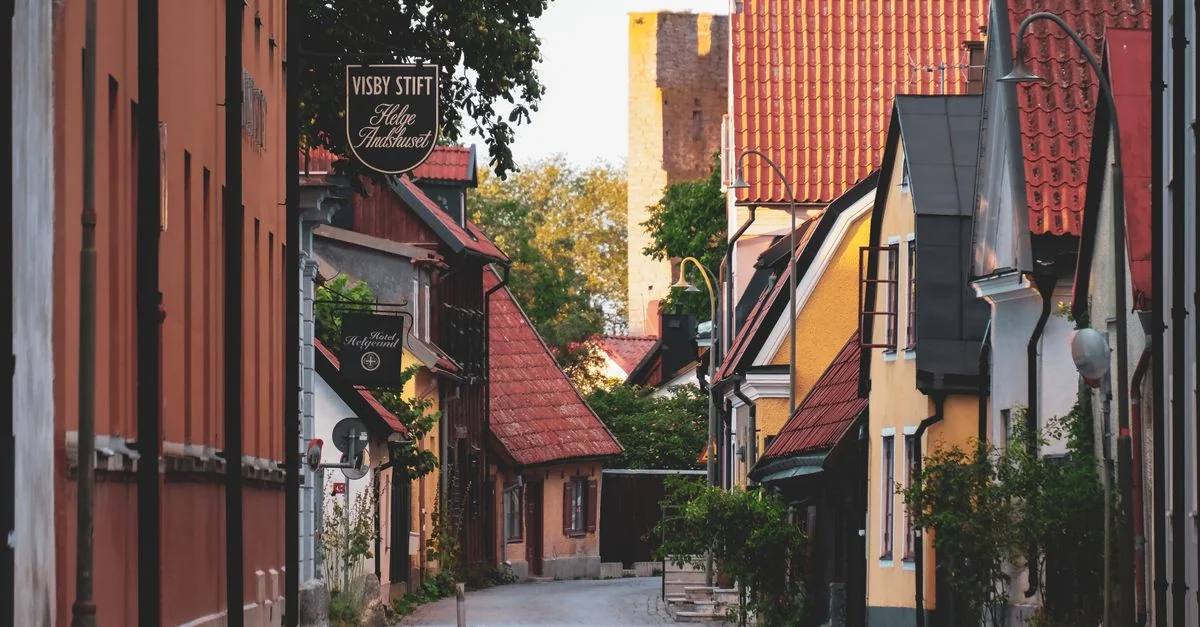
Why Visit Visby? # The scent of salt air mingles with the faint, earthy aroma of ancient limestone as you walk along the medieval fortifications that ring the town. Visby, located on the Swedish island of Gotland, feels like a page torn from a storybook, yet it remains firmly rooted in the practical reality of island life. Unlike the polished, modern aesthetic found in Stockholm , this town offers a tangible connection to the Middle Ages, with its winding cobblestone alleys and the skeletal remains of stone churches standing as silent sentinels against the Baltic Sea. It is a place where history is not tucked away in a glass case but is instead the foundation of daily life.
Why Visit Gothenburg? # The sharp tang of salt spray and the heavy scent of roasted cardamom rolls drift across the cobblestones of Sweden ’s second-largest city. Gothenburg balances the scale of a major European destination with the approachable pace of a seaside town, offering American travelers an alternative to the capital’s heavy foot traffic. Canals cut through the downtown grid, reflecting 17th-century fortifications and modern glass architecture in the same glassy water.
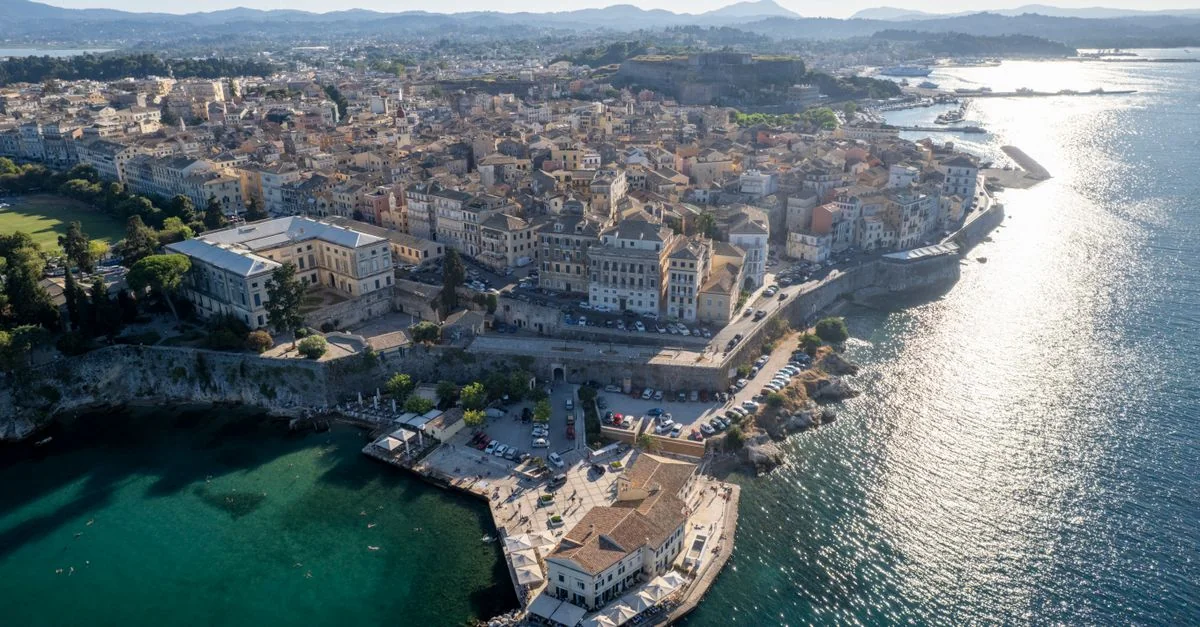
Why Visit Corfu? # The scent of salt, damp stone, and baking sesame bread hangs heavy in the morning air as church bells ring out across the terracotta rooftops. Corfu sits at the northern tip of the Ionian Sea, geographically closer to Italy than to the Greek mainland, and that Venetian legacy shapes every corner of the island. You will notice it immediately in the tall, pastel-colored shuttered buildings of the main town and the Italianate dialects drifting from corner cafes. For American travelers accustomed to the whitewashed cubic architecture of the Cyclades , Corfu offers a startlingly different Greek landscape defined by rolling cypress hills, jagged limestone cliffs, and dense olive groves that stretch down to the turquoise water.
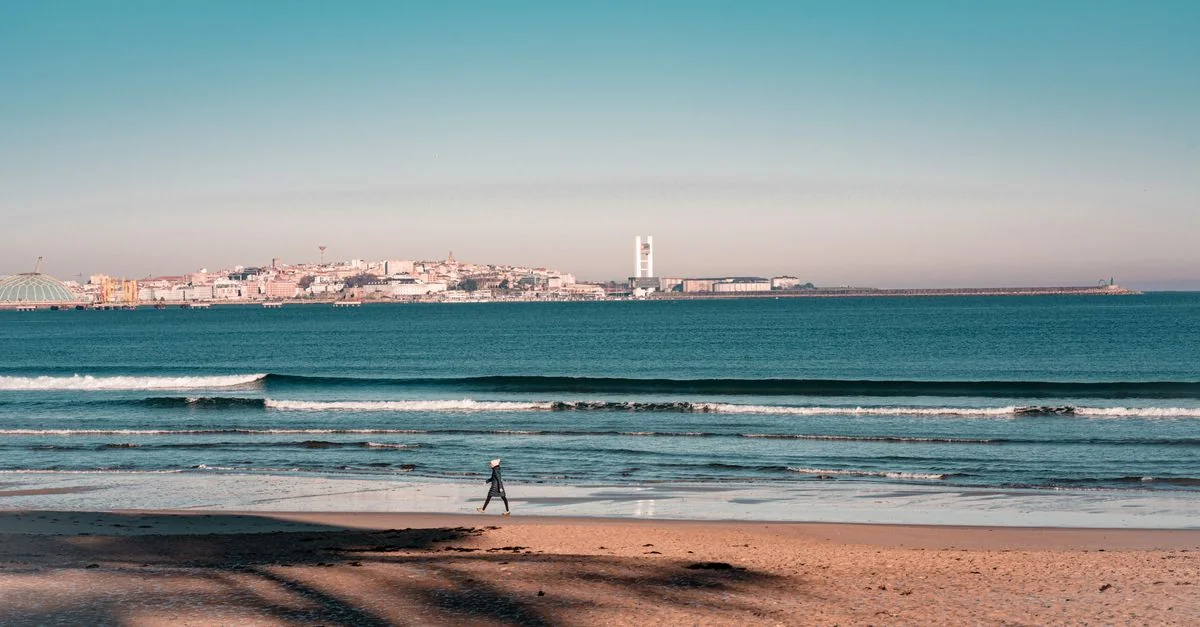
Why Visit Gijon # The sharp, salty tang of sea spray drifts off the Bay of Biscay, mixing with the earthy, fermented aroma of pouring cider in neighborhood taverns. This coastal city in northern Spain offers American travelers a chance to experience a deeply authentic slice of Iberian life that remains largely untouched by mass tourism. While travelers often flock to the sun-baked beaches of the south or the architectural wonders of Barcelona , this Asturian port city rewards those who venture north with a seamless blend of wild maritime beauty and industrial heritage.
Why Visit Volos? # The scent of grilled octopus and briny sea air hangs heavy over the waterfront promenade as the sun dips behind the towering silhouette of Mount Pelion. Volos serves as the definitive gateway between the rugged, forested slopes of mythic mountains and the gentle, turquoise expanse of the Pagasetic Gulf. Unlike the islands that draw massive international crowds, this port city maintains a grounded, working-class energy that feels authentically Greek. It is a place where locals spend their afternoons sipping coffee while watching ferries depart for the Sporades, offering a rare look at a coastal city that functions for its residents rather than solely for tourists.
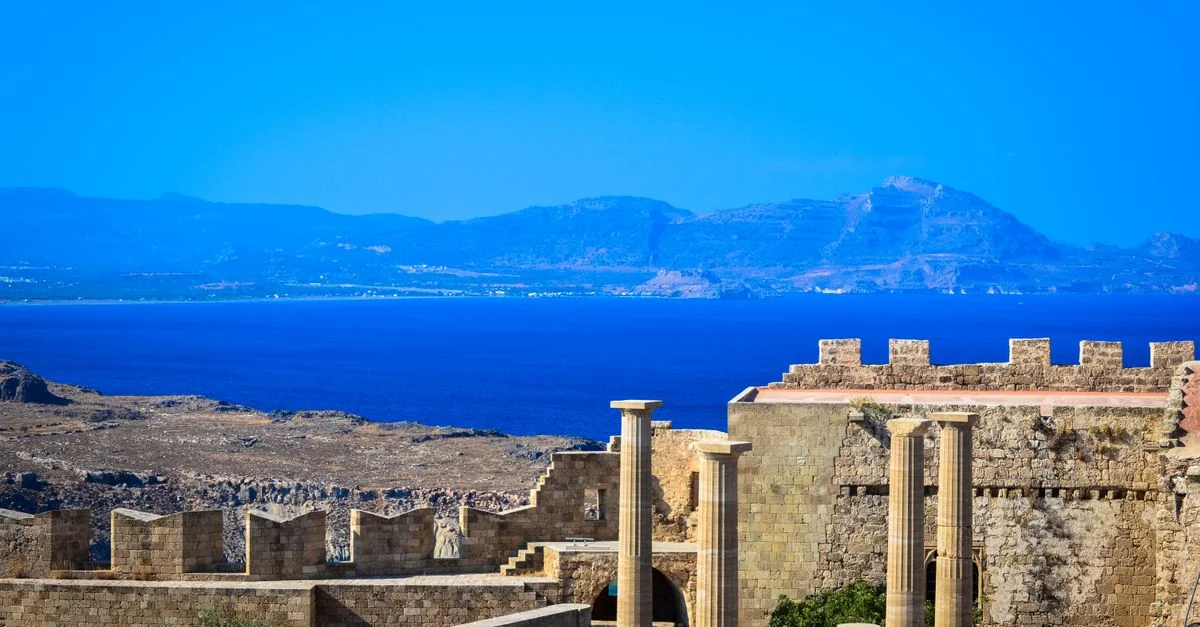
Why Visit Rhodes? # The sharp scent of wild oregano bakes on the sun-bleached hillsides of Rhodes, mixing with the sharp, salty tang of the Aegean Sea long before you ever sight the water. This largest of the Dodecanese islands occupies a distinct geographic position in the southeastern corner of Greece , sitting closer to the coast of Turkey than to the mainland of Athens. That crossroads location defines the physical landscape, where medieval stone fortifications built by crusader knights meet the whitewashed architecture and blue-domed churches typical of the Aegean.
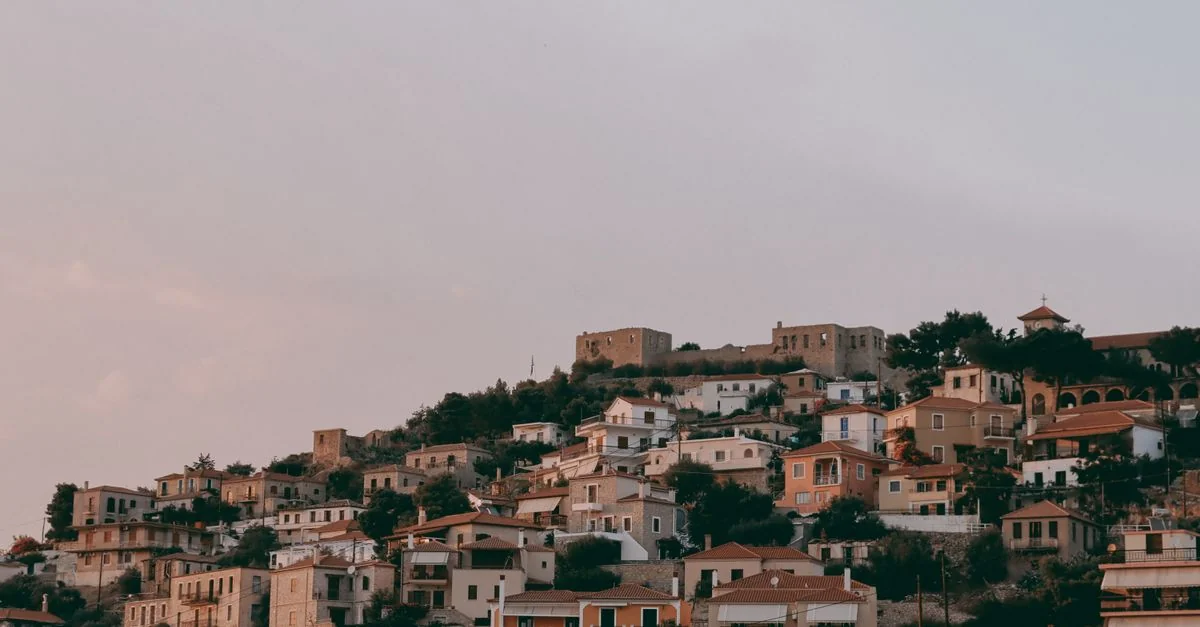
Why Visit Pylos? # The sharp scent of wild oregano drifts down from the dusty hillsides, mixing with the sharp, salty tang of the Ionian Sea as fishing boats gently knock against the wooden docks in the harbor. Pylos sits gracefully in the southwestern corner of the Peloponnese, wrapped around the wide, protected crescent of Navarino Bay. For American travelers weary of the overcrowded, heavily commercialized islands of the Aegean, this Peloponnesian port offers a slower, deeply traditional rhythm of Greek life. It is a place where older men still debate politics over thick Greek coffee in the central square beneath the heavy shade of ancient plane trees, entirely unbothered by the passing of time.