Why Visit Lome? # The moment you step off the plane in Lome , you’re greeted by the warm, tropical breeze carrying the scent of fresh coconut and the distant hum of market vendors. This busy coastal city, nestled between the Gulf of Guinea and the Atlantic Ocean, is a lively blend of Togolese culture, history, and modern life. Lome is the political and economic heart of Togo , and it’s here that you’ll find a mix of traditional markets, colonial-era buildings, and contemporary shopping malls. The city’s strategic location makes it a hub for trade, with goods from across the continent converging here. Whether you’re interested in exploring historic sites, indulging in local cuisine, or simply soaking in the lively atmosphere, Lome offers a unique and enriching experience.
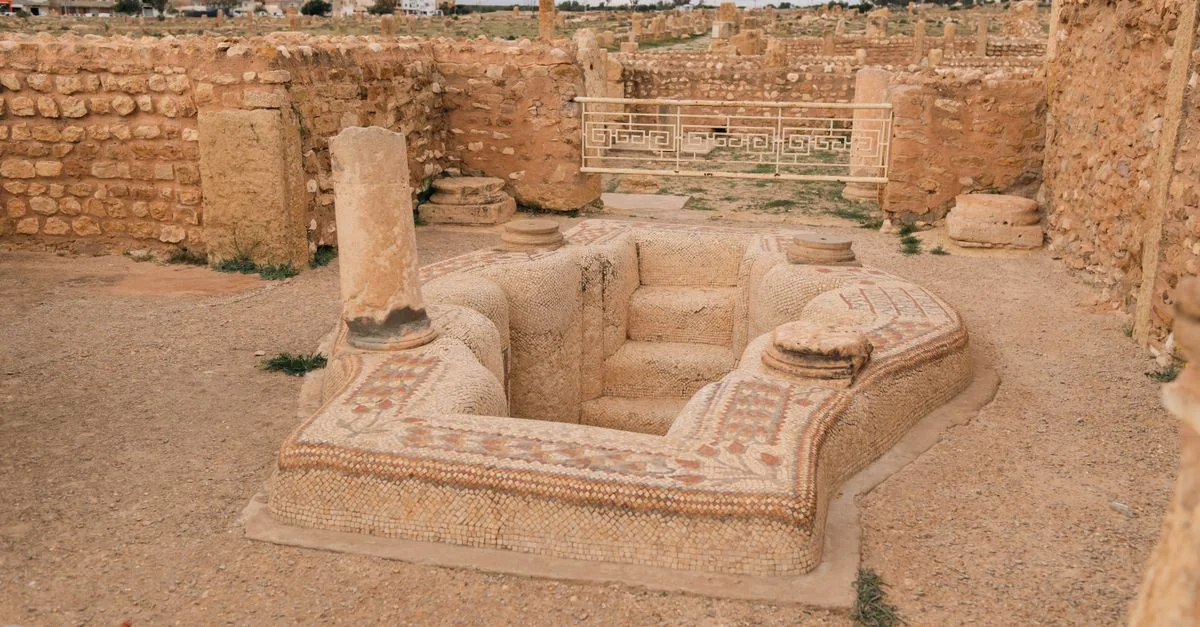
Why Visit Gabes? # Gabes, a city on the southeastern coast of Tunisia , is a destination that promises a blend of history, culture, and natural beauty. The air is warm and salty, carrying the scent of the Mediterranean Sea, while the city’s historic center is a labyrinth of whitewashed buildings and narrow alleys, each whispering tales of a rich past. Gabes is a city that has seen the rise and fall of civilizations, and its ancient ruins and well-preserved architecture offer a glimpse into this fascinating history. The city’s strategic location has made it a crossroads of cultures, and this is reflected in its cuisine, which is a delightful mix of North African, Italian, and Mediterranean flavors. Whether you’re a history buff, a foodie, or simply someone looking to experience a different way of life, Gabes has something to offer.
Why Visit Guernsey? # The salty tang of Atlantic brine mixes with the rich scent of churned butter the moment you step off the ferry onto the granite docks of St. Peter Port. Located closer to the coast of Normandy than to mainland Britain, Guernsey operates under its own laws, prints its own currency, and retains a distinct personality shaped by centuries of seafaring and isolation. For American travelers looking to step outside the standard European capital circuit, this island offers a slower, more deliberate pace where medieval castle walls share space with dramatic cliff paths and quiet country lanes known locally as ruettes tranquilles.
Why Visit Kingstown # The smell of roasted breadfruit and salt air drifts across the busy harbor long before the morning ferry docks against the concrete pier. As the capital of St. Vincent and the Grenadines, this Caribbean port operates entirely outside the mass-tourism bubble that defines so many neighboring islands. Visitors stepping onto the streets encounter a genuine working Caribbean city where local commerce, colonial history, and steep volcanic topography collide in daily life.
Why Visit Kralendijk? # The scent of salt spray hits you the moment you step off the plane, carrying the dry, warm promise of a desert island surrounded by a protected marine park. Kralendijk, the main town on the island of Bonaire , feels less like a typical Caribbean resort town and more like a quiet, sun-bleached outpost where the pace is dictated by the tide rather than a clock. It is a place for people who prefer the sound of wind through cactus needles to the hum of a crowded boardwalk.
Why Visit Frederiksted? # The scent of salt spray and aged mahogany drifts from the 18th-century storefronts as the afternoon heat settles over the pavement. On the western tip of St. Croix, Frederiksted offers a quieter, more historical rhythm than its sister towns in the US Virgin Islands. Nicknamed “Freedom City” due to its pivotal role in the 1848 emancipation of enslaved Africans in the Danish West Indies, this town invites American travelers to slow down and connect with the deeper past of the Caribbean .
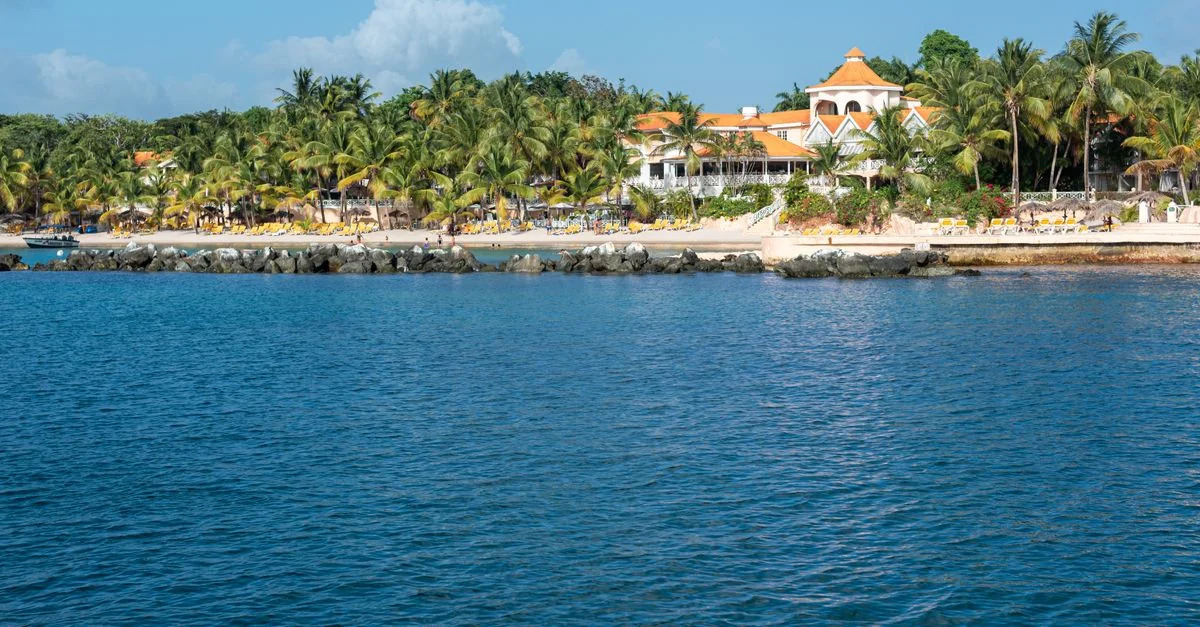
Why Visit Cruz Bay # The sharp scent of salt water and roasting plantains drifts up the ferry ramp the moment the boat cuts its engines against the dock. This arrival point on St. John functions as the main gateway to the Virgin Islands National Park, where over half the island remains protected from development. Paved lanes radiate outward from the water, flanked by pastel wooden storefronts and open-air bars covered in corrugated tin roofs. It feels entirely different from the high-rise sprawl found on neighboring islands, maintaining a low-profile island rhythm that draws travelers seeking simplicity alongside tropical warmth.
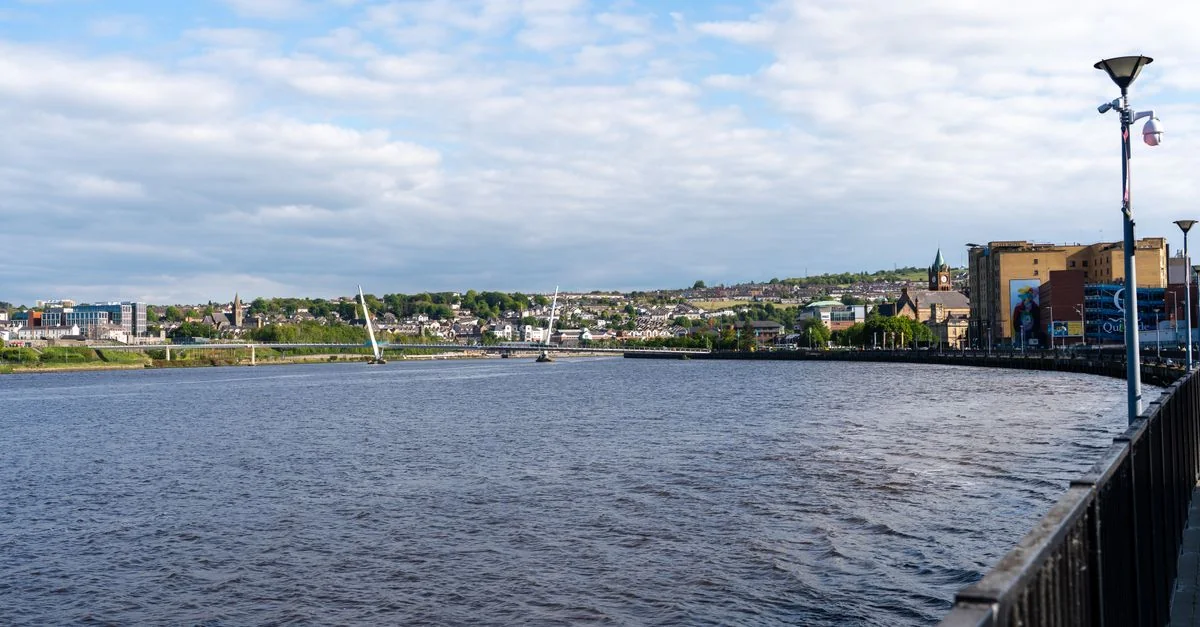
Why Visit Derry-Londonderry? # Rain slicked the ancient blue basalt stones beneath my boots, mirroring the grey evening sky over the River Foyle as the iron gates of the walled city groaned shut for the night. Derry-Londonderry—called simply Derry by most locals and Londonderry by unionists—offers American travelers a rare chance to walk atop defensive fortifications that have stood completely unbroken since the seventeenth century. Stepping through these gates means crossing straight into a living museum where modern street art and medieval architecture share the same damp morning air.
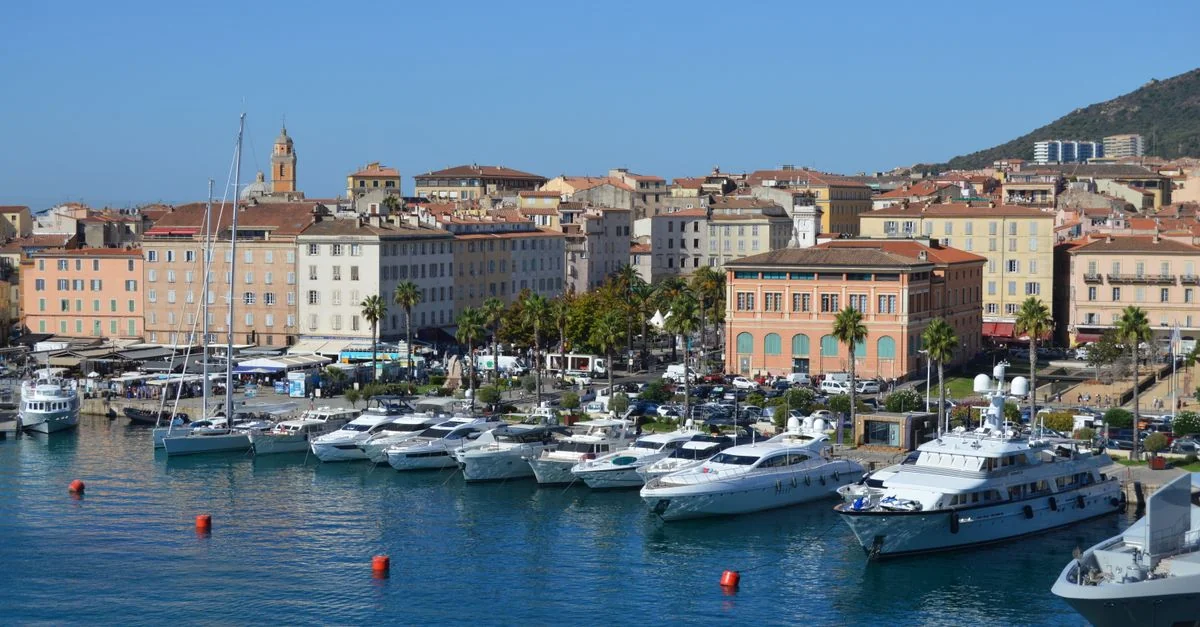
Why Visit Ajaccio? # The scent of salt air mingles with the sharp, earthy aroma of wild rosemary and pine as you step off the ferry into the port of Ajaccio . This is not the manicured, polished version of the French Riviera; it is a rugged, sun-drenched outpost where the mountains of Corsica drop dramatically into the Mediterranean. As the birthplace of Napoleon Bonaparte, the city carries a weight of history that feels grounded and authentic, lacking the performative nature of larger mainland tourist hubs. The pace here is dictated by the sun and the siesta, offering a rare opportunity to slow down and observe a culture that fiercely guards its unique identity.
Why Visit Torshavn? # The scent of salt air mingles with the faint, earthy aroma of drying cod as you step onto the weathered wooden docks of the harbor. Torshavn occupies a unique space in the North Atlantic, serving as the capital of the Faroe Islands while maintaining the quiet, unhurried pace of a small coastal village. Unlike major European capitals, this city feels like a cluster of turf-roofed cottages huddled against the wind, providing a rare look at a society that prioritizes communal connection and a deep respect for the surrounding ocean.