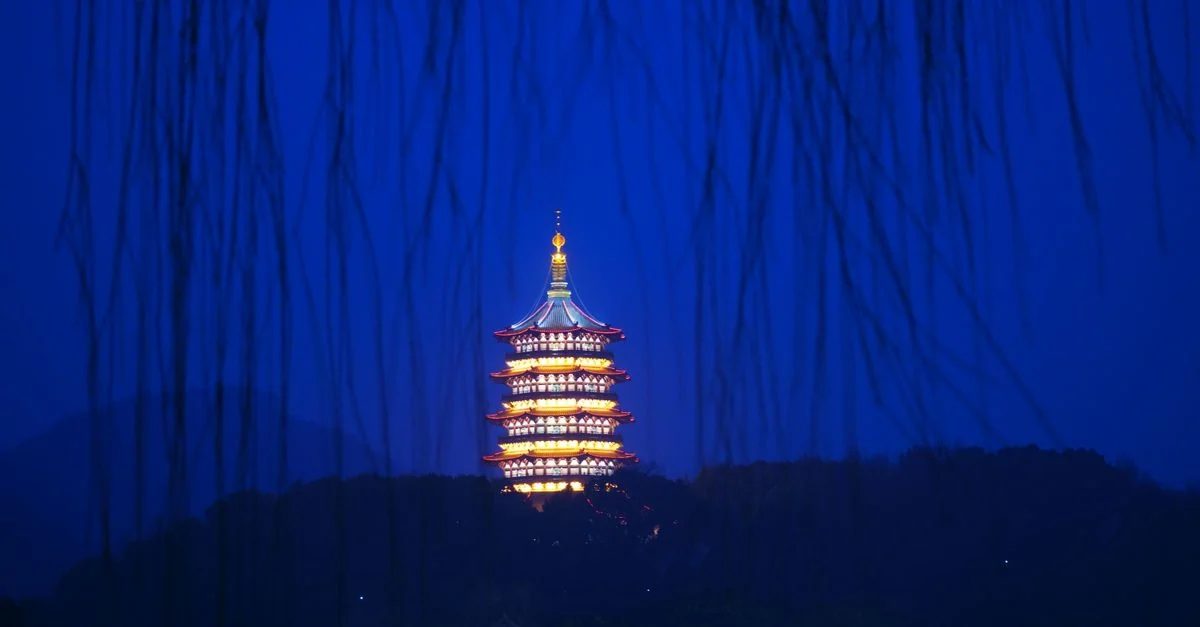
Hangzhou Revealed: Local Secrets, Best Neighborhoods, and lesser-known spots # Why Visit Hangzhou? # The first thing that hits you about Hangzhou is the smell — warm, grassy, and slightly sweet, drifting from tea fields that blanket the hillsides west of the city center. It clings to your clothes on the walk down to West Lake, where willow branches drag their tips across water so still it looks poured glass. This is a city that reveals itself slowly, through quiet moments rather than spectacle, and that is precisely why American travelers who crave depth over noise will find it rewarding.
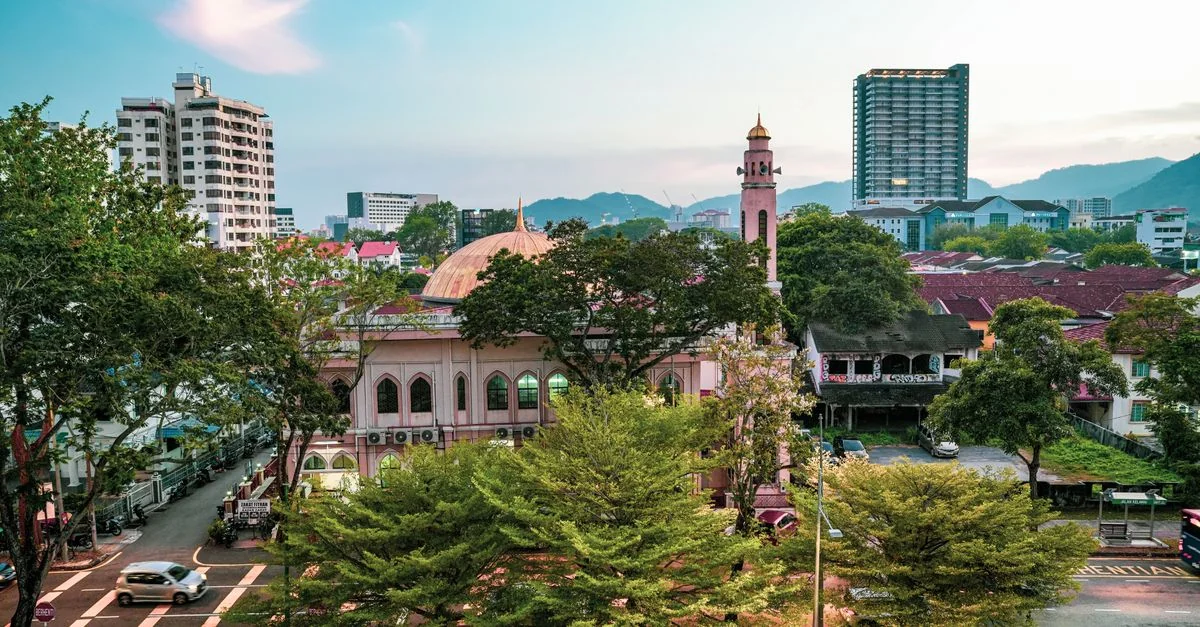
Why Visit Kuching? # The humid air on the riverbank carries the scent of woodsmoke, diesel engines, and boiling laksa paste, signaling your arrival in Borneo’s most relaxed city. Locals sip thick Kopi O at roadside kopitiams while longtail boats putter past concrete jetties, creating small wakes that lap against the concrete promenade. This capital of Sarawak offers a distinct alternative to the hyper-modern skyline of Kuala Lumpur, maintaining a slower pace defined by colonial-era shophouses, morning markets, and immediate access to the rainforest.
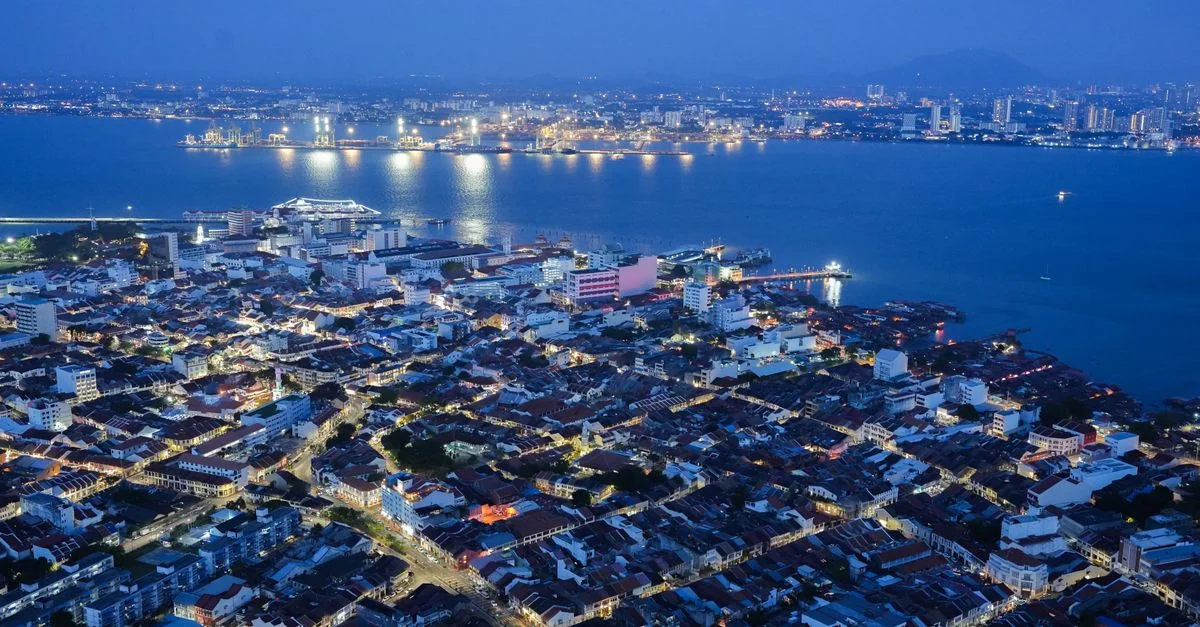
Why Visit Kota Kinabalu? # The sharp tang of grilled squid and diesel exhaust hangs heavy in the humid air as fishing boats idle against the concrete docks, their wooden hulls groaning with the tide. This coastal capital of Sabah, tucked into the northern edge of Borneo, offers American travelers a striking departure from standard Southeast Asian itineraries. Instead of ancient temples or endless mega-cities, visitors encounter a frontier city where modern Malaysian infrastructure collides directly with untamed rainforests and the South China Sea.
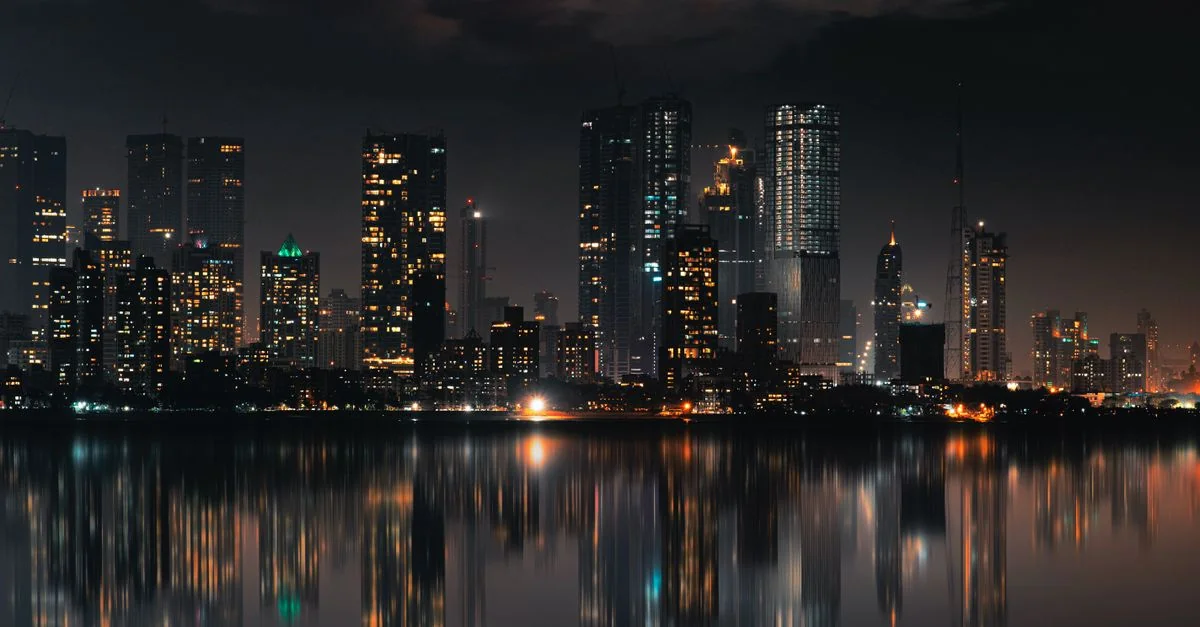
Why Visit Mumbai? # The sharp scent of roasting cumin and caramelized onions drifts from a roadside stall, mingling with the heavy, salt-laden air of the Arabian Sea. Mumbai moves at a relentless, intoxicating pace, defying easy categorization. As India ’s financial and entertainment capital, this coastal megalopolis offers an unfiltered look at modern South Asia , where Victorian Gothic architecture rubs shoulders with sprawling slums and sleek glass skyscrapers. For American travelers accustomed to grid systems and predictable urban planning, Mumbai presents a sensory challenge that rewards patience and curiosity.
Why Visit Kochi? # The scent of salt and charcoal smoke drifts off the Pacific Ocean, mingling with the earthy aroma of green tea fields covering the nearby hillsides. Kochi, situated on the southern coast of Shikoku Island, offers American travelers an authentic slice of Japanese life far removed from the heavily touristed corridors of Tokyo and Kyoto . Life here moves at a gentler pace, anchored by rugged coastlines, swift-flowing rivers, and a fiercely independent local spirit known locally as Kochi-kenmin.
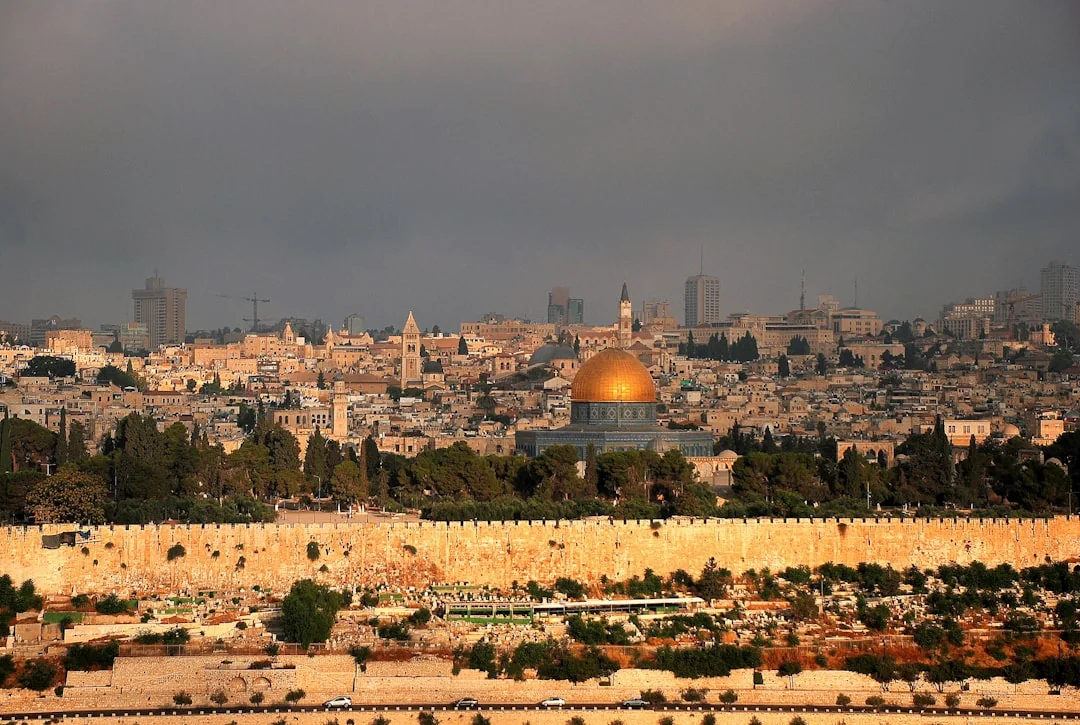
Why Visit Jerusalem? # Limestone dust coats your shoes within minutes of walking through the ancient gates, and the scent of roasting cardamom and frying falafel drifts upward from narrow stone alleyways. Few cities on earth layer millennia of human history quite like this desert capital. Every corner reveals physical evidence of empires that rose, fell, and left their permanent mark on the Judean hills. For American travelers accustomed to modern grid systems and glass skyscrapers, Jerusalem offers a profound shift in perspective where you can touch stones laid down by King Herod or walk beneath medieval crusader arches in the span of a single afternoon.
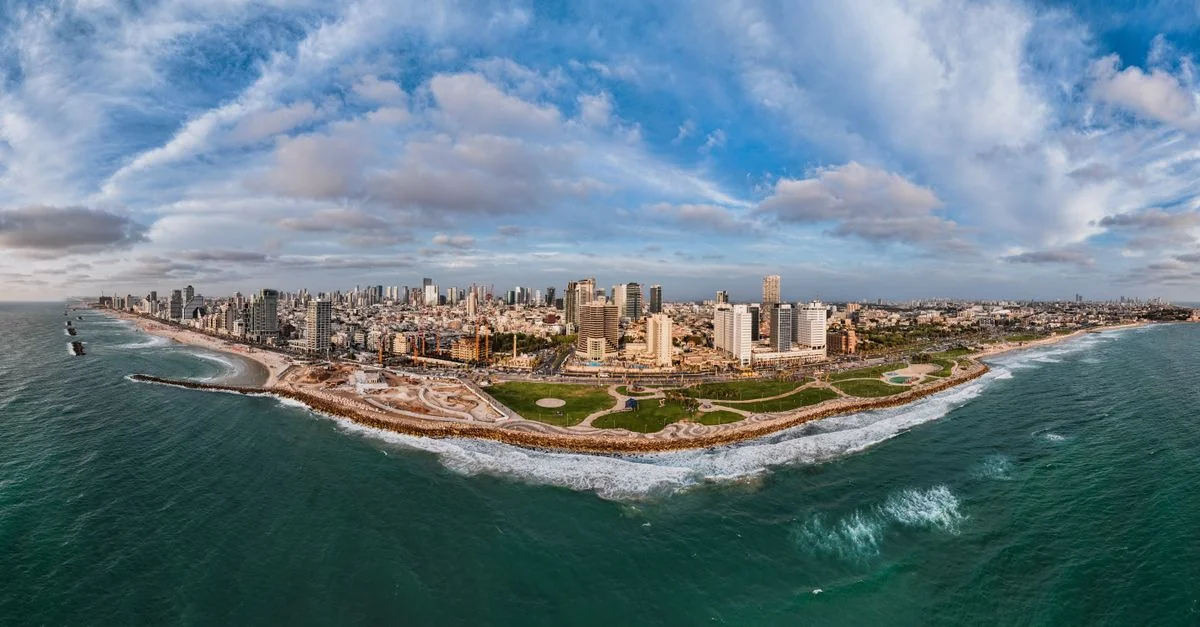
Why Visit Tel Aviv? # The scent of salt spray mixes with roasting cumin and fresh mint every morning along the Mediterranean coast. This city operates on a Mediterranean rhythm that feels entirely distinct from the rest of the Middle East, blending Bauhaus architecture with a relentless beach culture. American travelers often arrive expecting a traditional Middle Eastern city and instead find a progressive metropolis where the beach is the central living room.
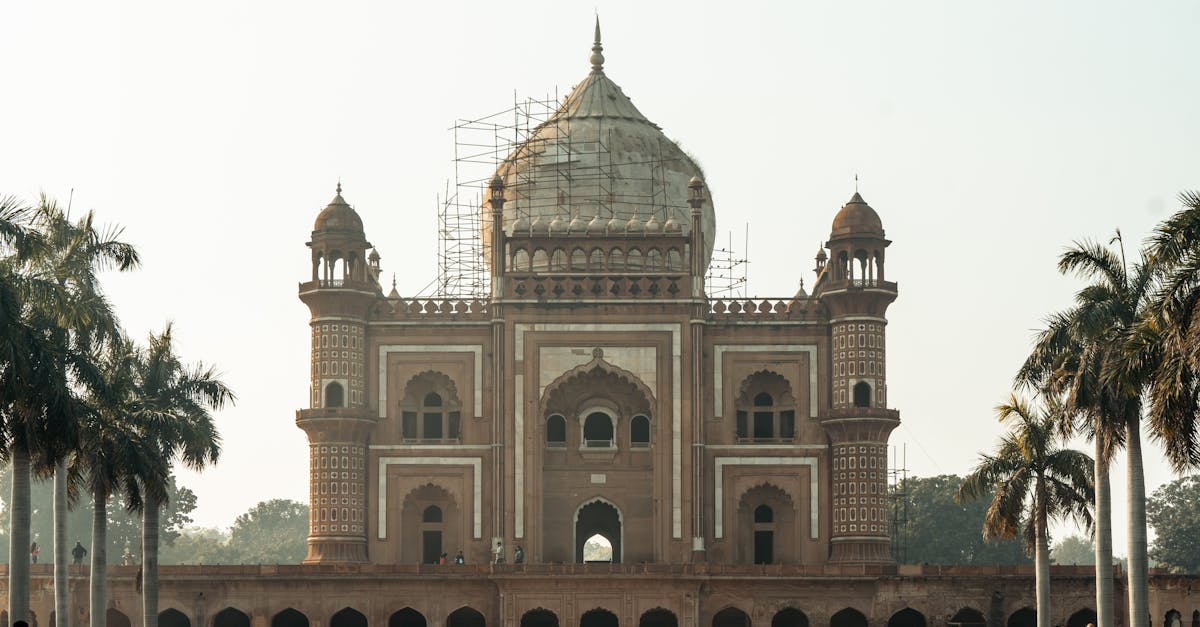
Complete Travel Guide to New Delhi: Top Attractions, Tips & Itinerary # Why Visit New Delhi? # The air hits you first—a thick, warm blanket carrying the scent of roasted cardamom, exhaust fumes, and dust that has settled over centuries. Standing at the edge of the roundabout near Connaught Place, the sensory overload is immediate and intense. This is not a city you visit to relax; it is a city you visit to feel alive. New Delhi serves as the chaotic heart of modern India , a place where the ancient and the futuristic collide in a spectacular display of color and noise. For the American traveler, it offers a departure from the polished predictability of Western cities, replacing it with a raw, unfiltered energy that lingers long after the flight home.
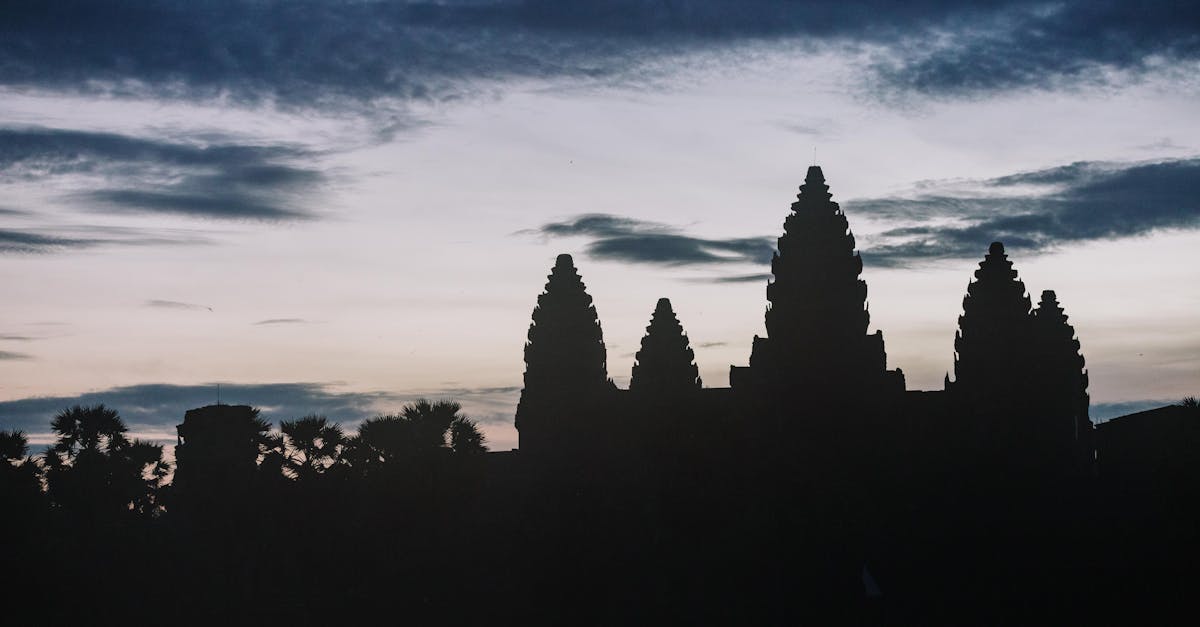
Why Visit Angkor Wat? # As the sun begins to rise over Angkor Wat, golden rays illuminate the intricate carvings that have withstood the test of time, casting ethereal reflections in the surrounding moats. This architectural masterpiece, originally built in the early 12th century as a Hindu temple, has evolved into a symbol of Cambodia ’s identity and resilience. Angkor Wat is not just a monument; it embodies the spirit of a nation, drawing travelers from around the globe to witness its grandeur and significance.
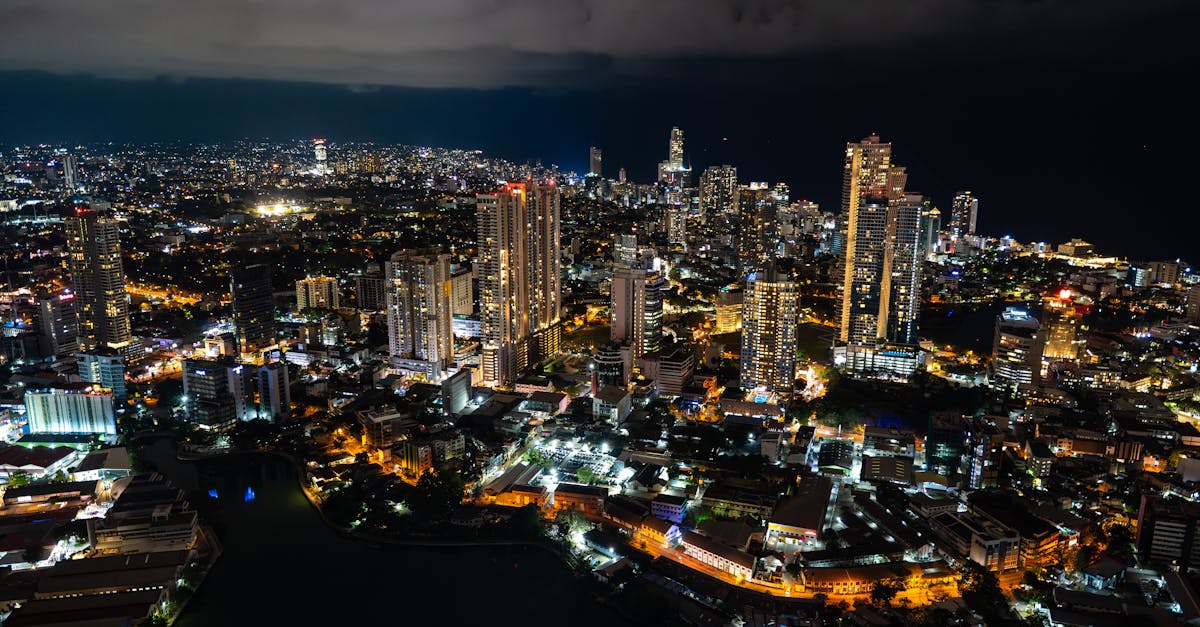
Photo by Thilina Alagiyawanna on Pexels Why Visit Colombo? # Colombo, the vibrant capital of Sri Lanka , is a dazzling blend of modernity and tradition. This bustling metropolis serves as the cultural, commercial, and political heart of the country, offering visitors a unique glimpse into Sri Lankan life. From its lush green parks and colonial architecture to its bustling markets and serene beaches, Colombo is a city that captivates the senses. The warm hospitality of the locals, coupled with the rich history and diverse culture, makes it a must-visit destination for American travelers who crave adventure and exploration.