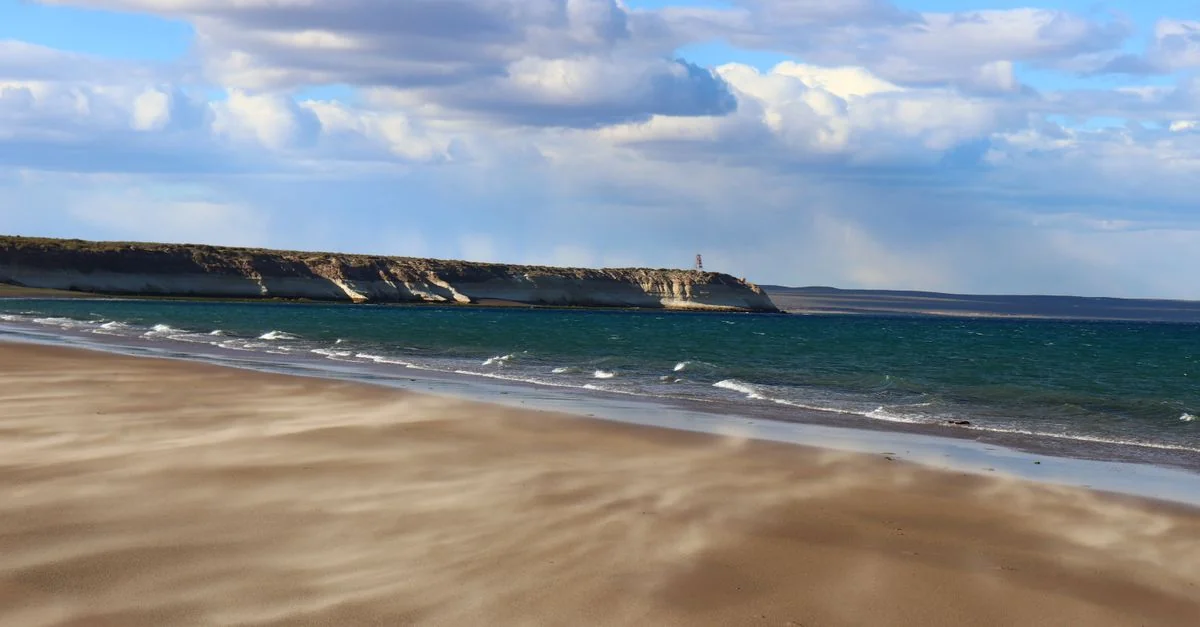
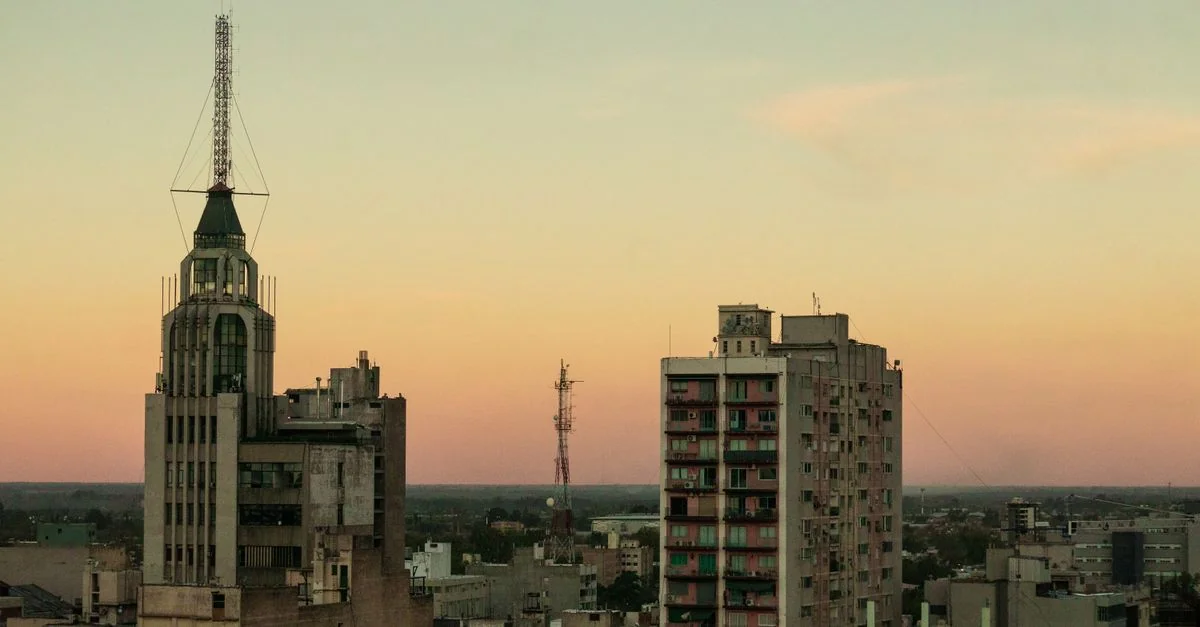
Why Visit Puerto Madryn? # The first thing that hits you is the smell: a mix of cold Atlantic air, salt spray, and the faint, sweet scent of wildflowers blowing in from the surrounding steppe. Puerto Madryn is not a city that tries to impress you with skyscrapers or neon lights. Instead, it offers a raw, unfiltered connection to the Patagonian coast that feels almost otherworldly. Standing on the boardwalk at dawn, watching the sun rise over the grey-blue waters while a colony of Magellanic penguins waddles nearby, you realize this place operates on a different clock. It is slower, wilder, and far more honest than the polished resorts of the Caribbean or Europe . For American travelers tired of crowded tourist traps, this quiet corner of Argentina provides a sense of scale and solitude that is hard to find elsewhere.
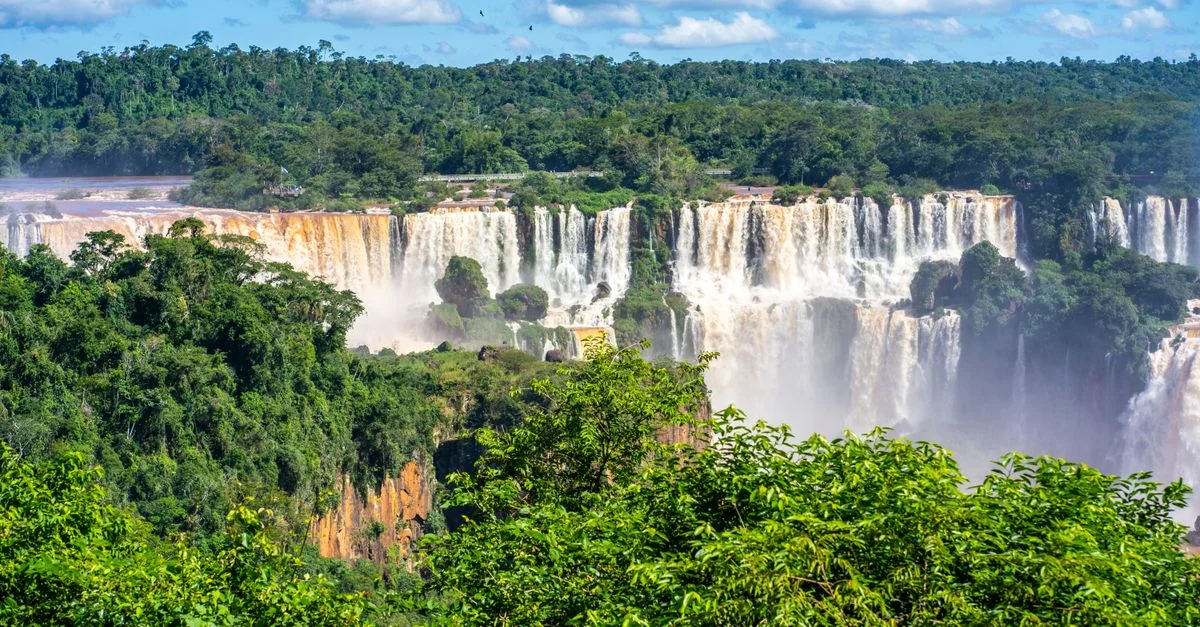
Why Visit Puerto Iguazu? # The heavy mist from the world’s most famous waterfall system settles on your shoulders long before you catch your first glimpse of the roaring water. Puerto Iguazu, located in the far northeastern corner of Argentina , serves as the prime gateway to one of the planet’s most awe-inspiring natural wonders. Unlike its Brazilian counterpart across the river, the Argentine side places you directly inside the subtropical jungle park, where miles of elevated steel walkways allow travelers to walk right over the cascading rivers and peer straight down into the roaring abysses. The town itself operates at a relaxed, subtropical pace, functioning primarily as a convenient base camp for waterfall expeditions while offering a distinct taste of Argentine frontier culture mixed with Brazilian and Paraguayan influences.
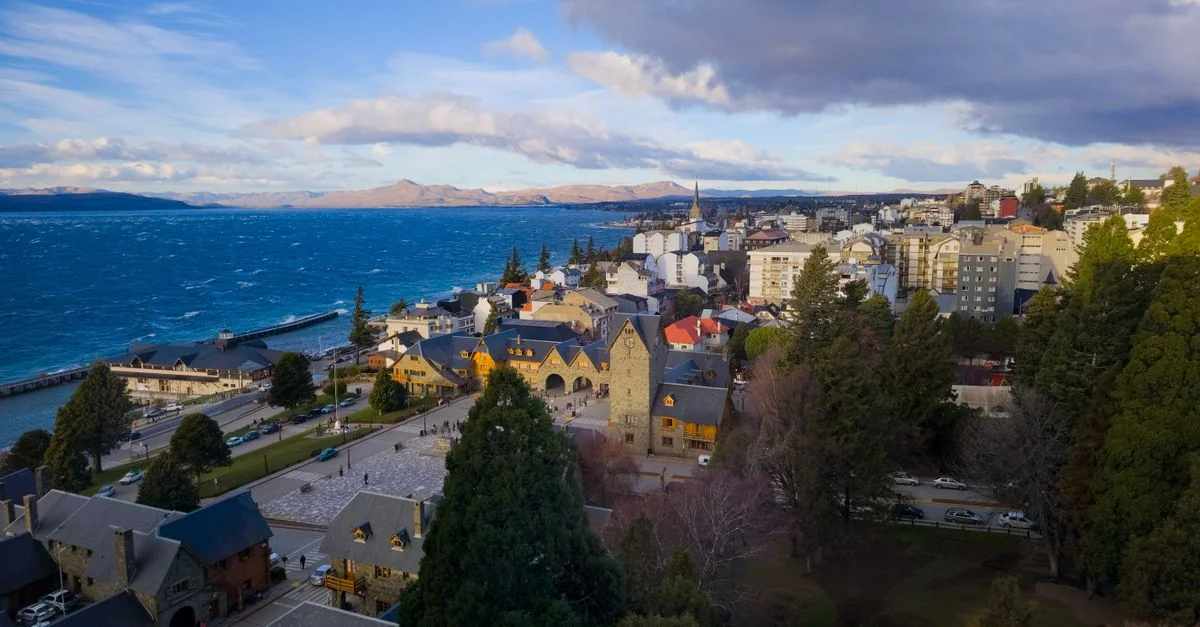
Why Visit Bariloche? # The sharp scent of melted dark chocolate hangs heavy in the cool mountain air, mixing with the sweet woodsmoke drifting from corner artisan shops. San Carlos de Bariloche sits on the southern shore of Nahuel Huapi Lake in the Argentine province of Río Negro, functioning as an alpine escape that frequently catches American visitors entirely off guard with its resemblance to the Swiss Alps. Snow-dusted peaks frame deep blue glacial waters, while wooden chalet architecture lines the sloping streets. It feels less like South America and more like a transplanted European ski village, complete with master chocolatiers and local craft breweries.
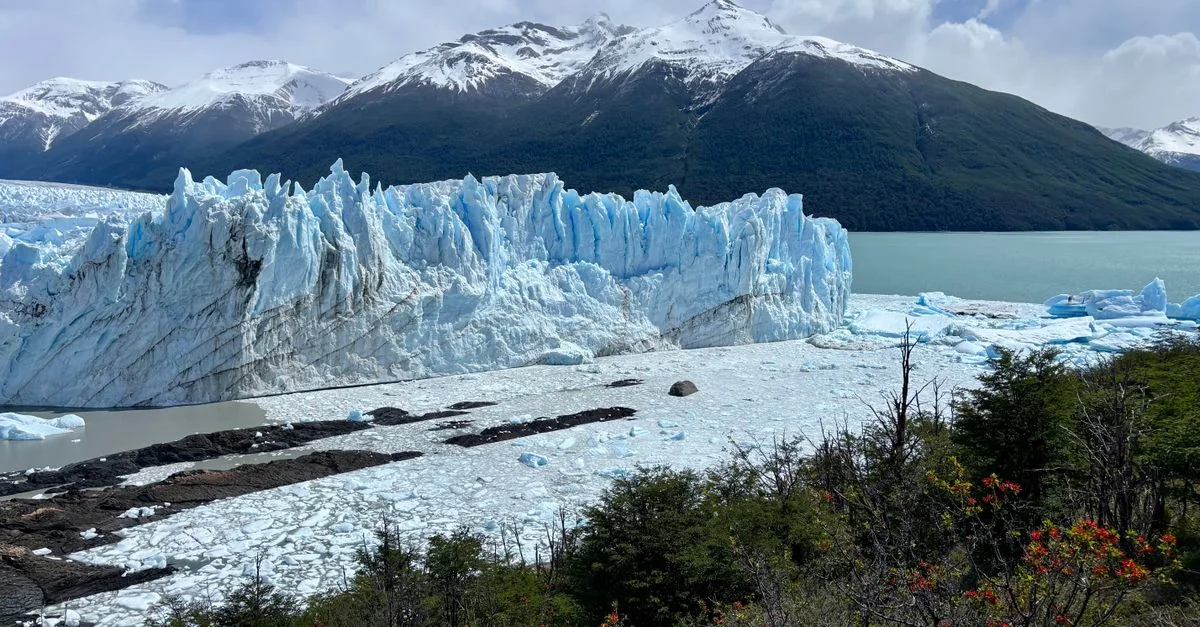
Why Visit El Calafate? # The scent of burning lenga wood hangs heavy in the crisp Patagonian air, mingling with the earthy aroma of calafate bushes lining the gravel roads. Sitting on the southern shore of Lago Argentino, this town functions as the primary gateway to the massive ice fields of southern Argentina . Travelers make the journey south for the chance to stand before walls of ancient blue ice that crack and thunder into the water below, offering a landscape unlike anything found in North America .
Why Visit Ushuaia? # The damp smell of rotting kelp and freezing salt spray hits your face the moment you step off the plane at the southernmost airport in the world. Jagged, snow-dusted peaks of the Martial Range plunge directly into the dark, churning gray waters of the Beagle Channel, creating a dramatic landscape that feels entirely detached from the rest of South America. Sitting at the absolute edge of the continent, this frontier town offers travelers a rare chance to stand where the Andes mountains finally give way to the endless, windswept expanse of the Southern Ocean and the frozen continent beyond.
Why Visit Mendoza? # The scent of roasting woodsmoke and crushed purple grapes drifts on the high-desert wind, cutting through the crisp air blowing down from the Andes. Standing in the shadow of Mount Aconcagua, the highest peak in the Western Hemisphere, you realize this Argentine oasis operates on a different rhythm. Rows of old-vine Malbec stretch endlessly toward the horizon, framed by jagged, snow-dusted summits that turn pink and gold as the sun sets over the vineyards.
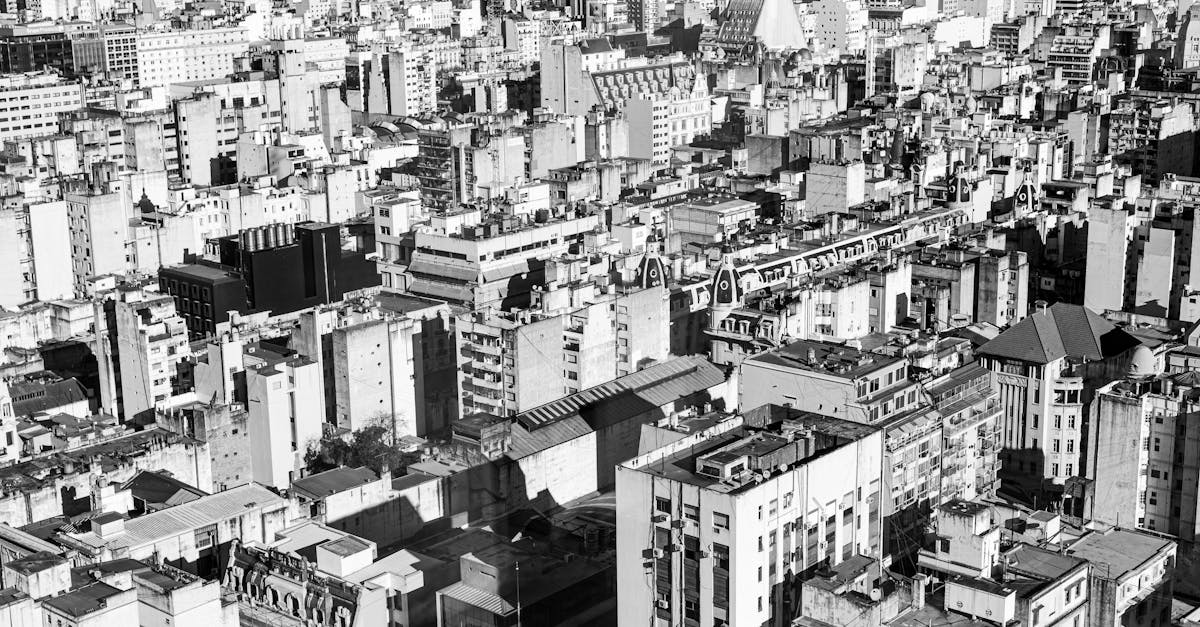
Photo by Alex Dos Santos on Pexels Why Visit Buenos Aires? # Buenos Aires, the vibrant capital of Argentina, is a city that pulsates with life, culture, and history. Often referred to as the “Paris of South America,” Buenos Aires boasts stunning European-style architecture, a rich tapestry of cultural influences, and an irresistible tango scene. The city’s unique blend of tradition and modernity creates an atmosphere that is both captivating and welcoming. Whether you’re wandering through the historic neighborhoods of San Telmo and La Boca, indulging in world-class cuisine, or absorbing the local art scene, Buenos Aires offers an experience that lingers long after you leave.