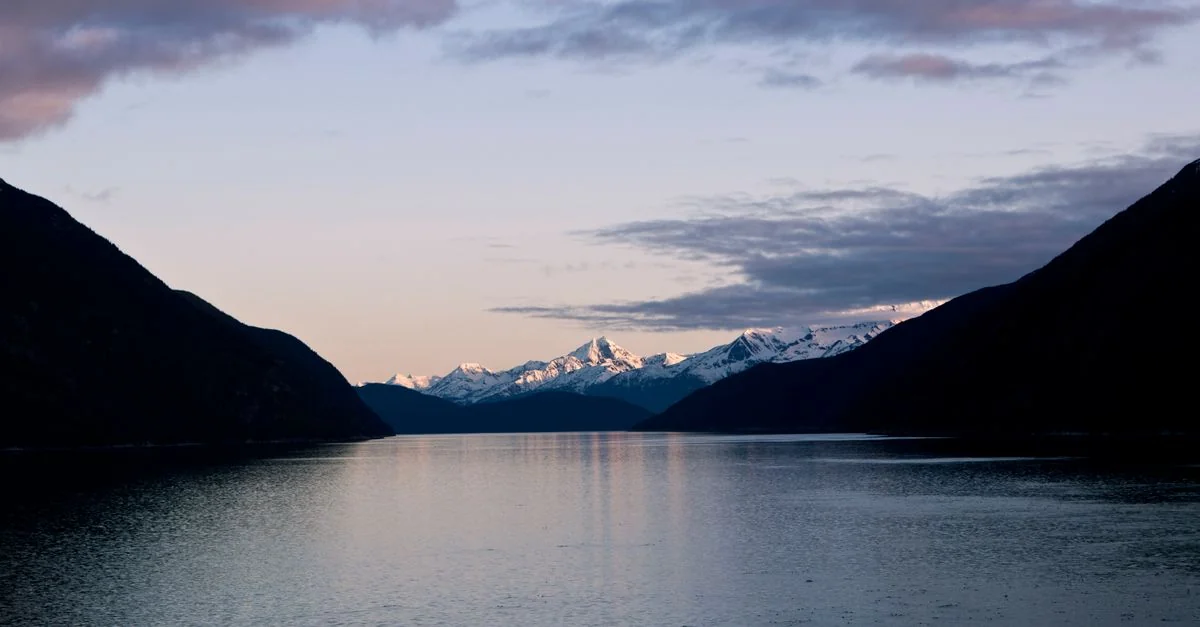
Why Visit Skagway? # The sharp smell of creosote rises from the aging wooden docks every time a historic steam train whistle echoes off the granite cliffs framing the Lynn Canal. As North America ’s deepest fjord cradles the edge of town, travelers stepping off the ship find themselves surrounded by boardwalks that have remained largely unchanged since the Klondike Gold Rush of 1898. This narrow valley in Southeast Alaska functions as a living museum where the ghosts of stampeders, prospectors, and frontier entrepreneurs still seem to linger around every corner of the historic downtown district.
Complete Travel Guide to Ketchikan: Top Attractions, Tips & Itinerary # Why Visit Ketchikan? # Photo by Trent Staats on Pexels The scent of salt spray and cedar smoke drifts off the docks long before the ferry engines cut their roar, signaling your arrival in Alaska’s southernmost first city. Raincoats and rubber boots serve as the local uniform here, worn with pride by residents who call the Tongass National Forest their backyard. This island outpost clings to the steep slopes of Revillagigedo Island, where wooden boardwalks replace traditional sidewalks and the Pacific Ocean laps directly against the pilings of downtown storefronts. It is a place where bald eagles line the utility poles like pigeons and commercial fishing boats outnumber passenger cars.
Why Visit Juneau? # The sharp scent of salt water mixes with the damp cedar smell of the Tongass National Forest the moment you step off the ferry or plane. Juneau occupies a rare geographic pocket where the Alaska mainland meets the Gastineau Channel, creating a dramatic landscape where steep mountain peaks plunge directly into freezing ocean waters. Because no roads connect Alaska’s capital city to the rest of the North American highway system, arriving here requires a deliberate journey by air or sea. This isolation keeps the pace of daily life slower and more connected to the surrounding wilderness than what you might find in larger mainland cities.
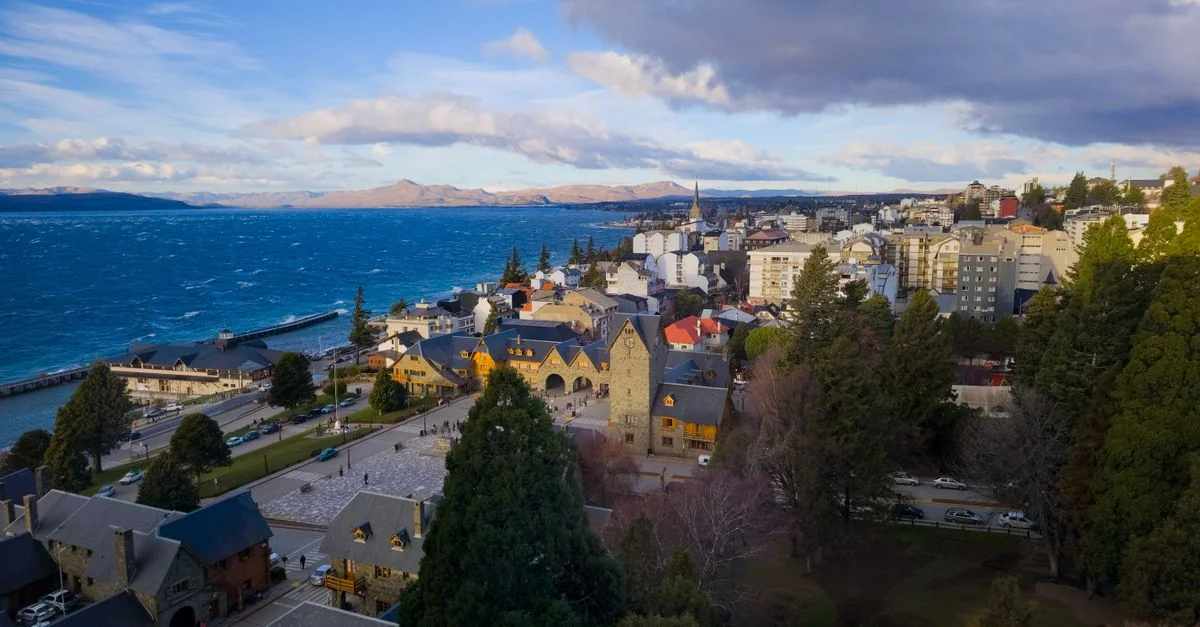
Why Visit Bariloche? # The sharp scent of melted dark chocolate hangs heavy in the cool mountain air, mixing with the sweet woodsmoke drifting from corner artisan shops. San Carlos de Bariloche sits on the southern shore of Nahuel Huapi Lake in the Argentine province of Río Negro, functioning as an alpine escape that frequently catches American visitors entirely off guard with its resemblance to the Swiss Alps. Snow-dusted peaks frame deep blue glacial waters, while wooden chalet architecture lines the sloping streets. It feels less like South America and more like a transplanted European ski village, complete with master chocolatiers and local craft breweries.
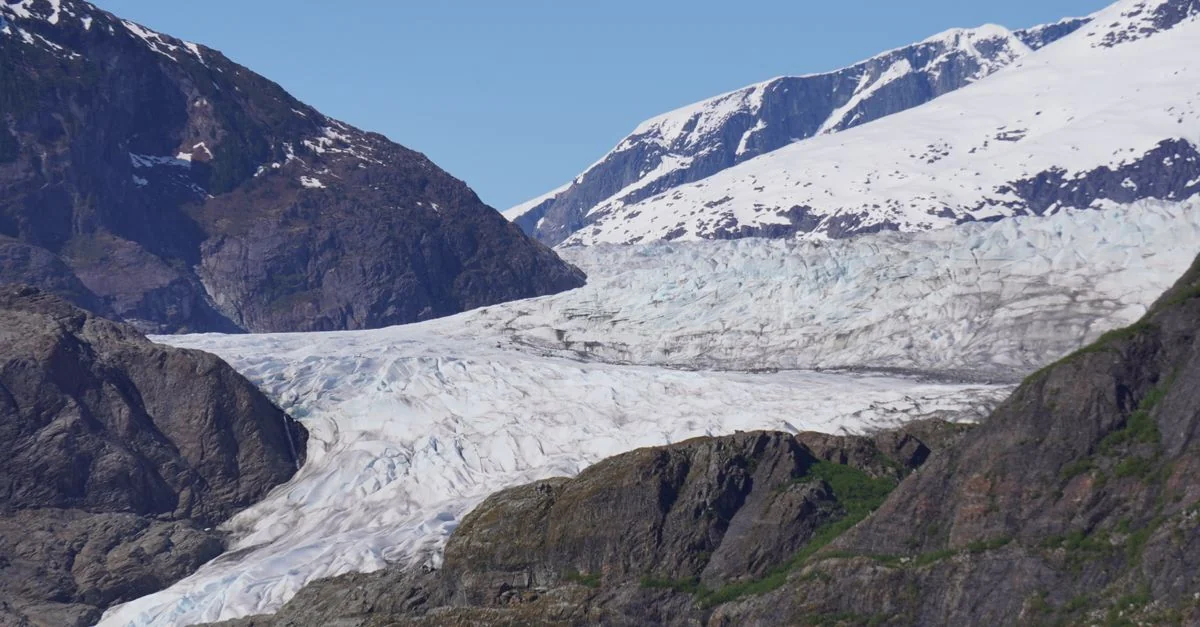
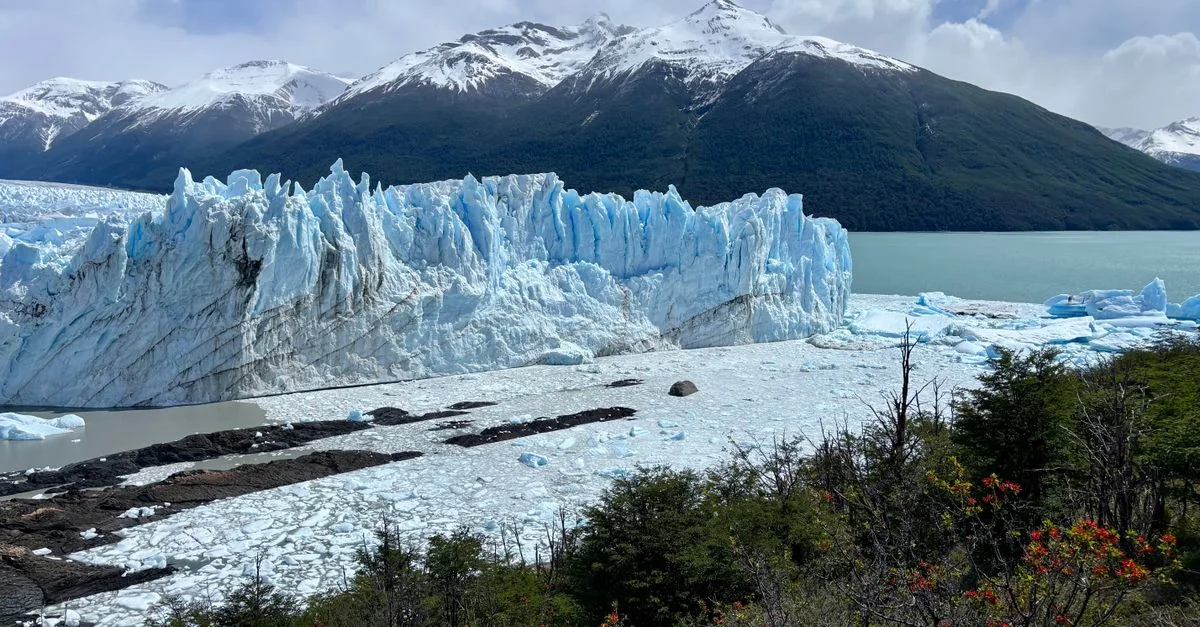
Why Visit El Calafate? # The scent of burning lenga wood hangs heavy in the crisp Patagonian air, mingling with the earthy aroma of calafate bushes lining the gravel roads. Sitting on the southern shore of Lago Argentino, this town functions as the primary gateway to the massive ice fields of southern Argentina . Travelers make the journey south for the chance to stand before walls of ancient blue ice that crack and thunder into the water below, offering a landscape unlike anything found in North America .
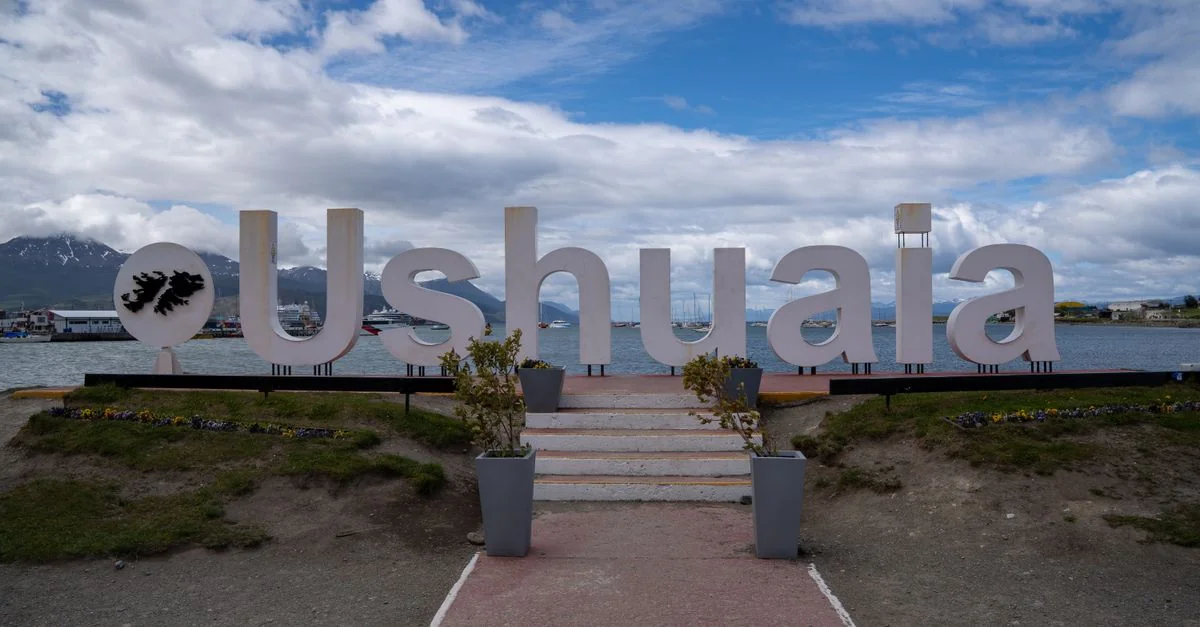
Why Visit Ushuaia? # The damp smell of rotting kelp and freezing salt spray hits your face the moment you step off the plane at the southernmost airport in the world. Jagged, snow-dusted peaks of the Martial Range plunge directly into the dark, churning gray waters of the Beagle Channel, creating a dramatic landscape that feels entirely detached from the rest of South America. Sitting at the absolute edge of the continent, this frontier town offers travelers a rare chance to stand where the Andes mountains finally give way to the endless, windswept expanse of the Southern Ocean and the frozen continent beyond.
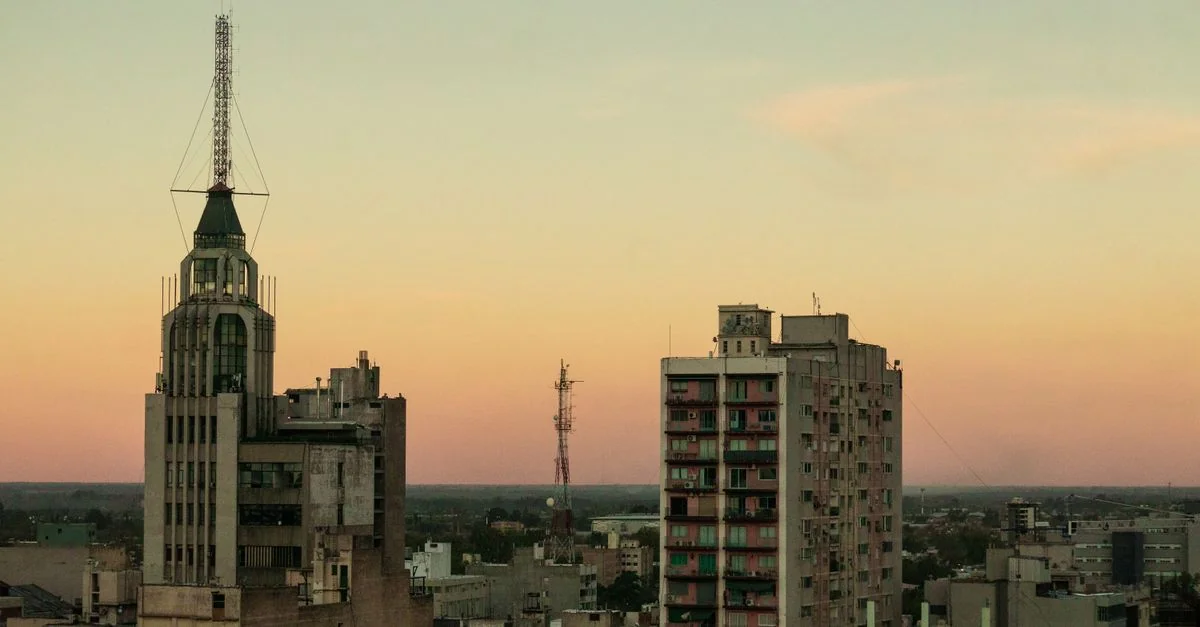
Why Visit Mendoza? # The scent of roasting woodsmoke and crushed purple grapes drifts on the high-desert wind, cutting through the crisp air blowing down from the Andes. Standing in the shadow of Mount Aconcagua, the highest peak in the Western Hemisphere, you realize this Argentine oasis operates on a different rhythm. Rows of old-vine Malbec stretch endlessly toward the horizon, framed by jagged, snow-dusted summits that turn pink and gold as the sun sets over the vineyards.
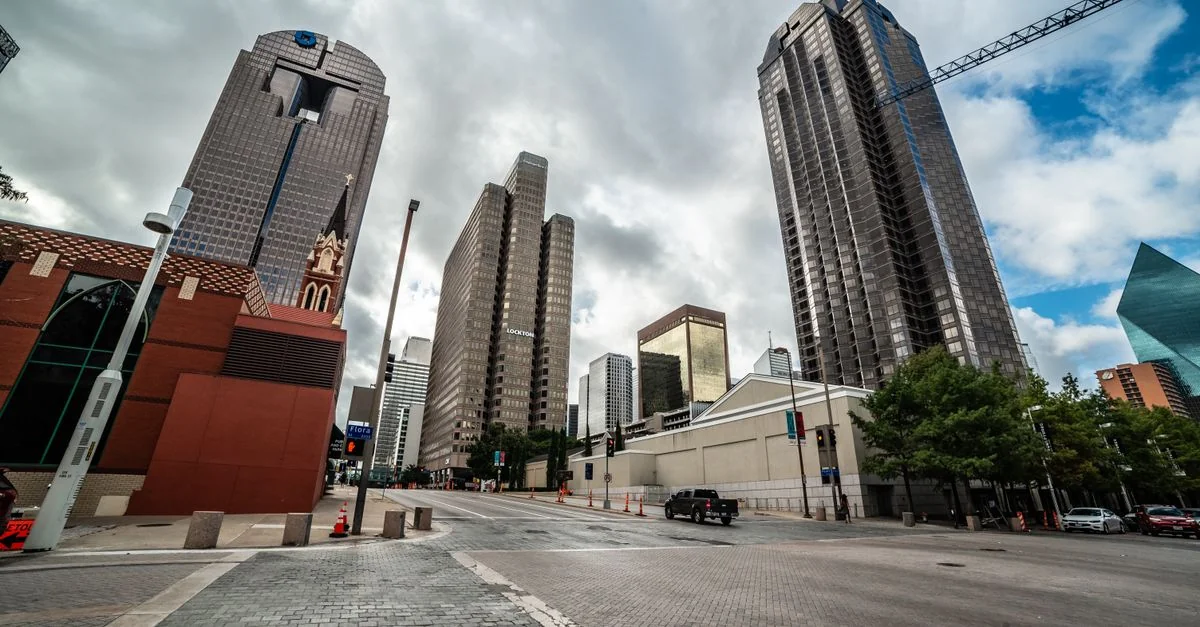
Why Visit Dallas? # The scent of mesquite smoke drifts across the downtown skyline as the sun sets, casting long shadows over the glass towers that define the city. Dallas serves as a functional intersection of Texas history and modern ambition, offering a scale that feels manageable yet expansive. Unlike coastal cities that rely on a single industry, this city balances a deep-seated appreciation for the arts with a gritty, hardworking spirit that defines the North Texas plains. It is a place where you can spend your morning examining state-of-the-art architecture and your afternoon exploring the stark reality of the mid-century political past.
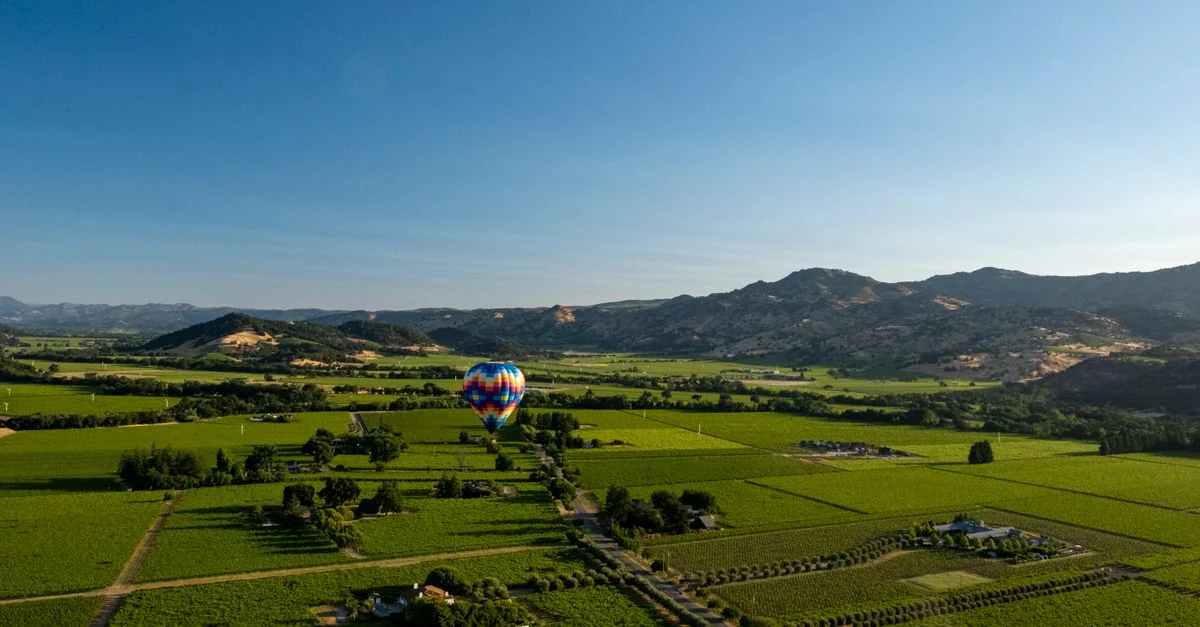
Why Visit Napa & Sonoma? # The scent of damp earth and toasted oak hangs heavy in the air as you drive through the valley floor, where rows of grapevines stretch toward the horizon like perfectly aligned soldiers. This region of Northern California serves as the epicenter of American winemaking, offering a landscape where the pace of life slows to match the rhythmic turning of the seasons. While the two valleys sit side by side, they possess distinct personalities. Napa feels polished and grand, defined by high-end estates and dramatic architecture, while Sonoma maintains a rugged, pastoral charm that prioritizes open space, redwood forests, and a more relaxed approach to the tasting experience.
Complete Travel Guide to San Antonio: Top Attractions, Tips & Itinerary # The smell of salt air and diesel fuel hangs heavy over the docks, where massive container ships loom like steel mountains against a pale blue sky. This is the raw, industrial heartbeat of San Antonio , Chile . Unlike the manicured parks of Santiago , this port city offers a gritty, authentic glimpse into the maritime life of the Valparaíso Region. It is a place where the Pacific Ocean crashes violently against rocky shores and the local economy breathes in sync with the arrival of every cargo vessel.