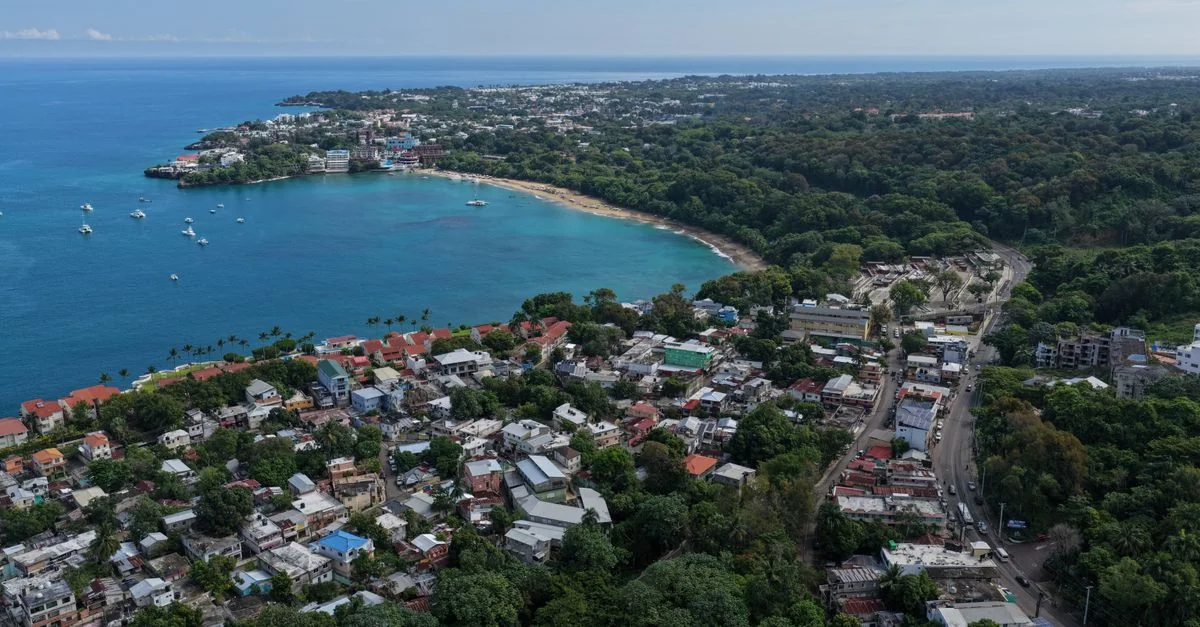
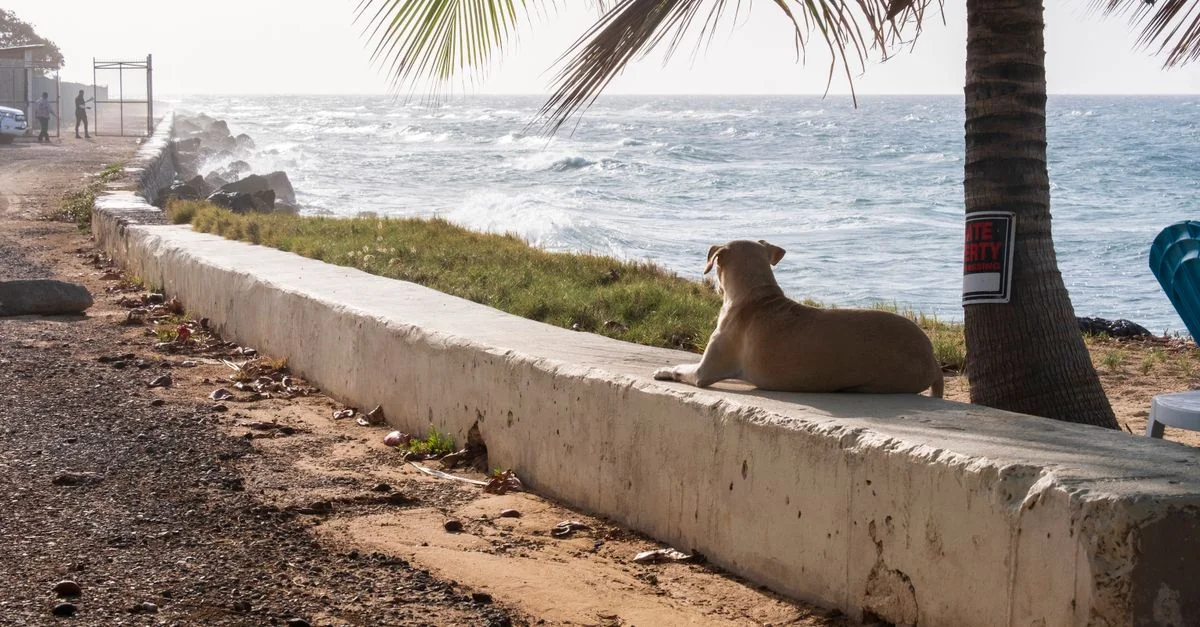
Why Visit Samaná Peninsula # The scent of salt spray and wet earth hangs thick over the Dominican Republic ’s northeastern coast, where the Atlantic waves crash against limestone cliffs blanketed in dense jungle. Travelers arriving from the United States often trade the heavily touristed concrete towers of Punta Cana for this rugged peninsula, seeking a landscape where coconut palms outnumber resort complexes and empty beaches stretch for miles. The region feels distinctly disconnected from the mainland’s busier commercial hubs, moving to a slower rhythm defined by the tides, tropical rainstorms, and the morning routines of fishing villages tucked into sheltered bays.
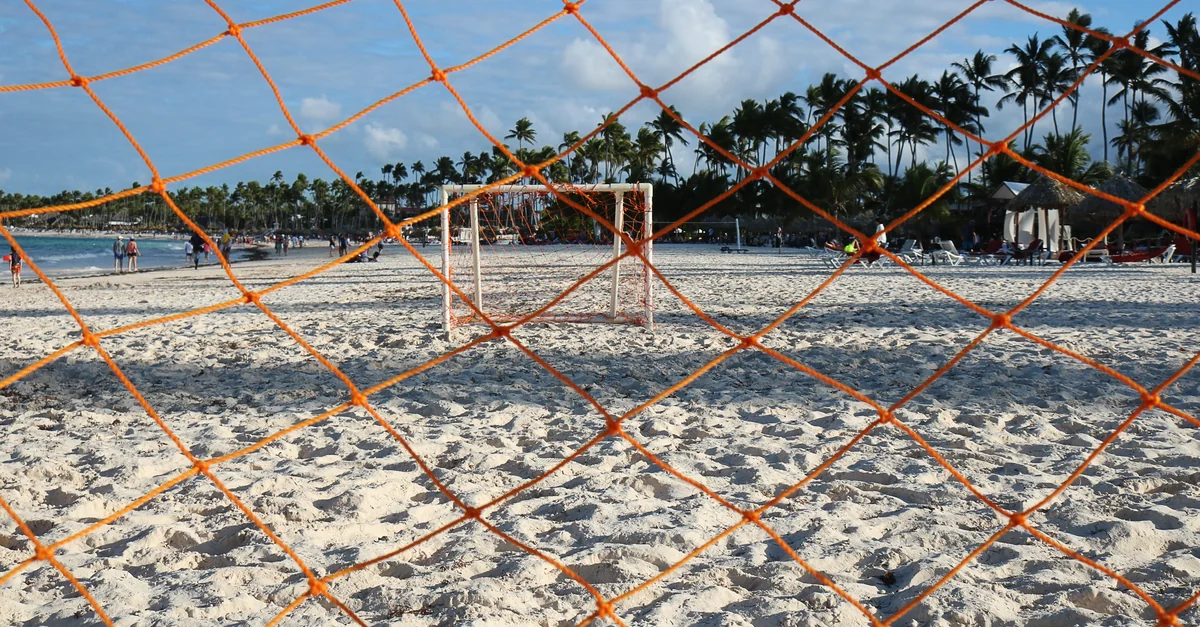
Why Visit La Romana? # The scent of roasting pork and crushed sugarcane drifts across the warm Caribbean breeze, mixing with the heavy, sweet perfume of blooming frangipani. Situated on the southeastern coast of the Dominican Republic , this region offers American travelers a practical alternative to the crowded resort strips of Punta Cana while delivering the exact same palm-fringed shoreline and turquoise water. It is a place where industrial sugar production meets high-end leisure, creating a distinct destination that balances working-class Dominican life with top-quality golf courses and secluded coastal inlets.
Why Visit Falmouth? # The heavy scent of damp limestone and crushed sugarcane hangs in the warm morning air as the gentle Caribbean breeze sweeps through the Georgian-style squares of Falmouth . Positioned along Jamaica ’s northern coast in the parish of Trelawny, this historic town offers a distinct alternative to the busier resort hubs nearby. Founded in the late eighteenth century during the height of the sugar boom, the town once rivaled Kingston in wealth and significance. Today, travelers arriving from the United States find a destination that swaps mass-market commercialism for authentic architecture, deep-rooted local culture, and proximity to some of the island’s most compelling natural wonders.
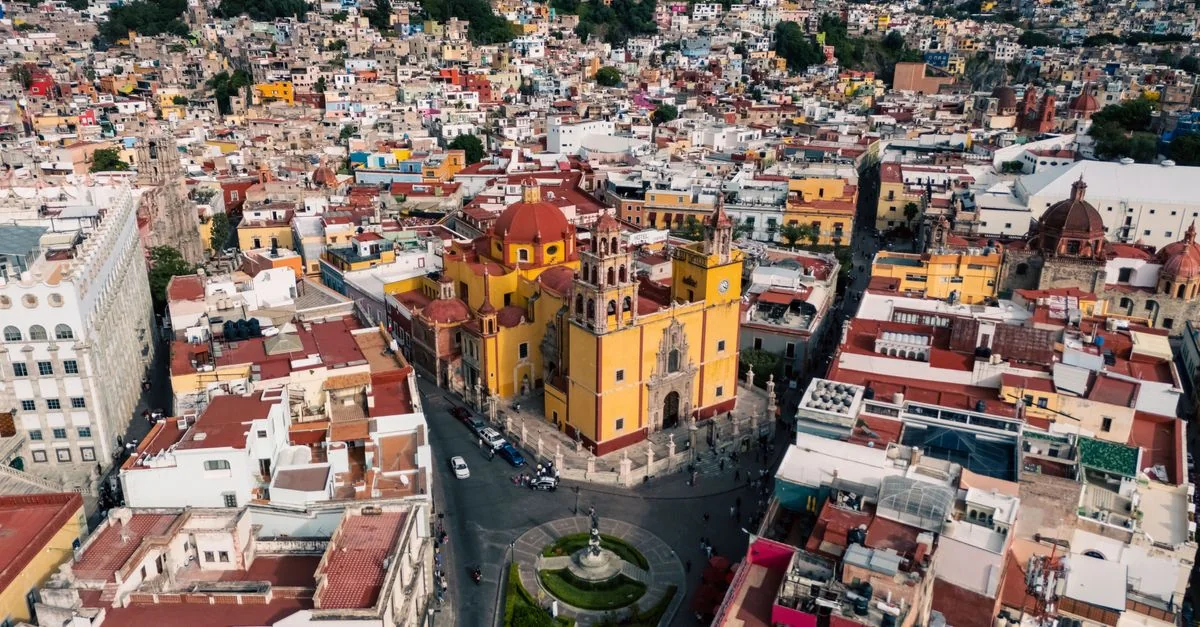
Why Visit Mazatlan? # The scent of roasting chilies and salted butter drifts from open-air kitchens while yellow-and-black public taxis rumble past peeling pastel facades. This coastal city on the Pacific coast of Mexico manages a rare trick in modern tourism: it maintains an authentic local rhythm while welcoming sun-seeking travelers from the United States . Unlike some resort-heavy regions of Mexico designed entirely for quick vacations, this destination functions as a working port and a cultural hub where daily life continues uninterrupted by the tide of tourism.
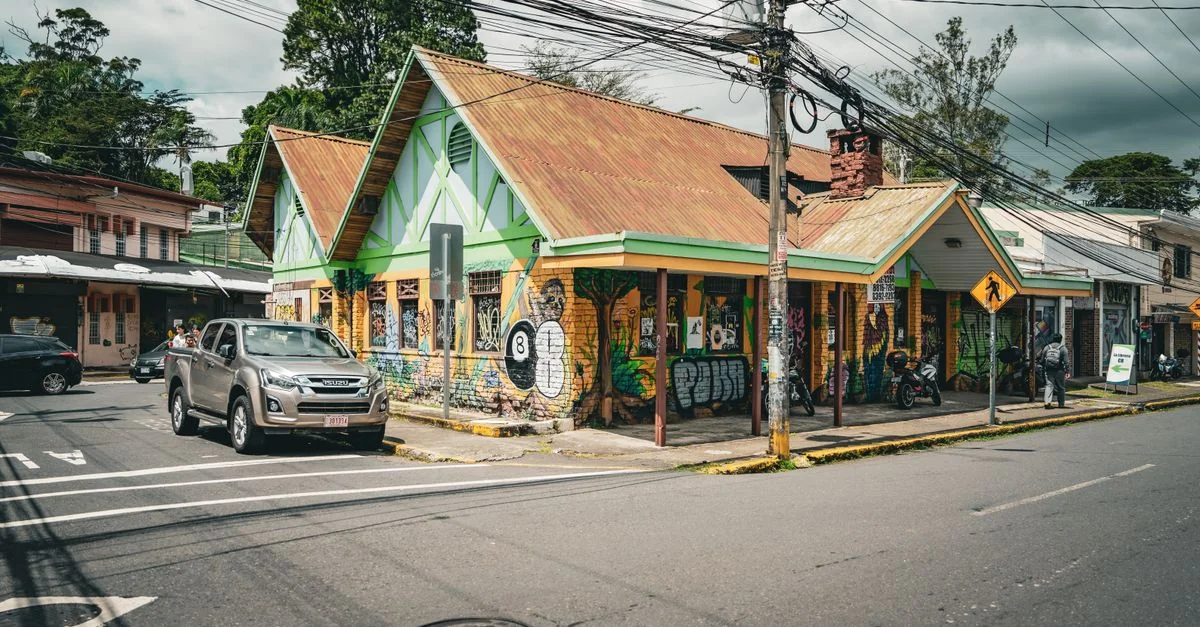
Why Visit Jaco? # The scent of salt spray and charred plantains drifts off the Pacific, mingling with the low-frequency rumble of heavy surf hitting black volcanic sand. Situated on Costa Rica ’s central Pacific coast, Jaco offers an appealing mix of raw tropical nature and modern conveniences that makes it particularly well-suited for American travelers seeking an easy international escape. Unlike remote stretches of the country that require hours of unpaved driving, this coastal city sits just a short drive from the main international airport, meaning you can trade your winter coat for swim trunks by afternoon.
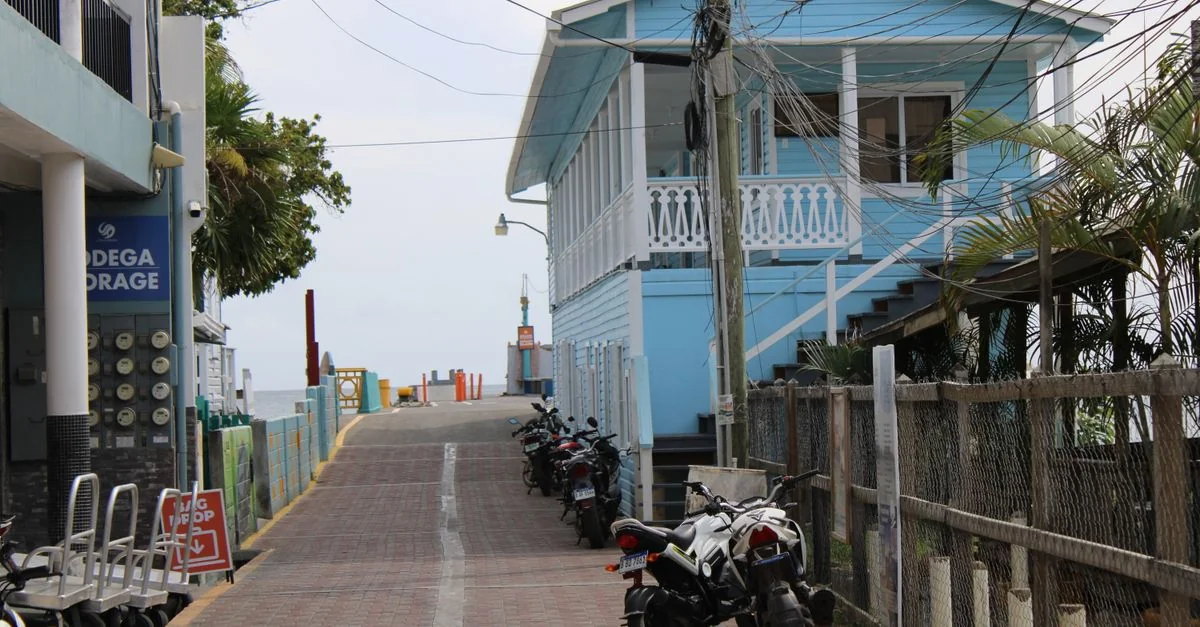
Why Visit Roatan? # The salt spray from the Mesoamerican Barrier Reef hits your face before the twin-engine plane even touches the tarmac, carrying the distinct scent of warm seaweed, mangrove wood smoke, and diesel. As the largest of Honduras ’s Bay Islands, Roatan sits about forty miles off the northern coast of the mainland, functioning as an entirely different world from Central America’s interior. Life here revolves around the water, where turquoise shallows drop off into cobalt trenches just a few hundred yards from shore. It is an island built on coral limestone, draped in dense tropical foliage, and shaped by centuries of seafaring history that left behind a unique blend of English Creole and Spanish cultures.
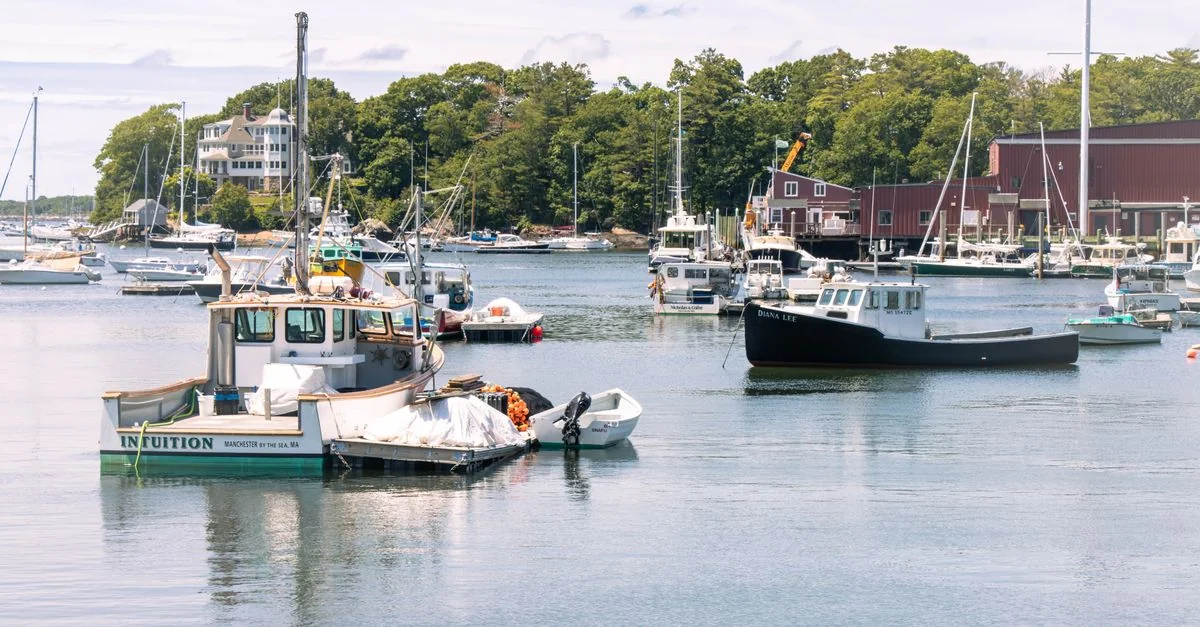
Why Visit Manchester? # The scent of roasting coffee beans mixes with the exhaust of morning commuters rolling past brick mill buildings along the banks of the Merrimack River. This New Hampshire destination pairs industrial-era architecture with modern New England practicality, creating a working-class charm that feels grounded and authentic. Visitors often discover a city that traded its textile looms for craft breweries, art galleries, and an unpretentious restaurant scene that honors its Yankee roots while welcoming global flavors.
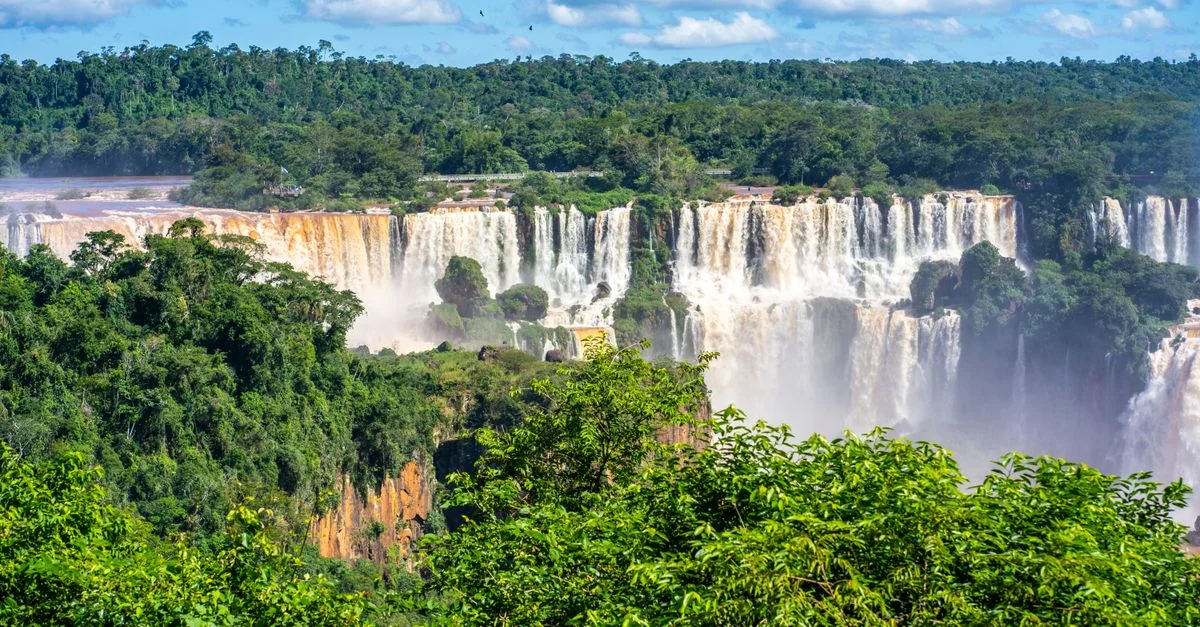
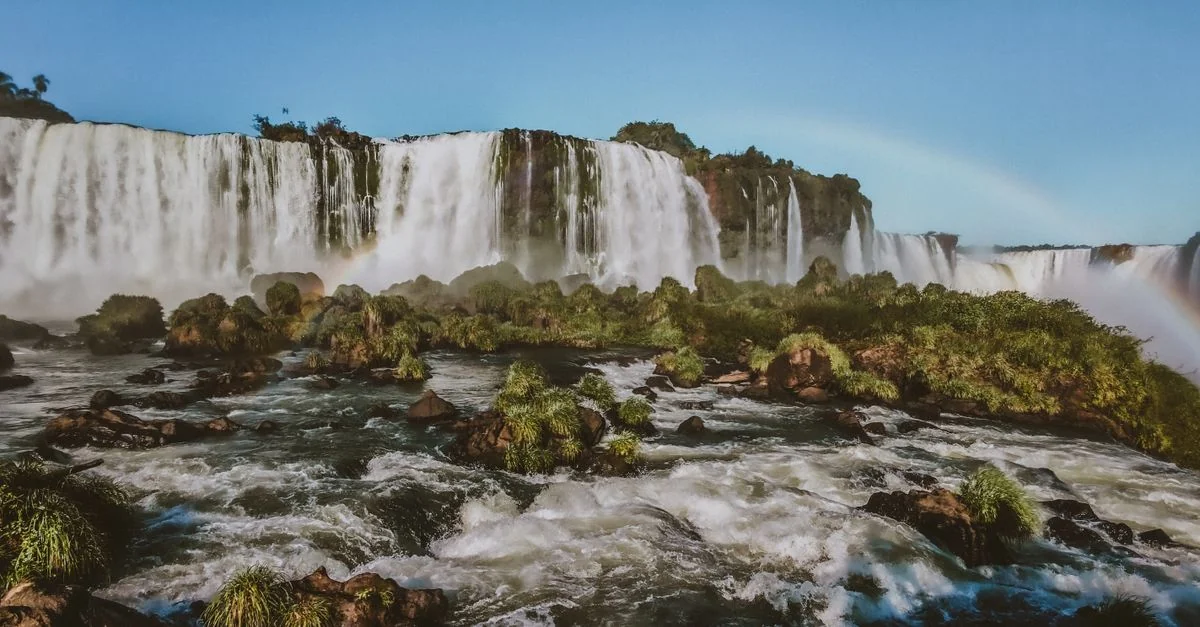
Why Visit Puerto Iguazu? # The heavy mist from the world’s most famous waterfall system settles on your shoulders long before you catch your first glimpse of the roaring water. Puerto Iguazu, located in the far northeastern corner of Argentina , serves as the prime gateway to one of the planet’s most awe-inspiring natural wonders. Unlike its Brazilian counterpart across the river, the Argentine side places you directly inside the subtropical jungle park, where miles of elevated steel walkways allow travelers to walk right over the cascading rivers and peer straight down into the roaring abysses. The town itself operates at a relaxed, subtropical pace, functioning primarily as a convenient base camp for waterfall expeditions while offering a distinct taste of Argentine frontier culture mixed with Brazilian and Paraguayan influences.
Why Visit Foz do Iguacu # The dense mist from the cascades settles on your eyelashes long before you catch your first glimpse of the falling water, carrying the faint, earthy scent of damp subtropical forest mixed with tropical pollen. Standing at the very edge of the South American triple frontier, this destination offers an encounter with one of the most powerful natural spectacles on the planet. Travelers arriving from the United States often expect a standard waterfall viewing platform, but instead, they find themselves enveloped in an immense protected park system where the sheer scale of the landscape dwarfs everything else in sight.
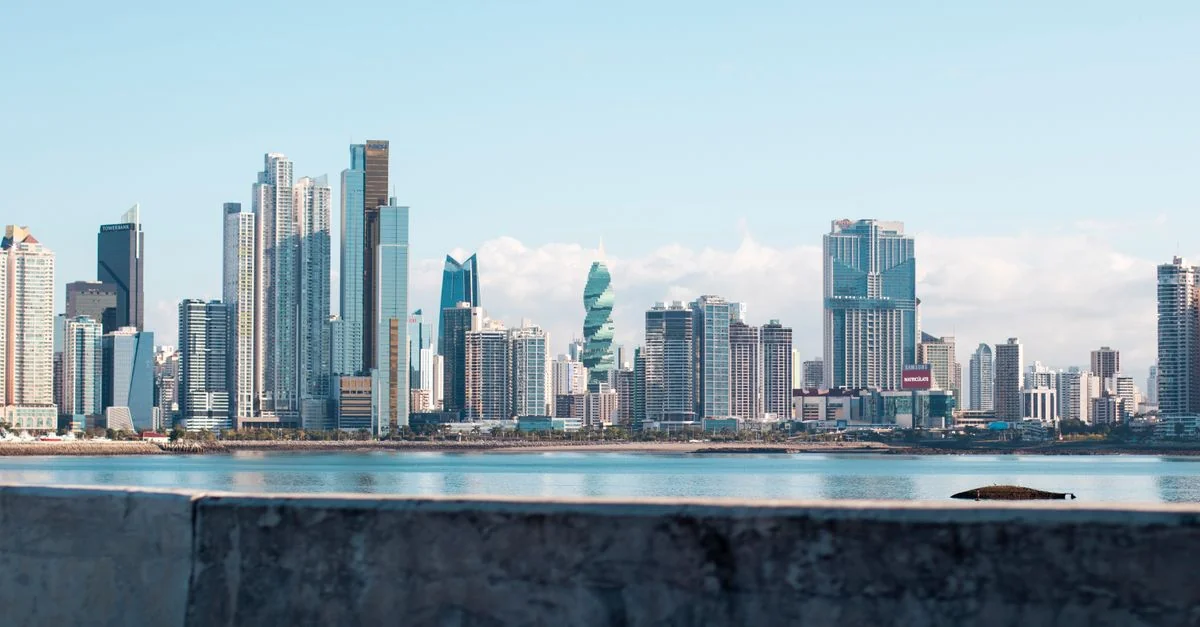
Why Visit Panama City? # The sharp scent of roasting Arabica beans drifts from a corner cafe, mingling with the heavy, humid air of the tropics and the faint, salty tang of the Pacific Ocean. Panama City feels like a deliberate collision of eras, where towering glass skyscrapers cast long shadows over crumbling Spanish colonial plazas, and massive container ships wait patiently on the horizon to traverse one of the world’s greatest engineering feats. For American travelers seeking a seamless blend of modern convenience and tropical adventure, this Central American metropolis delivers an experience that is both accessible and distinctively exotic.