📌 Disclaimer
Prices, schedules, tour details, flight routes, visa requirements, and all other information on this page are based on data at the time of writing. Fares, availability, and policies may change. Please verify current details on the official website before booking.
Why Visit Whistler?#
As the crisp mountain air fills your lungs, the scent of pine and fresh snow surrounds you, Whistler reveals itself as a destination that effortlessly blends adventure and relaxation. Nestled in the Coast Mountain range of British Columbia, this iconic resort town is known for its stunning landscapes, top-quality skiing, and an array of outdoor activities that cater to every type of traveler. Whether you’re an avid skier, a mountain biker, or someone looking to unwind in a beautiful setting, Whistler has something special to offer.
The charm of Whistler extends beyond its outdoor pursuits. The village itself features a mix of cozy shops, art galleries, and lively après-ski spots that create an inviting atmosphere. The sense of community here is real, with locals and visitors alike gathering to share stories over a warm drink or a hearty meal. This combination of natural beauty and community spirit makes Whistler worth visiting destination for those seeking both adventure and relaxation.
Best Time to Visit Whistler#
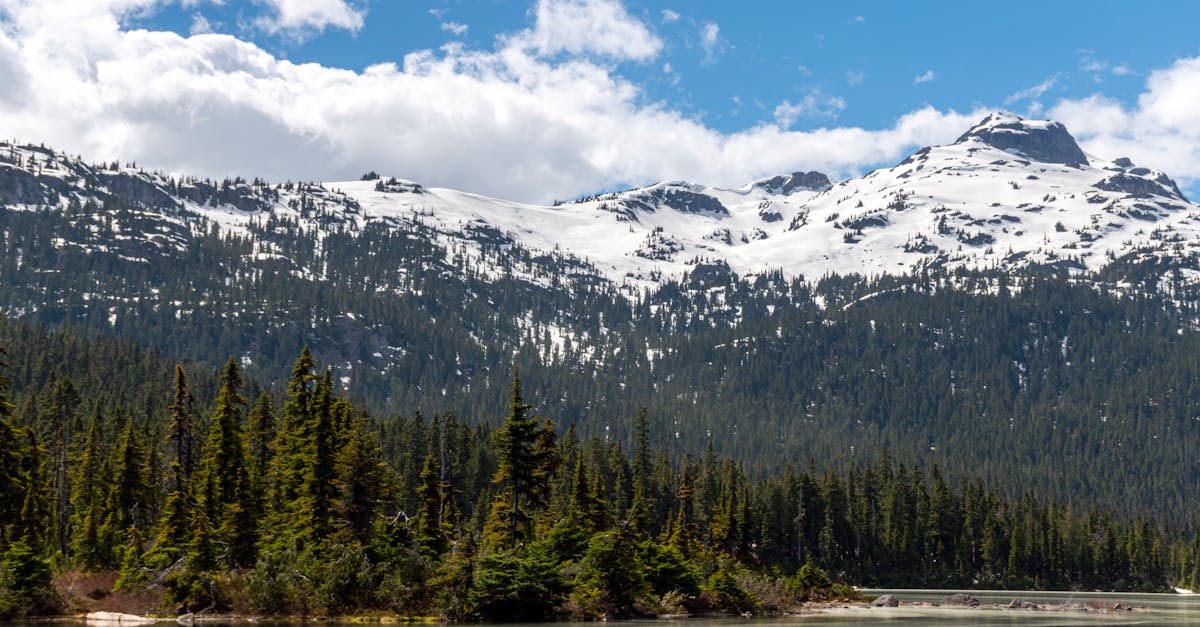
Whistler’s allure changes with the seasons, each offering a unique experience. The winter months from December to March transform the area into a snowy wonderland, attracting skiers and snowboarders from all over. Average temperatures hover around the low 30s°F, and while it can get busy during holidays and weekends, the thrill of gliding down powdery slopes is worth it. Prices tend to peak during this time, especially around Christmas and New Year’s.
As spring arrives, from late March to May, the snow begins to melt, revealing lush landscapes perfect for hiking and biking. This shoulder season offers milder weather, usually ranging from the mid-40s°F to the low 60s°F. Crowds diminish, making it a great time for those looking for a quieter experience, and prices begin to drop as the ski season winds down.
Summer, from June to August, brings warm temperatures in the 70s°F to low 80s°F, inviting visitors to enjoy outdoor activities like mountain biking, hiking, and golfing. This season is the most popular for families and outdoor enthusiasts, and prices reflect that, peaking during July and August. Finally, fall from September to November showcases stunning foliage and offers a tranquil atmosphere as the crowds thin out, with temperatures ranging from the mid-30s°F to the mid-50s°F. This is a wonderful time for those who appreciate nature’s changing colors and lower accommodation rates.
Where to Stay in Whistler#
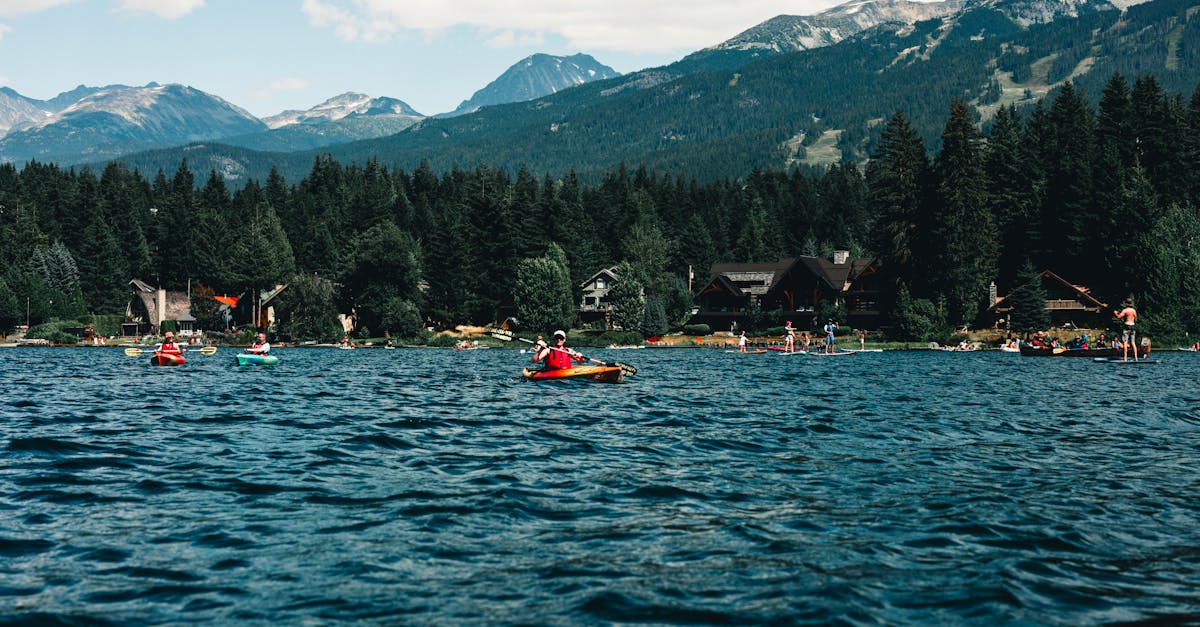
Finding the right place to stay in Whistler can enhance your overall experience. For budget-conscious travelers, exploring options in the Whistler Village North area can yield affordable accommodations. This neighborhood offers a range of hostels and motels that typically start around $30-$50 per night, allowing easy access to the village’s amenities.
If you’re looking for a mid-range option, consider the Whistler Village itself. Here, you’ll find a variety of lodges and boutique hotels that provide comfortable rooms and convenient access to the slopes and dining options. Prices in this area generally range from $100 to $250 per night.
For those seeking luxury, the Upper Village area offers upscale hotels and resorts, complete with stunning mountain views and top-notch amenities. This neighborhood is perfect for travelers wanting a more exclusive experience, with accommodations often starting around $300 and going significantly higher during peak seasons.
Top Things to Do in Whistler#
Whistler is brimming with activities that cater to every interest. The Whistler Blackcomb Ski Resort is undoubtedly the main attraction during winter, boasting over 8,000 acres of skiable terrain. With runs for all skill levels, it’s a great for snow sports enthusiasts. After a day on the slopes, the Whistler Village comes alive, where you can unwind with friends or family at various après-ski bars and restaurants.
In the warmer months, the Whistler Mountain Bike Park attracts adventure travelers with its extensive trail system. Whether you are a beginner or an expert, the park offers trails that cater to all skill levels, making it a popular destination. For those who prefer a more leisurely pace, the Valley Trail provides a scenic route for walking or cycling, winding through beautiful landscapes and connecting various parts of the village.
A unique experience awaits at the Squamish Lil’wat Cultural Centre, where you can learn about the indigenous cultures of the area through engaging exhibits and workshops. This cultural immersion allows visitors to appreciate the history and traditions that shape the region. For breathtaking views without the exertion of a hike, the Peak 2 Peak Gondola offers a stunning ride between Whistler and Blackcomb mountains, showcasing the majestic scenery of the area.
In winter, snowshoeing is a fantastic option for those wanting to explore the quieter side of the mountains. Trails range from easy walks to more challenging routes, perfect for families or solo adventurers. If you’re visiting in the summer, don’t miss the Whistler Farmers’ Market, where local vendors offer fresh produce, artisanal goods, and unique crafts, perfect for a leisurely afternoon.
For a different perspective, consider a ziplining adventure through the treetops. This thrilling experience allows you to soar above the forest canopy, providing a rush of excitement while taking in the breathtaking views of the surrounding mountains. Lastly, a visit to Lost Lake offers a serene escape, ideal for swimming, picnicking, or simply unwinding in nature.
Food and Dining Guide#
Whistler’s culinary scene is as diverse as its landscape, featuring everything from casual eateries to upscale dining. When it comes to local cuisine, trying poutine is a must. This classic Canadian dish consists of fries topped with cheese curds and smothered in gravy, offering a hearty comfort food option after a long day outdoors.
For those craving something lighter, west coast salmon is a highlight on many menus. Freshly caught and often grilled or smoked, this dish showcases the region’s rich maritime resources. Another local favorite is bannock, a traditional indigenous bread that can be found in various forms, from sweet to savory. Sampling this dish provides a connection to the area’s cultural history.
Street food is also a delightful option, particularly at the Whistler Farmers’ Market, where you can find vendors serving up everything from gourmet tacos to fresh pastries. For a cozy dining experience, check out the local fondue restaurants that offer an interactive meal, perfect for sharing with friends or family. The melted cheese and chocolate options create a warm and inviting atmosphere to enjoy après-ski.
If you’re in the mood for something different, consider trying sushi, which reflects the town’s multicultural influences. Many restaurants serve fresh and innovative rolls, often featuring local ingredients. Finally, don’t forget to sample the craft beers from local breweries, which capture the essence of the region and pair perfectly with the food offerings.
Getting Around Whistler#
Navigating Whistler is relatively easy, thanks to its compact layout and efficient transportation options. The free shuttle bus service operates throughout the village and to major attractions, making it convenient for travelers to explore without the need for a car. The buses run frequently, especially during peak seasons, ensuring you can get around with minimal hassle.
For those who prefer walking, the pedestrian-friendly layout of Whistler Village allows for easy exploration on foot. Strolling through the village, you’ll discover shops, restaurants, and scenic views at every turn. If you plan to venture further afield, consider renting a bike, which is a popular way to experience the surrounding nature trails and paths.
If you decide to drive, renting a car can provide flexibility, especially if you want to explore nearby attractions such as Garibaldi Provincial Park or Squamish. However, parking can be limited in the village during busy seasons, so be prepared for that. Overall, Whistler’s accessibility makes it easy to enjoy everything the area has to offer.
Budget Breakdown#
Understanding the costs associated with a trip to Whistler can help you plan effectively. For budget travelers, daily expenses typically range from $70 to $150. This budget includes accommodations in hostels or budget motels, meals at casual eateries, and public transportation.
Mid-range travelers can expect to spend between $200 to $400 daily. This includes staying in comfortable lodges or hotels, dining at a mix of casual and nicer restaurants, and participating in a few activities such as skiing or mountain biking.
Luxury travelers should budget upwards of $500 each day. This range reflects stays in upscale hotels, dining at high-end restaurants, and indulging in premium experiences like guided tours or spa treatments. Regardless of your budget, Whistler offers options that can accommodate a variety of financial plans.
Travel Tips for Whistler#
Weather Preparedness is crucial, especially in winter. Layering is key to staying comfortable while skiing or enjoying outdoor activities. Be sure to check the forecast before your trip and pack accordingly, including waterproof gear for unexpected rain or snow.
Advance Booking is a smart strategy, particularly during peak seasons. Accommodations and popular activities can fill up quickly, so reserving your stay and any excursions in advance can save you time and money.
Local Transportation is efficient, but having a plan can enhance your experience. Familiarize yourself with the shuttle routes and schedules to make the most of your time in Whistler.
Explore the Off-Peak Hours for a more relaxed experience. Visiting popular attractions early in the morning or later in the afternoon can help you avoid crowds and enjoy a more peaceful environment.
Embrace Outdoor Activities regardless of the season. Whistler offers a wide range of options, so consider trying something new, whether it’s mountain biking in summer or snowshoeing in winter.
Stay Hydrated and nourished, especially if you’re engaging in outdoor activities. The altitude can be deceiving, and it’s essential to drink plenty of water and eat nutritious meals to maintain your energy levels.
Respect Nature while exploring. Whistler is surrounded by stunning landscapes, so be mindful of your impact on the environment. Follow local guidelines for waste disposal and stick to marked trails to preserve the natural beauty of the area.