📌 Disclaimer
Prices, schedules, tour details, flight routes, visa requirements, and all other information on this page are based on data at the time of writing. Fares, availability, and policies may change. Please verify current details on the official website before booking.
Why Visit Washington DC ?#
As you stroll along the National Mall, the scent of fresh-cut grass mingles with the warm breeze, a perfect backdrop for a day filled with exploration. Washington DC, the heart of the United States , offers a unique blend of history, politics, and culture that captivates every visitor. The iconic monuments and museums narrate the story of a nation, while the lively neighborhoods showcase the diverse communities that call the capital home. From the grandeur of the Capitol Building to the solemn reflection at the Lincoln Memorial, every corner of the city tells a tale of its rich past and dynamic present.
Beyond the historical landmarks, Washington DC is a hub of innovation and creativity. The city’s art scene is thriving, with galleries and performance spaces that highlight both established and emerging artists. The culinary landscape has also evolved, featuring a mix of international flavors and local specialties that reflect the city’s multicultural fabric. Whether you’re a history buff, a foodie, or an art lover, Washington DC has something to offer that will resonate with you.
Best Time to Visit Washington DC#
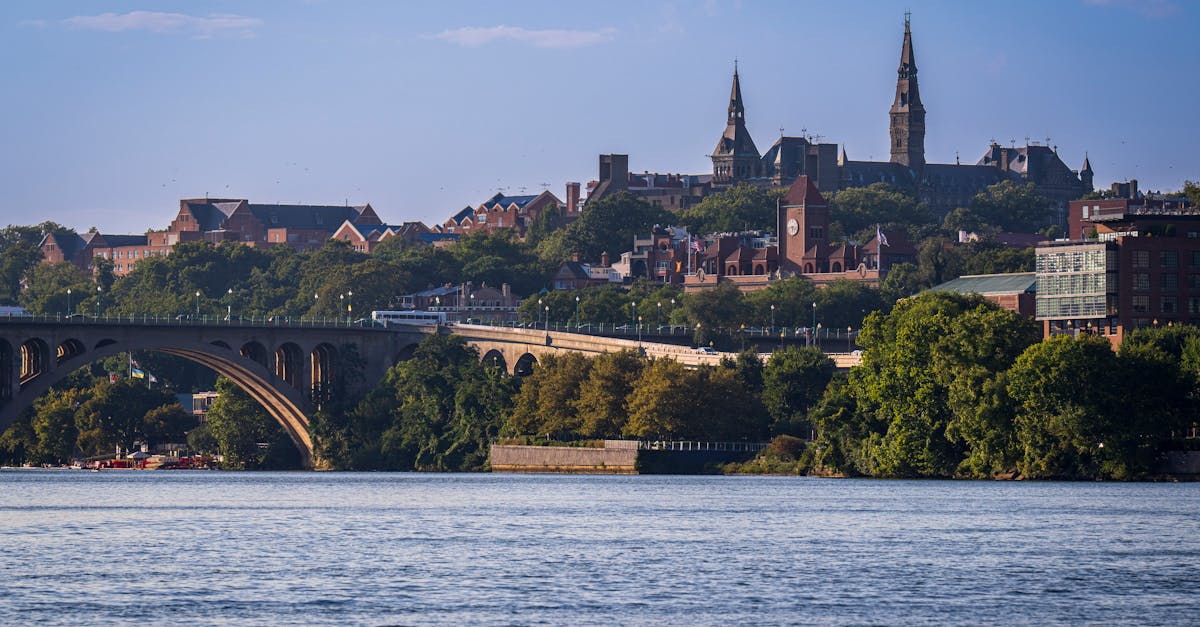
The ideal time to visit Washington DC varies depending on your interests. Spring, particularly April and May, is often considered the most pleasant season. During this time, cherry blossoms bloom, transforming the Tidal Basin into a sea of pink and white, attracting visitors from all over. The weather is mild, making it perfect for outdoor activities and sightseeing. However, be prepared for larger crowds as this season draws many tourists.
Summer months, from June to August, can be quite hot and humid, with temperatures often reaching the high 80s and low 90s. While this is peak tourist season, the city offers numerous outdoor festivals and events that can enhance your experience. However, hotel prices tend to be higher, so budget-conscious travelers might want to consider visiting in the shoulder seasons of late fall or early spring. Fall, especially October, is another lovely time to visit, as the foliage changes color and the weather remains comfortable, perfect for exploring the city’s many parks and gardens.
Where to Stay in Washington DC#
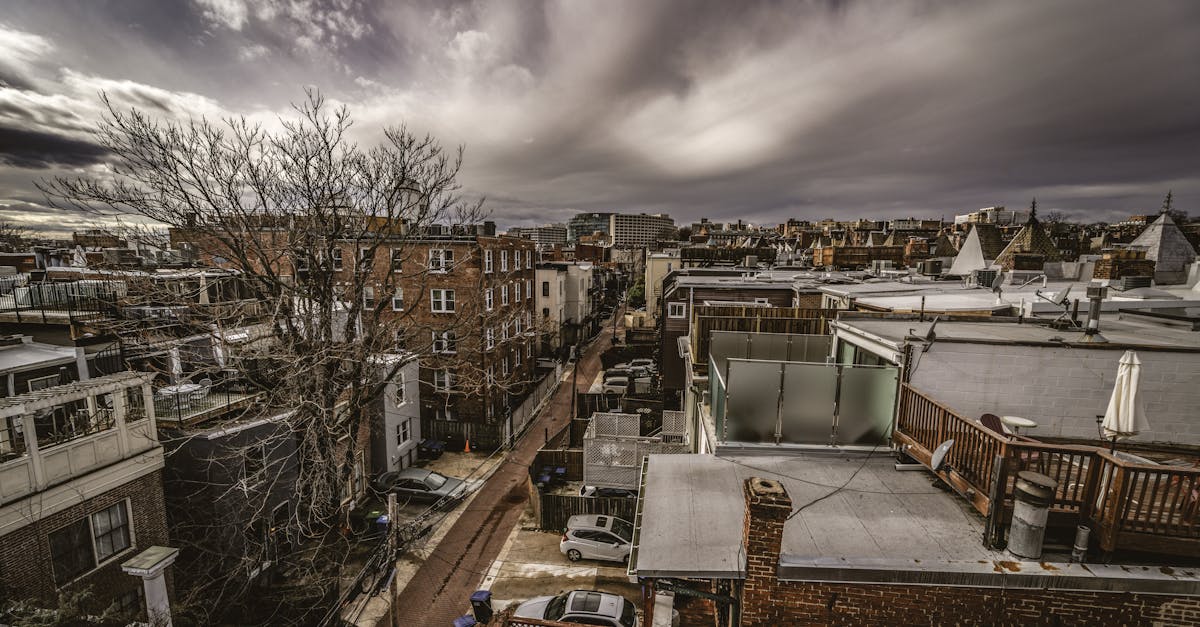
When deciding where to stay in Washington DC, consider the diverse neighborhoods that cater to various preferences and budgets. Downtown is ideal for first-time visitors, providing easy access to major attractions, shopping, and dining. This area features a range of accommodations from budget-friendly options to upscale hotels, ensuring every traveler can find something suitable.
For those seeking a more local experience, Dupont Circle offers a charming atmosphere with its historic brownstones and lively dining scene. This neighborhood is great for mid-range travelers looking for boutique hotels and cozy guesthouses. Alternatively, Georgetown is a picturesque area known for its cobblestone streets and waterfront views. Here, you’ll find a mix of luxury hotels and quaint inns, perfect for travelers wanting a touch of elegance.
If you’re on a tight budget, Capitol Hill is a solid choice. This neighborhood not only provides affordable accommodations but also gives you a chance to experience the local vibe. With its proximity to the Capitol Building and other landmarks, it’s a convenient base for exploration without breaking the bank.
Top Things to Do in Washington DC#
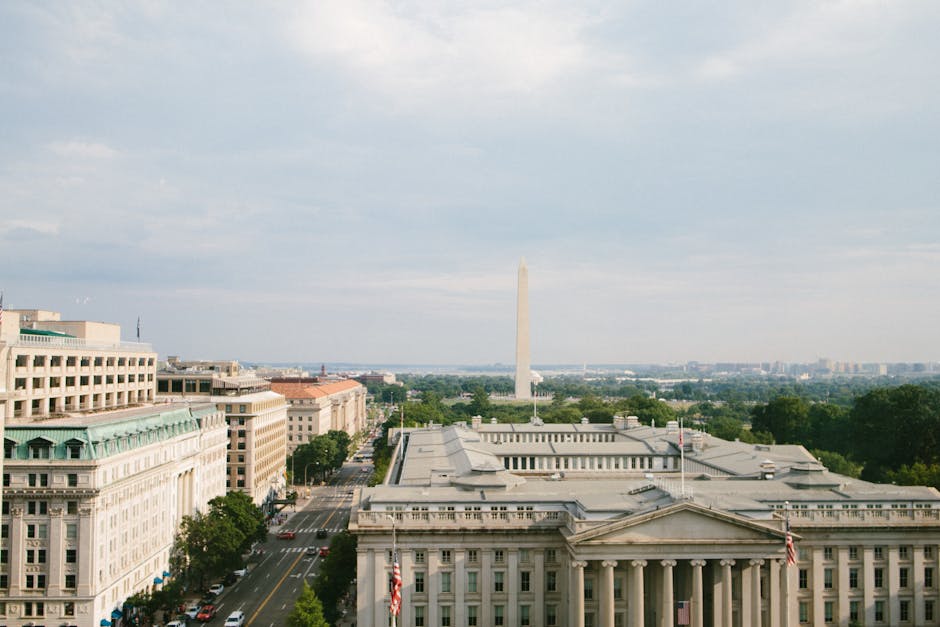
Exploring Washington DC is a journey through time, with each attraction offering a unique glimpse into the nation’s history. Begin your adventure at the Smithsonian Institution, where you can visit various museums free of charge. The National Museum of American History is a must-see, showcasing artifacts that tell the story of the United States, from the original Star-Spangled Banner to iconic cultural items.
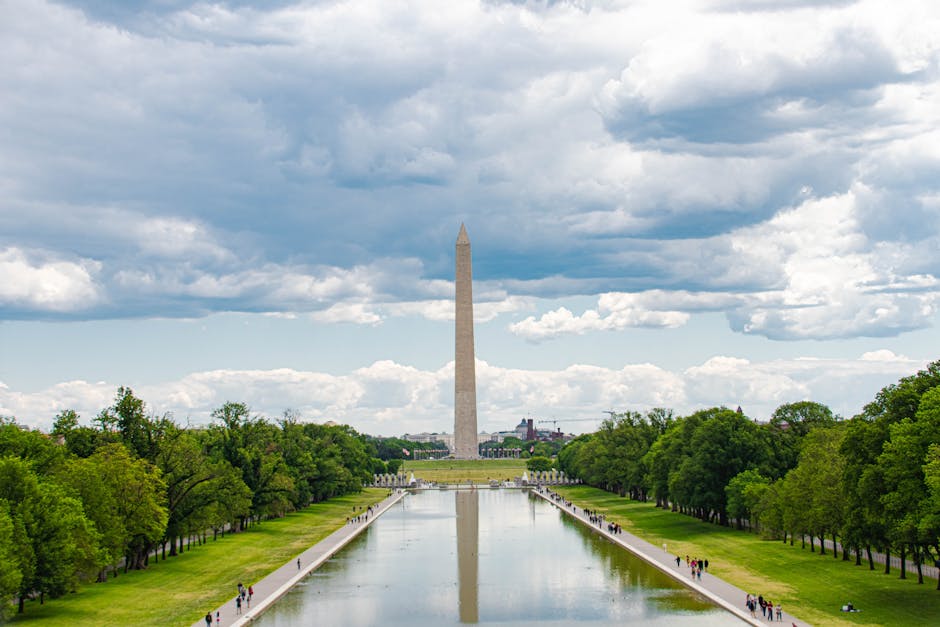
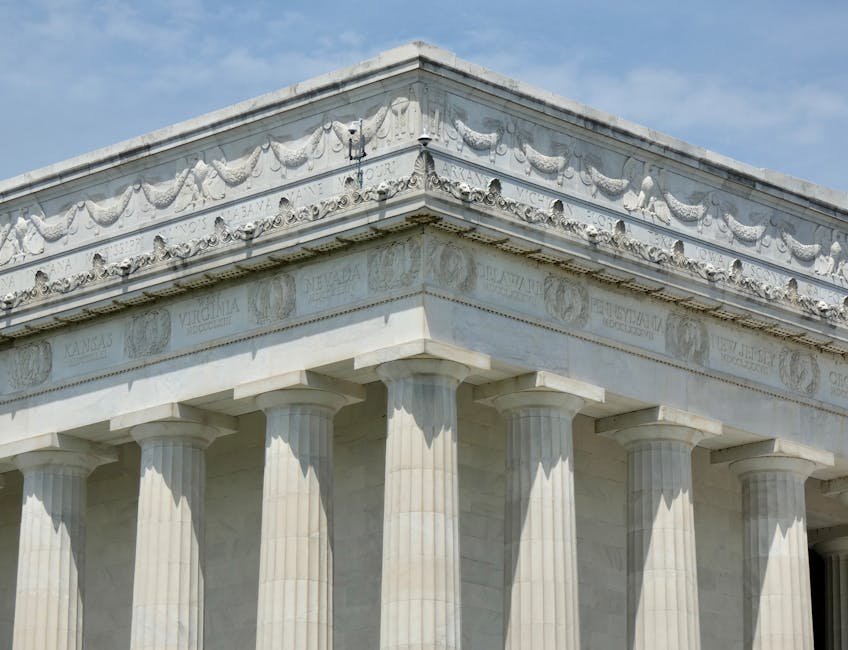
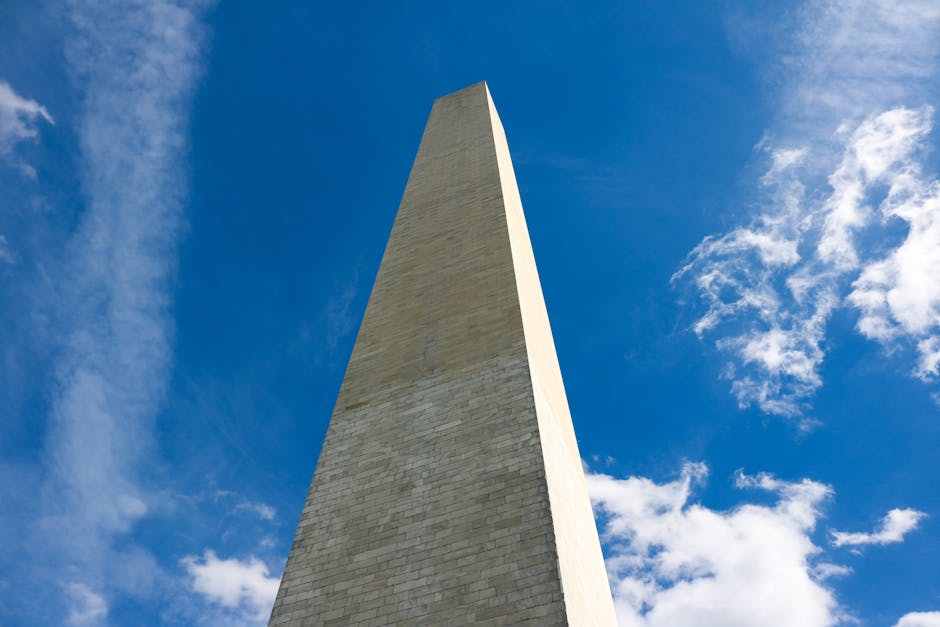
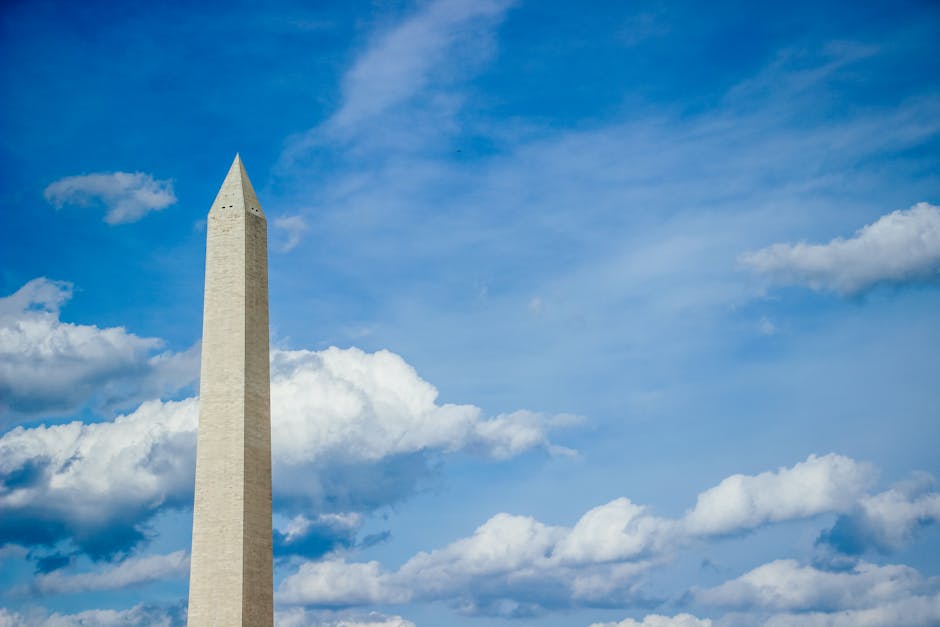
A short walk away is the Washington Monument, an iconic structure that towers over the National Mall. You can take an elevator to the top for panoramic views of the city, but be sure to reserve tickets in advance, especially during busy seasons. Nearby, the Lincoln Memorial stands as a tribute to one of America’s most revered presidents. The sight of the massive statue of Abraham Lincoln sitting contemplatively is both inspiring and humbling, especially at sunset when the memorial is beautifully illuminated.
For a change of pace, head to The Wharf, a lively waterfront district that has transformed in recent years. With its array of restaurants, shops, and live music venues, it’s an excellent spot to unwind after a day of sightseeing. Don’t miss the opportunity to enjoy some fresh seafood while overlooking the water.
If you’re interested in art, the National Gallery of Art is a great destination of masterpieces, housing works from renowned artists like Van Gogh and Monet. The museum is divided into two buildings, each with its unique collection and architectural style.
For a more off-the-beaten-path experience, consider visiting The Hirshhorn Museum and Sculpture Garden. This modern art museum features an impressive collection of contemporary works and is often less crowded than its more famous counterparts. The outdoor sculpture garden is a delightful space to explore and reflects the museum’s commitment to showcasing innovative art.
Don’t forget to pay a visit to the United States Capitol, where you can take a guided tour to learn about the legislative process and admire the stunning architecture. The Capitol’s iconic dome is a symbol of American democracy and is an essential stop on any visit to DC.
As you explore the city, take a stroll through Eastern Market in Capitol Hill. This historic marketplace offers a taste of local life, with vendors selling everything from fresh produce to handmade crafts. It’s an excellent place to grab a bite to eat and enjoy the lively atmosphere.
Finally, end your day at the Martin Luther King Jr. Memorial, where the powerful quotes and serene setting provide a moment of reflection. The memorial is particularly moving at dusk, when the lights create a peaceful ambiance.
Food and Dining Guide#
Washington DC’s culinary scene is as diverse as its population, offering a variety of dining experiences that reflect the city’s unique character. A visit to DC wouldn’t be complete without trying half-smoke, a local sausage that’s typically served with chili and onions. This dish is a staple at many eateries and food stalls, making it a perfect snack while exploring the city.
Another worth trying is jambalaya, a dish that showcases the city’s Southern influences. Many restaurants offer their own twist on this classic, making it easy to find a version that suits your taste. For a taste of the local seafood, don’t miss out on blue crabs, especially during the summer months when they are in season. Many waterfront restaurants serve them steamed with Old Bay seasoning, providing a solid taste of the region.
If you’re looking for something quick and casual, the food trucks scattered throughout the city offer a range of options from various cuisines. Whether you’re in the mood for tacos, Mediterranean wraps, or gourmet sandwiches, you’ll find something delicious on the go.
For a sit-down experience, consider visiting one of the many ethnic restaurants in neighborhoods like Adams Morgan or U Street. These areas offer a fantastic selection of international flavors, from Ethiopian to Thai, giving you the chance to explore global cuisine without leaving the city.
Getting Around Washington DC#
Navigating Washington DC is straightforward, thanks to its well-developed public transportation system. The Metro is the most efficient way to get around, with a network of trains and buses that connect major attractions. Purchasing a Metro card will save you time and money, as it can be used for both trains and buses.
Walking is another excellent option, especially in areas like the National Mall and Georgetown, where many of the attractions are within easy reach of each other. The city is pedestrian-friendly, with plenty of sidewalks and crosswalks, making it enjoyable to explore on foot.
If you prefer more flexibility, consider using ride-sharing services or taxis. They are readily available and can be a convenient way to reach destinations that are less accessible by public transit. However, parking can be challenging and expensive, so it’s often better to rely on public transportation or rideshares when possible.
Budget Breakdown#
When planning your trip to Washington DC, it’s essential to have a budget in mind. For budget travelers, accommodations typically start around $30-50 per night in hostels or budget hotels. Daily expenses for food can range from $15-30 if you stick to casual dining and street food options. Transportation costs will be minimal if you primarily use public transit, averaging around $10 a day. Entry to many attractions is free, allowing you to enjoy a full day of exploration without a hefty price tag.
Mid-range travelers can expect to pay around $100-200 per night for comfortable hotels. Dining at a mix of casual and mid-range restaurants might cost about $30-60 daily. With a combination of public transit and occasional rideshares, transportation could amount to $20-30 per day. If you plan to visit some paid attractions, budget around $20-50 for those experiences.
Luxury travelers will find numerous upscale hotels ranging from $250 and up per night, offering top-notch amenities and services. Dining at fine restaurants can easily push daily food expenses to $100 or more, especially if you indulge in multiple courses or wine pairings. For transportation, including taxis and rideshares, expect to spend $30-50 daily. If you plan to visit high-end attractions or experiences, budget an additional $100 or more.
Travel Tips for Washington DC#
Plan Ahead: Washington DC is a popular destination, especially during peak seasons. To make the most of your visit, plan your itinerary ahead of time. Reserve tickets for popular attractions and tours, particularly those that have limited availability, like the Capitol Building or the White House.
Dress Comfortably: The city is best explored on foot, so wear comfortable shoes. The weather can vary, so check the forecast and dress in layers, especially during the transitional seasons of spring and fall.
Stay Hydrated: Exploring the city can be draining, especially during the warmer months. Carry a reusable water bottle to stay hydrated while you walk around. Many public parks and fountains offer water refill stations.
Be Mindful of Security: As a major political hub, Washington DC has heightened security measures in many areas, especially near government buildings. Be prepared for security checks at museums and attractions, allowing extra time in your schedule.
Utilize Free Resources: Take advantage of the many free resources available to visitors. The National Park Service offers ranger-led tours and educational programs, while the Smithsonian museums are free to enter. Use these opportunities to enrich your experience without the added cost.
Explore Beyond the Mall: While the National Mall is a must-see, don’t miss the chance to explore neighborhoods like Adams Morgan and Capitol Hill. Each area has its unique charm and offers a different perspective on the city’s culture and history.
Respect Local Customs: Washington DC is a city of professionals and government workers. Be courteous in public spaces, and follow any posted guidelines, especially in museums and during events.