📌 Disclaimer
Prices, schedules, tour details, flight routes, visa requirements, and all other information on this page are based on data at the time of writing. Fares, availability, and policies may change. Please verify current details on the official website before booking.
Why Visit Warsaw?#
As you stroll through the streets of Warsaw, the scent of fresh pierogi wafts through the air, mingling with the sounds of laughter and conversation from nearby cafes. This city is a remarkable blend of history and modernity, where the scars of the past coexist with a spirited drive toward the future. The resilience of Warsaw is evident in its stunning architecture, from the meticulously reconstructed Old Town to the sleek skyscrapers that define its skyline. Each corner of the city tells a story, inviting travelers to explore its layers.
Warsaw’s lively arts scene, lively nightlife, and diverse culinary offerings make it a destination that appeals to a wide range of interests. Whether you’re an art enthusiast eager to visit galleries and museums, a history buff wanting to learn about its tumultuous past, or a foodie looking to indulge in traditional Polish cuisine, Warsaw offers something for everyone. Its welcoming atmosphere and friendly locals further enhance the experience, ensuring that visitors leave with lasting memories.
Best Time to Visit Warsaw#
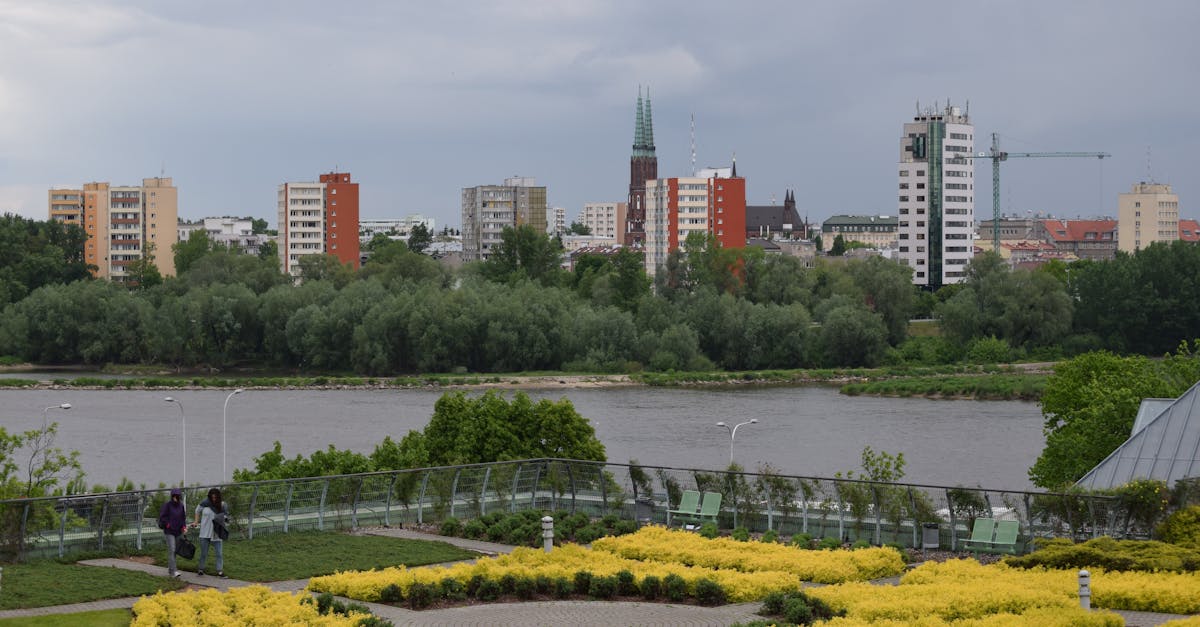
The best time to visit Warsaw largely depends on your preferences for weather and crowd levels. Spring, particularly from April to June, is a delightful time as the city comes alive with blooming flowers and warmer temperatures. Average temperatures range from the mid-50s to the mid-70s Fahrenheit, making it perfect for outdoor sightseeing. The crowds are manageable, allowing you to enjoy attractions without feeling rushed.
Summer months, especially July and August, attract many tourists to Warsaw, resulting in busy streets and higher prices for accommodations. Temperatures can reach the 80s, so be prepared for warm weather. If you don’t mind the crowds, summer is great for enjoying outdoor events and festivals.
Autumn, from September to November, offers a unique charm as the foliage transforms into lively hues. Temperatures begin to cool down, averaging from the mid-50s to the low 60s. This season also sees fewer tourists, making it an excellent time for a more relaxed experience.
Winter can be quite cold, with temperatures often dropping below freezing from December to February. However, the festive atmosphere during the holiday season, complete with Christmas markets and decorations, provides a special experience for visitors willing to brave the chill.
Where to Stay in Warsaw#
When choosing where to stay in Warsaw, consider the variety of neighborhoods that cater to different budgets and preferences. The Old Town is ideal for those looking to immerse themselves in history and culture. This area, with its charming cobblestone streets and historical sites, offers a range of accommodation options from budget hostels to mid-range hotels.
For travelers seeking a more modern vibe, the City Center is a fantastic choice. Here, you’ll find contemporary hotels and easy access to shopping and dining. This central location makes it convenient to reach many attractions, making it a popular spot for tourists.
If you prefer a quieter atmosphere, the Praga district is emerging as a trendy area with a mix of artistic flair and local character. It features boutique hotels and guesthouses that cater to various budgets, providing a unique perspective of Warsaw away from the typical tourist path.
For those who want a touch of luxury, the Mokotów district offers upscale accommodations along with beautiful parks and a more residential feel. This area is perfect for travelers looking for a balance of comfort and tranquility while still being close to the city’s main attractions.
Top Things to Do in Warsaw#
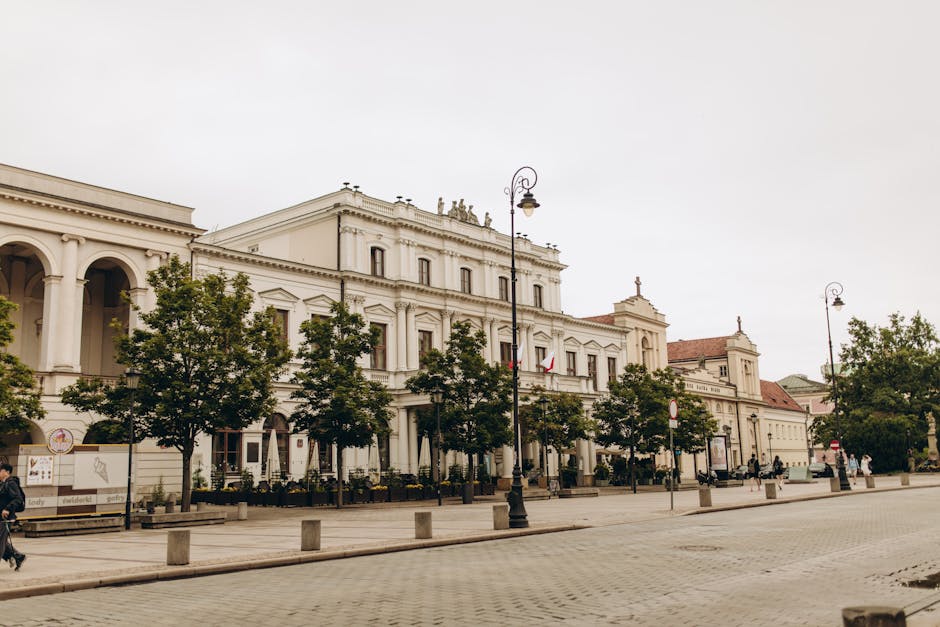
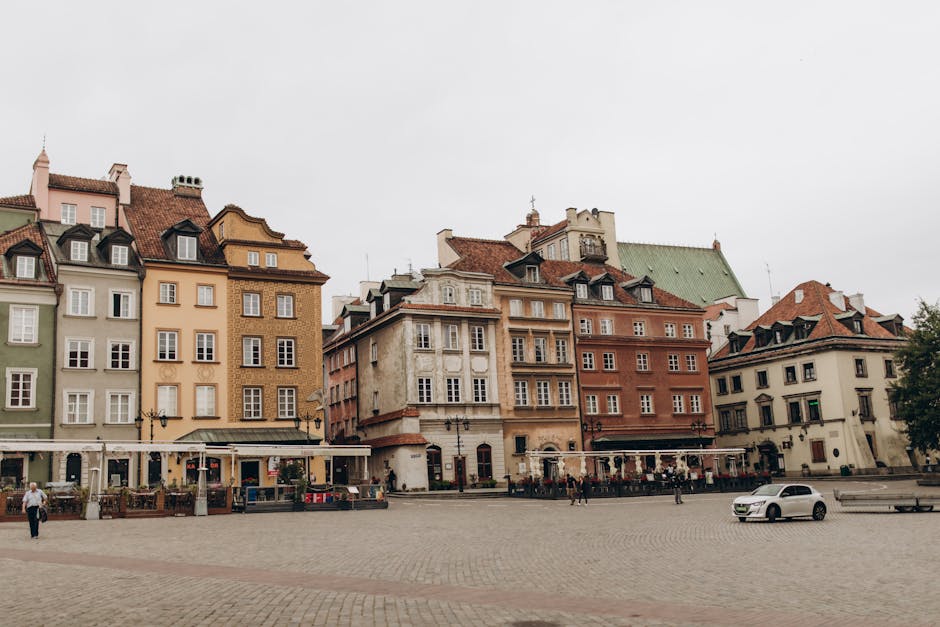
Exploring Warsaw’s Old Town is a must, where the meticulously reconstructed buildings showcase the city’s history. The Royal Castle, with its grand architecture and impressive interiors, stands as a testament to Poland’s royal past. Nearby, the charming Market Square buzzes with activity, inviting you to enjoy a coffee while admiring the colorful facades.
A visit to Lazienki Park is essential for anyone who appreciates nature and art. This expansive park features beautiful gardens, serene lakes, and the iconic Chopin Monument, where you might catch free piano concerts during the summer months. Strolling through the park is a lovely way to unwind while enjoying the local atmosphere.
For history enthusiasts, the POLIN Museum of the History of Polish Jews offers a profound insight into the Jewish community’s past in Poland. The museum’s interactive exhibits and powerful storytelling make it an enlightening experience. Just a short walk away, the Warsaw Uprising Museum provides an in-depth look at the city’s fight against Nazi occupation during World War II, showcasing the bravery and resilience of its citizens.
Art lovers should not miss the National Museum, home to an extensive collection of Polish and international art. From ancient artifacts to contemporary works, the museum offers A Practical view of artistic expression through the ages.
If you’re looking for a unique experience, explore the Praga district’s street art scene. The lively murals and graffiti tell stories of the area’s history and culture, making it a fascinating place to wander and capture photos.
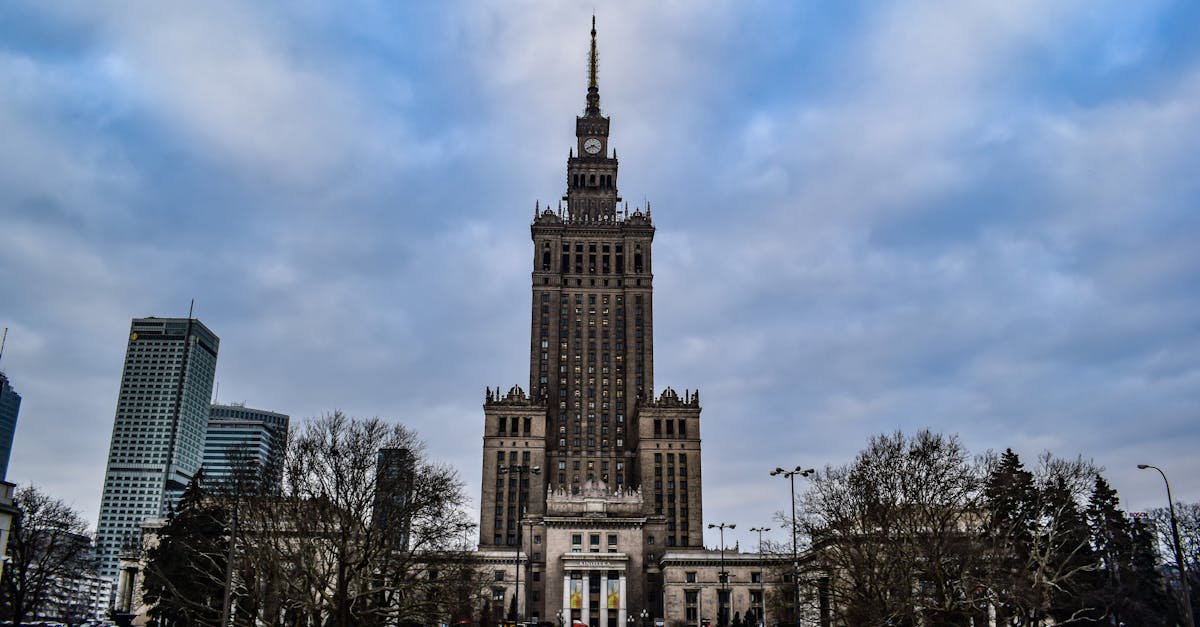
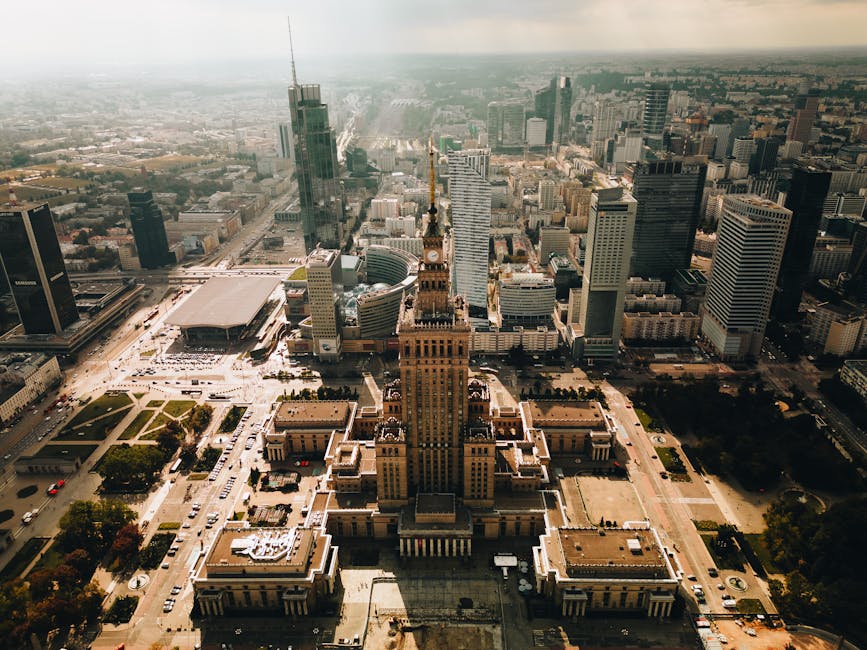
After exploring, consider visiting the Palace of Culture and Science, a controversial yet iconic symbol of Warsaw. The view from the observation deck on the 30th floor offers a breathtaking panorama of the city, especially at sunset.
For a taste of local life, head to the Vistula Boulevards, where locals gather to enjoy a leisurely day by the river. The area is dotted with cafes and bars, making it a great spot to relax and people-watch.
Lastly, don’t miss the chance to visit Wilanów Palace, often referred to as the “Polish Versailles.” This stunning baroque palace and its gardens provide a glimpse into the royal lifestyle, and the surrounding park is perfect for a leisurely stroll.
Food and Dining Guide#
Warsaw’s culinary landscape is a delightful mix of traditional flavors and modern interpretations. One of the most iconic dishes to try is pierogi, Polish dumplings filled with a variety of ingredients like potatoes, cheese, or meat. You can find these comforting bites in both casual eateries and upscale restaurants, each offering their unique twist on the classic.
Another worth trying is żurek, a sour rye soup often served with sausage and hard-boiled eggs. This hearty dish is a staple in Polish cuisine and perfect for warming up on a chilly day. Pair it with bigos, also known as hunter’s stew, which combines sauerkraut, fresh cabbage, and various meats for a filling meal that reflects the country’s rustic roots.
For a quick and tasty snack, indulge in zapiekanka, a Polish-style baguette topped with mushrooms, cheese, and various other ingredients. This street food favorite is widely available and perfect for a casual lunch while exploring the city.
If you’re looking for a more refined dining experience, consider trying sernik, a traditional Polish cheesecake that comes in various styles. Whether you prefer it baked or chilled, this dessert is a delightful way to end your meal.
Warsaw also has a growing scene of international cuisine, with restaurants offering everything from Italian to Asian fusion. Exploring different neighborhoods will reveal a diverse array of dining options, allowing you to sample flavors from around the world while still enjoying the essence of Polish cooking.
Getting Around Warsaw#
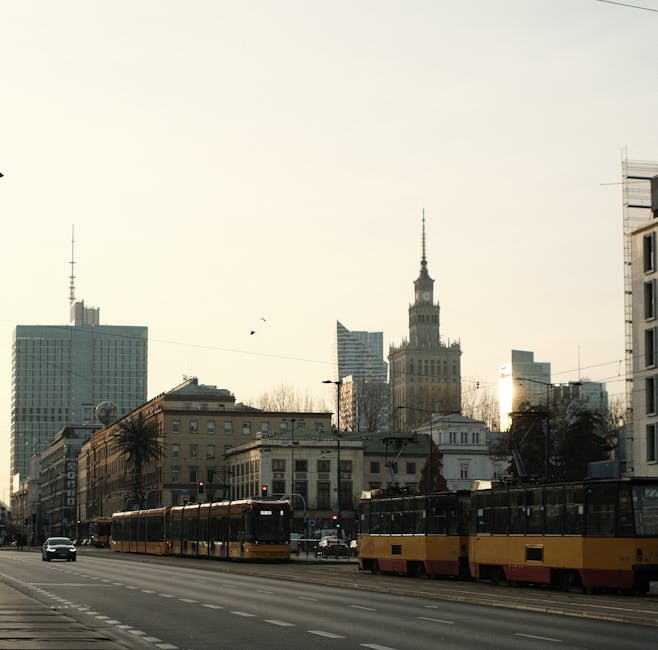
Navigating Warsaw is quite manageable, thanks to its efficient public transportation system. The city boasts an extensive network of buses, trams, and a metro system that makes getting from one attraction to another easy and affordable. Purchasing a ticket for public transit is straightforward, and you can buy them at kiosks or vending machines located in metro stations.
Taxis are also readily available, but be sure to use licensed services to ensure a safe ride. Ride-sharing apps are popular in Warsaw and often provide a convenient alternative to traditional taxis. If you prefer a more leisurely pace, walking is a great way to explore the city, especially in areas like the Old Town and Lazienki Park, where pedestrian-friendly paths abound.
For those who wish to venture beyond the city center, renting a car can be an option, but keep in mind that parking can be difficult to find in busy areas. Additionally, traffic can be congested, particularly during rush hour.
Budget Breakdown#
When planning your trip to Warsaw, it’s helpful to have a general idea of your daily budget. For budget travelers, accommodation typically starts around $30-50 per night in hostels or budget hotels. Meals at local eateries can be enjoyed for around $5-15, while public transportation costs are quite low, often under $2 per ride. With a few attractions costing around $5-10 each, a budget traveler might spend roughly $50-70 daily.
Mid-range travelers can expect to pay around $70-150 for comfortable hotels. Dining at mid-range restaurants will cost about $15-30 per meal. With transportation and activities included, a daily budget of $100-200 is reasonable for a more comfortable experience.
For luxury travelers, hotel prices can start at $200 and go much higher for upscale accommodations. Fine dining experiences might range from $30-100 per person, depending on the restaurant. With all expenses considered, luxury travelers should plan for a daily budget of $250 and up.
Travel Tips for Warsaw#
Language can be a barrier, as not everyone speaks English fluently. However, many younger Poles and those in the tourism industry are proficient, and learning a few basic Polish phrases can go a long way in connecting with locals.
Currency in Poland is the Polish złoty (PLN), and while credit cards are widely accepted, it’s wise to carry some cash for small purchases or at markets. ATMs are readily available, and currency exchange services are common.
Safety is generally good in Warsaw, but like any major city, it’s wise to stay aware of your surroundings and keep an eye on your belongings, especially in crowded areas.
Cultural Etiquette is important to note. Poles appreciate politeness, so be sure to greet people with a friendly “Dzień dobry” (Good morning) or “Dobry wieczór” (Good evening).
Tipping is customary in Poland, with rounding up the bill or leaving around 10% being common in restaurants.
Lastly, check local events or festivals happening during your visit. Warsaw hosts various cultural events, exhibitions, and concerts throughout the year, providing opportunities to engage with the local community and experience the city’s lively spirit.