📌 Disclaimer
Prices, schedules, tour details, flight routes, visa requirements, and all other information on this page are based on data at the time of writing. Fares, availability, and policies may change. Please verify current details on the official website before booking.
Why Visit Wanaka?#
📌 More about Wanaka
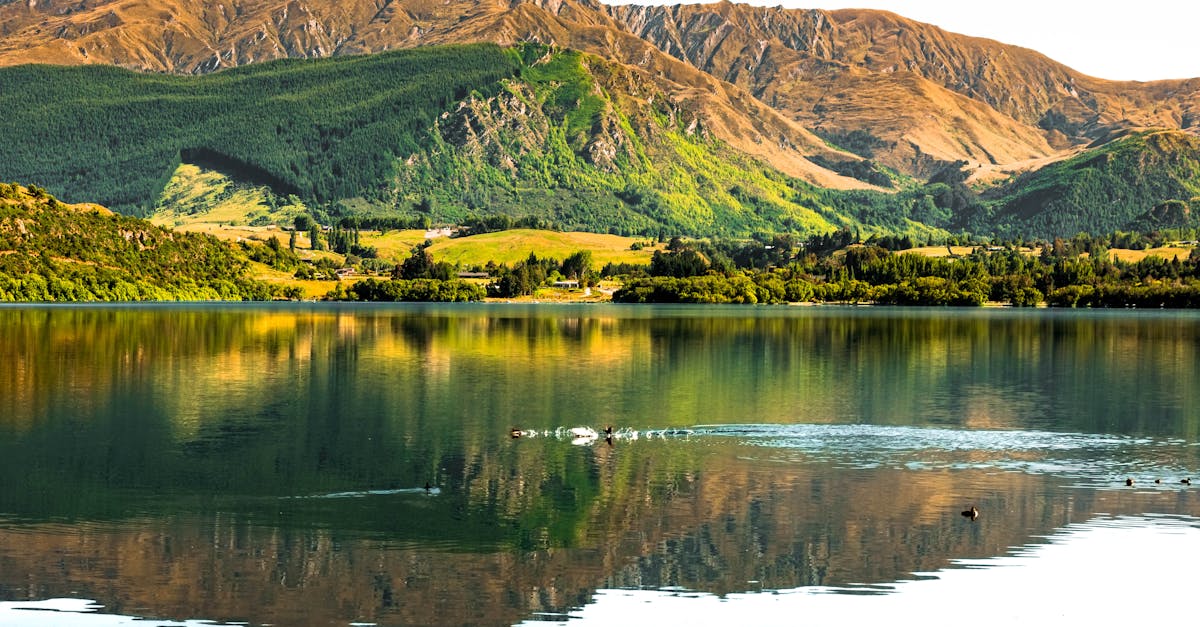
The crisp mountain air fills your lungs as you stand on the shores of Lake Wanaka, its azure waters stretching out like a shimmering blanket against the backdrop of the Southern Alps. Wanaka is a destination that offers a refreshing blend of natural beauty and outdoor adventure, making it a perfect getaway for those seeking both relaxation and excitement. With its stunning landscapes, numerous recreational activities, and a charming town atmosphere, Wanaka captures the essence of New Zealand ’s South Island.
What truly sets Wanaka apart is its accessibility to a variety of outdoor pursuits year-round. From skiing in the winter months to hiking and biking during the summer, the region caters to all types of travelers. Whether you’re longing for a peaceful lakeside stroll or an exhilarating climb up a mountain, Wanaka provides an inviting setting that encourages exploration and connection with nature.
Best Time to Visit Wanaka#
The ideal time to visit Wanaka largely depends on the activities you wish to pursue. Summer, stretching from December to February, brings warm temperatures averaging around 70-80°F, making it perfect for hiking, biking, and water sports. This season attracts larger crowds, particularly during the Christmas and New Year holidays, so booking accommodations in advance is advisable.
As autumn arrives in March and April, the temperatures gradually cool, offering a more tranquil experience with stunning fall foliage painting the landscape. This is an excellent time for photography and enjoying the local wineries, as the crowds thin out and prices often drop.
Winter, from June to August, transforms Wanaka into a snowy wonderland, ideal for skiing and snowboarding enthusiasts. Expect temperatures to range from 30-50°F, and while popular ski resorts draw visitors, the picturesque scenery remains a significant draw. Lastly, spring (September to November) is characterized by blooming flowers and mild weather, making it a lovely time for outdoor activities without the summer rush.
Where to Stay in Wanaka#
When it comes to accommodations in Wanaka, the options cater to various budgets and preferences. For budget travelers, the areas near the town center or by the lake provide affordable hostels and motels, ensuring easy access to local attractions. These options typically start around $30-50 per night.
For those seeking mid-range accommodations, consider staying in neighborhoods slightly away from the main tourist areas, where you can find cozy lodges or serviced apartments. These often provide more space and amenities, allowing for a comfortable stay at moderate prices.
Luxury travelers can indulge in upscale lodges or boutique hotels that offer stunning views of the lake and mountains. These properties often feature high-end dining and spa services, making for a pampered experience.
Regardless of your choice, proximity to the lake and local amenities will enhance your Wanaka experience.
Top Things to Do in Wanaka#
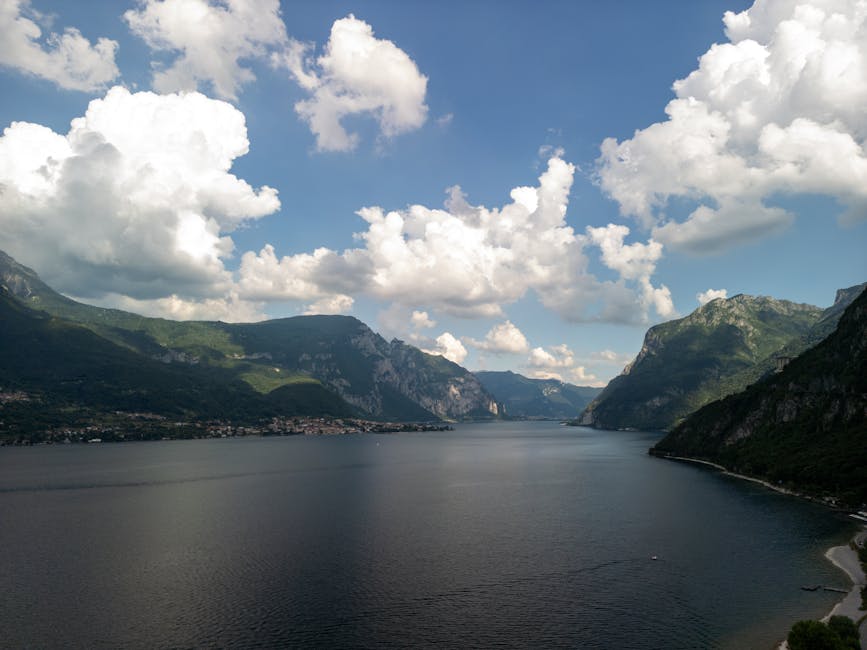
In Wanaka, outdoor activities reign supreme, and the natural landscape is your playground. Lake Wanaka, the centerpiece of the town, invites visitors to partake in various water activities, from kayaking to paddleboarding. The scenic lakefront path is perfect for a leisurely stroll or bike ride, where you can take in the views of the surrounding mountains.
For those craving a bit of adventure, Treble Cone Ski Area is just a short drive away and offers some of the best skiing and snowboarding in New Zealand during winter months. In the warmer seasons, the same area transforms into a great for mountain biking, with trails catering to all skill levels.
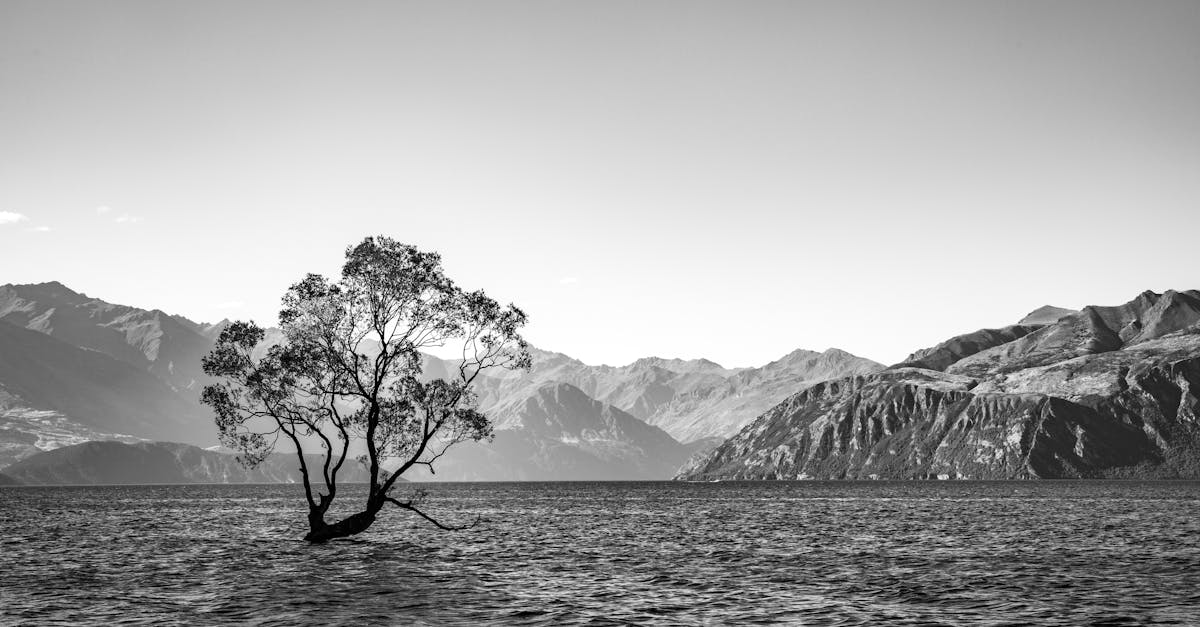
A visit to Wanaka wouldn’t be complete without experiencing the iconic That Wanaka Tree. This lone willow tree, standing in the lake, has become a symbol of the town and is a favorite spot for photographers, especially during sunrise and sunset.
For a more immersive experience, the Mount Iron Track provides a moderate hike with rewarding panoramic views of the region. The trail is not overly strenuous and is suitable for families, making it a popular choice among visitors.
Art enthusiasts will appreciate the Wanaka Arts Centre, where local artists showcase their work. The center often hosts workshops, allowing you to engage creatively during your stay.
Nearby, the Rippon Vineyard invites wine lovers to taste locally produced wines amid breathtaking vineyard views. The combination of fine wine and stunning scenery makes for a relaxing afternoon.
If you’re up for a challenge, consider hiking the Roy’s Peak Track. This demanding trail rewards hikers with one of the most spectacular views in New Zealand at the summit, where you can see the entire lake and surrounding mountains.
For something more laid-back, the Wanaka Lavender Farm offers a serene escape with its fragrant fields and charming café. It’s an excellent spot for families, providing a delightful atmosphere to explore and unwind.
Lastly, for a unique experience, consider taking a scenic flight over the Southern Alps. This aerial perspective reveals the majestic beauty of the landscape and is an adventure you won’t soon forget.
Food and Dining Guide#
Wanaka’s dining scene reflects its stunning surroundings, offering a delightful array of local flavors and international cuisines. Start your culinary journey with green-lipped mussels, a local delicacy that captures the essence of New Zealand’s coastal waters. Served in various styles, from garlic butter to spicy marinades, these mussels are a worth trying when visiting.
For a heartier option, indulge in a classic lamb dish. New Zealand lamb is renowned for its quality, and you’ll find it prepared in several ways at local restaurants, from slow-roasted to grilled. Pair it with seasonal vegetables for a truly satisfying meal.
If you’re in the mood for something quick, try the fish and chips from one of the local takeaways. This classic dish is perfect for enjoying by the lake, and you’ll often find fresh, locally caught fish on the menu.
For dessert, don’t miss out on pavlova, a meringue-based treat topped with whipped cream and fresh fruits. This dessert is a Kiwi favorite and is sure to satisfy your sweet tooth.
The dining scene also includes options for casual dining, where you can find everything from burgers to gourmet pizzas. Many establishments emphasize fresh, local ingredients, allowing you to experience the flavors of the region in a relaxed setting.
Street food options are also available, particularly during local markets. Here, you can sample artisanal products, handmade pastries, and other delightful snacks that showcase Wanaka’s culinary creativity.
Getting Around Wanaka#
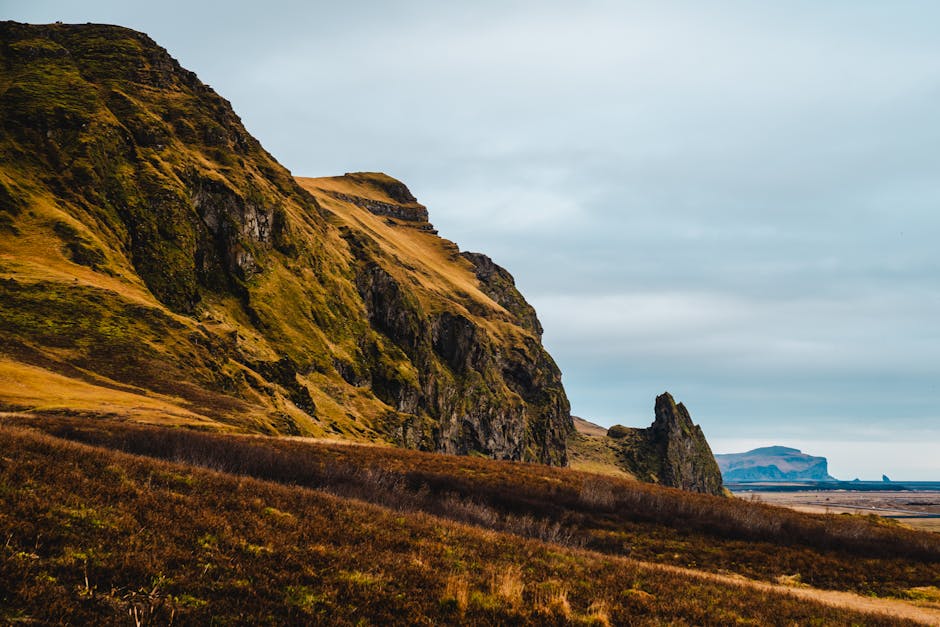
Navigating Wanaka is relatively straightforward, thanks to its compact size. While public transport options are limited, the town is very walkable, making it easy to explore the main attractions on foot. If you prefer a faster pace, consider renting a bike to cover more ground while enjoying the scenery.
For those planning to venture further afield, renting a car is a popular choice. This allows you the flexibility to explore surrounding areas at your own pace, including nearby attractions such as Queenstown or the stunning landscapes of Mount Aspiring National Park.
Taxis and ride-sharing services are also available, providing convenient transport options for those who prefer not to drive. However, keep in mind that costs can add up, especially for longer distances.
Budget Breakdown#
When planning your trip to Wanaka, it’s helpful to have a rough idea of daily expenses based on your travel style. For budget travelers, expect to spend around $70-100 per day. This typically includes shared accommodation, meals from local cafés or takeaways, and some low-cost activities like hiking and exploring the town.
Mid-range travelers can anticipate a budget of approximately $150-250 daily. This allows for comfortable lodging, dining at nicer restaurants, and additional activities such as winery tours or scenic flights.
For luxury travelers, daily expenses can range from $300 upwards. This budget includes upscale accommodations, gourmet dining experiences, and exclusive activities like private tours or spa treatments.
Regardless of your budget, Wanaka offers a range of experiences that cater to different preferences, ensuring an enjoyable visit for everyone.
Travel Tips for Wanaka#
Pack for the Weather: The weather in Wanaka can be unpredictable, so it’s wise to dress in layers. Even in summer, evenings can be cool, and sudden rain showers are not uncommon. Bringing a waterproof jacket and comfortable walking shoes will enhance your experience.
Stay Hydrated: If you plan on hiking or engaging in outdoor activities, make sure to carry water with you. Staying hydrated is essential, especially during warmer months, to keep your energy levels up.
Book in Advance: If you’re visiting during peak travel seasons, such as summer or winter holidays, secure your accommodations and any activities in advance. This ensures you won’t miss out on popular attractions or experiences.
Respect the Environment: New Zealand places a strong emphasis on preserving its natural beauty. Be mindful of where you walk, stay on marked trails, and always dispose of waste properly to help keep Wanaka pristine.
Engage with Locals: Don’t hesitate to ask locals for recommendations on dining or activities. They often have valuable insights and can direct you to lesser-known spots that might not be on the typical tourist path.
Check for Events: Wanaka hosts various events and festivals throughout the year. Checking local calendars can enhance your visit, as you may discover unique cultural experiences or local markets during your stay.
Embrace the Adventure: Be open to trying new activities, whether it’s a thrilling outdoor sport or a local dish. Embracing the adventurous spirit of Wanaka will lead to memorable moments and a deeper appreciation of the destination.