📌 Disclaimer
Prices, schedules, tour details, flight routes, visa requirements, and all other information on this page are based on data at the time of writing. Fares, availability, and policies may change. Please verify current details on the official website before booking.
Why Visit Volos?#
The scent of grilled octopus and briny sea air hangs heavy over the waterfront promenade as the sun dips behind the towering silhouette of Mount Pelion. Volos serves as the definitive gateway between the rugged, forested slopes of mythic mountains and the gentle, turquoise expanse of the Pagasetic Gulf. Unlike the islands that draw massive international crowds, this port city maintains a grounded, working-class energy that feels authentically Greek. It is a place where locals spend their afternoons sipping coffee while watching ferries depart for the Sporades, offering a rare look at a coastal city that functions for its residents rather than solely for tourists.
Visitors choose this destination for the rare ability to transition from a mountain hike through ancient chestnut forests to a swim in the sea within the span of an hour. The city acts as a central hub, providing the infrastructure of a modern urban center while remaining within arm’s reach of the traditional stone villages that dot the slopes of the Pelion peninsula. It provides a balanced experience for those who want to see the authentic side of Greece , away from the heavily polished souvenir shops found in more famous destinations.
Best Time to Visit Volos#
Planning a trip to this region requires balancing the desire for beach weather with the reality of Greek summer heat. The months of May, June, and September offer the most comfortable conditions for travelers. During these shoulder seasons, the weather remains warm enough for swimming in the gulf, yet the midday temperatures stay manageable for walking through the city streets or hiking the trails of Mount Pelion. You will find that the crowds are significantly thinner during these months, and accommodation pricing tends to be more favorable compared to the peak of July and August.
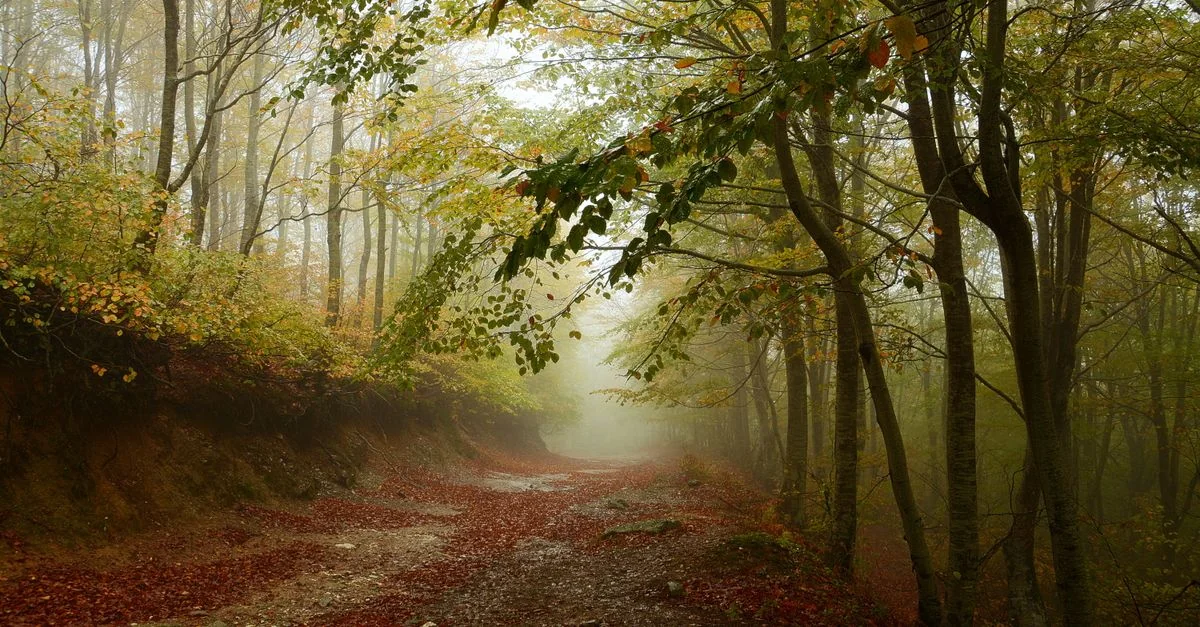
July and August bring intense heat and the annual migration of Greek families to the coast. While the city becomes quite lively during this time, the temperatures can climb high enough to make strenuous outdoor activity difficult. If you choose to visit during these months, plan your schedule around early mornings and late evenings. October is an excellent choice for those who prefer cooler, crisp air. While the water may be too chilly for long swims, the autumn foliage on the mountain slopes is spectacular, and the overall pace of the city slows down to a comfortable, local rhythm. Winter is quiet and occasionally rainy, but it provides a unique opportunity to see the nearby mountain villages covered in snow, offering a stark contrast to the typical seaside vacation.
Where to Stay in Volos#
The waterfront area, known as the Paralia, serves as the primary focal point for most visitors. Staying near the harbor provides immediate access to the ferry terminals and the dense concentration of restaurants and cafes that line the water. This area is ideal for those who want to be in the center of the action and prefer to walk to their dining destinations. You will find a range of mid-range options here, often housed in renovated buildings that offer views of the gulf. It is the most convenient location for travelers who plan to use the city as a base for day trips to the islands.
For a quieter experience, the neighborhood surrounding the Agios Konstantinos park provides a more residential atmosphere. This area is slightly removed from the noise of the main port but remains within a short walking distance of the city center. It features leafy streets and proximity to the seaside park, making it a preferred choice for families or those seeking a more relaxed pace. Accommodations here often lean toward boutique guest houses or smaller, family-run establishments that offer a more personal touch.
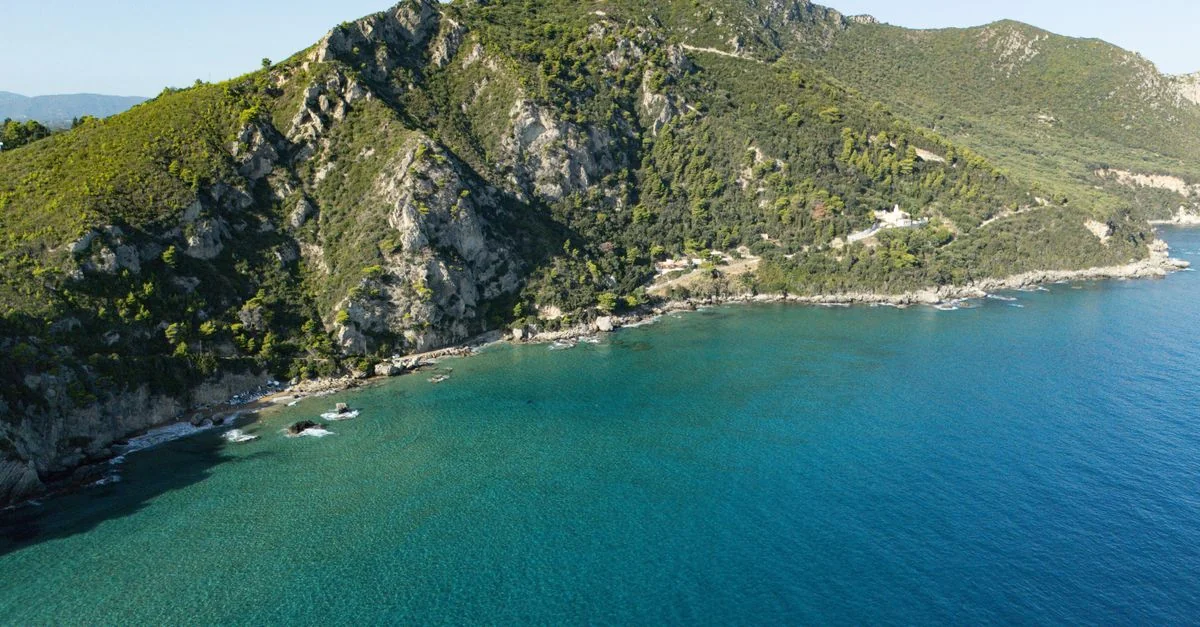
If you are looking for a luxury experience or a more scenic backdrop, consider looking toward the lower slopes of Mount Pelion, just on the outskirts of the city. These locations offer elevated views of the gulf and a cooler microclimate. While you will need a vehicle or a taxi to reach the city center, the trade-off is a serene environment surrounded by greenery. Budget-conscious travelers will find the best value by looking a few blocks inland from the waterfront or in the neighborhoods bordering the university district, where smaller apartments and hostels cater to a younger crowd and offer significant savings compared to the prime seaside spots.
Top Things to Do in Volos#
The Archaeological Museum of Volos stands as a primary destination for those interested in the deep history of the region. It houses a collection that spans from the Neolithic era to the Hellenistic period, showcasing intricate jewelry, pottery, and funerary stelae found in nearby settlements. The curation is thoughtful and provides necessary context for the ancient sites scattered throughout the surrounding plains. After exploring the museum, a walk to the Agios Konstantinos Church is essential. This building is a landmark of the waterfront, designed with a blend of neoclassical and Byzantine influences that reflect the architectural evolution of the city.
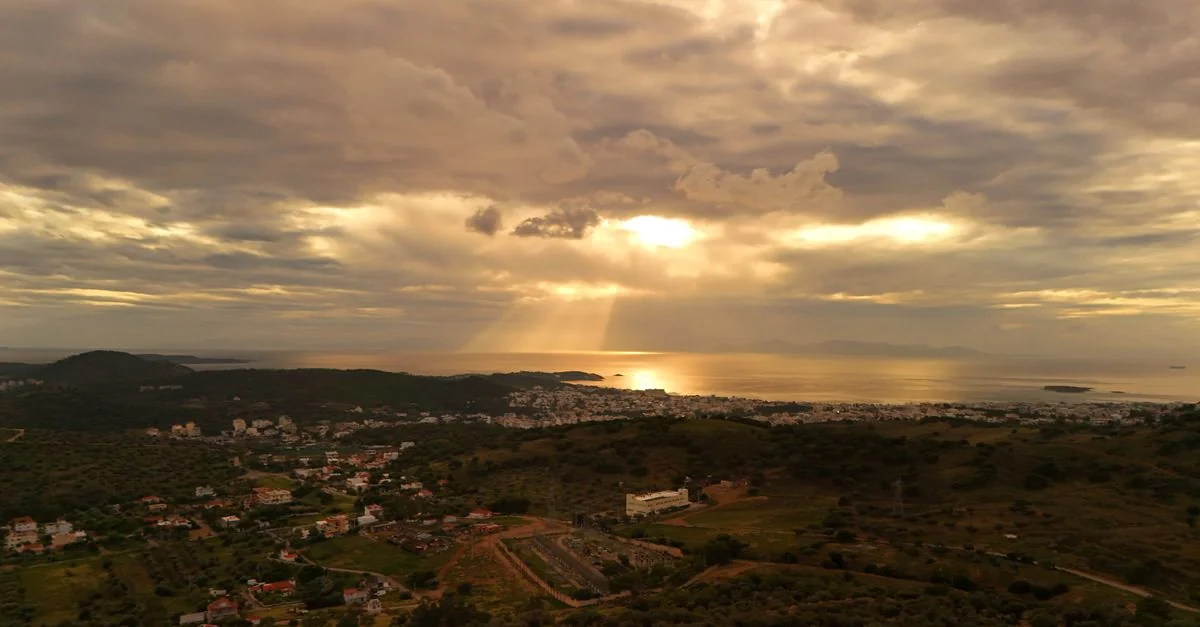
For a deeper connection to the local landscape, head toward the Anavros Park area. This coastal path is a favorite among residents for morning jogs and evening strolls. It leads toward the Athanasakeion Archaeological Museum, but the real draw is the open-air sculpture gallery that lines the walkway, featuring works by Greek artists that look out over the water. If you have a vehicle, driving up to the mountain village of Makrinitsa is non-negotiable. Often called the balcony of Mount Pelion, it offers a dramatic perspective of the city and the gulf below. The village is known for its traditional stone mansions and a central square shaded by massive plane trees where you can enjoy local coffee.
Back in the city, the Tsalapata Rooftile and Brickworks Museum offers a fascinating look at the industrial history of the region. Located in a repurposed factory, it preserves the machinery and tools of a bygone era, providing a glimpse into the economic foundation of the city. For those seeking time on the water, the Pagasetic Gulf is best experienced by renting a small boat or taking a local excursion to the nearby beaches. The Alikes Beach area is popular for its shallow, calm waters, making it a straightforward choice for a relaxing afternoon under the sun. Finally, no visit is complete without spending time at the Volos Port, where you can watch the fishing boats unload their daily catch, a daily ritual that serves as the lifeblood of the local economy.
Food and Dining Guide#
The culinary identity of this city is defined by the Tsipouradiko, a traditional establishment centered around the serving of local spirits. When you order a round of Tsipouro, a potent grape-based distillate, the waiter automatically brings a small plate of meze to accompany it. These plates often feature Grilled Octopus, which is caught fresh in the gulf and charred to perfection over charcoal. Another staple is Saganaki, a fried cheese dish that is served piping hot and often drizzled with lemon. You will find that the quality of these small plates depends heavily on the seasonal availability of seafood, ensuring that you are always eating what the local boats have brought in that morning.
Beyond the meze culture, look for Spetzofai, a hearty dish made with local sausages and peppers cooked in a rich tomato sauce. It is a staple of the mountain villages and is widely available in the tavernas of the city. For a quick bite, street food options include various iterations of Bougatsa, a pastry filled with either sweet custard or savory cheese. You will see locals grabbing these for breakfast or a mid-morning snack. For the best dining experiences, avoid the restaurants that have aggressive touts outside. Instead, follow the crowds of locals into the side streets where the menus are handwritten and the atmosphere is noisy and unpretentious.
Getting Around Volos#
Navigating the city center is best done on foot, as the grid layout is relatively flat and easy to follow. The waterfront promenade is entirely pedestrian-friendly and connects the main residential areas to the port. For longer distances, the city operates a reliable bus network that connects the center to the outlying neighborhoods and the base of Mount Pelion. Bus tickets are inexpensive and can be purchased at kiosks located near major stops. Taxis are also readily available and are a practical choice if you are traveling with luggage or heading to a specific destination in the hills.
If you plan to explore the surrounding mountain villages or reach more secluded beaches, renting a car is the most efficient option. The roads leading up to the mountains are well-maintained but can be narrow and winding, requiring a bit of patience and caution. Public transport to the higher villages exists but follows a limited schedule, which can restrict your flexibility. Parking in the city center can be a challenge during the peak summer months, so look for public parking lots on the outskirts of the main downtown area to avoid the stress of hunting for a spot on the street.
Budget Breakdown#
Travelers on a budget can comfortably navigate this city by focusing on local tavernas and utilizing public transit. Accommodation in this tier usually consists of shared rooms or smaller apartments located slightly away from the primary waterfront. You can expect to spend a modest amount per day, with the majority of your funds going toward simple, local meals and bus fare. Middle-range travelers can enjoy boutique guesthouses and daily excursions to the mountain villages or the islands. This budget allows for more frequent dining out at sit-down restaurants and the flexibility to use taxis or a rental car for regional exploration.
Luxury travelers will find that the upscale market here focuses on renovated historic properties and villas located on the lower slopes of Mount Pelion. These establishments offer high levels of service and panoramic views of the gulf. Daily spending in this category will be significantly higher, accounting for private guided tours, premium dining experiences, and the convenience of private transportation. Regardless of your budget, the cost of entry to museums and historical sites remains quite low, making culture accessible to everyone regardless of their financial tier.
Travel Tips for Volos#
Language is an important aspect of your visit, as English is widely spoken in the hospitality sector, but learning a few basic Greek phrases goes a long way. Locals appreciate the effort, and a simple greeting in the local tongue can often lead to more attentive service at smaller family-run cafes. Tipping is not mandatory in the same way it is in the United States , but rounding up the bill or leaving a small amount of change is common practice in tavernas. If you receive exceptional service, a modest tip is always welcomed by the staff.
Water quality in the city is generally good, but many locals and travelers prefer to purchase bottled water for convenience. If you are hiking in the mountains, always carry more water than you think you will need, as the sun can be intense even on cooler days. Connectivity is reliable throughout the city, and you will find free Wi-Fi in most cafes and public spaces. If you need a stable connection for work, the local libraries and co-working spaces are excellent resources.
Safety is generally not a concern, as the city is quite secure for travelers. However, like any port city, it is wise to keep an eye on your belongings in crowded areas and at the ferry terminal. Dress code is casual, but keep in mind that if you plan to visit churches or monasteries in the surrounding mountains, modest clothing that covers your shoulders and knees is required. Finally, Sun Protection is vital. The Greek sun is strong, and a high-SPF sunscreen, sunglasses, and a hat are essential gear, even if you are just walking around the city for a few hours.
📌 Disclaimer
Prices, schedules, tour details, flight routes, visa requirements, and all other information on this page are based on data at the time of writing. Fares, availability, and policies may change. Please verify current details on the official website before booking.
📌 More about Volos