📌 Disclaimer
Prices, schedules, tour details, flight routes, visa requirements, and all other information on this page are based on data at the time of writing. Fares, availability, and policies may change. Please verify current details on the official website before booking.
Why Visit Visby?#
The scent of salt air mingles with the faint, earthy aroma of ancient limestone as you walk along the medieval fortifications that ring the town. Visby, located on the Swedish island of Gotland, feels like a page torn from a storybook, yet it remains firmly rooted in the practical reality of island life. Unlike the polished, modern aesthetic found in Stockholm , this town offers a tangible connection to the Middle Ages, with its winding cobblestone alleys and the skeletal remains of stone churches standing as silent sentinels against the Baltic Sea. It is a place where history is not tucked away in a glass case but is instead the foundation of daily life.
What makes this destination stand out for American travelers is the rare combination of accessibility and isolation. While you are technically in Sweden , the island culture feels distinct, marked by a slower pace and a deep pride in local agriculture and craftsmanship. You can spend your morning studying the defensive architecture of a thirteenth-century wall and your afternoon cycling through sheep-dotted pastures that stretch toward the horizon. It is a location that rewards the observant traveler, offering a quiet, contemplative atmosphere that stands in stark contrast to the frantic energy of major European capitals.
Best Time to Visit Visby#
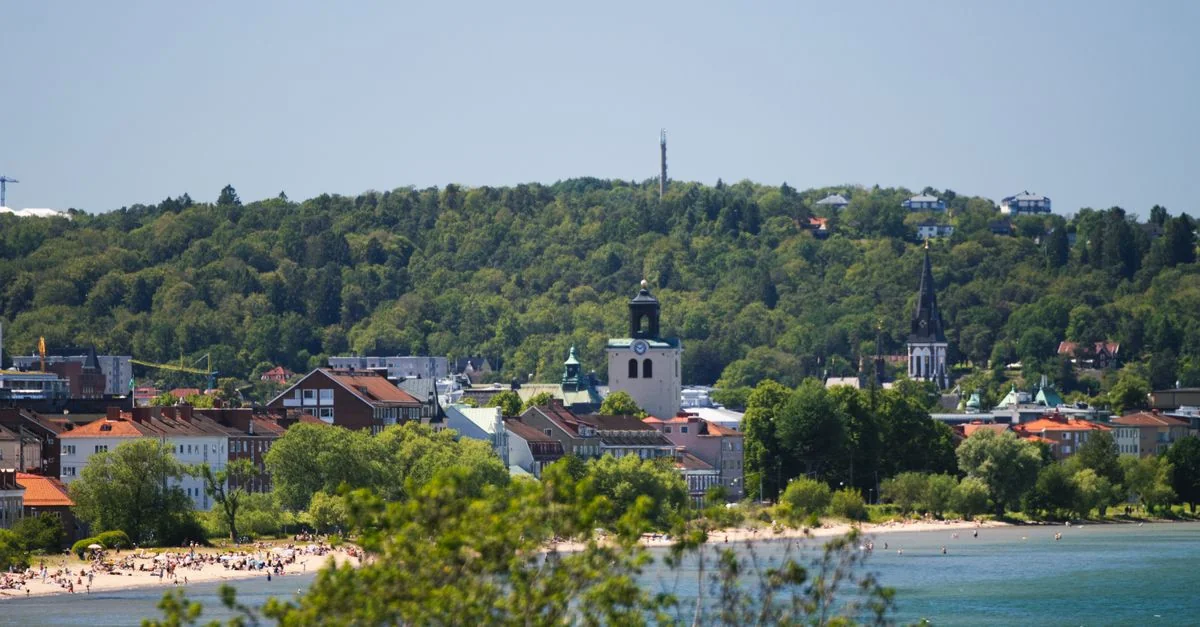
Deciding when to arrive depends entirely on what you want from your island experience. The peak season falls between late June and mid-August, when the Swedish sun lingers long into the evening and the town reaches its maximum activity level. During these months, the weather is mild and perfect for outdoor exploration, though you should expect higher prices and larger groups of people. If you prefer a quieter experience, the shoulder seasons of May and September offer a different perspective. In May, the island begins to bloom, and the crowds are thin, though the Baltic water remains bracingly cold. September brings a crispness to the air and a golden light that photographers often find superior to the harsh midday sun of mid-summer.
Winter in Visby is a stark, solitary affair. Most tourist-focused businesses close their doors, and the town returns to the locals. While you will find the lowest prices of the year, you must be prepared for short, dark days and unpredictable weather. For most travelers, the window between mid-June and late August provides the most reliable access to amenities, ferry schedules, and outdoor events. If you choose to visit during the height of summer, ensure you book your travel arrangements well in advance, as the island is a favorite getaway for Scandinavians and space fills up rapidly.
Where to Stay in Visby#
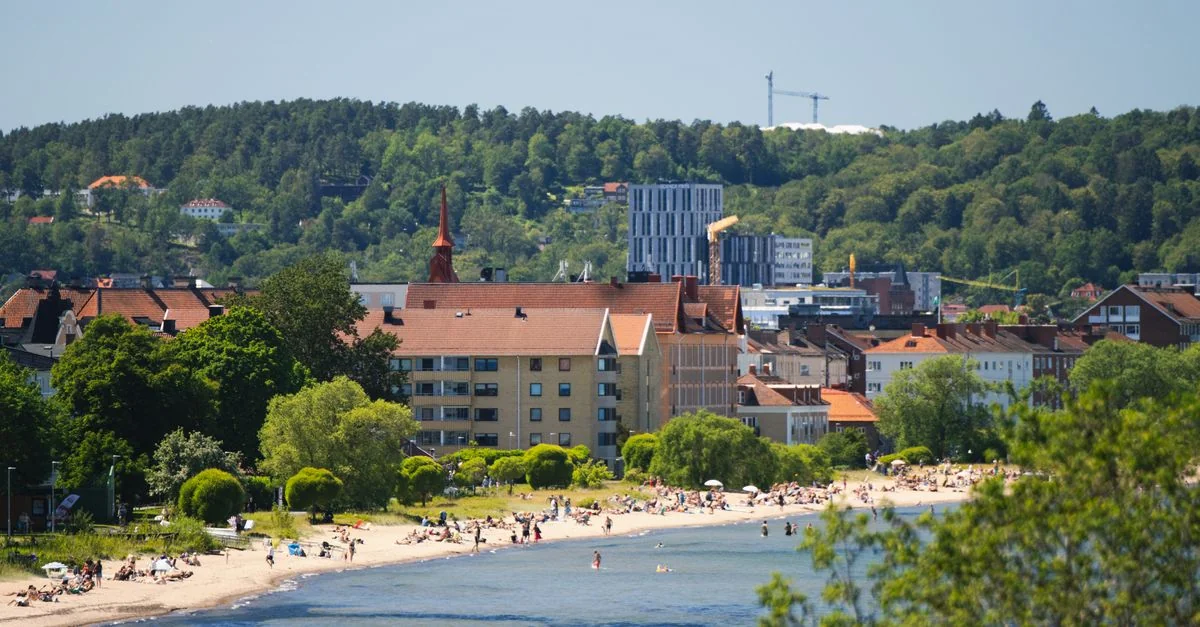
For those who want to be in the heart of the action, the Inner City is the primary choice. Staying within the medieval walls means you are steps away from the main thoroughfare and the historic ruins. You will find a range of options here, from modest guesthouses tucked into converted stone buildings to more upscale boutique properties. This area is ideal if you prefer to walk everywhere, though it can become quite loud during the peak summer weeks when the streets are filled with visitors.
Just outside the wall, the North District offers a more residential feel. This area is perfect for travelers looking for a mid-range experience, often featuring apartment-style rentals that provide more space and a kitchen for preparing local ingredients. It is quiet, leafy, and still within a ten-minute walk of the city gates. The proximity to the coast allows for easy access to the rocky shoreline, making it a favorite for those who enjoy morning walks by the water.
If you are seeking a quieter, more nature-focused stay, look toward the Southern Coastline or the outskirts of the town. Here, you will find luxury villas and modern retreats that prioritize views of the Baltic Sea over proximity to the nightlife. These locations usually require a bicycle or a rental car to reach the center, but they offer a peaceful refuge at the end of a long day. If you are traveling on a tighter budget, look for hostels or holiday villages slightly further inland, where you can find lower rates while still maintaining access to the island’s excellent bus network.
Top Things to Do in Visby#
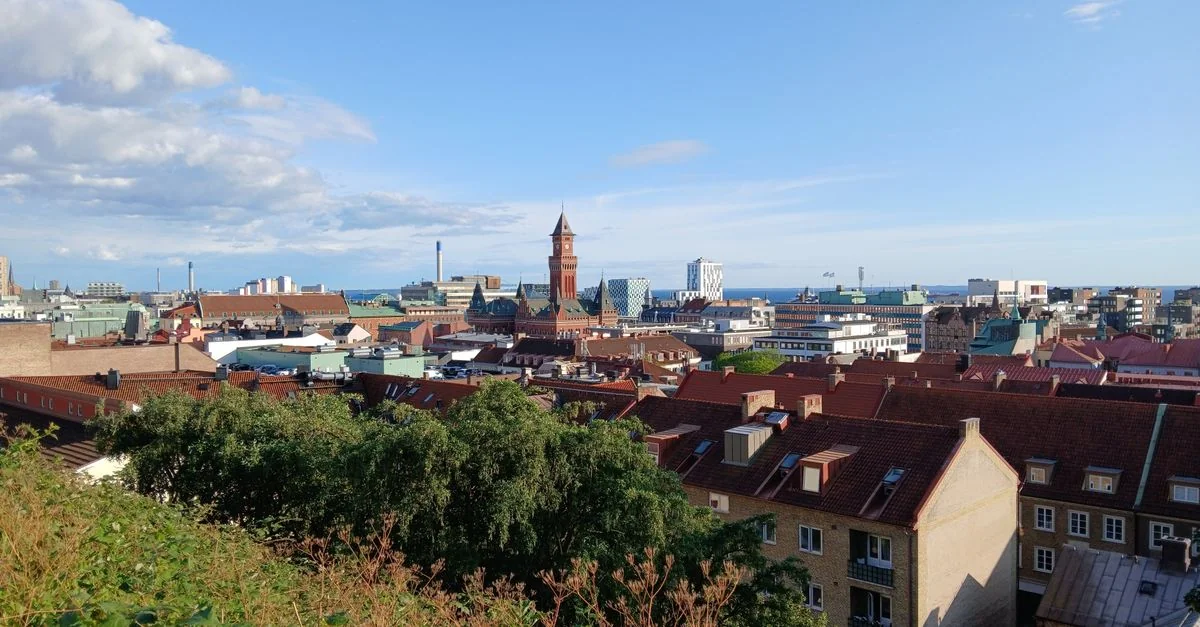
No trip to the town is complete without a walk along the Visby City Wall. This massive defensive structure is one of the best-preserved medieval walls in Europe . You can climb sections of the ramparts to look out over the red-tiled roofs of the town and the vast expanse of the Baltic. After exploring the fortifications, head to the Gotland Museum, which provides the necessary context for the island’s long history, ranging from Viking Age silver hoards to the medieval trade influence of the Hanseatic League.
For a bit of local atmosphere, spend time wandering through the Botanical Garden, a lush, sheltered space that feels like a secret courtyard. It is a fantastic spot for a quiet afternoon, filled with exotic plants that thrive in the island’s unusually mild microclimate. Nearby, the Saint Mary’s Cathedral stands as the only medieval church in the town that is still in use today. Its heavy stone arches and quiet interior provide a necessary moment of calm away from the busy streets.
If you enjoy unique architecture, the Saint Nicolai Ruin is perhaps the most impressive of the town’s many church skeletons. The towering stone windows, now framing only the sky, create a hauntingly beautiful silhouette. For a deeper dive into the island’s character, rent a bicycle and head toward the Höglund Park area, which offers a different vantage point of the town’s skyline. To see how the locals live, walk the narrow lanes of Fiskargränd, a street famous for its climbing roses that bloom in shades of deep red and pink throughout the summer months.
Finally, venture slightly outside the immediate town center to see the Galgberget Nature Reserve. This area was historically the site of the town’s gallows, but today it is a serene forest trail that offers a stark, beautiful contrast to the manicured streets of the center. If you have time, a trip to the nearby Lummelunda Cave gives you a look at the geological foundation of the island, featuring impressive limestone formations that have been carved by water over thousands of years.
Food and Dining Guide#
The culinary scene on the island is heavily influenced by the local landscape, with a strong emphasis on sheep farming, fishing, and specialty crops. One of the most iconic things to try is Saffron Pancake, a traditional dessert served with whipped cream and dewberry jam. It is a rich, golden dish that reflects the island’s historical trade connections. For a savory staple, look for Gotland Lamb, which is prepared in various ways, from slow-cooked stews to grilled chops, often seasoned with local herbs.
For a quick lunch, seek out Smoked Flounder from one of the small fish stalls near the harbor. The process of smoking fish is a long-standing tradition here, and the result is a delicate, flaky meal that pairs perfectly with fresh rye bread. If you are looking for something more substantial, many restaurants in the center serve Crayfish during the late summer season, which is often the centerpiece of festive outdoor meals. For a casual snack, keep an eye out for Gotlandic Cheese, which is produced by small-scale creameries across the island and is often featured on local charcuterie boards.
Dining in the town ranges from simple street food stalls that serve sausages and burgers to refined establishments housed in vaulted cellars. If you want to experience the local lifestyle, head to the harbor area for casual dining where the focus is on the catch of the day. For a more upscale evening, look for restaurants that focus on “farm-to-table” concepts, as many chefs source their ingredients directly from the island’s interior farms.
Getting Around Visby#
Navigating the town is straightforward because the center is largely pedestrianized. You will find that walking is the best way to appreciate the narrow, winding streets and the limestone architecture. If you plan to explore the rest of the island, the public bus system is efficient and connects the town to the most popular rural sites and beaches. You can purchase tickets through a mobile application or at the main bus terminal, which is located just outside the wall.
Taxis are available, but they are primarily used for short trips within the town or for late-night transport. If you intend to head into the countryside to visit the various stone ship burials or coastal cliffs, renting a car is the most flexible option. However, keep in mind that parking inside the medieval walls is extremely limited and often restricted to residents. It is best to park your vehicle in one of the designated lots outside the wall and walk into the center. Many travelers choose to rent bicycles for the duration of their stay, as the island is relatively flat and has an extensive network of cycling paths that make it easy to reach both the town center and the surrounding nature.
Budget Breakdown#
For a budget-conscious traveler, a trip to the island is manageable if you prioritize apartment rentals with kitchens and utilize the local grocery stores. You can expect to spend a modest amount per day by preparing your own breakfast and lunch, relying on public transport, and focusing on free activities like hiking and visiting the ruins. Mid-range travelers will find that they can comfortably afford daily restaurant meals, a rental car for a few days of island exploration, and more central accommodation. This tier allows for a mix of casual dining and a few nicer evening meals.
Luxury travelers will find high-end boutique stays and fine dining experiences that emphasize local, seasonal ingredients. In this bracket, you can expect to pay a premium for waterfront views and private guided tours of the island’s historical sites. Regardless of your budget, keep in mind that the island is a popular destination, and prices for accommodation spike significantly during the peak weeks of July. Planning your travel dates to fall just before or after the main summer rush can result in significant savings without compromising the quality of your trip.
Travel Tips for Visby#
Footwear is the most important consideration for your packing list. The streets are paved with uneven, historic cobblestones that can be difficult to navigate in thin-soled shoes or heels. Sturdy walking shoes with good grip are essential for both the town streets and the trails in the surrounding nature reserves.
Hydration and Sun Protection are often overlooked by visitors who assume the northern climate is always cool. The sun can be quite intense during the long summer days, especially when reflected off the limestone walls and the sea. Always carry a water bottle and wear sunscreen, even on days that feel mild.
Connectivity is excellent across the island, but it is wise to download offline maps before you arrive. While the town is easy to navigate, the rural roads can be winding and lack clear signage, making a reliable GPS tool a necessity if you choose to rent a car.
Respecting History is a key part of the local etiquette. While the ruins are open to the public and serve as a backdrop for photography, be mindful that they are protected sites. Avoid climbing on the walls or moving stones, as these structures require constant maintenance to remain standing.
Cashless Payments are the standard throughout Sweden. You will rarely encounter a situation where cash is required, as almost every shop, cafe, and bus driver prefers card or digital payments. Ensure your credit card has a PIN and is enabled for international use before you depart.
Local Events can drastically change the atmosphere of the town. Research the dates for major festivals, such as the medieval week, as these events draw huge crowds and require bookings for accommodation months in advance. If you prefer a quiet trip, avoid these peak event weeks entirely.
📌 Disclaimer
Prices, schedules, tour details, flight routes, visa requirements, and all other information on this page are based on data at the time of writing. Fares, availability, and policies may change. Please verify current details on the official website before booking.
📌 More about Visby