📌 Disclaimer
Prices, schedules, tour details, flight routes, visa requirements, and all other information on this page are based on data at the time of writing. Fares, availability, and policies may change. Please verify current details on the official website before booking.
Why Visit Verona?#
The sharp, metallic scent of freshly pulled espresso mingles with the faint aroma of roasting chestnuts as you step onto the smooth, pale limestone of the city’s central plazas. Verona holds a unique position in northern Italy , serving as a graceful bridge between the industrial north and the romanticized landscapes of the Veneto region. Unlike its larger neighbor, Venice , this city feels lived-in and authentic, where daily life carries on around Roman ruins and medieval fortifications without the constant pressure of massive tourist surges.
What makes this city stand out is its ability to balance antiquity with a relaxed pace of life. You can spend your morning walking through a remarkably preserved amphitheater that still hosts top-quality opera and your afternoon sitting in a quiet courtyard sipping local wine. The architecture tells a layered story, from the Roman era to the Scaliger dynasty, all tied together by the winding Adige River. It is a place that rewards those who prefer to wander aimlessly rather than rush from one landmark to the next, offering a genuine look at Italian life that feels both sophisticated and approachable.
Best Time to Visit Verona#
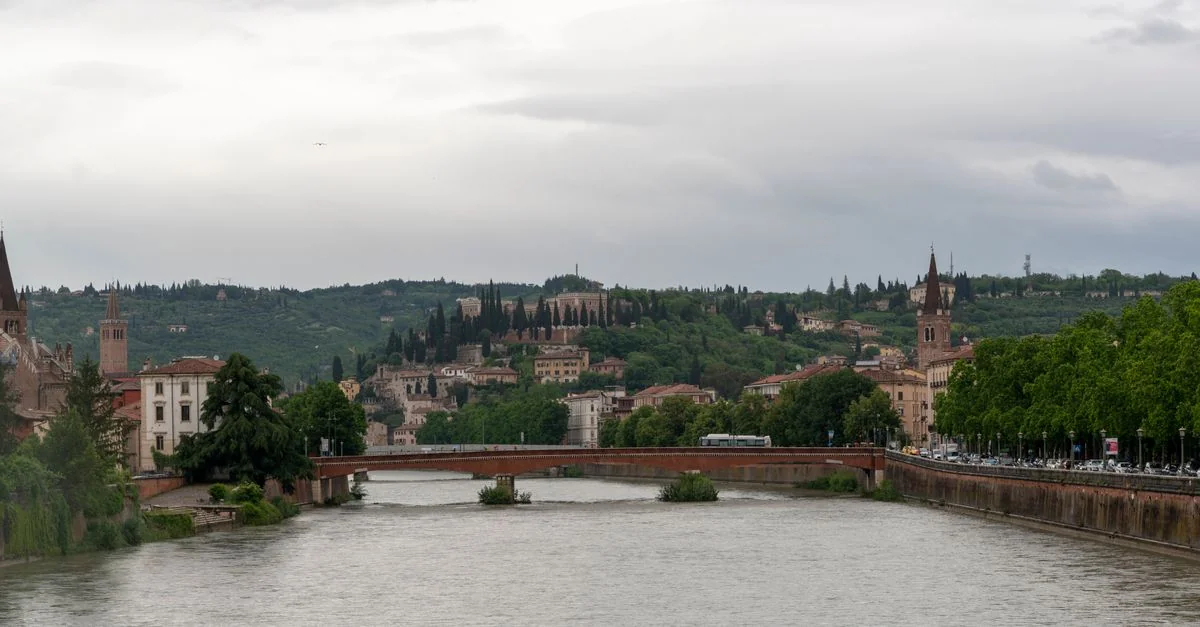
Planning your trip requires weighing the trade-offs between weather and crowd density. Spring, specifically from April through May, offers mild temperatures and blooming gardens, making it ideal for walking the city walls. During these months, the air remains crisp, and the afternoon light provides excellent conditions for photography. However, this is also when many European school groups arrive, so expect busier sidewalks near the major squares. Prices for accommodation start to climb as the weather improves, reaching mid-range levels.
Summer, from June through August, brings intense heat and the peak of the opera season. While the evenings are magical, with music echoing off the ancient stone of the arena, the daytime sun can be draining. This is the most expensive time to visit, and booking lodging months in advance is necessary. Conversely, the autumn months of September and October provide a cooling relief. The harvest season brings local festivals and a slower pace, making it a favorite for those who prefer to dine outdoors without the sweltering humidity of mid-summer.
Winter, particularly January and February, represents the low season. While the temperatures can drop near freezing, the city remains functional and significantly cheaper. You will find the fewest crowds during these months, though some outdoor cafes may close. If you visit in December, the city transforms with festive markets and lights, though prices spike briefly for the holidays. For the best balance of value and weather, late September or early October is often the most comfortable window for American travelers.
Where to Stay in Verona#
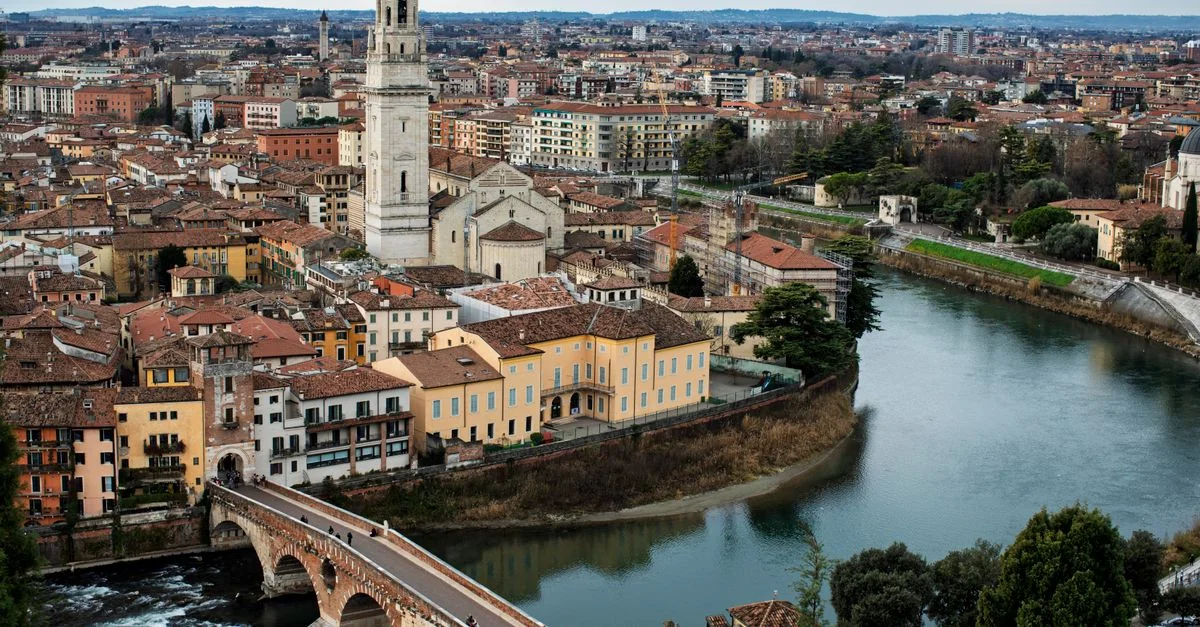
Choosing a neighborhood depends on your preference for convenience versus quiet. The Città Antica is the historical core, where you are within walking distance of almost every major landmark. Staying here means you are surrounded by history, with mid-range and luxury options tucked into converted palazzos. While this area is the most convenient, it can be noisy at night due to the concentration of restaurants and bars. If you prefer a central location but want to avoid the highest prices, look for smaller guesthouses on the periphery of the main squares.
Across the river, the Veronetta neighborhood offers a more bohemian and local atmosphere. This area is home to the university, resulting in a high density of affordable cafes, independent bookstores, and budget-friendly apartments. It is a fantastic choice if you want to experience how residents live, away from the typical tourist flow. You are still close enough to walk across the bridges to the center, but the pace here is noticeably slower and the rental prices are often lower.
For those seeking a quieter experience or traveling with a vehicle, the Borgo Trento area to the north is an excellent choice. This is a residential, upscale district characterized by wide avenues and early 20th-century architecture. It is generally safer and quieter than the city center, making it ideal for families or those who prefer a more relaxed environment. You will find a mix of mid-range hotels and private rentals here. While you will need to walk or take a bus to reach the main sites, the trade-off is a much more peaceful night’s sleep.
Top Things to Do in Verona#
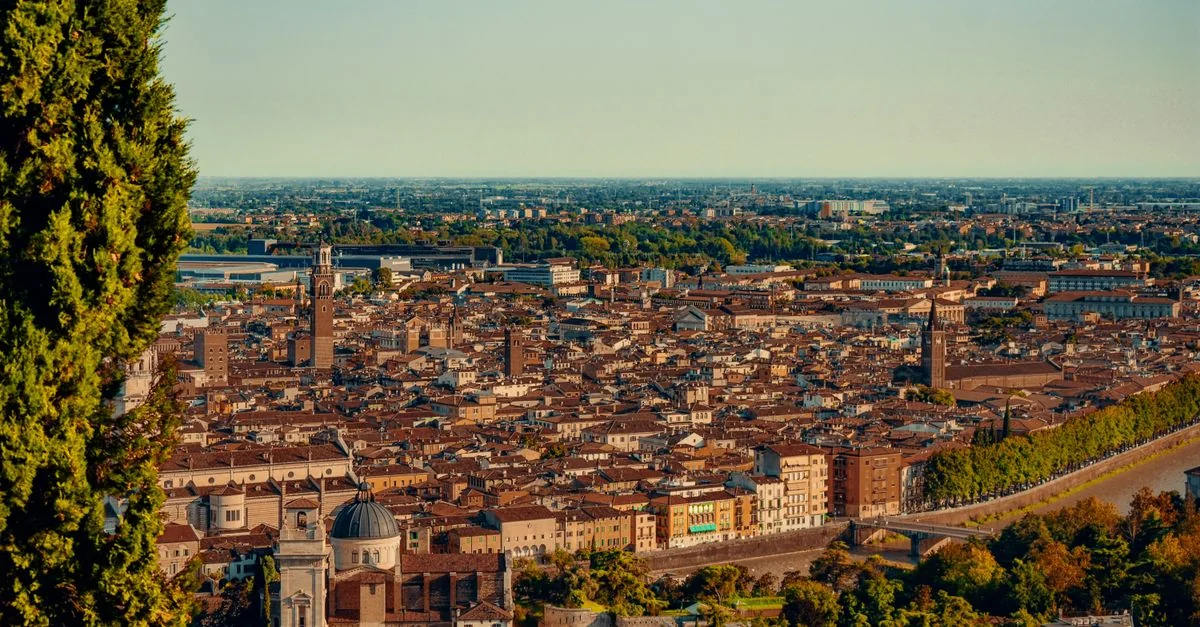
The most iconic structure in the city is the Verona Arena, a massive Roman amphitheater that dominates the Piazza Bra. It remains one of the best-preserved structures of its kind, and seeing an opera performance here under the stars is a highlight for many. Even if you do not attend a show, walking through the interior during the day provides a sense of scale that is difficult to grasp from the outside. Nearby, the Piazza Bra serves as the city’s living room, lined with cafes and restaurants where you can watch the world go by while enjoying a morning pastry.
A short walk away, you will find the Casa di Giulietta, which draws crowds eager to see the famous balcony. While the connection to Shakespeare’s play is largely legendary, the courtyard itself is a beautiful example of a medieval residence. If the crowds become too much, head toward the Piazza delle Erbe, the oldest square in the city. This area was once the Roman forum and is now home to a daily market where you can find local produce, spices, and souvenirs. The surrounding buildings, decorated with fading frescoes, provide a stunning backdrop for a mid-day coffee.
For a view from above, climb the Torre dei Lamberti. This medieval tower offers a panoramic perspective of the city’s red-tiled roofs and the surrounding hills. It is a manageable climb, and the vantage point is arguably the best in the city for orientation. Once you descend, walk toward the Castelvecchio Bridge, a fortified brick structure that spans the Adige River. This bridge is a feat of medieval engineering and provides a dramatic entrance to the Castelvecchio Museum, which houses a collection of sculpture, painting, and weaponry in a restored castle setting.
To escape the heat and the crowds, visit the Giardino Giusti. This Renaissance garden is situated on the quieter side of the river and features cypress-lined paths, statues, and a small hedge maze. It is a peaceful space that feels removed from the rest of the city. Finally, take the time to wander through the Roman Theater, which is situated on the slopes of St. Peter’s Hill. It is less crowded than the main arena and offers a quiet space to sit and look out over the river. The walk up to the Castel San Pietro behind it is steep, but the sunset views from the terrace are worth the effort.
Food and Dining Guide#
The local diet is heavily influenced by the surrounding plains and the nearby Lake Garda. You must try Risotto all’Amarone, a rich, purple-hued dish made with the local red wine. It is a staple of the region and perfectly demonstrates the connection between the area’s vineyards and its kitchens. Another local favorite is Pastissada de caval, a slow-cooked horse meat stew that has been a part of the local tradition for centuries. While it may sound unusual to some, it is a tender, savory dish that is deeply ingrained in the local culture.
For a quick lunch, look for shops serving Polenta, which is often served with local cheeses or mushrooms. It is a comforting, filling dish that is easy to eat on the go. If you are looking for something sweet, keep an eye out for Pandoro, a traditional golden bread that originated in this city. While it is most famous during the winter holidays, many bakeries offer variations throughout the year. For a simple snack, grab a Focaccia or a slice of local pizza from a street-side window.
When choosing where to eat, look for small, family-run trattorias tucked into the side streets of Veronetta. These establishments often feature seasonal menus that reflect what is available at the market that morning. Avoid restaurants with large, multi-language menus displayed on boards outside, as these are almost exclusively designed for tourists. Instead, look for places where the menu is written on a chalkboard and changes daily. Always ask for the house wine, which is typically sourced from the nearby Valpolicella region and is often excellent and reasonably priced.
Getting Around Verona#
Verona is a highly walkable city, and your own two feet will be your primary mode of transport. The historical center is compact, and most major sites are within a twenty-minute walk of each other. The streets are pedestrian-friendly, though be prepared for uneven cobblestones, so sturdy footwear is a necessity. If you find yourself tired, the city operates a reliable bus network that connects the center with the outlying residential districts and the train station. You can purchase tickets at newsstands or directly on the bus, though having exact change is often helpful.
Taxis are available at designated stands throughout the city, particularly near the train station and the main squares. They are convenient for short trips when you are carrying luggage or if the weather turns poor. However, they are not a practical way to navigate the narrow, winding streets of the center. If you are planning to visit the surrounding countryside, a rental car is useful, but it is a significant burden within the city walls. Parking is limited, expensive, and subject to strict “limited traffic zone” rules that can lead to heavy fines if you accidentally enter a restricted area. If you do rent a car, ensure your accommodation provides secure parking and plan to leave the vehicle there while you explore the city on foot.
Budget Breakdown#
For a budget-conscious traveler, you can manage a trip to Verona for approximately $80 to $120 per day. This assumes you stay in a hostel or a shared apartment in the Veronetta district, eat breakfast at your accommodation, grab casual street food for lunch, and cook your own dinner or frequent inexpensive local pizzerias. Public transport is minimal, and you would focus on free walking tours and outdoor sites like the squares and the bridges.
A mid-range budget, falling between $150 and $250 per day, allows for a private room in a centrally located guesthouse or a boutique hotel. This budget covers sit-down lunches and dinners at traditional trattorias, a few glasses of local wine, and admission fees to the major museums and the arena. You would likely use taxis for occasional convenience and have more flexibility in your daily schedule.
For a luxury experience, expect to spend $400 or more per day. This tier includes high-end hotels, perhaps a converted villa or a luxury suite near the arena. You can dine at upscale restaurants, book private guided tours, and enjoy premium seating for performances. This budget allows for a more relaxed, curated itinerary where you do not have to worry about the cost of individual activities or transport.
Travel Tips for Verona#
Walking shoes are the single most important item you can pack. The city is paved with ancient stone and cobblestones that are unforgiving on thin soles. Even if you plan to use buses, you will inevitably spend hours on your feet. Opt for broken-in sneakers or supportive walking sandals rather than fashion footwear, as your comfort will dictate how much of the city you can actually see.
Water fountains are scattered throughout the city and provide free, cold, and safe drinking water. You will see small metal spouts often built into walls or standing in squares. These are remnants of the city’s old water system and are perfect for refilling a reusable bottle. This is a great way to save money and reduce plastic waste while you explore during the heat of the day.
Dining times in Italy are strictly observed. Lunch is typically served between 12:30 and 2:30, and dinner rarely begins before 7:30 or 8:00 in the evening. If you try to find a hot meal at 4:00 in the afternoon, you will likely find most kitchens closed. Use the afternoon hours to visit museums or enjoy an espresso at a cafe, and save your appetite for the proper evening service.
Limited traffic zones, known locally as ZTL, are strictly enforced throughout the historical center. If you are driving, be extremely cautious about where you turn. Many areas are restricted to residents only, and cameras automatically record license plates to issue fines. It is safer to park your vehicle in a dedicated garage outside the city walls and walk or take a taxi into the center.
Tipping culture in Italy is modest compared to the United States . You are not expected to leave a large percentage of the bill. It is common to leave a few euros if the service was exceptional, or simply round up the bill. Do not feel pressured to leave a significant tip, as service is often included in the price of the meal, and staff are paid a living wage.
Local etiquette goes a long way in making your trip more pleasant. When entering a shop or a cafe, a simple “buongiorno” or “buonasera” is the standard greeting. It is also polite to ask if a table is available before sitting down. Being mindful of your volume in residential areas and respecting the local pace of life will help you blend in and receive a warmer welcome from the residents.
📌 Disclaimer
Prices, schedules, tour details, flight routes, visa requirements, and all other information on this page are based on data at the time of writing. Fares, availability, and policies may change. Please verify current details on the official website before booking.
📌 More about Verona