📌 Disclaimer
Prices, schedules, tour details, flight routes, visa requirements, and all other information on this page are based on data at the time of writing. Fares, availability, and policies may change. Please verify current details on the official website before booking.
Photo by Juan Moccagatta on Pexels
Why Visit Venice?#
Venice is often regarded as one of the most enchanting cities in the world, a place where history and romance intertwine seamlessly. With its winding canals, stunning architecture, and rich cultural heritage, this unique city built on water captivates millions of visitors each year. The moment you step onto its cobblestone streets, you’re greeted by a magical atmosphere that feels both timeless and otherworldly. From the intricate design of St. Mark’s Basilica to the serene beauty of the Grand Canal, Venice offers a visual feast that is unlike any other destination.
Beyond its renowned landmarks, Venice has a vibrant local culture that invites exploration. You can wander through the narrow alleys, where artisans craft traditional glass and lace, or sit in a quaint piazza sipping a cappuccino while watching the world go by. The city’s complex history as a maritime powerhouse and its role in art and trade have left an indelible mark on its character, making it a living museum that tells the story of human creativity and resilience. If you’re considering a trip to Europe, Venice is a must-visit that promises unforgettable experiences.
Best Time to Visit Venice#
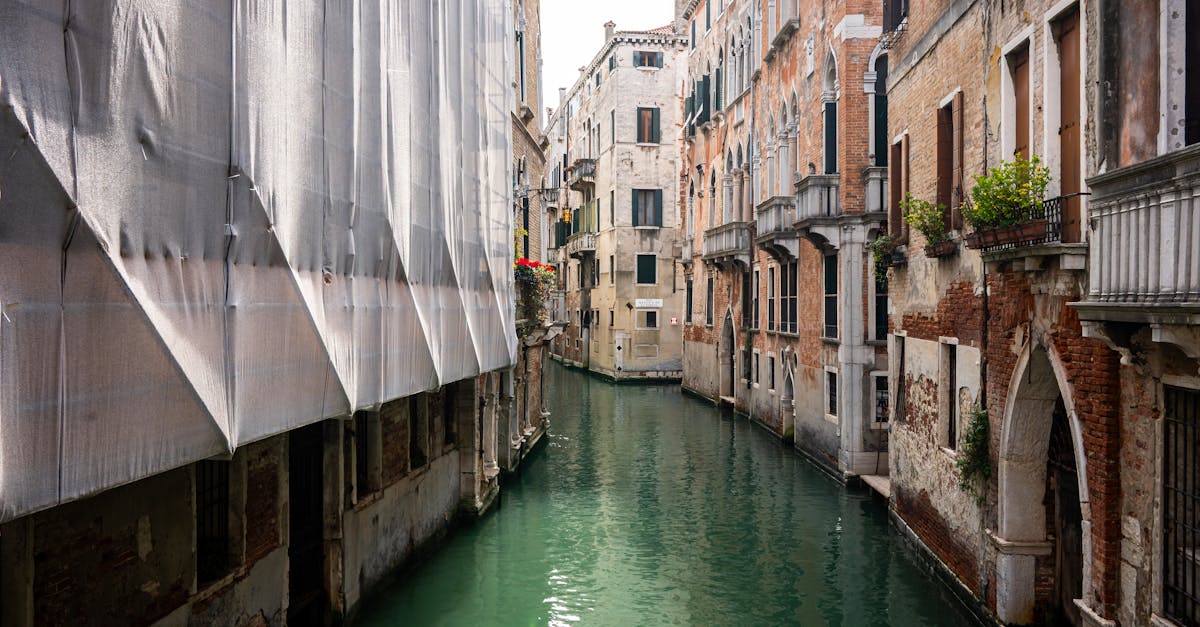
The best time to visit Venice largely depends on your preferences for weather, crowd levels, and pricing.
Spring (March to May) is often considered the ideal time to visit, with mild temperatures averaging between 50°F and 70°F. The city comes alive with blooming flowers and outdoor festivals, making it perfect for sightseeing. However, be prepared for moderate crowds, especially during Easter.
Summer (June to August) brings warm weather, with temperatures typically ranging from 70°F to 85°F. While this season attracts the highest number of tourists, it can also be quite hot and crowded. Prices for accommodations peak during these months, so if you’re traveling on a budget, consider booking well in advance.
Fall (September to November) offers cooler temperatures and fewer tourists, making it another great time to explore Venice. Early fall is particularly pleasant, with temperatures ranging from 60°F to 75°F. By late October, the city may start to experience the infamous acqua alta (high water), which can lead to temporary flooding in some areas.
Winter (December to February) is the off-peak season, characterized by chilly weather (averaging between 30°F and 50°F) and fewer tourists. While some attractions may have limited hours, the serene atmosphere and holiday decorations create a unique charm. Prices for accommodations are generally lower, making it an attractive option for budget travelers.
Where to Stay in Venice#
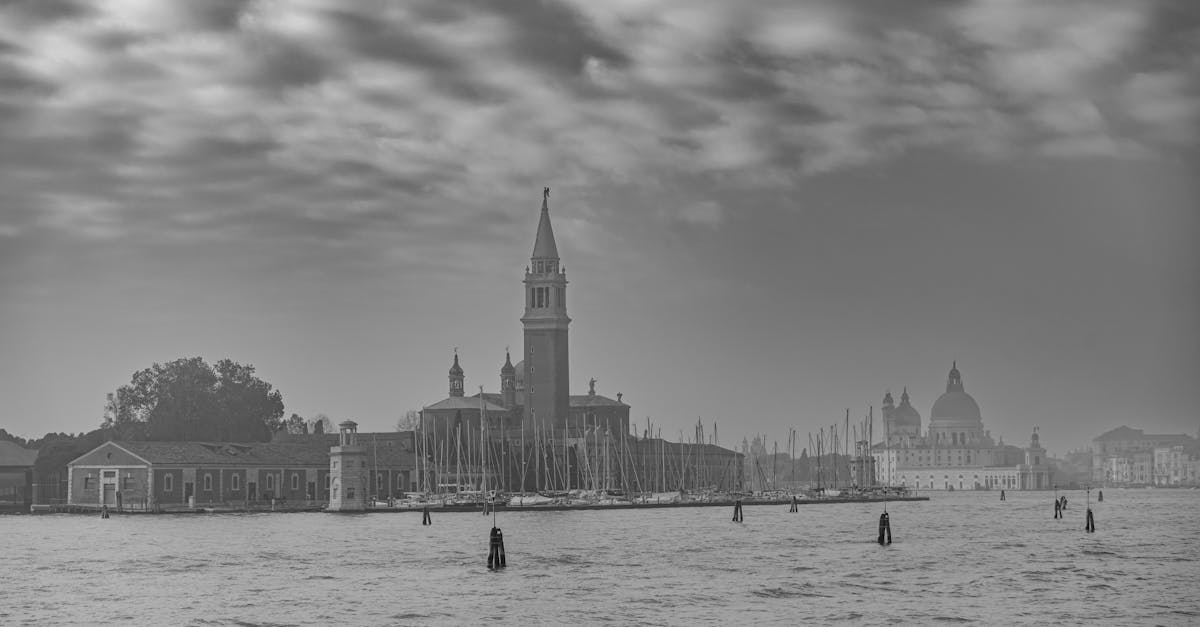
Finding the right neighborhood in Venice can greatly enhance your experience, whether you’re on a budget, seeking mid-range comfort, or indulging in luxury.
Budget: Consider staying in the Cannaregio district, which offers a more local feel with affordable accommodations. This area is less touristy, allowing you to immerse yourself in Venetian life while being close to key attractions like the Jewish Ghetto and the beautiful Strada Nova.
Mid-Range: The Dorsoduro area is a fantastic option for those seeking a balance between comfort and cost. This neighborhood is home to art galleries, the Peggy Guggenheim Collection, and the picturesque Zattere waterfront. You’ll find a variety of charming guesthouses and boutique hotels here.
Luxury: For an upscale experience, the San Marco district is where you’ll find some of the city’s most luxurious hotels. Staying here puts you in the heart of Venice, just steps from St. Mark’s Square and the opulent Doge’s Palace. The views from this area are breathtaking, especially at sunset.
Hidden Gem: If you want to escape the crowds, consider Giudecca, an island just a short vaporetto ride from the main city. This area offers a quieter atmosphere, beautiful views of the skyline, and a selection of stylish hotels and apartments.
Top Things to Do in Venice#
St. Mark’s Basilica: This iconic cathedral is a masterpiece of Byzantine architecture, adorned with stunning mosaics and intricate details. Be sure to climb the bell tower for panoramic views of the city.
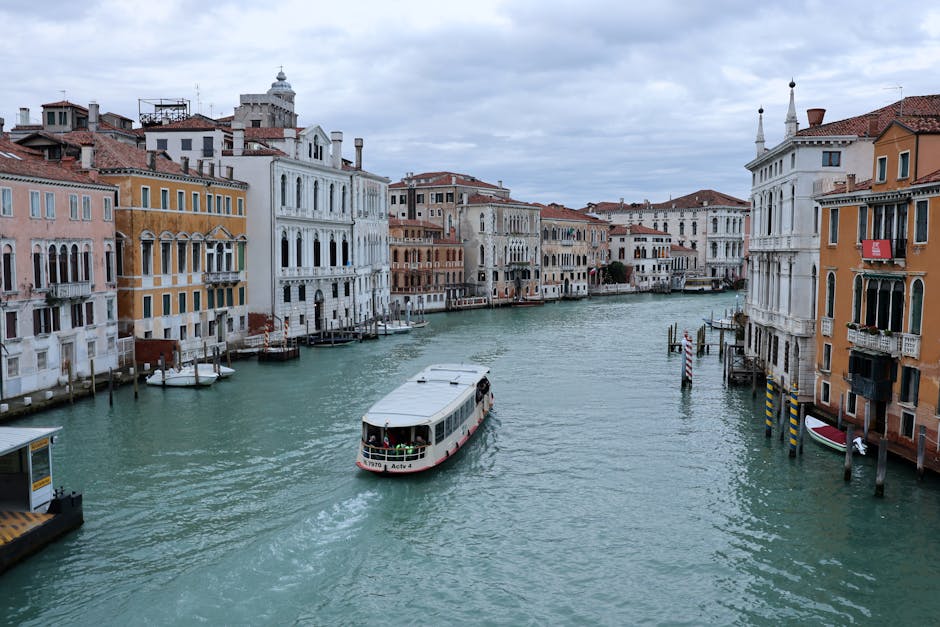
The Grand Canal: Venice’s main waterway is best explored by gondola or vaporetto. As you glide along the canal, admire the beautiful palaces and bridges that line the banks.
Rialto Market: A sensory delight, the Rialto Market is the perfect place to experience local life. Browse the stalls filled with fresh produce, seafood, and artisanal products while soaking in the lively atmosphere.
Doge’s Palace: Step back in time as you explore the opulent rooms and learn about Venice’s political history. Don’t miss the Bridge of Sighs, which connects the palace to the prison.
Murano Island: Famous for its glass-making, Murano is just a short boat ride away. Visit a glass factory to see artisans at work and pick up unique souvenirs.
Burano Island: Known for its brightly colored houses and lace-making tradition, Burano is a picturesque escape from the bustling city. Spend a leisurely day wandering its charming streets and sampling local seafood.
Teatro La Fenice: Enjoy a night of opera or ballet at this historic theater, renowned for its stunning architecture and rich cultural history.
Piazza San Marco: This bustling square is the heart of Venice. Enjoy a coffee at one of the outdoor cafes, listen to live music, and soak in the vibrant atmosphere.
Gallerie dell’Accademia: Art lovers should not miss this museum, which houses an impressive collection of Venetian paintings from the 14th to the 18th centuries.
Explore the Hidden Canals: Venture off the beaten path and discover the quieter side of Venice by exploring its lesser-known canals. These hidden gems offer a more intimate look at the city.
Food and Dining Guide#
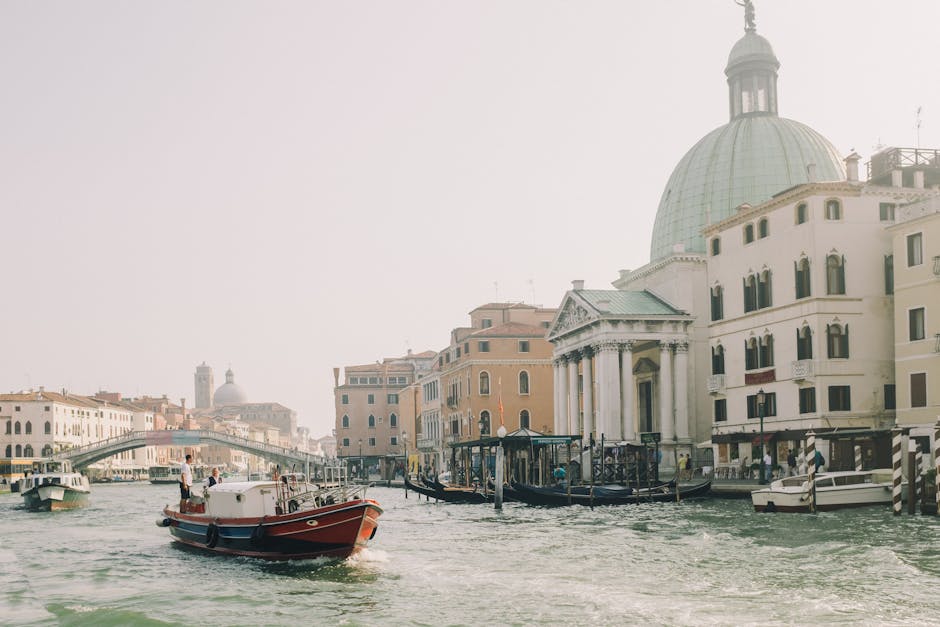
Venetian cuisine is a delightful blend of flavors influenced by its maritime history and local ingredients. Be sure to try these must-try dishes during your visit:
Sarde in Saor: A traditional Venetian dish made with sardines, onions, pine nuts, and raisins, providing a sweet and savory flavor that reflects the city’s culinary heritage.
Risotto al Nero di Seppia: This black risotto made with cuttlefish ink is a local favorite, offering a unique taste experience that showcases the region’s seafood.
Cicchetti: Venetian tapas, typically served in small portions, are perfect for sampling a variety of flavors. Pair them with a glass of local wine for a true Venetian experience.
Tiramisu: While this dessert is popular throughout Italy, trying it in Venice allows you to taste the original version. The rich combination of coffee-soaked ladyfingers and mascarpone is a must.
Polenta e Schie: A simple yet delicious dish of polenta served with tiny shrimp, showcasing the local seafood and the rustic flavors of the region.
For a more casual dining experience, indulge in street food from local vendors. Try a frittella, a sweet pastry often filled with cream or fruit, or grab a slice of pizza al taglio from a local pizzeria.
Getting Around Venice#
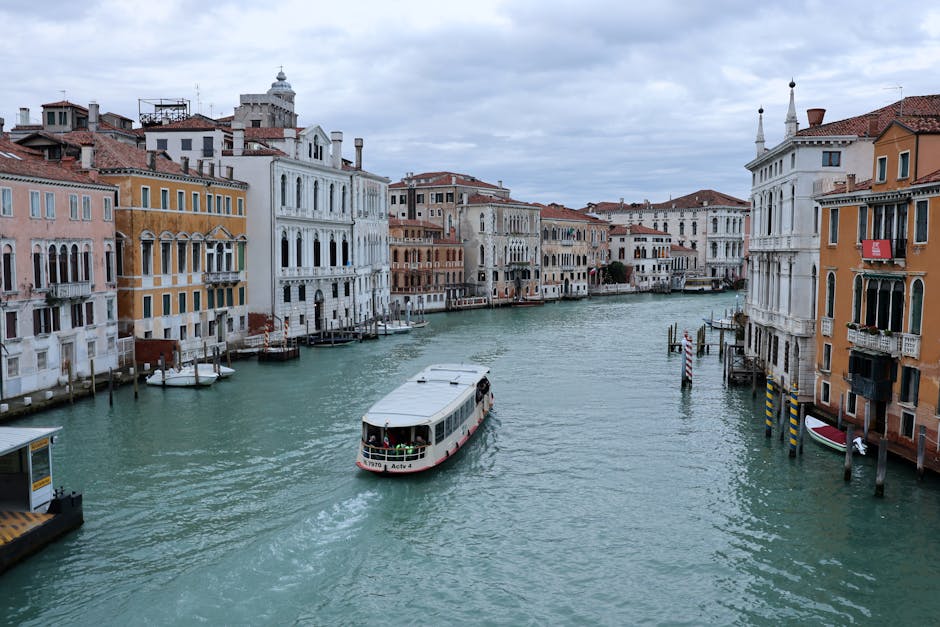
Venice is famously car-free, which means you’ll be relying on a combination of walking and public transit. The city is best explored on foot, as many of its charming streets and bridges are pedestrian-only. Wear comfortable shoes, as you’ll be doing a lot of walking!
Public Transit: The vaporetto (water bus) is the primary mode of public transportation. It’s an efficient way to navigate the canals and reach various neighborhoods. Consider purchasing a multi-day pass for unlimited rides if you plan to use it frequently.
Taxis: Water taxis are available but can be quite expensive. They’re best used for convenience or when traveling with heavy luggage.
Walking: Exploring Venice on foot is one of the best ways to discover its hidden gems. The city’s compact size makes it easy to navigate, and getting lost in the winding alleys often leads to delightful surprises.
Rental Car: Renting a car is not practical in Venice due to the lack of roads. If you’re planning to visit other parts of Italy, consider leaving your car in a nearby town and taking the train to Venice.
Budget Breakdown#
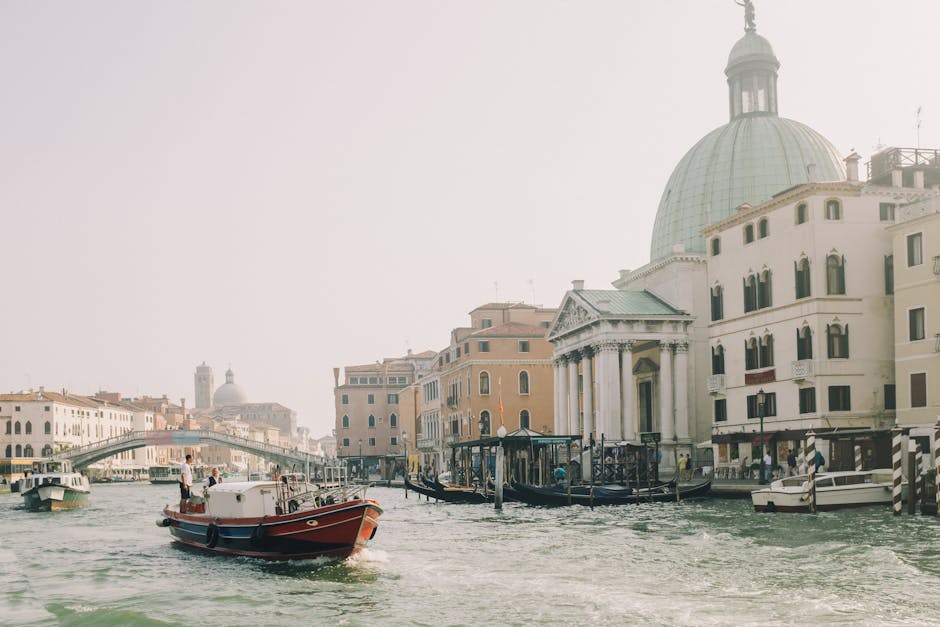
Understanding the costs involved in a trip to Venice can help you plan accordingly. Here’s a rough daily budget estimate based on different travel styles:
Budget Travelers: Expect to spend around $80-$120 per day. This includes budget accommodations ($30-50/night), inexpensive meals ($10-15 for street food or casual dining), and public transit costs ($10 for a day pass). Activities can be kept low-cost by focusing on free attractions and exploring the city on foot.
Mid-Range Travelers: A daily budget of $150-$250 is reasonable. Accommodations in this range typically cost $100-150/night, with meals averaging $20-30 at mid-range restaurants. Factor in $20 for public transit and around $25-50 for entrance fees to attractions.
Luxury Travelers: If you’re seeking a more upscale experience, plan for $300 and up per day. Luxury accommodations generally start around $200/night, with fine dining averaging $50-100 per meal. Include a budget for private tours or premium experiences, which can significantly increase your overall costs.
Travel Tips for Venice#
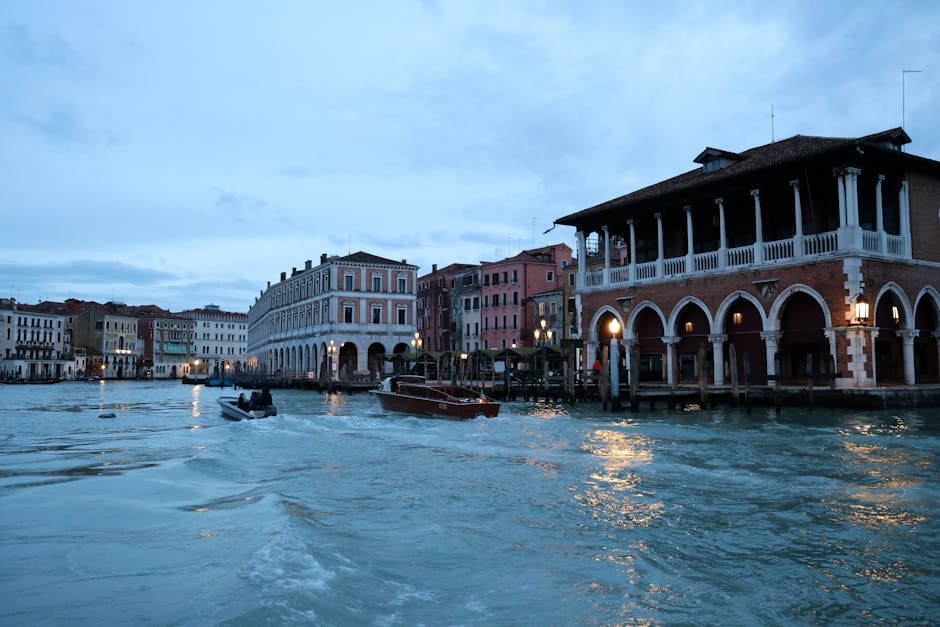
Safety: Venice is generally safe, but be mindful of your belongings, especially in crowded areas. Pickpockets can be a concern, so keep valuables secured.
Tipping: Tipping is not compulsory in Italy, but rounding up your bill or leaving small change is appreciated, especially in restaurants.
Language: While many Venetians speak English, learning a few basic Italian phrases can go a long way in enhancing your experience.
SIM Cards: If you need mobile data, consider purchasing a local SIM card upon arrival. This can be a cost-effective way to stay connected without incurring international roaming charges.
Scams to Avoid: Be cautious of overly aggressive street performers or vendors. If someone approaches you with a “free” gift or performance, it’s best to politely decline.
Dress Code: When visiting churches, ensure you dress modestly. This often means covering shoulders and knees, so plan your outfits accordingly.
Water Levels: If you visit during the fall or winter, be prepared for possible acqua alta (high water). Bring waterproof shoes or boots to navigate flooded areas.
With its breathtaking beauty, rich history, and unique culture, Venice is undoubtedly worth visiting. Armed with these budget tips and practical advice, you’re ready to embark on an unforgettable adventure in this magical city. If you’re also considering a trip to Santorini, Greece or Reykjavik, Iceland , check out our guides for more travel inspiration!