📌 Disclaimer
Prices, schedules, tour details, flight routes, visa requirements, and all other information on this page are based on data at the time of writing. Fares, availability, and policies may change. Please verify current details on the official website before booking.
Why Visit Varna?#
The scent of salt spray and sulfurous mineral water drifts up from the sea baths, mingling with the scent of roasted corn on the cob sold from sidewalk carts. Varna offers American travelers a compelling alternative to Western Europe ’s more heavily touristed coastal cities, balancing the infrastructure of a modern seaside resort with layers of ancient history. Situated on Bulgaria ’s Black Sea coast, this city functions as both a major port and a relaxed beach destination where Roman ruins sit casually beside breezy pedestrian promenades.
What sets Varna apart is its effortless duality. You can spend the morning examining the oldest processed gold in the world at an archaeological museum, and the afternoon sipping cold local beer at a wooden beach shack while waves lap against the sand. The atmosphere feels authentic and lived-in rather than manufactured for tourism. English is widely spoken by younger generations and service workers, making navigation straightforward for visitors crossing the Atlantic for the first time.
Beyond the shoreline, the city expands into sprawling green spaces like the Sea Garden, which anchors the urban landscape and leads directly down to the water. Varna rewards travelers who appreciate slow-paced exploration, affordable luxury, and a coastal culture deeply tied to outdoor dining and evening strolls. It serves as a comfortable, culturally rich gateway to Eastern Europe that remains remarkably gentle on the wallet.
Best Time to Visit Varna#
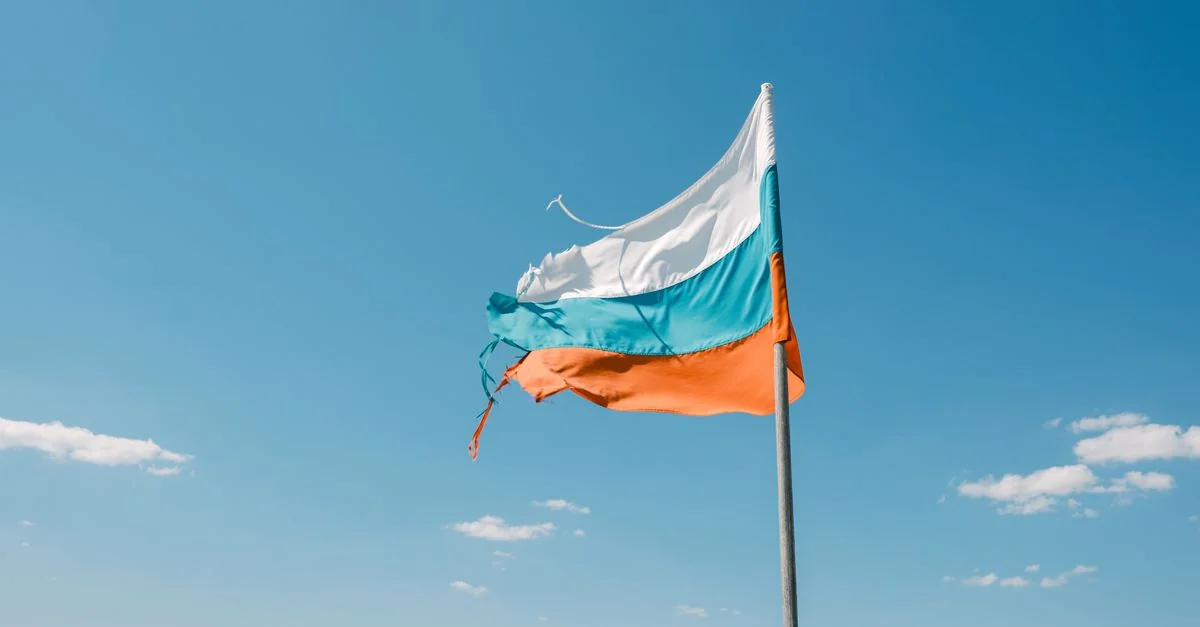
Planning your trip depends heavily on your tolerance for summer crowds and warm water. The peak summer season runs from June through August, bringing hot, sunny days with temperatures regularly climbing into the high eighties Fahrenheit. During these months, the city pulses with energy, beach clubs operate at full capacity, and outdoor concerts fill the evenings. However, expect higher demand for accommodation and crowded stretches of sand, particularly in July and August when domestic and European travelers arrive en masse.
Shoulder season offers a more relaxed pace for visitors arriving in May, September, or early October. September is arguably the sweet spot for American tourists; the sea remains warm enough for swimming, the summer throngs have thinned out, and daytime temperatures hover comfortably in the seventies. Prices for lodging drop significantly during these shoulder months, and restaurant reservations require far less advance planning.
Winter brings a quiet, atmospheric charm to Varna, though it is strictly off-season for beachgoers. From November through March, temperatures frequently drop near freezing, icy winds sweep in from the Black Sea, and many seaside establishments close entirely. While accommodation hits its lowest price point of the year, the primary appeal during these months is cultural exploration rather than seaside relaxation.
Where to Stay in Varna#
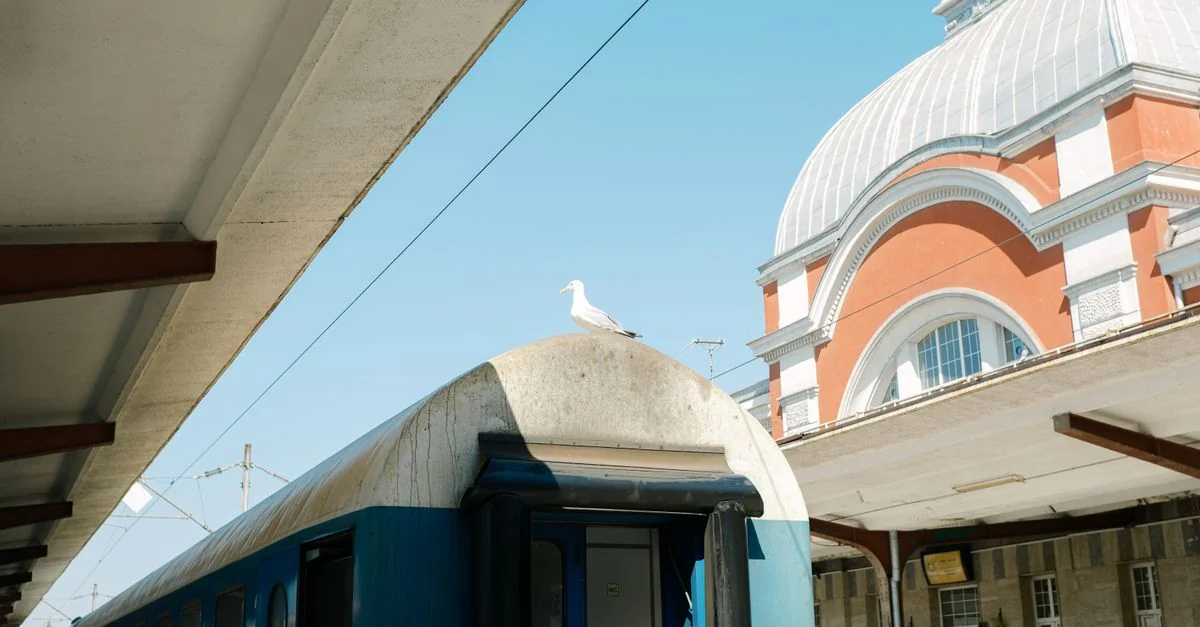
Choosing where to lay your head depends on whether you prefer the energy of the pedestrian center or the tranquility of the coastal residential districts. For first-time visitors seeking mid-range convenience, the City Center neighborhood places you within walking distance of the main historical sites, cafes, and shops. Accommodations here mostly consist of renovated apartments and classic urban hotels. You can step outside your door and immediately join the evening promenade culture without needing a taxi.
If your primary goal is waking up to ocean views, look toward the Greek Neighborhood, locally known as Grutskata Mahala. This historic district sits just below the city center and borders the Sea Garden, featuring winding, narrow streets and nineteenth-century architecture. Staying here offers a mix of budget-friendly guesthouses and upscale boutique properties. It provides a quieter, residential atmosphere while keeping you mere minutes from the beach.
For travelers seeking high-end luxury and resort-style amenities, the Chaika and Riviera areas located further north along the coast deliver expansive resort complexes with private beach access. These neighborhoods cater to those wanting all-inclusive comfort, spa facilities, and sprawling pools. Alternatively, budget-conscious travelers and digital nomads often look to the Levski residential district. While removed from the immediate center, it offers affordable apartment rentals, reliable public transit connections, and a glimpse into everyday residential life in Varna.
Top Things To Do in Varna#
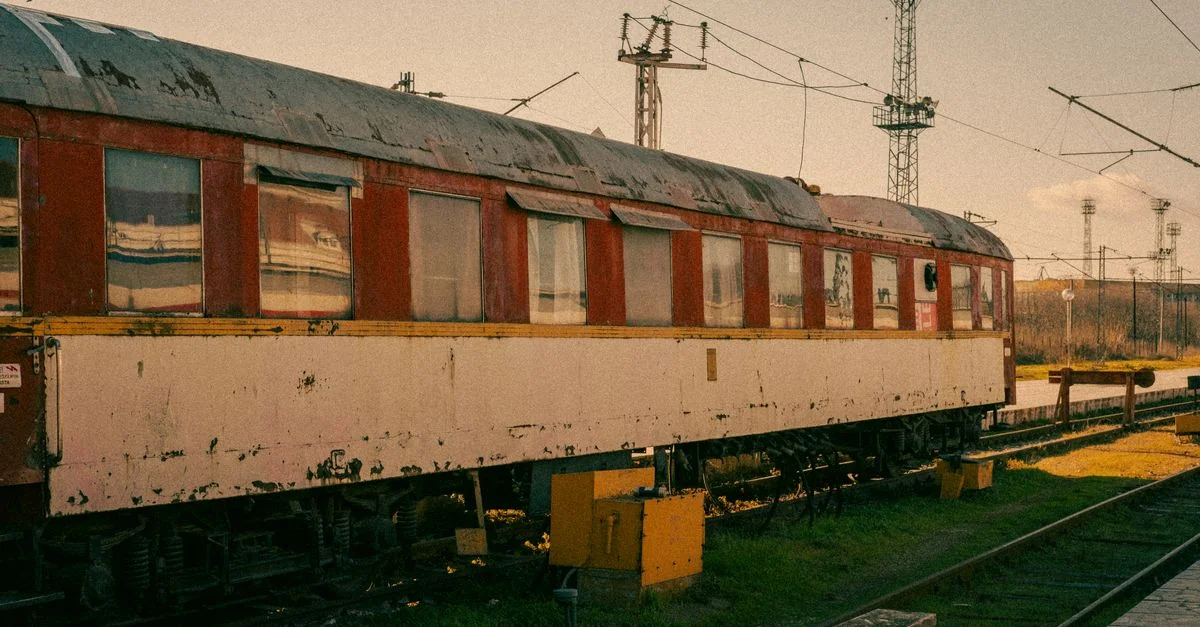
Begin your exploration at the Roman Thermae, massive ruins dating back to the second century that once served as the fourth-largest Roman bath complex in Europe. Walking among the towering brick arches gives you a tangible sense of the city’s ancient past as Odessos. Just a short walk away, the Varna Archaeological Museum houses an astonishing collection of Thracian gold artifacts discovered in the nearby necropolis, representing some of the earliest worked gold on Earth. The gleaming treasures provide a striking contrast to the surrounding stone architecture.
To catch your breath, wander into the Sea Garden, a monumental park designed in the late nineteenth century that stretches for miles along the coastline. Shaded pathways wind past open-air theaters, fountains, and small lakes, eventually leading to the Varna Aquarium and the Dolphinarium, both popular stops for families. Along the park’s edge facing the sea, a continuous line of open-air restaurants and beach bars invites you to pause for a cold drink while watching cargo ships on the horizon.
For a quirky architectural detour, seek out the Retro Museum, located inside a modern shopping mall on the western edge of the city. This unusual space celebrates the communist era with a surreal collection of vintage cars manufactured in the Eastern Bloc, wax figures of political leaders, and consumer goods from a bygone decade. Afterward, head back toward the heart of the city to admire the Varna Cathedral of the Assumption, whose golden domes pierce the skyline and whose interior glows with intricate murals and stained glass.
Venture slightly outside the immediate urban core to visit the Aladzha Monastery, a medieval Orthodox Christian cave monastery carved directly into a steep limestone cliff face within a protected nature park. The mossy forest trails surrounding the site offer peaceful hiking opportunities away from the urban noise. On your way back to the city, stop by the Asparuhovo Bridge for sweeping panoramic views of the Varna Lake and the industrial harbor below, capturing the modern economic pulse of the region.
Food and Dining Guide#
Bulgarian cuisine relies heavily on fresh vegetables, grilled meats, and dairy products, with meals often starting with a crisp salad. You must try Shopska salad, a refreshing mixture of diced tomatoes, cucumbers, onions, and bell peppers topped with a generous mound of grated sirene, a white brine cheese similar to feta. It appears on nearly every menu and provides a cooling counterpoint to hot summer days.
For a hearty lunch or dinner, order Kavarma, a slow-cooked stew of pork, chicken, or vegetables prepared with savory spices and baked inside a traditional earthenware pot, often topped with an egg. Another staple is Kebapche, elongated grilled minced meat rolls flavored with cumin and black pepper, usually served alongside french fries dusted with dried cheese and a dollop of ljutenica, a thick red pepper relish.
When visiting bakeries, look for Banitsa, a flaky pastry made by layering sheets of dough with a mixture of eggs, yogurt, and broken pieces of sirene. It is consumed at all hours of the day, frequently paired with ayran, a salty yogurt beverage. For seafood lovers, the Black Sea yields delicious catches, particularly Black Sea turbot and fried gobies, which are best enjoyed at casual fish shacks right on the sand.
Dining in Varna spans casual street food kiosks and sophisticated dining rooms. Street food is exceptionally budget-friendly, featuring slice-of-pizza windows and grilled corn stands along the promenade. Mid-range traditional taverns, known as mehanas, offer authentic decor and hearty portions of grilled meats. Upscale restaurants in the Greek Neighborhood and along the waterfront fuse traditional Bulgarian flavors with modern Mediterranean techniques, all while remaining reasonably priced by American standards.
Getting Around Varna#
Navigating Varna is straightforward due to the city’s compact layout and reliable transit options. The central district and the Sea Garden are best explored on foot, as pedestrian pathways are well-maintained and traffic-calmed. Walking allows you to stumble upon small cafes, historic facades, and hidden courtyards that you would otherwise miss from a vehicle window.
For longer distances, Varna features an efficient municipal bus network that connects the center to outlying neighborhoods, the airport, and the northern resort zones. Tickets can be purchased directly on the bus using contactless credit cards or cash. Buses are clean, frequent, and heavily used by locals, making them a reliable way to travel across the city without breaking the bank.
Taxis are readily available, but travelers should exercise caution to avoid being overcharged. Always ensure the driver turns on the meter at the start of the trip, or use reputable ride-hailing mobile applications operating in the country to secure a fixed fare before you step into the car. Avoid unmetered cabs parked directly outside nightclubs or major tourist traps.
Renting a car is unnecessary if you plan to stay within Varna proper, but it proves invaluable if you intend to explore the wilder beaches and historical sites scattered along the northern Black Sea coast. Parking in the center can be challenging and typically requires paying via SMS or scratch-off tickets available at local kiosks. If you do rent a car, ensure your accommodation offers designated parking to save yourself the daily search for a spot.
Budget Breakdown#
Varna remains one of the most affordable coastal destinations in Europe, allowing American travelers to stretch their vacation dollars significantly further than they would in Western Mediterranean hotspots. Budget travelers can easily manage daily expenses by staying in hostel dormitories or suburban guesthouses, eating bakery breakfasts and street food lunches, and utilizing public buses. Activities for this tier primarily consist of walking the Sea Garden, relaxing on public beaches, and viewing historical ruins from the outside, keeping daily expenditures very low.
Mid-range travelers will find exceptional value in private city-center apartments or comfortable three-star hotels. This budget tier allows for sit-down meals at traditional taverns, occasional taxi rides, paid entry to museums like the Archaeological Museum and Roman Thermae, and renting a sun lounger at a beach club. You can enjoy a high level of comfort, dine out on fresh seafood, and purchase souvenirs without meticulously tracking every dollar.
Luxury travelers can experience top-tier comfort for a fraction of what similar accommodations would cost in Western Europe or major American cities. This tier covers stays in upscale coastal resorts with full spa services, private transport or private drivers for day trips, fine dining at high-end waterfront restaurants, and guided private tours of regional landmarks. Even at the highest level of spending, Varna delivers an abundance of value that feels remarkably indulgent.
Travel Tips for Varna#
Language and Communication is generally smooth for English speakers in tourist areas, but learning a few basic phrases in Bulgarian goes a long way with older locals and service staff. A simple “zdravei” for hello and “blagodarya” for thank you will earn you warm smiles and better hospitality.
Currency and Payments rely on the Bulgarian Lev, which is pegged to the euro. While major hotels, supermarkets, and restaurants accept credit cards, you will need physical cash for tipping, street vendors, small bakeries, and public restrooms. Keep a modest amount of lev coins and small bills on hand.
Beach Etiquette involves understanding the division between free public beach zones and private concessions. You are legally allowed to lay your towel down on the free sand zones without paying, but if you want to use the umbrellas and sun loungers managed by beach bars, a daily rental fee applies.
Tipping Culture is customary in restaurants and cafes, with a standard tip ranging from ten percent for good service. Many locals simply round up the bill or leave small change for taxi drivers and baristas, though leaving nothing is considered impolite if table service was provided.
Tap Water is technically safe to drink in Varna according to municipal authorities, but many locals and visitors prefer bottled water or filtered pitchers due to the distinct mineral taste and aging pipe infrastructure in older buildings.
Safety and Scams are relatively rare compared to larger European capitals, but standard urban precautions apply. Watch out for pickpockets in crowded transit hubs and avoid accepting unsolicited recommendations from strangers regarding nightlife venues or taxi services.
📌 Disclaimer
Prices, schedules, tour details, flight routes, visa requirements, and all other information on this page are based on data at the time of writing. Fares, availability, and policies may change. Please verify current details on the official website before booking.
📌 More about Varna