📌 Disclaimer
Prices, schedules, tour details, flight routes, visa requirements, and all other information on this page are based on data at the time of writing. Fares, availability, and policies may change. Please verify current details on the official website before booking.
Why Visit Vancouver ?#
The scent of the Pacific Ocean mingles with the earthy aroma of the nearby mountains, creating a refreshing atmosphere that is uniquely Vancouver . This city, nestled between the ocean and towering peaks, offers a stunning backdrop for travelers seeking both adventure and relaxation. Vancouver’s diverse landscape provides opportunities for outdoor activities year-round, from skiing in the winter to hiking in the summer, all while being surrounded by breathtaking scenery. The city’s commitment to sustainability and green spaces, like Stanley Park, allows visitors to enjoy nature without leaving the urban environment.
Culturally, Vancouver is a melting pot, with influences from its Indigenous roots and immigrant communities shaping its identity. Visitors can explore lively neighborhoods, each with its own character, from the eclectic shops of Commercial Drive to the historic charm of Gastown. Whether you are an art lover, a foodie, or an outdoor enthusiast, Vancouver caters to a wide array of interests, making it an appealing destination for all types of travelers.
Best Time to Visit Vancouver#
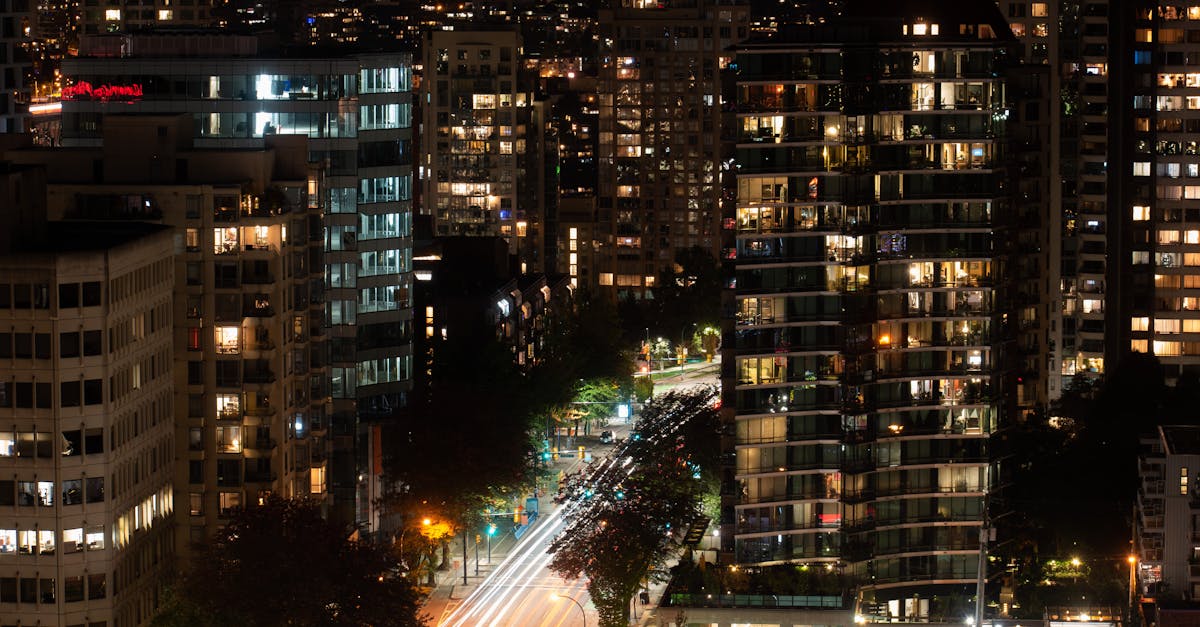
The best time to explore Vancouver largely depends on what you’re looking to experience. Spring, from March to May, is a delightful time to visit, with mild temperatures and blooming cherry blossoms. Crowds are relatively low, making it easier to explore attractions and enjoy outdoor activities. The average temperatures range from the mid-40s to mid-60s Fahrenheit, providing comfortable conditions for sightseeing.
Summer, from June to August, is peak tourist season. The weather is warm, often reaching the 70s and 80s, and outdoor festivals and events abound. However, expect larger crowds and higher prices during this time. If you enjoy lively street fairs and outdoor dining, summer is ideal, but be prepared for busier attractions.
Fall, from September to November, offers a beautiful display of autumn colors, particularly in parks and gardens. Temperatures start to cool, averaging between the mid-40s and 60s. While crowds diminish after summer, September can still see a fair number of visitors. Winter, from December to February, brings cooler temperatures, often dipping into the 30s, and is perfect for those who enjoy winter sports in nearby mountains. Though rain is frequent, especially in November and December, this season offers a quieter experience with fewer tourists.
Where to Stay in Vancouver#
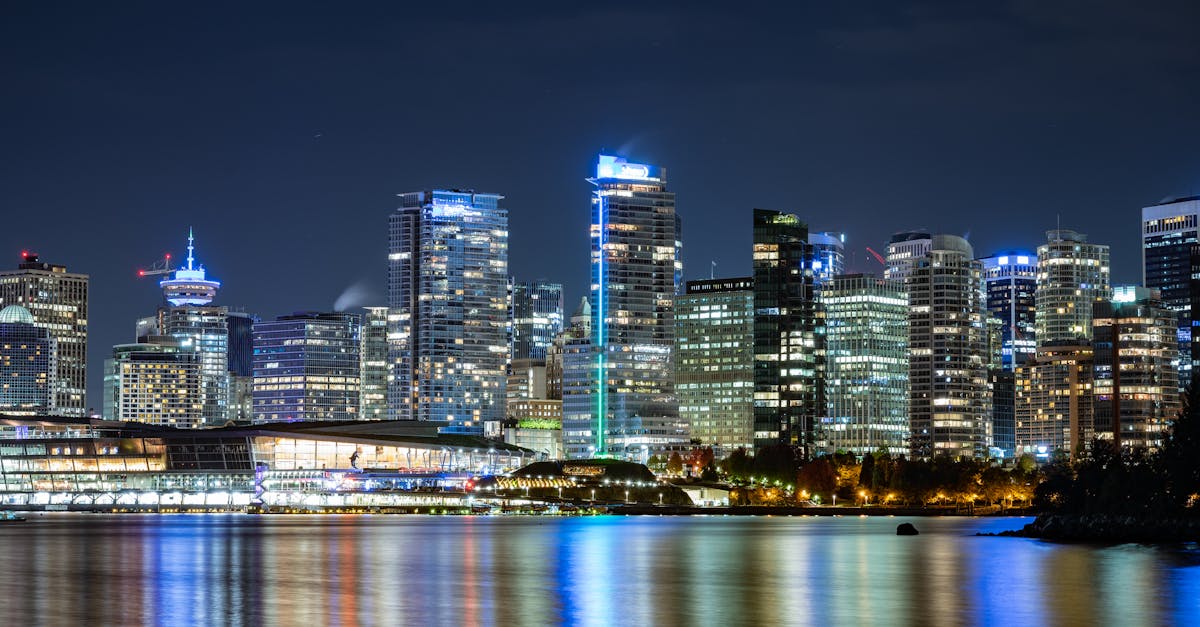
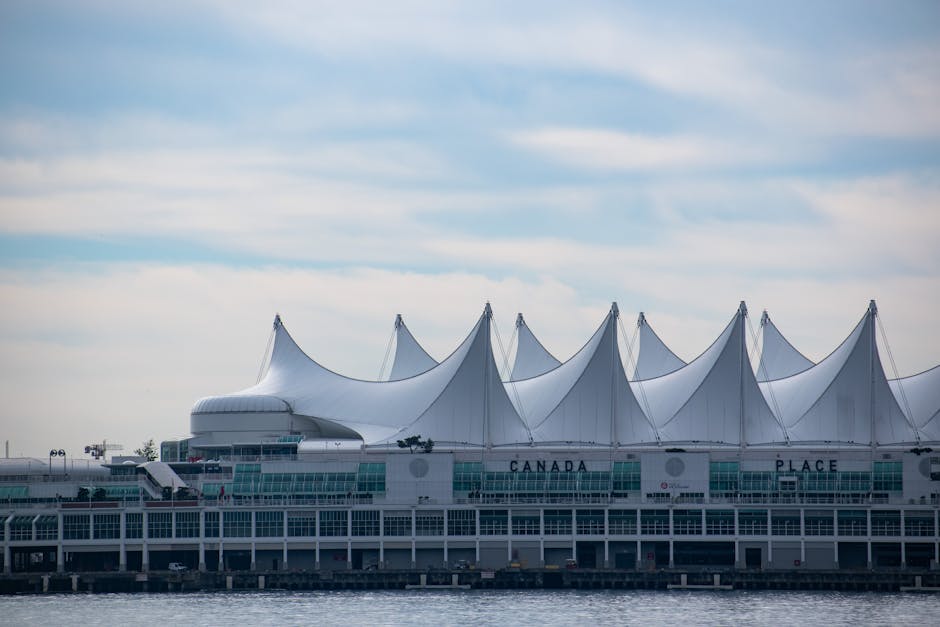
When considering where to stay in Vancouver, various neighborhoods cater to different preferences and budgets. Downtown is a popular choice for those who want to be in the heart of the action. It offers a range of accommodations from budget hostels to luxury hotels, and provides easy access to attractions like the Vancouver Art Gallery and Canada Place.
For travelers seeking a more local experience, Mount Pleasant is a great option. This neighborhood is known for its artistic vibe and craft breweries, with mid-range accommodations that reflect the area’s personality. It’s a short transit ride to downtown, making it convenient for sightseeing while offering a taste of local life.
West End is another fantastic choice, especially for those who enjoy proximity to Stanley Park and the beach. This area features a mix of budget and mid-range options, along with charming cafes and restaurants. For luxury seekers, Coal Harbour boasts stunning views of the waterfront and mountains, with high-end hotels and fine dining options that make it perfect for a pampered getaway.
Top Things to Do in Vancouver#
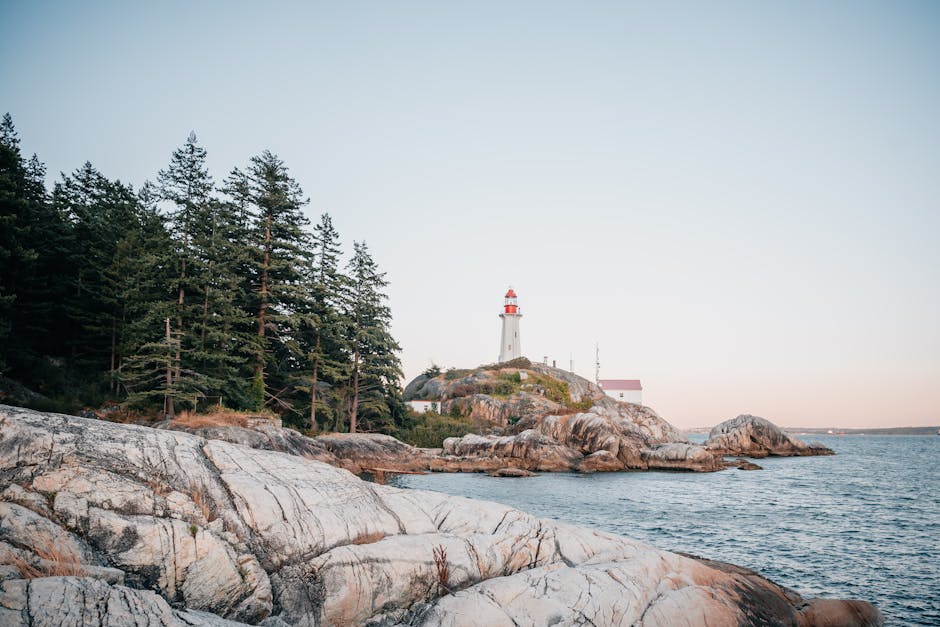
A visit to Stanley Park is ideal for any traveler. This expansive urban park features scenic views, walking trails, and the famous Seawall, perfect for a leisurely stroll or bike ride along the waterfront. Nature lovers will appreciate the park’s lush forests and the Vancouver Aquarium, home to various marine life.
Another iconic landmark is Granville Island, where you can explore an artisan market filled with local crafts, fresh produce, and delicious food stalls. The atmosphere is lively, making it a great spot to grab lunch and enjoy the waterfront views. For those interested in art, the nearby Vancouver Art Gallery showcases Canadian and Indigenous works, providing insight into the region’s artistic landscape.
For a dose of history, head to Gastown, Vancouver’s oldest neighborhood. The cobblestone streets are lined with boutique shops, restaurants, and the famous Gastown Steam Clock, a great photo opportunity. Nearby, you can visit Chinatown, one of North America’s largest, to explore its rich cultural history and sample authentic dim sum.
Outdoor enthusiasts can venture to Grouse Mountain, just a short drive from downtown. In winter, it transforms into a ski resort, while summer visitors can enjoy hiking trails and stunning panoramic views of the city. The Capilano Suspension Bridge Park offers another thrilling experience, with its suspension bridge spanning a lush canyon and treetop walkways that provide a unique perspective of the forest.
For a more tranquil experience, visit Queen Elizabeth Park, which features beautifully landscaped gardens and a stunning view of the city skyline. It’s a perfect spot for a picnic or leisurely afternoon stroll. If you’re feeling adventurous, consider a day trip to Whistler, a world-renowned ski resort that offers hiking and biking trails during the warmer months.
Food and Dining Guide#
Vancouver’s food scene is as diverse as its population, offering an array of flavors that reflect its multicultural influences. Start your culinary journey with Pacific Northwest cuisine, where fresh, locally sourced ingredients shine. One dish to try is salmon, often prepared in various styles, from cedar-planked to sushi. The city’s proximity to the ocean ensures that seafood is a highlight of many menus.
For a taste of local comfort food, don’t miss poutine, a dish of fries topped with cheese curds and gravy, which can be found at various eateries throughout the city. Street food is also a fantastic way to sample local flavors; check out food trucks offering everything from banh mi to gourmet hot dogs.
Another worth trying is dim sum, especially in Vancouver’s Chinatown. Enjoy a leisurely brunch with an assortment of dumplings, buns, and other small plates, perfect for sharing with friends or family. For dessert, seek out Nanaimo bars, a no-bake treat that layers chocolate, custard, and coconut, offering a sweet taste of Canadian tradition.
The city also boasts a lively craft beer scene, with numerous breweries offering tastings and tours. Pair your drinks with fish and chips, a classic dish that highlights the freshness of local seafood. Whether dining at upscale restaurants or enjoying casual street fare, Vancouver’s culinary landscape promises something for everyone.
Getting Around Vancouver#
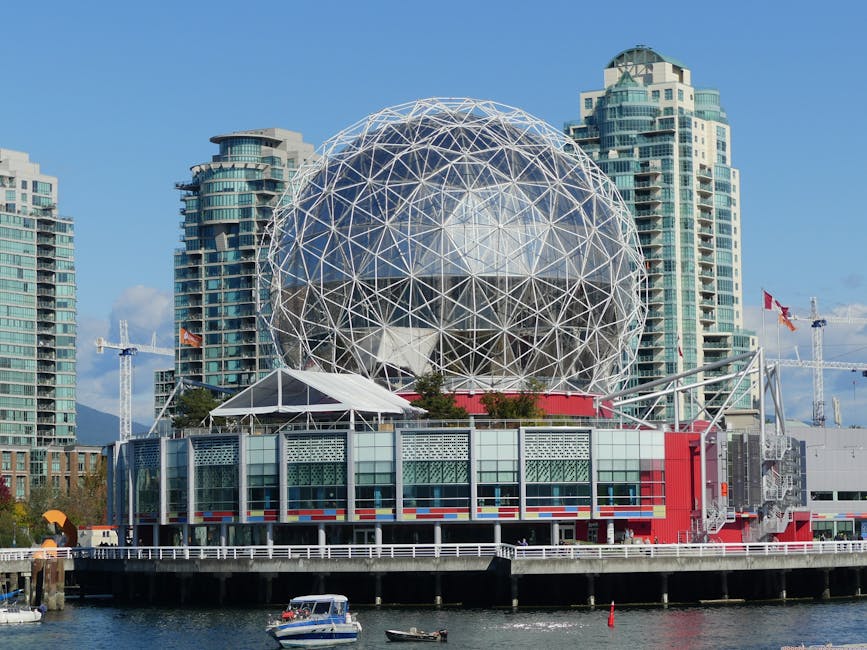
Navigating Vancouver is convenient, thanks to its well-developed public transit system. The SkyTrain is an efficient way to travel between neighborhoods and reach attractions, with three lines connecting various parts of the city. Buses and the SeaBus ferry provide additional options for getting around, allowing you to explore beyond the downtown area. Purchasing a day pass can be a cost-effective choice if you plan to use public transit frequently.
For those who prefer to travel at their own pace, renting a bike is a popular option, especially around Stanley Park and the Seawall. Many bike rental shops cater to tourists, offering hourly or daily rates. Walking is also a great way to experience the city, particularly in neighborhoods like Gastown and Granville Island, where attractions are close together.
If you need to travel further or prefer a more direct route, taxis and rideshare services are readily available. While parking can be challenging in the downtown area, some attractions may offer parking facilities. However, it’s often easier to rely on public transport or biking to fully enjoy what Vancouver has to offer.
Budget Breakdown#
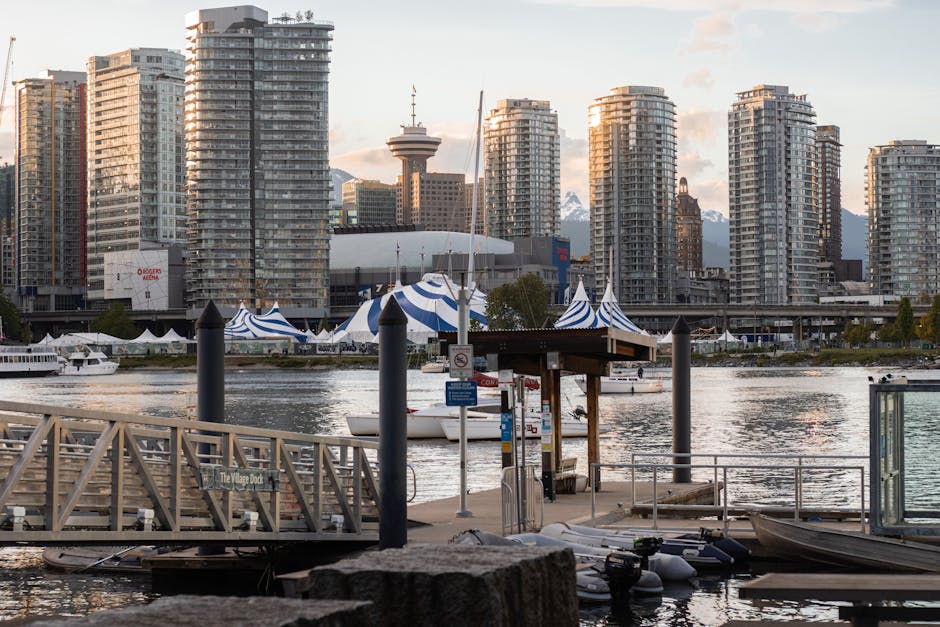
Planning your budget for a trip to Vancouver will depend on your travel style and preferences. For those on a budget, daily expenses can be kept around $60-100. This includes staying in budget accommodations, which typically start around $30-50 per night, enjoying inexpensive meals from food trucks or casual dining, and utilizing public transportation.
Mid-range travelers can expect to spend around $150-250 per day. This budget allows for a comfortable hotel stay, dining at a mix of casual and sit-down restaurants, and participating in various activities and attractions. Mid-range accommodations generally range from $100-200 per night.
For luxury travelers, daily budgets can exceed $300. This range includes upscale hotel stays, fine dining experiences, and guided tours or special activities. Luxury accommodations typically start at $200 and can go much higher, especially in prime locations. Regardless of your budget, Vancouver offers a range of options that can cater to every traveler’s needs.
Travel Tips for Vancouver#
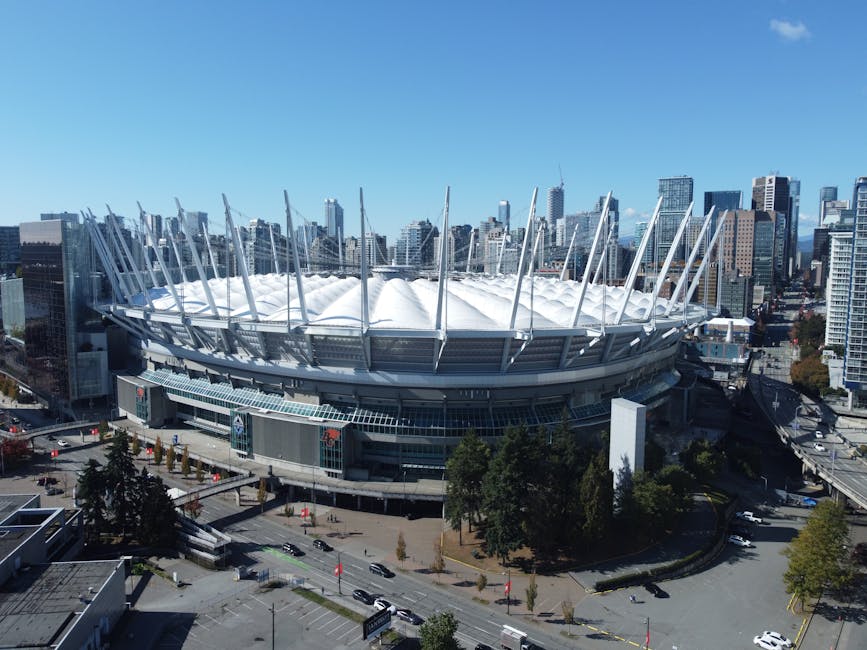
Weather Preparedness is crucial when visiting Vancouver, as the climate can be unpredictable. Always carry a light jacket or sweater, even in summer, and consider waterproof footwear if you plan to explore during the rainy season.
Language and Communication are generally not barriers in Vancouver, as English is widely spoken. However, knowing a few basic phrases in French can be appreciated, especially in areas with a significant Francophone population.
Cultural Sensitivity is essential, particularly when visiting Indigenous sites or engaging with local communities. Taking the time to learn about the area’s history and respecting cultural practices will enhance your experience.
Local Events and Festivals are plentiful throughout the year. Check local listings for events that may coincide with your visit, such as the Vancouver International Film Festival or the Vancouver Folk Music Festival. Participating in these events can provide unique insights into the city’s culture.
Safety Considerations should not be overlooked. Vancouver is generally safe, but it’s wise to stay aware of your surroundings, especially in crowded areas. Keep your belongings secure and avoid poorly lit streets at night.
Cash vs. Card is another point to consider. While credit and debit cards are widely accepted, having some cash on hand can be useful for small purchases, especially at markets or food stalls.
In sum, Vancouver offers a wealth of experiences for travelers, from stunning natural landscapes to a dynamic food scene. Whether you’re exploring the great outdoors or indulging in the city’s culinary offerings, you’ll find plenty to appreciate in this beautiful Canadian city.