📌 Disclaimer
Prices, schedules, tour details, flight routes, visa requirements, and all other information on this page are based on data at the time of writing. Fares, availability, and policies may change. Please verify current details on the official website before booking.
Complete Travel Guide to Valencia: Top Attractions, Tips & Itinerary#
Why Visit Valencia?#
The scent of fresh oranges hangs heavy in the air around the Plaza de la Reina, mixing with the salty breeze coming off the Mediterranean just a few blocks away. This city, the third-largest in Spain , offers a unique blend of historic charm and futuristic innovation that feels distinct from the heavier tourism of Barcelona or Madrid. Walking through Valencia feels like stepping into a world where the past and future coexist comfortably; you can admire medieval Gothic architecture in the morning and spend the afternoon wandering through surreal, white-washed complexes that look like they belong in a science fiction movie.
What truly sets Valencia apart is its connection to the sea and its status as the birthplace of paella. While many Spanish cities have turned their backs on the coast to focus on industry, Valencia has embraced the water, reclaiming the riverbed to create a massive green park that cuts through the city center. It is a place that prioritizes outdoor living, with residents and visitors alike filling the wide sidewalks and plazas from dawn until dusk. The pace here is relaxed but energetic, offering American travelers a chance to experience authentic Spanish culture without the overwhelming crowds found in other major hubs.
Best Time to Visit Valencia#
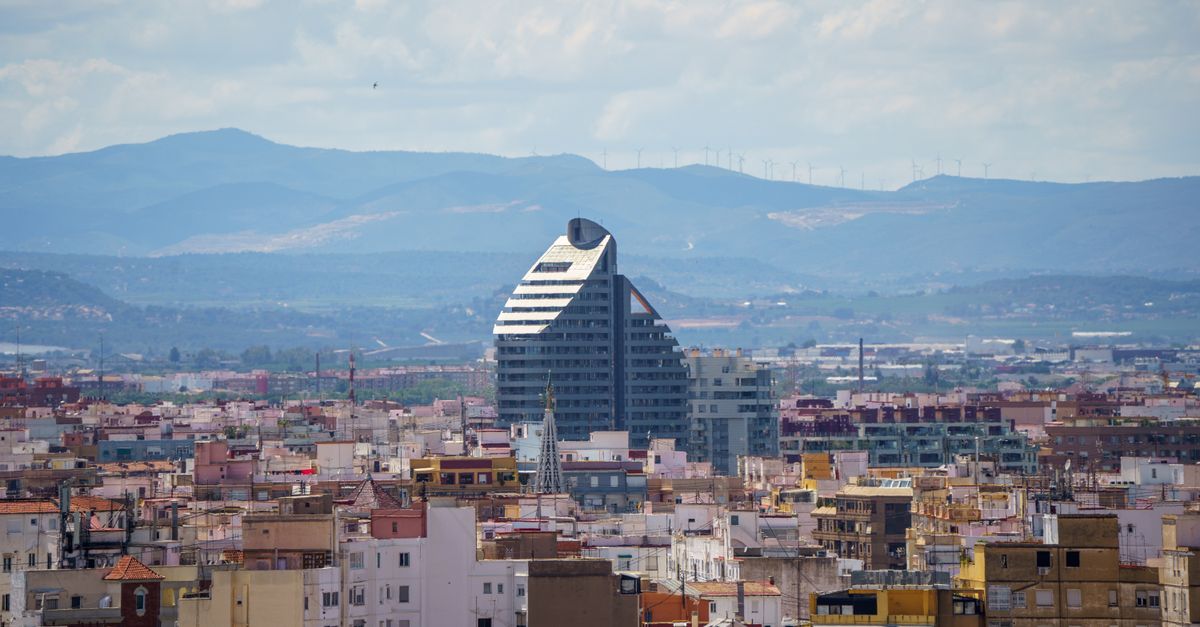
Valencia enjoys a Mediterranean climate with mild, wet winters and hot, dry summers, making it a year-round destination, though the experience changes drastically depending on the season. The spring months, particularly April through June, are widely considered the ideal time to visit. During this window, the weather is pleasantly warm, perfect for walking the Turia Gardens or sitting at outdoor terraces, and the city is in full bloom with fragrant orange blossoms. This is also when you might catch the famous Fallas festival in March, a massive celebration of fire and noise, though be aware that prices spike and accommodation books up months in advance for this specific event.
Summer, from July to August, brings intense heat that often pushes temperatures into the 90s Fahrenheit. This is the beach season, so the coastline comes alive with tourists and locals looking to escape the city heat. If you visit in summer, plan your outdoor activities for the early morning or late evening and spend the midday hours at the beach or in a museum with air conditioning. Prices for accommodation are at their highest during these months, reflecting the peak European vacation period.
Autumn, specifically September and October, offers a “second spring” with warm sea temperatures and comfortable weather, making it excellent for swimming and sightseeing. The winter months, November through February, are the quietest and most affordable. While it rarely freezes, winter days can be crisp and breezy, and you will encounter more rain than in other seasons. However, this is the best time for budget travelers to find deals on flights and hotels, and the cooler weather makes exploring the historic center on foot much more comfortable.
Where to Stay in Valencia#
Choosing the right neighborhood depends on whether you prefer to be in the center of the action or near the beach. The Ciutat Vella, or Old Town, is the heart of the city and the best choice for first-time visitors who want to be surrounded by history. Staying here means you are within walking distance of major landmarks, the central market, and the cathedral. The area is lively, sometimes noisy late into the night, but it captures the essence of the city. Accommodation options range from hostels and budget guesthouses in older buildings to high-end boutique hotels in renovated palaces.
For a more local, residential feel, consider the Eixample district. This area expands outward from the old town and is characterized by wide, grid-like streets lined with Modernist buildings. It feels calmer than the Old Town but still offers excellent access to restaurants and shops. Here, you will find a strong mix of mid-range hotels and luxury apartments. It is a great area for travelers who want a slightly more sophisticated vibe while still being close to the center.
If your priority is sun and sand, the Poblenou and Malvarrosa beach areas are where you should look. These neighborhoods are located east of the city center along the coast. While it requires a short bus or bike ride to get to the historic center, you gain immediate access to the promenade and the Mediterranean Sea. This area fills up with locals in the summer and has a resort-like atmosphere. You can find everything from budget surf hostels to upscale seaside resorts here.
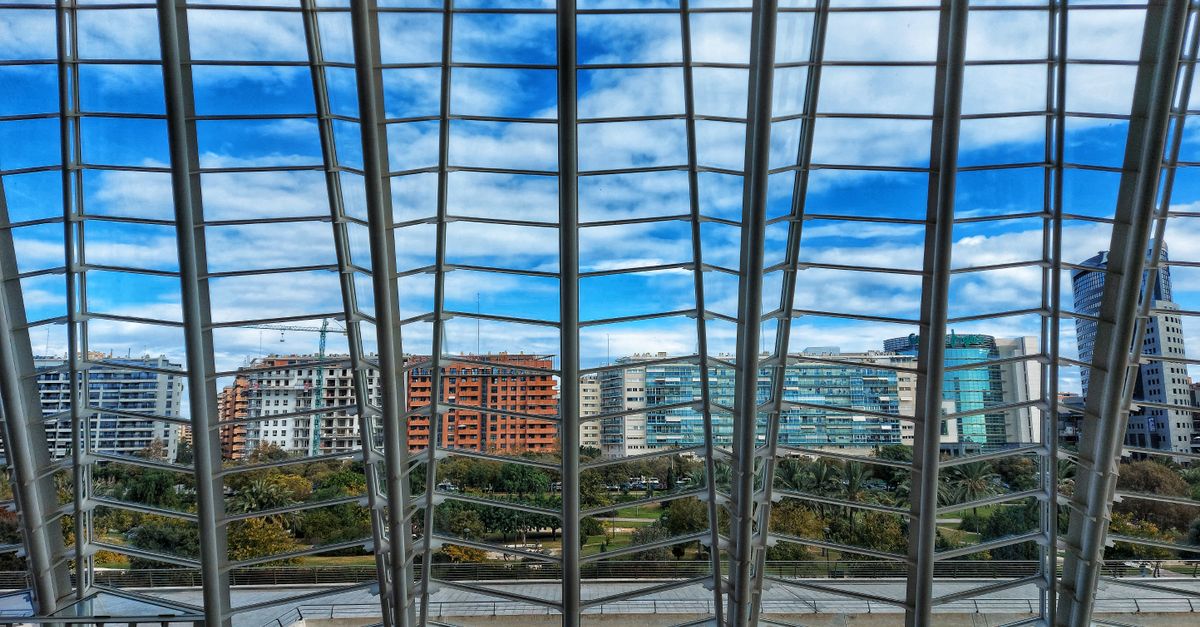
Finally, for those interested in architecture and modern amenities, staying near the City of Arts and Sciences offers a unique experience. This area is more removed from the traditional city center and is quieter at night, but it puts you right next to Valencia’s most iconic modern landmarks. The hotels here tend to be on the higher end of the luxury spectrum, often featuring rooftop pools and sleek, contemporary designs.
Top Things to Do in Valencia#
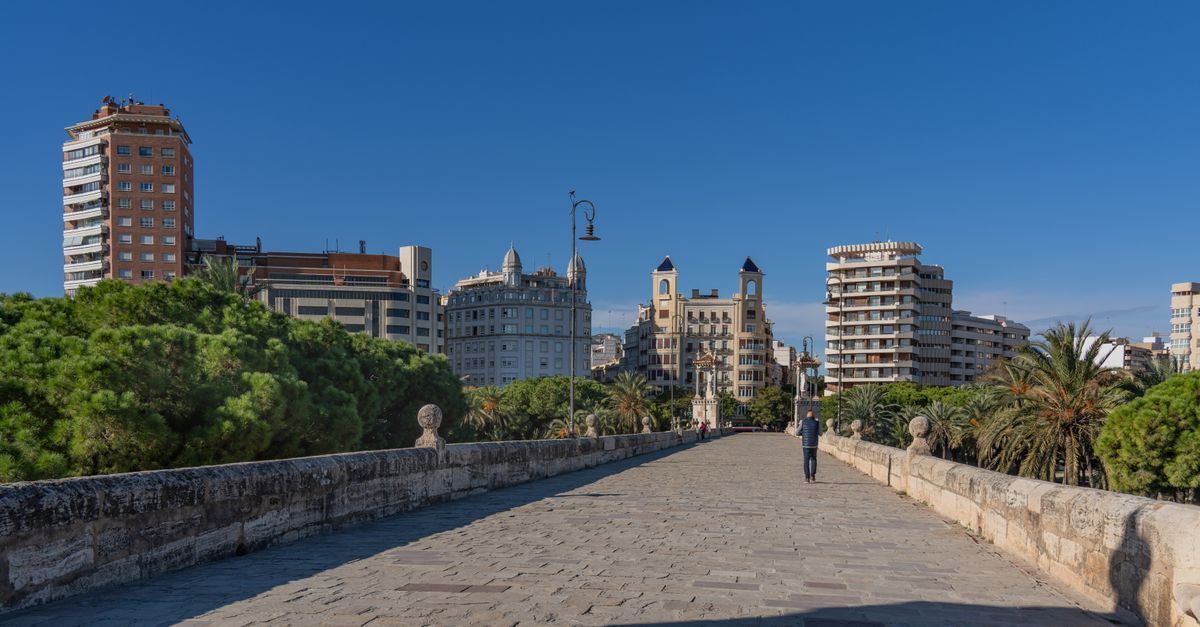
Wandering through the City of Arts and Sciences is often the highlight of any trip to Valencia. Designed by local architect Santiago Calatrava, this massive complex is a futuristic display of white curves, glass, and reflecting pools. It is not just for looking at, either; you can walk through the Umbracle, a landscaped walkway with native plants, or visit the Oceanogràfic, which is the largest aquarium in Europe . The architecture here is strikingly different from the rest of the city, providing a stark visual contrast that makes for incredible photographs, especially at sunset when the white structures glow against the darkening sky.
Running right through the middle of the city is the Jardí del Túria (Turia Gardens). This is not a typical city park; it is a dried-up riverbed that was converted into a nine-mile-long green space snaking through the urban center. It is the perfect place for a morning jog, a bike ride, or a leisurely stroll. Connecting the beaches to the inner city, the park is filled with playgrounds, sports courts, and fountains. Walking through it gives you a sense of how locals live, as you will see families, runners, and cyclists all sharing the path.
In the heart of the Old Town stands the Valencia Cathedral. This building is a fascinating architectural mashup, having been built over the course of several centuries. You can see Romanesque, Gothic, and Baroque elements all in one structure. Inside, visitors can climb the Miguelete Tower, the octagonal bell tower, which offers a panoramic view of the city’s rooftops. The climb is narrow and winding, but the view from the top provides a great orientation to the layout of the historic center.
Just a short walk from the cathedral is the Central Market (Mercat Central). Housed in a beautiful Modernist building with colorful stained glass and a domed roof, this is one of the oldest running markets in Europe. It is a sensory overload of sights and smells, with stalls piled high with fresh fruits, vegetables, cured meats, and seafood. Even if you are not cooking for yourself, it is a great place to grab a fresh juice or a snack and take in the atmosphere of daily Valencian life.
Located right next to the market is the Lonja de la Seda, or Silk Exchange. This UNESCO World Heritage site is a masterpiece of Gothic civil architecture. Built when Valencia was a major trading hub, the building features an impressive main hall with twisted stone columns that look like palm trees. It is a quiet, solemn space that contrasts sharply with the noise of the market next door, offering a glimpse into the city’s wealthy merchant past.
For a change of pace, head to the Valencia Institute of Modern Art (IVAM). While many visitors focus on the history, the city also has a thriving contemporary art scene. The IVAM is the center of this, hosting rotating exhibitions of modern and contemporary art. The building itself is a mix of old and new architecture, and the galleries are spacious and well-curated, providing a cool, indoor respite during the hot summer months.
No visit is complete without seeing the Serranos Towers. These two massive, stone gateways are what remain of the medieval city walls. They once served as a defensive entrance and a prison for nobles. Today, they stand as a symbol of the city and are open to the public. You can walk along the ramparts and look out over the riverbed park and the city beyond. It is a particularly popular spot at sunset.
If you have time, take a short trip to the Albufera Natural Park, located just south of the city. This freshwater lagoon is the birthplace of paella and is a great for birdwatchers. You can take a traditional wooden boat ride across the water at sunset, watching the sky change colors over the reeds. It feels like a world away from the city, offering a peaceful look at the region’s natural environment.
Finally, spend some time at the Plaza de la Virgen. This is the living room of Valencia, a large square surrounded by the cathedral, the basilica, and fountains. It is always full of people, from street performers to locals enjoying a coffee at one of the many terraces. Sitting here for an hour and watching the world go by is one of the best ways to experience the relaxed rhythm of the city.
Food and Dining Guide#
Eating in Valencia is a serious business, and the city’s culinary scene is defined by fresh, local ingredients. The undisputed star of the show is Paella Valenciana. Unlike the mixed seafood versions often found in other parts of the world, the authentic Valencian paella is made with chicken, rabbit, green beans, and butter beans. It is cooked over an open fire with saffron-infused rice, resulting in a crispy bottom layer called socarrat that is highly prized. Finding a good paella requires venturing slightly away from the most tourist-heavy squares, often to restaurants in the neighborhoods of Russafa or Cabanyal.
Another worth trying dish is Esgarraet, a simple but flavorful appetizer typical of the region. It consists of roasted red peppers and salted cod fish, usually served with garlic and olive oil on a slice of toast. It highlights the quality of the local produce and the city’s fishing heritage. You will also find Fideuà on many menus. This dish looks like paella but is made with short noodles instead of rice and is typically loaded with seafood. It was invented by fishermen in the area and has become a beloved alternative to the rice dish.
For a hearty meal, look for All i Pebre, a traditional stew made with eel, potatoes, garlic, paprika, and olive oil. It is a rustic dish with a strong flavor profile that is perfect for cooler days. When it comes to street food or quick snacks, the Horchatería is essential. These establishments specialize in horchata, a sweet, milky drink made from tiger nuts. It is served ice cold and traditionally accompanied by Fartons, long, sugary pastries dipped into the drink. It is a refreshing treat unique to this region.
Dining in Valencia is often a slow, drawn-out affair. Lunch is the main meal of the day, usually eaten between 2:00 PM and 4:00 PM. For a sit-down dinner, locals rarely eat before 9:00 PM. If you get hungry earlier, you can opt for tapas, where you order small plates to share at the bar. While there are many high-end restaurants earning Michelin stars, some of the best food is found in casual, family-run bodegas where the menu is written on a chalkboard.
Getting Around Valencia#
Valencia is a very walkable city, particularly in the historic center and the Turia Gardens. Most of the major tourist attractions in the Old Town are within a comfortable walking distance of each other. However, if you need to travel longer distances, the public transportation system is efficient and affordable. The metro system is clean and modern, connecting the outlying neighborhoods, the beach, and the airport to the city center. Buses cover the entire city and are frequent, though they can get crowded during rush hours.
A popular and fun way to get around is by using the city’s bike-sharing system, Valenbisi. There are stations all over the city, and the flat terrain makes cycling an easy option. You can pick up a bike in the center and ride all the way to the beach via the Turia Gardens without ever touching a car. For direct trips or if you are carrying luggage, taxis are readily available and reasonably priced compared to other European cities. Ride-sharing apps also operate in the city.
Renting a car is generally not recommended if you are staying within the city limits. The streets in the Old Town are narrow and often pedestrian-only, and parking can be expensive and difficult to find. A rental car is only really necessary if you plan to explore the surrounding countryside or the Costa Blanca coastline. If you do rent a car, be aware that the city has a low-emission zone that restricts access to older, non-eco-friendly vehicles in the center.
Budget Breakdown#
Valencia is generally an affordable destination compared to other major European cities, though your daily spend will depend on your travel style. For budget travelers, you can expect to spend roughly $60 to $80 per day. This assumes staying in a dormitory hostel or a budget guesthouse, cooking some of your own meals or eating cheap tapas, and using public transport or walking. Street food and menu del dia (set lunch menus) are your best friends for keeping costs low while still eating well.
Mid-range travelers should budget around $120 to $180 per day. This allows for a stay in a three-star hotel or a private apartment rental. It covers dining in restaurants for most meals, enjoying a few drinks at nice terraces, and taking taxis occasionally. This budget also allows for entry fees to major attractions like the Oceanogràfic and booking guided tours.
Luxury travelers can easily spend $300 or more per day. This includes staying in high-end boutique hotels or resorts near the beach, dining at the city’s top restaurants, and private transportation. It also covers experiences like private sailing trips or exclusive wine tastings. Regardless of your budget, wine and beer are significantly cheaper here than in the United States , often costing less than a soda.
Travel Tips for Valencia#
Sierra schedule is important to understand when planning your day. Many smaller shops and businesses close for a few hours in the afternoon, typically from 2:00 PM to 5:00 PM, for lunch and rest. Large department stores and tourist attractions usually stay open, but if you need to do specific shopping or visit a local business, aim for the morning or late evening.
Cash is king in many traditional establishments. While credit and debit cards are widely accepted in hotels and larger restaurants, small tapas bars, markets, and bakeries often prefer cash, especially for smaller amounts. It is always a good idea to carry some euros in your pocket to avoid awkward situations.
Watch your belongings in crowded areas. While Valencia is generally a safe city with a low violent crime rate, petty theft can be an issue, particularly in tourist hotspots like the Central Market, the beach, and on public transport. Pickpockets often work in teams, so keep your bag zipped and your valuables secure, especially in busy plazas.
Learning basic Spanish phrases goes a long way. While English is spoken in many tourist areas, Valencia is a bilingual city where many locals speak Valencian as well as Spanish. Attempting to speak Spanish, even just a simple “hola” or “gracias,” is appreciated by locals and can lead to warmer interactions and better service.
Dining etiquette differs from the US. In Spain, it is considered rude for the server to bring the check before you ask for it, as it implies they are rushing you to leave. When you are ready to pay, simply catch your server’s eye and ask for “la cuenta, por favor.” Tipping is not obligatory, as service is included, but leaving small change or rounding up the bill is a nice gesture for good service.
📌 Disclaimer
Prices, schedules, tour details, flight routes, visa requirements, and all other information on this page are based on data at the time of writing. Fares, availability, and policies may change. Please verify current details on the official website before booking.
📌 More about Valencia