📌 Disclaimer
Prices, schedules, tour details, flight routes, visa requirements, and all other information on this page are based on data at the time of writing. Fares, availability, and policies may change. Please verify current details on the official website before booking.
Why Visit Ushuaia?#
The damp smell of rotting kelp and freezing salt spray hits your face the moment you step off the plane at the southernmost airport in the world. Jagged, snow-dusted peaks of the Martial Range plunge directly into the dark, churning gray waters of the Beagle Channel, creating a dramatic landscape that feels entirely detached from the rest of South America. Sitting at the absolute edge of the continent, this frontier town offers travelers a rare chance to stand where the Andes mountains finally give way to the endless, windswept expanse of the Southern Ocean and the frozen continent beyond.
Beyond its geographic significance, the region functions as the primary gateway for expeditions sailing south toward the Antarctic Peninsula, drawing adventurous spirits from every corner of the globe. Yet, beyond the cruise port and outdoor gear shops lies a resilient community of pioneers, fishermen, and scientists who have carved out a life in one of the planet’s most challenging environments. Weather systems shift in minutes here, cycling through blinding snow, gale-force winds, and brilliant blue skies within the span of a single afternoon, keeping visitors constantly alert and awestruck by the sheer power of nature.
For American travelers willing to make the long journey south, the journey delivers a profound sense of isolation and discovery without sacrificing modern comforts. Whether you plan to hike across ancient glaciers, photograph colonies of wild penguins waddling along rocky shorelines, or simply watch commercial container ships battle the same swells that once challenged Charles Darwin, the southern tip of Argentina delivers an experience that defies conventional vacation molds.
Best Time to Visit Ushuaia#
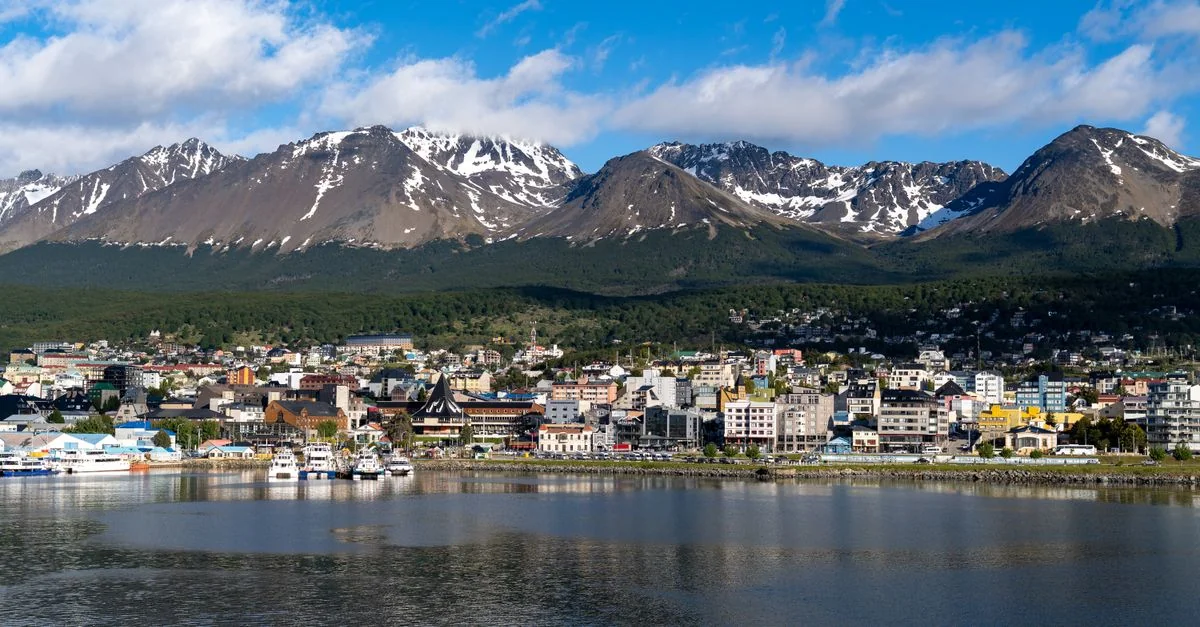
Planning a trip to the end of the world requires careful attention to the Southern Hemisphere seasons, as the weather dictates everything from ferry schedules to trail accessibility. The peak tourism window runs from November through March, which corresponds to the local spring and summer. During November and December, daylight stretches for up to eighteen hours, and the surrounding valleys explode with wildflowers, though temperatures still hover comfortably in the 40s and 50s Fahrenheit. Winds tend to peak during January and February, but these summer months offer the most reliable weather for trekking and wildlife viewing, particularly for spotting penguin colonies on Martillo Island. Cruise ships bound for Antarctica dominate the harbor during this high season, so flights and lodging demand booking several months in advance.
As March fades into April, autumn paints the Fuegian forests in fiery shades of red and orange, bringing a striking visual contrast against the permanent snowcaps. Crowds thin out significantly, and airfares often drop, but daylight shrinks rapidly and many seasonal tour operators close their doors by May. Winter takes hold from June through September, transforming the region into a snowy popular with downhill skiing, snowshoeing, and dog sledding at resorts like Cerro Castor. Temperatures regularly drop below freezing, and while the landscape looks remarkably pristine, high-latitude darkness sets in by mid-afternoon, limiting outdoor exploration time for standard sightseeing.
Where to Stay in Ushuaia#
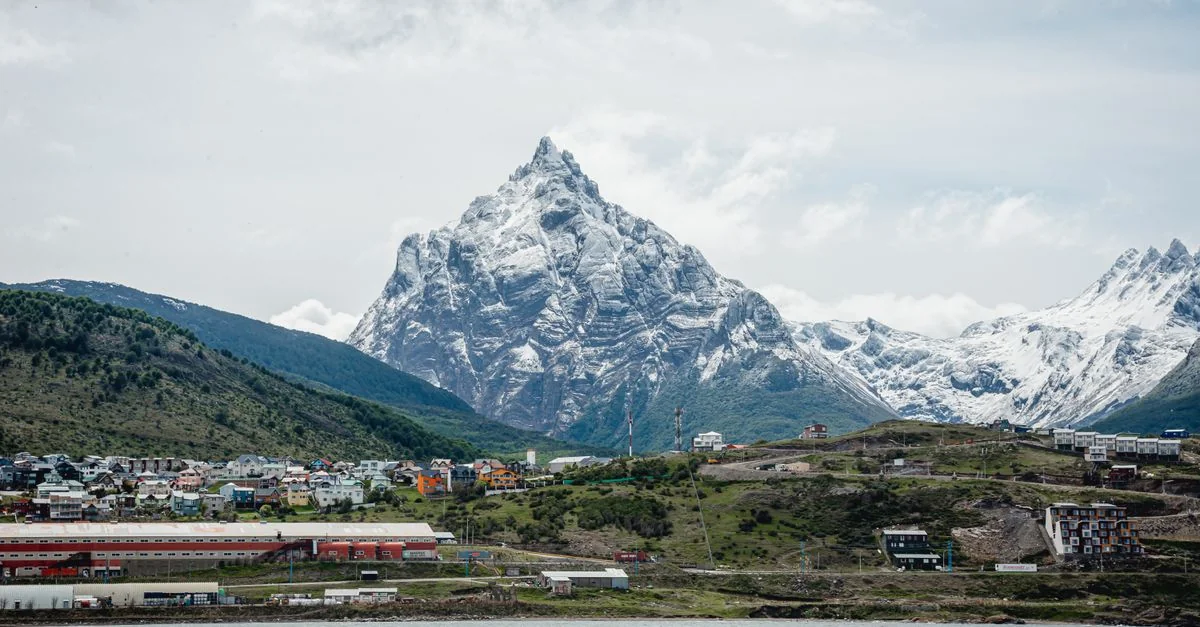
Choosing a base in this mountain-ringed municipality depends largely on your mobility and preference for proximity to the waterfront. The central downtown grid, centered around San Martín Avenue, places you within easy walking distance of the port, tour agencies, and dozens of restaurants. Accommodations here range from budget-friendly hostels catering to backpackers to mid-range boutique inns featuring classic Patagonian architecture with slanted tin roofs and warm wooden interiors. Staying downtown allows you to navigate entirely on foot for dining and shopping, though the steep hills rising away from the water can test your stamina after a long day of hiking.
Just west of the central commercial district, the hilltop neighborhoods offer sweeping, unobstructed views of the Beagle Channel and the mountain ranges rising across the water in Chile . This area leans heavily toward upscale properties, including luxury mountain lodges and quiet bed-and-breakfasts that cater to travelers seeking tranquility away from the busy cruise ship crowds. While these elevated sectors require a short taxi ride or a strenuous uphill walk from the town center, the reward is waking up to panoramic sunrise views over the icy harbor. Another appealing pocket sits slightly east toward the entrance of the national park, where secluded cabins and rental properties provide a rustic wilderness atmosphere while remaining just a short drive from urban conveniences.
Top Things to Do in Ushuaia#
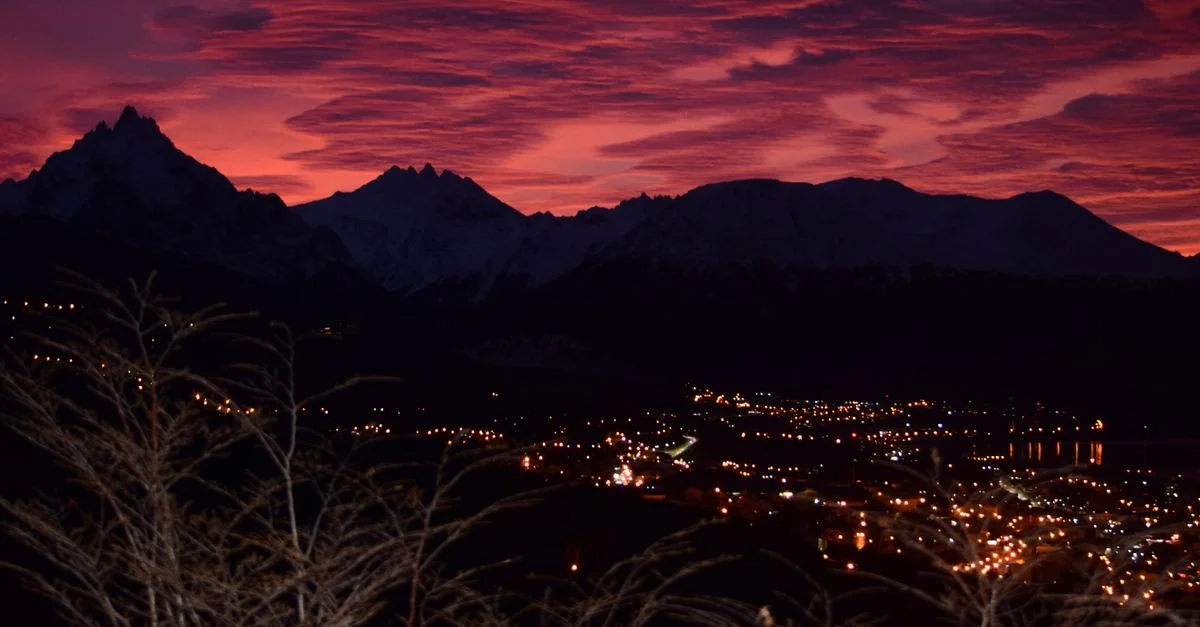
Exploring the local landscape begins with a journey into Tierra del Fuego National Park, where protected trails wind through dense Antarctic beech forests, peat bogs, and rugged coastal headlands along the Beagle Channel. Hikers can follow the coastal path to the shores of pristine lakes or tackle more challenging routes up local peaks for expansive views of the surrounding archipelago. For a unique historical perspective, visitors can ride the Southern Fuegian Railway, also known as the Train to the End of the World, which follows the original route used by prisoners to transport timber from the surrounding mountains to the old penal colony.
Water-based excursions are practically mandatory, and taking a catamaran cruise through the Beagle Channel provides close-up encounters with colonies of sea lions and imperial cormorants lounging on rocky islets. Most boat tours also pass the iconic Les Eclaireurs Lighthouse, the picturesque red-and-white beacon perched on a tiny rock outcropping that has come to symbolize the remote isolation of the region. Bird watchers and wildlife enthusiasts should book an excursion to Martillo Island, where guided walking tours allow visitors to observe Magellanic and gentoo penguins nesting in their natural habitat during the summer months.
Back on dry land, history buffs will find deep intrigue within the walls of the Maritime and Prison Museum, housed inside the town’s massive former penitentiary that once held Argentina’s most notorious criminals and political prisoners. The preserved cellblocks offer a sobering look at the harsh realities faced by the early pioneers who built the settlement, while adjoining galleries showcase naval history and Antarctic exploration. Afterward, stretch your legs with a trek up the Martial Glacier, located just a few miles uphill from the town center. A chairlift or a steep foot trail brings hikers to the foot of the melting ice mass, where panoramic views stretch across the Beagle Channel and out toward the jagged peaks of Navarino Island in neighboring Chile.
Food and Dining Guide#
Dining at the southern tip of the continent revolves heavily around the cold, nutrient-rich waters of the surrounding seas and the traditional livestock heritage of Argentine Patagonia. The undisputed culinary star of the region is centolla, or southern king crab, harvested fresh from the icy depths and served in preparations that range from simple garlic butter sauces to rich, cheesy casseroles. Alongside the crab, local menus heavily feature Patagonian toothfish, known internationally as Chilean sea bass, which offers a buttery texture and delicate flavor that pairs exceptionally well with crisp local white wines.
For meat lovers, the regional obsession with cordero fueguino, or Fuegian lamb, stands out as a worth trying experience. Whole lambs are traditionally roasted vertically on iron crosses over glowing logs of lenga wood for several hours, resulting in exceptionally tender meat with a distinctively smoky flavor and crispy, salted skin. You will find this delicacy served in rustic steakhouses known as parrillas dotted throughout the town center. While casual empanada shops and bakeries provide budget-friendly lunch options on the go, evening dining leans toward leisurely, multi-course meals that frequently begin late by North American standards, with most restaurants opening their doors for dinner around nine o’clock at night.
Getting Around Ushuaia#
Navigating the southernmost settlement is remarkably straightforward due to its compact size, though the steep topography presents a physical challenge. The primary commercial strip and the waterfront are entirely pedestrian-friendly, and walking remains the best way to take in the local architecture and browse the outdoor gear shops. When your legs grow tired or you need to head uphill toward the residential neighborhoods, official white-and-yellow metered taxis are plentiful, relatively inexpensive, and easily hailed from the street or called via local apps.
Public buses operate regular routes connecting the downtown core with the airport and nearby residential sectors, though schedules can be irregular and require purchasing a reloadable transit card. Renting a car makes sense if you plan to explore independently outside the town limits, such as driving deep into the national park or heading north toward the mountain passes, but standard rental vehicles are unnecessary if you only intend to join organized day tours. Walking combined with occasional taxi rides satisfies the transportation needs of most visitors without the hassle of navigating snowy roads or securing parking near the busy harbor.
Budget Breakdown#
Planning financial expenses for a trip to the end of the world requires balancing higher import costs associated with remote geography against the generally favorable exchange rates often found in Argentina. For budget travelers staying in shared hostel dormitories, preparing basic meals from local grocery stores, and sticking to public buses and self-guided hikes, daily expenditures generally range from $50 to $90 per person. This tier allows you to experience the natural beauty of the region without splurging on pricey guided boat excursions or high-end dining rooms.
Mid-range travelers can expect daily costs between $150 and $300, which covers a private room in a comfortable downtown hotel, rental car usage or organized bus tours to the national park, and a mix of casual lunches and nice dinners featuring local seafood and lamb. At the luxury end, expenditures easily exceed $500 per day. This tier unlocks upscale mountainside lodges with spa amenities, private guided trekking excursions, chartered boat trips on the Beagle Channel, and reservations at the finest dining establishments in the region, ensuring maximum comfort amidst the wild landscape.
Travel Tips for Ushuaia#
Weather preparedness stands as the single most critical factor for an enjoyable journey to this sub-polar climate. Pack clothing in versatile layers that include a windproof and waterproof outer shell, thermal base layers, sturdy waterproof hiking boots, and a warm hat and gloves, regardless of whether you visit during the mild summer months.
Currency strategy requires careful planning due to economic fluctuations in Argentina. While major credit cards are widely accepted in hotels, larger restaurants, and tour agencies, carrying a sufficient amount of Argentine pesos in cash is essential for smaller shops, taxis, and tipping.
Altitude and sun protection often catch travelers off guard in these southern latitudes. The ozone layer is particularly thin in this part of the world, making high-SPF sunscreen and UV-blocking sunglasses mandatory even on overcast days when the harsh glare off the water and snow can cause rapid sunburns.
Booking in advance is essential if you plan to visit during the peak summer window between December and February. Accommodations, Antarctic cruise connections, and popular wildlife excursions fill up months ahead of time, leaving very little room for spontaneous planning during the high season.
Environmental respect ensures the pristine wilderness remains intact for future generations. Always adhere to strict Leave No Trace principles while hiking in the national park, maintain a safe respectful distance from wild animals like penguins and sea lions, and never remove shells, rocks, or native plants from protected areas.
📌 Disclaimer
Prices, schedules, tour details, flight routes, visa requirements, and all other information on this page are based on data at the time of writing. Fares, availability, and policies may change. Please verify current details on the official website before booking.
📌 More about [Ushuaia](https://adventure.techpawz.com/posts/ushuaia-adventure/)