📌 Disclaimer
Prices, schedules, tour details, flight routes, visa requirements, and all other information on this page are based on data at the time of writing. Fares, availability, and policies may change. Please verify current details on the official website before booking.
Why Visit Uluru?#
As the sun begins to rise over the Australian outback, the first rays of light dance upon the ancient sandstone formation of Uluru, casting shades of orange and red that seem to ignite the landscape. This iconic monolith, also known as Ayers Rock, stands as a powerful symbol of Australia’s spiritual and natural beauty. It is not merely a rock formation; it embodies the deep cultural significance held by the Anangu people, the traditional custodians of the land. Visitors to Uluru are not just witnessing a geological marvel; they are stepping into a living story that has been told for thousands of years.
Uluru offers a unique blend of natural wonder and cultural experience. Towering at 1,142 feet and stretching over 5.8 miles in circumference, this magnificent site draws travelers from around the world who seek to connect with its profound spiritual essence. The surrounding Uluru-Kata Tjuta National Park is home to diverse wildlife, stunning desert landscapes, and the striking domes of Kata Tjuta, also known as the Olgas. The park’s rich ecosystems are a testament to the resilience of life in one of the world’s harshest environments, making it a compelling destination for nature lovers and cultural enthusiasts alike.
Best Time to Visit Uluru#
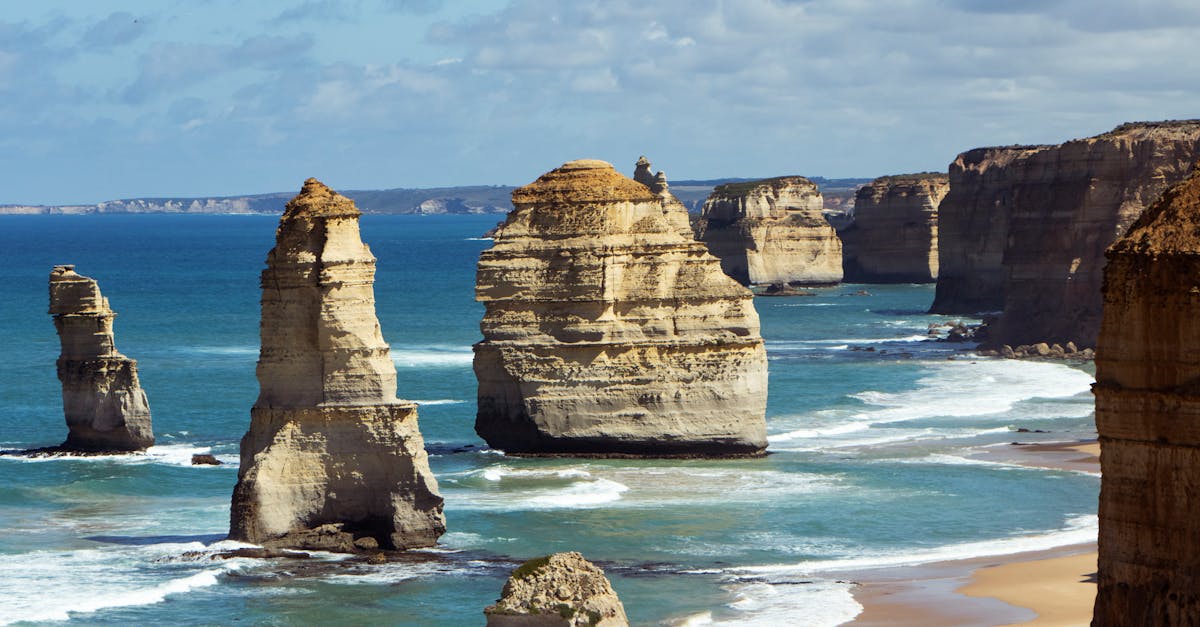
The climate around Uluru varies significantly throughout the year, influencing both the experience and the number of visitors. The best time to visit is during the cooler months of May to September, when daytime temperatures hover around a pleasant 60 to 80 degrees Fahrenheit. These months are ideal for outdoor activities and exploring the park without the oppressive heat that can occur during the summer months. However, this is also the peak tourist season, so expect larger crowds and higher accommodation prices.
From December to February, the weather can be quite extreme, with temperatures soaring above 100 degrees Fahrenheit during the day. While the heat can deter some visitors, those who brave the summer months may find fewer crowds and the chance to experience unique summer events. Rainfall is more common during this period, which can lead to a dramatic change in the landscape, bringing bursts of greenery and lively wildflowers. March and April serve as transitional months, offering milder weather and fewer tourists, making it a good time for budget-conscious travelers.
Where to Stay in Uluru#
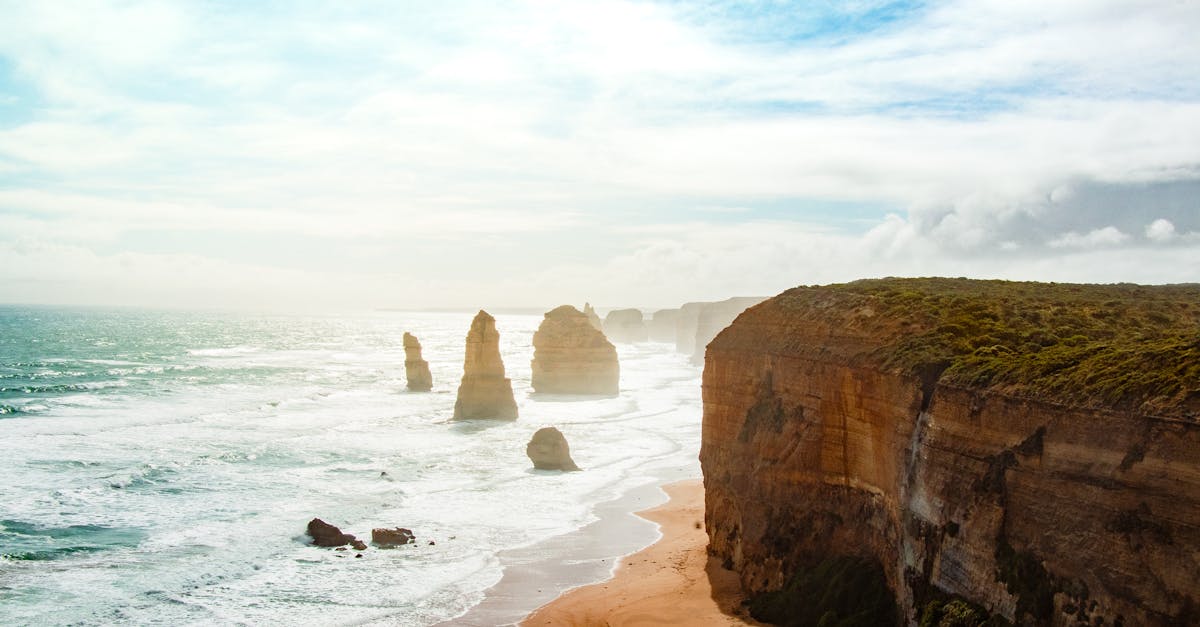
When planning your stay in Uluru, there are several accommodation options to suit various budgets. For those looking for budget-friendly options, there are campgrounds and basic lodges that provide essential amenities without breaking the bank. These accommodations typically start around $30-50 per night, offering a chance to connect with nature and the starry outback sky.
Mid-range travelers can find comfortable hotels and motels that provide more amenities and easy access to the national park. These places often feature on-site dining and organized tours, making it convenient for visitors to explore the area. Prices in this category generally range from $100 to $200 per night.
For those seeking a more luxurious experience, upscale resorts and lodges offer premium accommodations with stunning views of Uluru. These establishments often feature spa services, fine dining, and guided tours led by knowledgeable staff. Expect to spend upwards of $300 per night for such indulgent stays, where every detail is curated to enhance the visitor experience.
Top Things to Do in Uluru#

One of the most iconic experiences at Uluru is witnessing the Uluru Sunrise. Early risers are rewarded with breathtaking views as the colors of the rock shift dramatically with the dawn light. This natural spectacle is best enjoyed from designated viewing areas, where you can sit back and absorb the beauty of the landscape.
For a deeper understanding of the area’s cultural significance, a visit to the Cultural Centre is essential. Here, you can learn about the traditions, stories, and customs of the Anangu people through informative displays and engaging presentations. The center also offers a range of local art and crafts, providing visitors with the opportunity to take home a piece of the culture.
Exploring the base of Uluru is a must-do activity, and the Mala Walk is a favorite among visitors. This short trail allows you to walk along the base of the rock, where interpretive signs reveal the stories behind various sacred sites. The lush vegetation and unique rock formations provide a stark contrast to the arid surroundings, making it a visually stunning experience.
For those interested in a more adventurous exploration, the Valley of the Winds walk at Kata Tjuta offers a rewarding challenge. This trail weaves through the domes of Kata Tjuta, showcasing the area’s dramatic landscapes and diverse flora and fauna. The panoramic views from the lookout points are breathtaking and well worth the effort.
As the day winds down, consider joining a Field of Light experience. This art installation features thousands of illuminated glass spheres that create a magical atmosphere against the backdrop of the desert night. Walking among the lights is a surreal experience that combines art and nature in a truly captivating way.
For a truly unique perspective of Uluru, take a scenic flight over the rock and the surrounding landscapes. Viewing the monolith from above offers a different appreciation for its sheer size and the beauty of the outback. Many operators offer helicopter or small plane tours that provide stunning aerial views.
If you’re looking for a more tranquil experience, the Mutitjulu Waterhole is a serene spot that is perfect for a leisurely visit. This permanent water source is surrounded by lush vegetation and is often frequented by local wildlife. It’s an excellent area for birdwatching and enjoying the peaceful ambiance.
Finally, consider participating in a guided dot painting workshop led by local Indigenous artists. This hands-on experience allows you to learn about traditional art techniques while creating your own piece to remember your journey. It’s a meaningful way to connect with the culture and take home a personal souvenir.
Food and Dining Guide#
Dining in Uluru offers a chance to experience the flavors of the outback. Local cuisine often features native ingredients, with many restaurants showcasing traditional Australian dishes. A worth trying dish is kangaroo steak, which is lean and flavorful, often served with seasonal vegetables. Many dining establishments also highlight bush tucker, which includes native plants and herbs that have been used by Indigenous Australians for centuries.
For a casual meal, street food options are available at local markets, where you can sample damper, a traditional bread baked in the coals of a fire. Pair this with some bush tomato chutney for a taste of the local flavor. Food trucks and pop-up stalls often serve quick bites that reflect the region’s culinary influences, allowing you to fuel up for your next adventure.
Dining experiences range from informal cafes to upscale restaurants, with many venues offering outdoor seating to enjoy the stunning desert views. An excellent choice for a more formal meal is to try barramundi, a local fish that is both delicious and sustainably sourced. It is often prepared with native spices, giving it a unique twist that reflects the region’s culinary identity.
For those seeking a unique dining experience, consider booking a dinner under the stars, where you can enjoy a multi-course meal while taking in the breathtaking night sky. This experience combines fine dining with the natural beauty of the outback, creating a memorable evening.
Getting Around Uluru#
Getting around Uluru is relatively straightforward, thanks to the well-maintained roads and various transportation options. If you prefer the flexibility of your own schedule, renting a car is a great way to explore the area at your own pace. Many rental agencies operate in the region, allowing you to choose from a range of vehicles suitable for outback driving.
Public transport options are available, with shuttle services connecting key points of interest within the national park. These shuttles are convenient and provide a stress-free way to reach attractions like the Cultural Centre and the various walking trails around Uluru. Taxis are also accessible, but they can be more expensive than other forms of transportation.
Walking is a popular way to experience the beauty of the park, especially for those who want to take their time exploring the various trails. Many paths are well-marked and offer stunning views of the landscape. Keep in mind that the heat can be intense, so it’s wise to plan your walks during the cooler parts of the day and stay hydrated.
Budget Breakdown#
When planning your budget for a trip to Uluru, it’s essential to consider various factors, including accommodation, food, transportation, and activities. For budget travelers, daily expenses can range from $80 to $150. This budget typically covers basic accommodations, meals at casual eateries, and transportation via public transit or walking.
Mid-range travelers might find their daily expenses between $200 and $400. This budget allows for more comfortable accommodations, dining at a mix of casual and nicer restaurants, and participating in guided tours or activities.
For those seeking a luxury experience, daily expenses can easily exceed $500. This budget includes upscale lodging, fine dining, and exclusive tours, allowing travelers to enjoy the best that Uluru has to offer while indulging in premium experiences.
Travel Tips for Uluru#

Respect the Culture: When visiting Uluru, it’s crucial to honor the traditions and beliefs of the Anangu people. Many areas around Uluru are sacred, and climbing the rock is not permitted. Always follow park rules and guidelines to ensure a respectful visit.
Stay Hydrated: The outback climate can be harsh, with temperatures soaring during the day. Carry a reusable water bottle and refill it regularly to stay hydrated, especially if you plan on hiking or exploring the area.
Plan for Sun Protection: The sun can be intense, so wearing sunscreen, a wide-brimmed hat, and sunglasses is essential. Lightweight, breathable clothing is also recommended to keep you comfortable while exploring the park.
Check for Events: Depending on when you visit, there may be special events or cultural activities taking place. Check the local calendar to see if there are any festivals, workshops, or performances you can attend during your stay.
Be Mindful of Wildlife: The park is home to various wildlife, including reptiles and birds. While it’s exciting to see these creatures in their natural habitat, always observe from a distance and avoid feeding them.
Plan for Early Mornings and Late Evenings: The best times to experience Uluru are during sunrise and sunset. These moments provide stunning views and cooler temperatures, making them ideal for photography and exploration.
Pack Lightly: Given the remote location, packing efficiently is key. Bring only the essentials, including comfortable walking shoes, a lightweight jacket for cooler evenings, and a small first aid kit for any minor injuries.
Uluru is not just a destination; it’s an experience that connects you with the land and its stories. With its breathtaking landscapes and deep cultural significance, this Australian icon promises to leave a lasting impression on every visitor.