📌 Disclaimer
Prices, schedules, tour details, flight routes, visa requirements, and all other information on this page are based on data at the time of writing. Fares, availability, and policies may change. Please verify current details on the official website before booking.
Why Visit Tucson?#
The scent of creosote hangs heavy in the air, sharp and earthy, the instant a summer monsoon rain hits the sun-baked desert asphalt. Tucson occupies a wide valley surrounded by five distinct mountain ranges, creating a landscape that shifts from austere cactus forests to cool, pine-shaded peaks within a single hour of driving. This southern Arizona city feels entirely distinct from Phoenix , carrying a slower pace, a deeper connection to its Sonoran and Mexican roots, and a landscape dominated by towering saguaro cacti that stand like silent sentinels across the horizon.
For travelers seeking a blend of outdoor adventure, historical architecture, and a distinct regional food culture, this destination delivers. You can spend the morning hiking among giant cacti and the afternoon exploring neighborhoods lined with brightly painted adobe brick homes. The influence of the Tohono O’odham Nation, early Spanish settlers, and Mexican traditions shapes daily life here, making every meal and neighborhood walk an exercise in cultural discovery.
Beyond the city limits, the desert invites exploration through dark skies that attract astronomers from around the globe. The absence of harsh light pollution means the Milky Way stretches overhead with astonishing clarity. Whether you are looking to escape winter cold or eager to explore the ecological diversity of the American Southwest, Tucson offers a grounded, unpretentious travel experience.
Best Time to Visit Tucson#
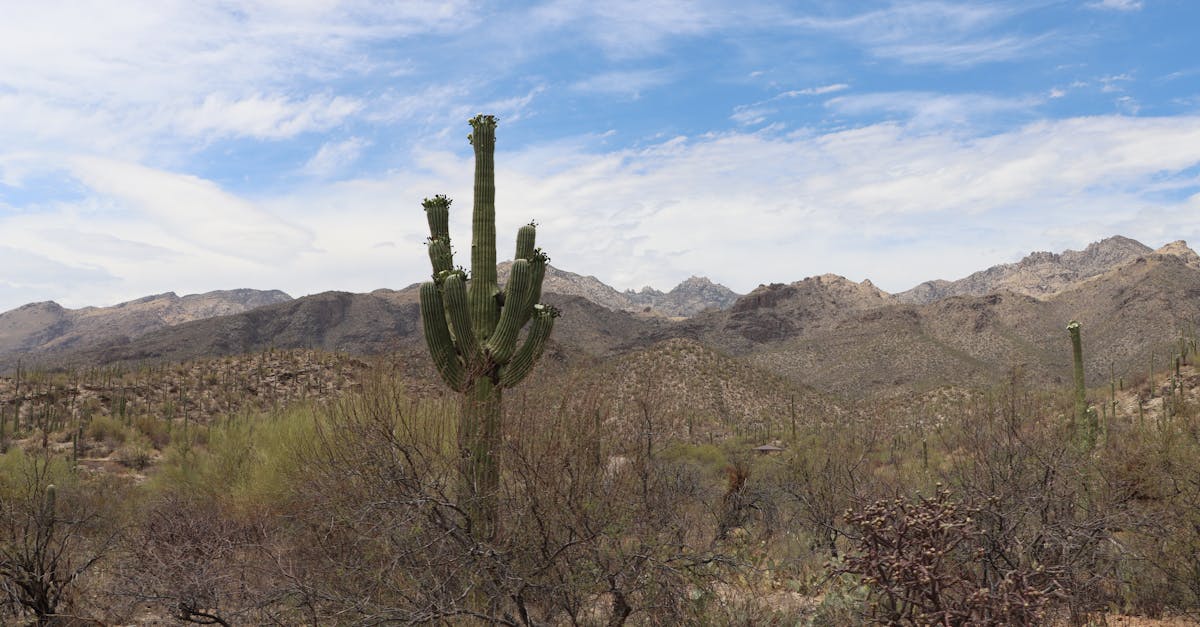
Planning a trip to Tucson requires careful attention to the desert calendar, as temperatures dictate everything from hiking safety to local festival schedules. The prime window for visiting runs from October through April, when daytime temperatures hover comfortably in the seventies and low eighties. November and February are particularly pleasant, offering crisp mornings and warm afternoons ideal for long hikes in the nearby mountains. During these peak months, accommodation prices reach their annual high, and popular outdoor sites experience heavier weekend crowds, so booking lodging well in advance is essential.
As May approaches, the mercury climbs rapidly, with June through August regularly seeing afternoon temperatures exceeding one hundred degrees. Summer brings the monsoon season, typically spanning July and August, which brings dramatic afternoon thunderstorms, sudden downpours, and a temporary drop in temperature accompanied by that unmistakable desert aroma. While summer tourism slows significantly, hotels drop their rates to attract travelers willing to stay indoors during peak sun hours. September acts as a shoulder month, where the intense heat begins to break, though outdoor activities still require careful planning around the hottest parts of the day.
Where to Stay in Tucson#
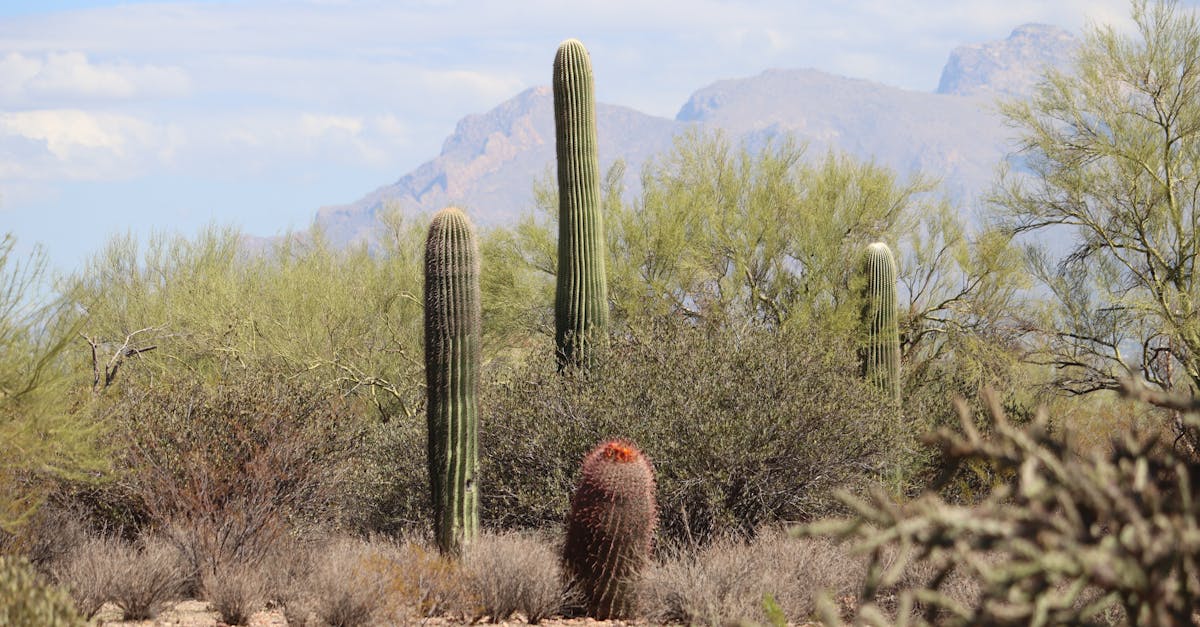
Choosing a neighborhood in Tucson depends entirely on the type of atmosphere you prefer, whether you want historic charm or modern convenience.
For travelers seeking proximity to historic architecture, local dining, and a walkable grid, Downtown and the El Presidio Historic District serve as the primary urban hub. Budget options in this area are limited, but mid-range boutique inns housed in restored nineteenth-century adobe buildings offer distinct local character. Luxury seekers will find high-end urban resorts featuring interior courtyards and modern Southwestern design, putting craft cocktail lounges and museums just steps from the front door.
Just north of downtown, the Fourth Avenue and University Boulevard corridor caters to a younger, more energetic crowd. Accommodation here leans heavily toward mid-range guesthouses, independent motels, and apartment rentals. Staying in this district places you near thrift shops, independent bookstores, and casual eateries frequented by university students and locals, making it a budget-friendly choice for travelers who prefer a lively neighborhood scene.
Further out toward the eastern edge of the city, the Foothills neighborhood sits right against the base of the Santa Catalina Mountains. This area represents the pinnacle of luxury in Tucson, dominated by sprawling resort properties offering top-quality golf courses, infinity pools overlooking the city lights, and quiet desert seclusion. While budget accommodations are nonexistent here, mid-range vacation rentals occasionally pop up, providing a quieter alternative for those willing to drive a bit further to reach central attractions.
Finally, the West Side and Menlo Park neighborhoods offer a quieter, residential feel with strong ties to the city’s Mexican heritage. Lodging here consists primarily of historic vacation rentals and mid-range motor lodges. Staying on the west side places you close to desert parks and traditional bakeries, offering a more residential perspective on Tucson life while remaining just a short drive across the Santa Cruz River from the downtown core.
Top Things to Do in Tucson#
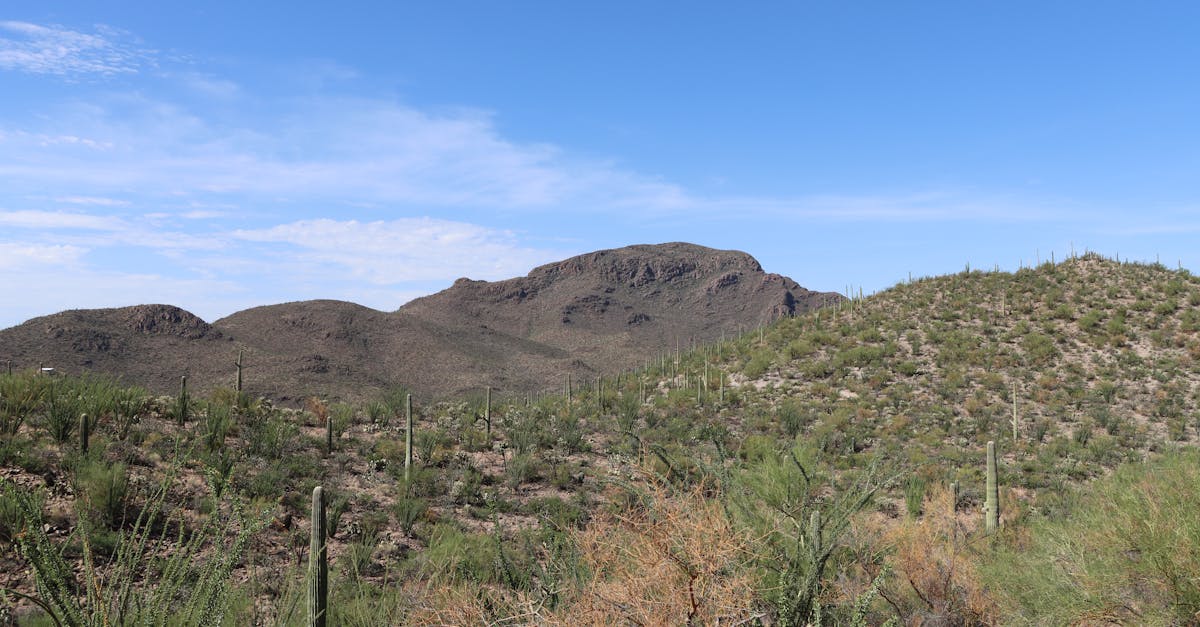
The desert landscape serves as the primary popular with visitors, starting with Saguaro National Park West, where a dense forest of giant cacti blankets the rolling hills of the Tucson Mountains. A drive along the Bajada Loop and a walk on the Signal Hill Trail reveal ancient Hohokam petroglyphs carved into dark volcanic rocks, all framed by the towering silhouettes of saguaros that can live for over two centuries.
Moving away from the park, the Arizona-Sonora Desert Museum redefines the traditional concept of a museum by combining a botanical garden, a zoo, and a natural history museum into one sprawling outdoor facility. Visitors can walk through aviaries filled with hummingbirds, observe mountain lions and gray foxes in large natural enclosures, and learn about the intricate relationships between desert plants and animals along shaded gravel pathways.
For a dramatic change in elevation and ecosystem, a drive up the Catalina Highway climbs through multiple distinct climate zones in a matter of miles. Starting in the creosote flats of the valley, the winding road ascends past dramatic hoodoos to the pine forests of Mount Lemmon, where winter brings skiing and summer offers a cool escape from the desert heat. Pullouts along the way offer panoramic views of the entire Tucson basin.
History enthusiasts will find plenty to explore at Mission San Xavier del Bac, an eighteenth-century Spanish Catholic mission located on the Tohono O’odham reservation just south of the city. Known as the White Dove of the Desert, the mission features ornate Spanish colonial architecture, intricate interior frescoes, and hand-carved wooden sculptures that have survived centuries of desert sun.
Back toward the city center, the Tucson Museum of Art and Historic Block preserves several historic adobe structures alongside modern galleries featuring contemporary Western art and Latin American folk art. Wandering through the adjoining historic plaza offers a glimpse into nineteenth-century life in the territory.
A short drive east brings visitors to Sabino Canyon, a natural recreation area where a paved road and a fleet of open-air shuttles take visitors deep into the mountain foothills. Walking trails branch off from the main canyon floor, leading to trickling streams, seasonal waterfalls, and rocky pools that contrast sharply with the surrounding arid slopes.
Architecture and design lovers should not miss Historic Fourth Avenue, where independent storefronts occupy century-old brick buildings. The street hosts regular community festivals and serves as a prime location for vintage shopping, book browsing, and people-watching.
Finally, stargazing enthusiasts can head to the Flandrau Science Planetarium on the university campus or venture further out to the dark sky viewing areas surrounding the city. The strict regional lighting ordinances designed to protect astronomical research make Tucson one of the best cities in the country for viewing the night sky with the naked eye.
Food and Dining Guide#
Tucson holds the distinction of being the first city in the United States designated as a UNESCO Creative City of Gastronomy, a title earned through its agricultural history and lively blending of Indigenous and Mexican culinary traditions. This heritage shines through in dishes that rely on native desert ingredients like mesquite flour, prickly pear cactus fruit, and tepary beans.
One of the ultimate regional comfort foods is the Sonoran hot dog, a street food staple that elevates the humble frankfurter into an art form. A bacon-wrapped hot dog is tucked into a soft bolillo roll, then loaded with pinto beans, grilled onions, fresh tomatoes, jalapeño sauce, mayonnaise, and mustard. You can find these at roadside carts and specialized grills across the city, often served with a grilled yellow pepper on the side.
Another essential local favorite is carne seca, air-dried beef that is shredded and rehydrated in traditional stews or scrambled with eggs. This preservation method dates back to the days before refrigeration in the Sonoran desert, and local restaurants still prepare it using time-honored techniques passed down through generations.
For a sweet treat, try anything flavored with prickly pear cactus syrup, which imparts a lively magenta color and a tart, berry-like flavor to lemonades, margaritas, and pastries. Similarly, dishes incorporating mesquite flour offer a naturally sweet, nutty flavor profile that enhances everything from pancakes to artisanal breads.
When deciding where to eat, balance casual street food experiences with sit-down dining. Neighborhood taco trucks and modest neighborhood grills offer some of the most authentic flavors in the city at minimal cost, while upscale establishments in the downtown district and historic neighborhoods showcase contemporary Southwestern cuisine using locally sourced desert produce and heritage grains.
Getting Around Tucson#
Navigating Tucson is relatively straightforward, but the sprawling layout of the city means that transportation choices significantly impact your daily itinerary.
Renting a car remains the most practical option for travelers who plan to explore the surrounding national parks, mountain foothills, and neighboring desert towns. The city’s grid system is easy to navigate, traffic is generally mild compared to larger metropolitan areas, and parking is widely available and affordable in most districts.
For those staying primarily in the urban core, the Sun Tran bus system and the Sun Link streetcar provide reliable public transit. The streetcar connects downtown, the Fourth Avenue shopping district, and the university campus, making it easy to hop between dining and cultural spots without worrying about parking.
Walking is pleasant within specific neighborhoods like downtown, El Presidio, and Fourth Avenue, particularly during the cooler months. However, the vast distances between neighborhoods and the lack of continuous shade make walking between different parts of the city impractical during warmer months.
Taxis and ride-sharing services operate extensively throughout the city, providing a convenient alternative for evening outings when you prefer not to drive. Cycling is also popular, supported by a growing network of dedicated bike lanes and the Chuck Huckelberry Loop, a massive multi-use path system that encircles the entire metropolitan area.
Budget Breakdown#
Traveling to Tucson accommodates a wide range of budgets, making it an accessible destination whether you are backpacking through the Southwest or seeking a luxurious resort getaway.
For budget travelers, daily expenses typically range from $60 to $100 per day. This tier assumes staying in hostel dorms or budget motels outside the city center, utilizing public transit or walking, eating primarily at casual taco trucks and local diners, and focusing on free outdoor activities like hiking in the national park.
Mid-range travelers can expect to spend between $150 and $300 per day. This budget covers a comfortable stay in a boutique hotel or historic inn in the downtown district, renting a car for day trips, enjoying sit-down meals at regional restaurants, and purchasing admission tickets to local museums and guided desert excursions.
Luxury travelers will find daily expenditures exceeding $400, often reaching well past $800 depending on the resort. At this level, accommodations consist of high-end foothill resorts with spa facilities and golf courses. Transportation involves premium rental vehicles or private car services, dining includes upscale tasting menus featuring contemporary Southwestern cuisine, and activities feature private guided tours of the surrounding desert and mountain ranges.
Travel Tips for Tucson#
Sun protection stands as the single most critical factor for an enjoyable desert trip, regardless of the season. The intense Arizona sun requires wearing a wide-brimmed hat, polarized sunglasses, and broad-spectrum sunscreen even during the winter months, as the high altitude and clear skies amplify UV rays.
Hydration management requires a conscious effort long before you feel thirsty in the dry desert air. Always carry a refillable water bottle when exploring outdoors, and keep extra water in your rental car, as dehydration can set in rapidly without outward signs of heavy sweating.
Wildlife awareness is essential when exploring local trails, as the Sonoran Desert is home to rattlesnakes, javelinas, Gila monsters, and scorpions. Stick to established trails, watch where you step and place your hands, and give wild animals plenty of space rather than attempting to approach them.
Dress code in Tucson leans decidedly casual and practical, prioritizing comfort and breathability over formality. Lightweight, loose-fitting clothing made from natural fibers works best for surviving the daytime heat, though packing a light jacket or sweater is necessary for chilly desert evenings, particularly in the winter or at higher elevations.
Tipping culture follows standard American practices, with fifteen to twenty percent expected at sit-down restaurants, cafes, and bars, and a few dollars per bag for hotel bellhops. Showing appreciation for local service workers ensures a friendly reception at neighborhood establishments.
Local time observance requires attention if you visit during the spring, summer, or autumn, as Arizona does not observe Daylight Saving Time. The state remains on Mountain Standard Time year-round, aligning with Pacific Daylight Time during the warmer months, which can catch travelers off guard when scheduling calls or flights.
📌 Disclaimer
Prices, schedules, tour details, flight routes, visa requirements, and all other information on this page are based on data at the time of writing. Fares, availability, and policies may change. Please verify current details on the official website before booking.
📌 More about Tucson