📌 Disclaimer
Prices, schedules, tour details, flight routes, visa requirements, and all other information on this page are based on data at the time of writing. Fares, availability, and policies may change. Please verify current details on the official website before booking.
Why Visit Trondheim?#
The sharp scent of pine needles mixes with the salty tang of the Trondheimsfjord as a light rain darkens the wooden wharf planks. Norway ’s third-largest city manages to feel remarkably intimate, blending a thousand years of Viking history with the lively energy of a major university town. Founded in the late tenth century by Viking King Olav Tryggvason, the city served as Norway’s first capital and remains the country’s spiritual heart.
For American travelers seeking an alternative to the heavily touristed streets of Oslo or Bergen , Trondheim offers a balanced pace. Students on bicycles pedal past medieval stone facades, while modern coffee roasteries occupy converted industrial warehouses along the canal. The atmosphere is grounded and unpretentious, where daily life revolves around the rhythms of the water, the surrounding hills, and a profound appreciation for outdoor friluftsliv, or open-air living.
Best Time to Visit Trondheim#
Timing your trip depends entirely on whether you prefer endless daylight or the quiet romance of deep winter. Summer, spanning from June through August, brings long daylight hours, temperatures that comfortably reach the low seventies Fahrenheit, and a full calendar of outdoor festivals. Cruise ships do dock during these months, meaning the central historic district experiences moderate crowds, and accommodation prices peak. However, the extended evening light allows you to explore the city long after standard closing hours.
Shoulder season months like May and September offer a quieter experience with moderate weather, though autumn brings brisk winds and early darkness. May is particularly appealing when apple trees bloom across the residential hillsides and locals celebrate Constitution Day with traditional parades. Winter arrives in November and lingers through March, blanketing the city in snow and reducing daylight to just a few hours. While hotel rates drop significantly, winter travel requires careful planning around limited daylight and icy conditions, though it remains the prime season for northern lights viewing outside the city center.
Where to Stay in Trondheim#
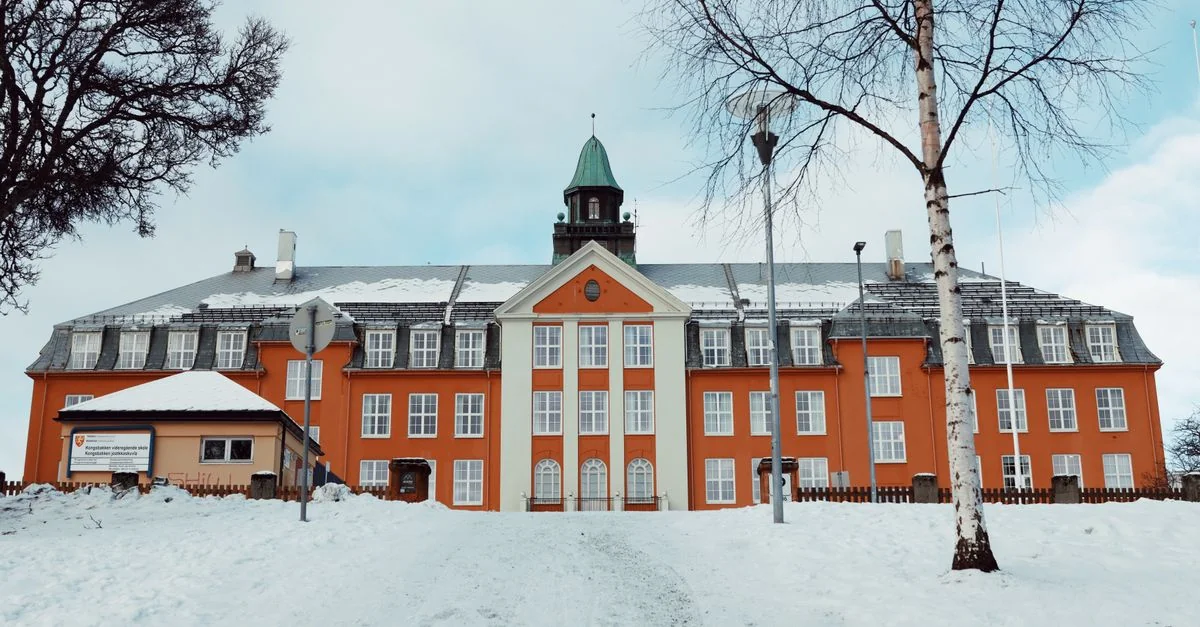
Choosing where to lay your head shapes your daily experience of the city. Midtbyen, the historic downtown peninsula, places you within walking distance of the major sights, waterfront canals, and pedestrian shopping streets. Accommodations here range from upscale historic properties housed in former commercial warehouses to functional mid-range hotels. Staying in Midtbyen suits travelers who want to step straight outside into the middle of cafes, museums, and public transit hubs without needing a taxi.
Across the Nidelva River lies Bakklandet, the city’s most picturesque residential neighborhood. Narrow lanes wind past pastel-painted 17th-century wooden houses, independent craft shops, and cozy bakeries. Lodging options here lean toward boutique guesthouses and historic bed-and-breakfasts, typically commanding mid-range to luxury rates due to the high demand for authentic neighborhood character. It feels entirely residential yet sits only a ten-minute walk from the commercial center.
For travelers watching their spending, the Elgeseter and Sluppen districts south of the university campus offer budget-friendly accommodations, including modern student housing units rented out as hotel rooms during summer breaks. While these areas feature less historic charm and require a short bus ride or a twenty-minute walk to reach the downtown core, they provide clean, functional spaces at a fraction of central prices.
Top Things to Do in Trondheim#
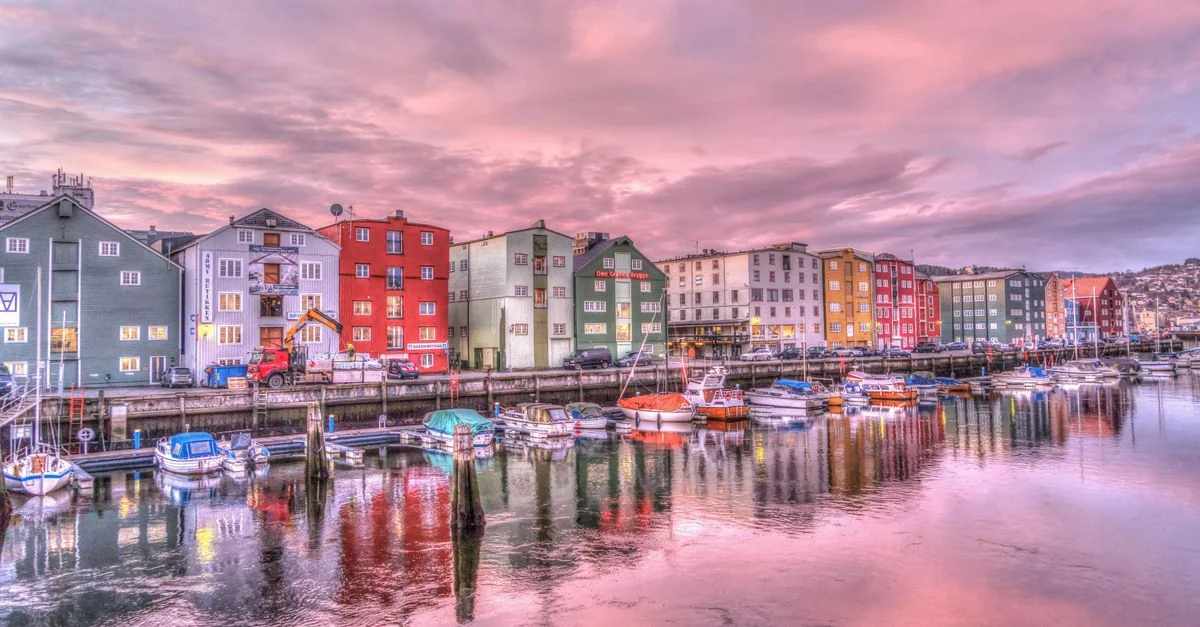
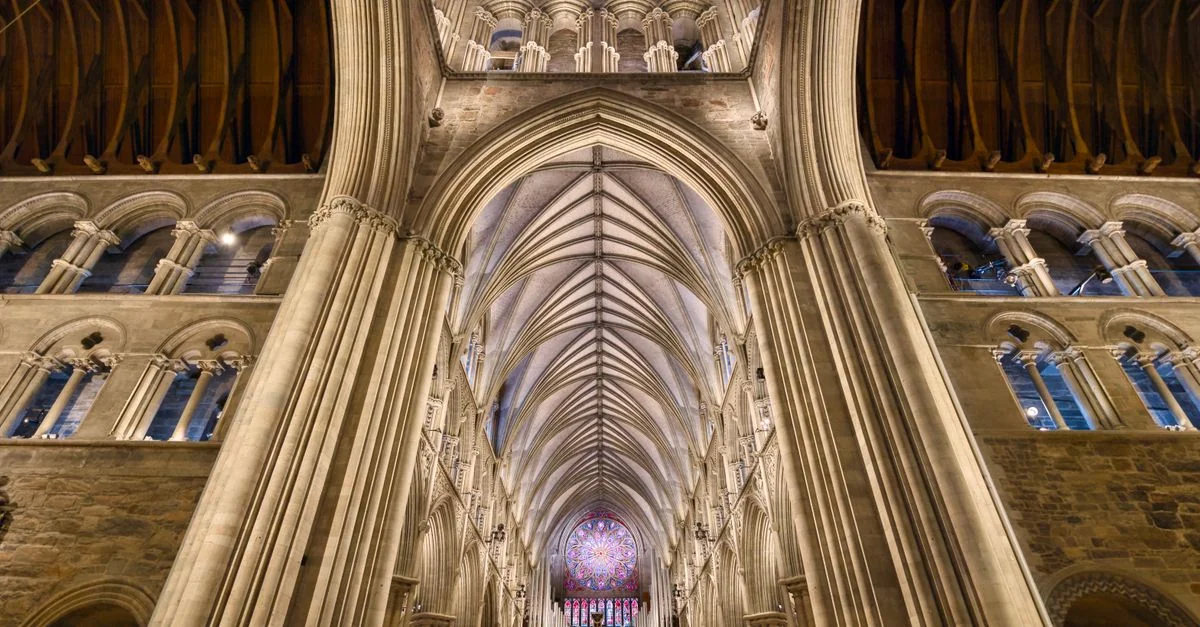
Dominating the southern skyline, Nidaros Cathedral stands as the northernmost medieval cathedral in the world and the crowning achievement of Norwegian Gothic architecture. Stepping inside reveals soaring stone vaults and intricate carvings that tell the story of Saint Olav, whose shrine once drew pilgrims from across Europe . Nearby, the Archbishop’s Palace houses an impressive collection of medieval sculptures and archaeological finds, offering a tangible connection to the region’s ecclesiastical past. Crossing the river via Gamle Bybro, the historic Old Town Bridge, rewards visitors with classic views of the brightly colored wooden warehouses perched on stilts along the Nidelva River. These historic wharf buildings, known as brygger, reflect centuries of maritime commerce and now house design studios and residential apartments. For a panoramic perspective of the entire peninsula, climb the winding trails up Kristiansten Fortress, an early 18th-century hilltop fortification that successfully defended the city against Swedish troops.
Beyond the urban core, the city offers seamless access to nature and maritime history. Take a short public ferry across the fjord to Munkholmen, a tiny island that has served as a monastery, a fortress, a prison, and a WWII anti-aircraft gun emplacement over the centuries. Back on the mainland, the Trondheim Science Museum engages visitors with interactive exhibits, while the Rockheim Museum explores Norway’s popular music history from the nineteen-fifties to the present day through immersive installations and vintage vinyl archives. To experience the surrounding hills like a local, ride the Gråkallen Tramway, the world’s northernmost streetcar line, up to Lian. From the end of the line, network trails lead through dense pine forests and past freshwater lakes where locals swim in summer and cross-country ski in winter.
Food and Dining Guide#
Trondheim’s culinary scene has undergone a quiet revolution, transforming from a traditional fishing town into a recognized European Region of Gastronomy. Local chefs emphasize hyper-local sourcing, drawing ingredients directly from the icy fjord waters and the fertile agricultural plains of Trøndelag. A quintessential starting point is Sodd, a traditional clear mutton soup flavored with meatballs and root vegetables, traditionally served at celebrations and family gatherings. Seafood enthusiasts should seek out Klipfisk, cured and dried cod that forms the basis of numerous regional stews and modern tasting menu creations.
For a casual lunch or afternoon snack, visit local bakeries to sample Kanelboller, exceptionally fluffy cardamom and cinnamon buns that pair ideally with strong filter coffee. Street food stalls and casual eateries along the canals serve Brunost, the famous Norwegian brown goat’s cheese, sliced thinly on warm waffles with raspberry jam—a sweet and savory combination that defines comfort food in the region. When evening arrives, high-end dining rooms in converted warehouses offer multi-course tasting menus featuring freshly caught king crab, wild game from the interior forests, and hand-foraged mushrooms. For budget travelers, the central food hall and local supermarkets provide excellent opportunities to assemble picnic lunches featuring smoked salmon, flatbreads, and locally produced cheeses to enjoy along the waterfront.
Getting Around Trondheim#
Navigating Trondheim requires very little advance planning because the core city is remarkably compact and pedestrian-friendly. Most major sights, restaurants, and neighborhoods in the downtown area are easily accessible on foot, provided you wear comfortable, waterproof walking shoes. Sidewalks are well-maintained, and pedestrian bridges connect the various peninsulas across the winding Nidelva River.
When your feet need a rest, the municipal public transit system operates a reliable network of buses and the historic tram line. Purchasing tickets in advance via the local transit app saves money compared to buying them directly on board. Taxis are readily available at designated stands outside the train station and major hotels, though they represent a significant expense and are generally unnecessary unless you are traveling with heavy luggage late at night. Renting a car is not recommended if you plan to stay strictly within the city limits, as parking is limited and expensive. However, a rental vehicle becomes a valuable asset if you intend to explore the dramatic fjords and coastal fishing villages of the broader Trøndelag region independently.
Budget Breakdown#
Traveling in Norway generally requires a higher budget than many other European destinations, but conscious planning helps manage expenses. For budget-conscious travelers relying on hostel dorms or suburban student housing, cooking breakfast at your accommodation, grabbing quick bites from local bakeries, and utilizing public transit or walking everywhere, daily costs remain manageable. This tier allows you to experience free attractions like the cathedral exterior, public parks, and scenic harbor walks.
Mid-range travelers staying in central three-star hotels, enjoying sit-down lunches, sampling regional specialties at casual dinner spots, and paying admission fees for museums and the fortress can expect moderate daily expenditures. This comfortable tier covers occasional taxi rides and coffee shop stops without excessive strain. Luxury travelers seeking upscale boutique accommodations in historic buildings, fine-dining tasting menus with wine pairings, private guided tours, and rental cars for regional day trips will find expenses scaling upward quickly, matching the high standard of service and locally sourced ingredients characteristic of the high-end Norwegian travel sector.
Travel Tips for Trondheim#
Dressing for the weather is the single most important factor for an enjoyable trip, regardless of the season. Pack waterproof outer layers, sturdy walking shoes with good traction, and clothing you can easily layer, as coastal weather conditions change rapidly throughout the day.
Tipping culture differs significantly from the United States . Service charges are always included in restaurant and taxi bills, so tipping is never mandatory or expected. However, leaving a small gratuity of around five to ten percent for exceptional table service is increasingly appreciated in high-end dining establishments.
Language barriers are practically non-existent for American travelers. Virtually everyone in Trondheim speaks fluent English, from bus drivers and museum curators to young adults and shopkeepers, making communication effortless even when navigating complex transit schedules.
Payment methods are almost entirely cashless. Credit and debit cards are accepted everywhere, from street food stalls to museum ticket counters and public buses. It is wise to notify your bank before departure and ensure your cards have chip-and-PIN capability, though contactless smartphone payments are universally supported.
Alcohol laws are strict, meaning strong beer, wine, and spirits are sold only through government-run state monopoly stores with limited operating hours, usually closing early on Saturdays and remaining closed on Sundays. Standard grocery stores sell only light beer, so plan your beverage purchases accordingly.
Tapping into nature requires respecting the traditional right to roam, known locally as allemannsretten. This legal right allows anyone to hike, forage, and camp on uncultivated land, provided you leave no trace, respect private property boundaries, and pack out all your trash.
📌 Disclaimer
Prices, schedules, tour details, flight routes, visa requirements, and all other information on this page are based on data at the time of writing. Fares, availability, and policies may change. Please verify current details on the official website before booking.
📌 More about Trondheim