📌 Disclaimer
Prices, schedules, tour details, flight routes, visa requirements, and all other information on this page are based on data at the time of writing. Fares, availability, and policies may change. Please verify current details on the official website before booking.
Why Visit Tromso#
The sharp smell of salted cod and woodsmoke drifts off the Arctic waters, carrying the damp chill of a northern latitude where winter nights stretch endlessly. Situated far above the Arctic Circle, this Norwegian city offers a distinct encounter with the extreme north, framed by jagged peaks that plunge straight into icy fjords. Travelers arriving from the United States often find themselves surprised by how easily urban comforts coexist with true wilderness here. Modern cafes serve dark roast coffee within sight of snow-covered mountain ridges, and coastal weather shifts rapidly from blinding sunlight to heavy, swirling snow squalls.
Beyond the geography, the seasonal extremes dictate the rhythm of life in this northern outpost. During the dark winter months, the aurora borealis paints the sky in shades of pale green and violet, drawing visitors who hope to witness the nocturnal light displays. Conversely, the summer months bring continuous daylight, allowing for midnight hikes under a sun that never sets below the horizon. This duality makes the destination uniquely compelling for travelers seeking landscapes that diverge entirely from typical vacation spots.
Navigating this environment requires an appreciation for how local communities have adapted to the climate. Fishermen, scientists, and indigenous Sami populations have shaped a culture deeply connected to the sea and the surrounding tundra. Visitors gain insight into northern life by exploring coastal museums, joining dog sledding expeditions across frozen valleys, or simply sharing a bowl of hot fish soup with locals who treat sub-zero temperatures as an everyday inconvenience.
Best Time to Visit Tromso#
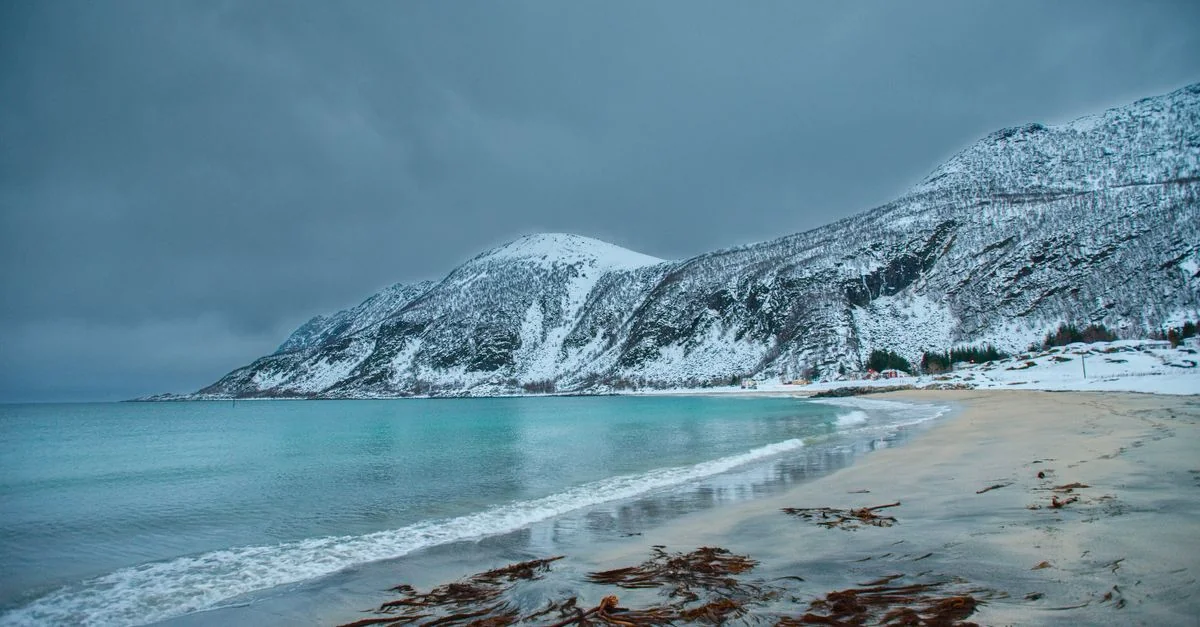
Planning a trip to this Arctic city depends almost entirely on whether you prefer continuous darkness for northern lights viewing or continuous daylight for outdoor exploration. The winter season spans from November through January, bringing polar night conditions where the sun does not rise above the horizon for weeks. While daylight is limited to a few hours of twilight around noon, this period offers the highest probability of clear skies for spotting the aurora borealis. Crowds are relatively low during the early winter months, though hotel rates rise sharply around the December holidays. Winter weather is genuinely cold and snowy, requiring serious cold-weather gear.
Spring arrives slowly between February and April, bringing a surge of daylight and excellent conditions for winter sports. March and April are particularly popular for cross-country skiing, snowshoeing, and dog sledding, as the days become longer and sunnier while the snowpack remains deep. Prices for accommodations and excursions tend to peak during these spring months because travelers from around the world book winter-adventure packages.
The summer season takes over from May through July, characterized by the midnight sun phenomenon. Temperatures are mild compared to the winter freeze, though rarely hot, hovering in the comfortable range for hiking. This is the busiest time for cruise ship passengers and independent road-trippers exploring the Norwegian coast, leading to higher prices for rental cars and central lodgings. Fall arrives swiftly in September and October, blanketing the birch forests in gold and red before the first autumn snows reset the cycle for the next winter.
Where to Stay in Tromso#
Choosing a neighborhood depends on your preferred travel style and whether you want immediate access to restaurants or a quieter base for nature excursions. The city center, situated on the island of Tromsøya, serves as the primary hub for most visitors. Staying in the downtown area places you within walking distance of the main commercial streets, museums, and waterfront piers where fjord cruises depart. Accommodations here range from standard mid-range rooms to upscale design properties overlooking the harbor. This zone suits travelers who prefer to step outside directly into a concentration of cafes, pubs, and cultural venues without needing a vehicle.
For travelers seeking a more residential and peaceful atmosphere, the northern parts of Tromsøya offer quiet neighborhoods with views facing toward the mainland mountains. Lodging options in this sector lean toward cozy guesthouses and mid-range apartments rented by local residents. While you will need to rely on local buses or a short taxi ride to reach the downtown core, these neighborhoods provide a relaxed environment and a better sense of how locals live away from the tourist crowds.
If your primary goal is chasing the northern lights away from city light pollution, booking a remote cabin on the neighboring island of Kvaløya is an ideal choice. Accommodations on Kvaløya emphasize rustic luxury and secluded wilderness settings, featuring large glass windows designed for sky-watching from bed. Prices for these countryside retreats can be quite high due to their specialized appeal and limited inventory. Alternatively, staying on the mainland directly across the suspension bridge provides a mid-range compromise, offering dramatic views back toward the illuminated city skyline while remaining close to the highway routes leading into the interior mountains.
Top Things To Do in Tromso#
Standing proudly across the strait on the mainland shore, the Arctic Cathedral dominates the skyline with its striking triangular architecture composed of concrete and alpine glass. Visitors often time their arrival to coincide with late afternoon light, which filters through the massive stained-glass mosaic in the eastern end, casting lively hues across the spare wooden interior. It functions as both a functioning parish church and a venue for midnight concerts where local musicians play traditional folk tunes and classical pieces inspired by the northern landscape.
Rising steeply from the edge of the city center, the Fjellheisen Cable Car whisks passengers up to the mountain ledge of Storsteinen in just a few minutes. Stepping out onto the upper viewing platform reveals a sweeping panorama of islands, deep blue fjords, and distant alpine peaks that stretch toward the horizon. From this high vantage point, marked trails lead further onto the mountain plateau for those equipped with proper footwear, while a cozy mountaintop restaurant offers warm waffles and coffee to travelers looking to thaw out after taking in the views.
For a deep dive into the region’s polar history, the Polar Museum sits inside a restored wooden wharf building that once served as a sealing station. Exhibits detail the harrowing expeditions of famous Norwegian explorers who used the city as a jumping-off point for attempts to reach the North Pole. The displays feature authentic gear, navigation instruments, and historical photographs that capture the sheer isolation and danger faced by early Arctic travelers, offering a sobering contrast to modern tourism comforts.
Venture slightly outside the urban core to find the Tromso Arctic-Alpine Botanical Garden, the northernmost botanical garden in the world. Even though it closes during the deep winter freeze, visiting during the spring and summer reveals a startling diversity of plants that manage to thrive in harsh polar conditions. Sectioned pathways wind through collections of Arctic flora, high-mountain plants from across the globe, and lively traditional medicinal herbs that bloom with surprising intensity during the months of continuous daylight.
Out on the water, taking a RIB boat safari into the surrounding fjords brings you face-to-face with the rugged coastline and abundant marine wildlife. Local captains navigate narrow channels where white-tailed sea eagles frequently patrol the cliffs for fish, and minke whales occasionally breach the calm surface of the water. These high-speed boat tours provide a thrilling perspective of the sheer cliffs and hidden waterfalls that are entirely inaccessible from the mainland roads.
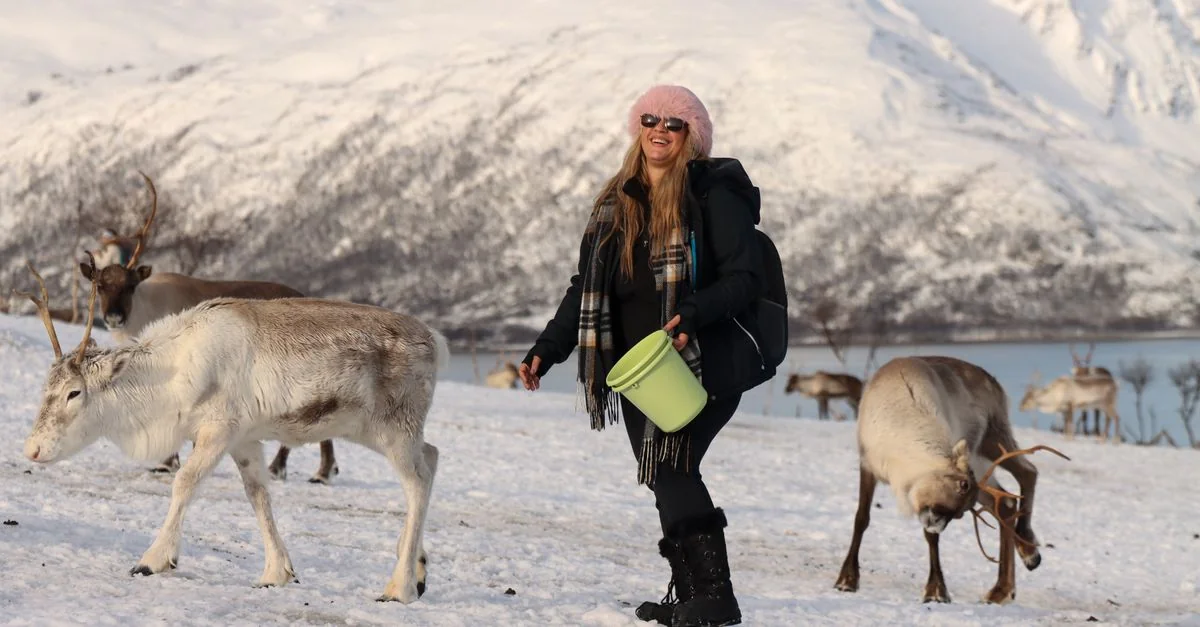
For an encounter with indigenous culture and Arctic wildlife, visiting a local Sami camp offers a chance to feed a herd of reindeer and learn about herding traditions that have endured for centuries. Guests sit inside a traditional tent called a lavvu around an open fire, listening to storytelling and traditional joik singing while drinking hot broth. It provides an authentic connection to the people who have called this unforgiving environment home long before modern infrastructure connected the islands.
Winter visitors should prioritize a dedicated northern lights excursion with an experienced local guide who understands how to read rapidly changing weather maps. Because cloud cover can block the sky directly above the city, these tours often involve driving inland toward the Finnish border or across remote islands until clear patches of sky appear. Sitting around a campfire in the middle of a snowy wilderness while waiting for green bands to ripple overhead remains the quintessential Arctic experience.
When the snow melts, hitting the local hiking trails provides an entirely different way to experience the terrain. A trek up Tromsøya’s wooded interior ridge offers an accessible walk through pine and birch forests that rewards hikers with views overlooking the shipping lanes. More ambitious hikers tackle the steep trails of neighboring islands, where the lack of nighttime darkness in summer allows for midnight hikes under a glowing amber sky.
Food and Dining Guide#
Dining in this region revolves around the bountiful catch from the icy Arctic Ocean and game meat hunted in the surrounding mountain valleys. Coastal restaurants emphasize freshness, often sourcing fish directly from local docks within hours of preparation. The local culinary scene balances traditional preservation methods with modern Nordic cooking techniques, resulting in hearty meals designed to combat the northern chill.
One of the absolute worth trying dishes is bacalao, a flavorful tomato-based stew made with salted cod, potatoes, onions, and plenty of olive oil and chili. This dish reflects historical trade connections with Southern Europe and provides a warming comfort food after a day spent exploring in freezing weather. You will find it served in casual taverns and family-run eateries throughout the downtown district, often accompanied by crusty bread and butter.
Another staple of the northern table is kjottkake, traditional Norwegian meatballs that differ significantly from their Swedish counterparts. These spiced beef patties are larger, coarser in texture, and smothered in a rich, dark brown gravy made from beef stock and cream, traditionally served alongside boiled potatoes, green peas, and tart lingonberry jam. It represents the ultimate home-style comfort cooking of the region.
Seafood lovers should specifically seek out fresh Arctic char, a salmon-like fish native to cold northern lakes and coastal waters. The flesh is delicate and rich, typically pan-seared with butter and herbs, or sometimes lightly smoked. Restaurants also frequently feature whale steak on their dinner menus, a dark, lean game meat with a flavor profile that sits somewhere between beef and venison, prepared simply to highlight its natural qualities.
For a quick lunch on the go, casual bakeries and waterfront fish stalls offer reindeer wrap, which consists of thinly sliced smoked reindeer meat rolled into flatbread with lingonberries and cream cheese. Street food options are generally limited compared to larger European capitals, but food trucks stationed near the harbor during summer serve excellent fish and chips using locally caught cod. Budget travelers can easily mix grocery store provisions like brown goat cheese and flatbread with occasional sit-down meals at mid-range cafes.
Getting Around Tromso#
Navigating this northern destination is relatively straightforward, though geography requires a mix of walking, boating, and driving. The central area on Tromsøya is compact and entirely pedestrian-friendly, with heated sidewalks in some downtown shopping zones to prevent slipping on ice. Walking is the best way to explore local cafes, shops, and museums, provided you wear sturdy footwear with reliable traction or slip-on ice cleats purchased at local pharmacies.
Public transportation relies on an efficient network of municipal buses that connect the city center to residential neighborhoods, the university, and the airport. Buses accept contactless payment through mobile applications or onboard card readers, making them simple for American travelers to use without needing local currency. For crossing to the mainland or visiting nearby islands, the bus system runs frequently throughout the day and into the evening.
Taxis are readily available at designated stands outside hotels and shopping centers, but they are notably expensive compared to standard American taxi rates. Using rideshare apps is less common here, so travelers relying on cars outside of bus hours should budget accordingly for standard metered cabs. If you plan to explore remote fjords or chase the northern lights independently, renting a car from the airport is the most practical choice. Winter driving requires confidence on icy roads and mandatory use of studded tires, while summer driving is relaxed and scenic, often involving short ferry hops across narrow channels.
Budget Breakdown#
Traveling in Norway requires financial preparation, as the high standard of living translates to elevated costs across all categories. Planning your trip carefully helps manage expenses without sacrificing core experiences.
Accommodation represents a major portion of any travel budget. Budget travelers can find affordable lodging by choosing youth hostels or suburban guesthouses on the outskirts of the main island, where rates are reasonable. Mid-range travelers typically book standard rooms in downtown hotels that include a substantial breakfast buffet, which helps offset daily food costs. Luxury travelers can secure high-end design lodges or remote glass-roofed cabins designed for sky-viewing, commanding premium nightly rates due to their specialized architecture and isolated settings.
Food expenses vary based on where you choose to dine. Budget travelers can keep costs down by purchasing breakfast and lunch supplies at local supermarkets and limiting dining out to a casual bakery pastry or a street-side fish wrap. Mid-range dining involves a mix of casual daytime cafes and relaxed evening dinners featuring local seafood stews or traditional meatballs. Luxury dining features multi-course tasting menus at high-end establishments that highlight wild game, foraging ingredients, and creative interpretations of Arctic cuisine.
Transportation costs depend heavily on your itinerary style. Relying entirely on walking and public transit keeps daily transport expenses low, as local bus fares are reasonable. Renting a car for a few days to explore the surrounding fjords introduces moderate expenses for vehicle hire, fuel, and occasional bridge or ferry tolls. Taxis should be used sparingly if you are monitoring your daily spending, as short trips accumulate high charges quickly.
Activities dictate the overall cost of an Arctic vacation. Self-guided hikes, visits to public viewpoints, and walking through historic neighborhoods cost nothing and provide immense value. Mid-range expenses include cable car tickets, museum admissions, and standard bus excursions. Luxury travelers frequently invest in private guided northern lights chases, dog sledding expeditions with professional mushers,RIB boat fjord safaris, and helicopter transfers, which require significant financial outlay but deliver specialized access to remote wilderness areas.
Travel Tips For Tromso#
Dressing in layers is the single most important rule for surviving and enjoying the northern climate. Cotton retains moisture and chills the body quickly, so pack wool or synthetic thermal base layers, fleece mid-layers, and a windproof, waterproof outer shell. Do not underestimate the importance of insulated boots with thick rubber soles, as cold feet will ruin an outdoor excursion faster than almost anything else.
Tipping culture differs significantly from the United States, as service charges are included in restaurant and taxi bills. Tipping is never mandatory or expected in Norway, though rounding up the bill or leaving a modest cash tip for exceptional service in a sit-down restaurant is appreciated by hardworking staff. You will not face awkward situations regarding tip percentages on card readers.
Cashless payments are the absolute standard throughout the region, making currency exchange largely unnecessary for American travelers. Credit and debit cards with chip-and-PIN technology are accepted everywhere, from upscale restaurants down to remote parking meters and farm stands. It is wise to notify your bank before departure and ensure your cards have no foreign transaction fees.
Daylight awareness is crucial for managing your energy levels and sleep schedule during both winter and summer extremes. During the polar night, the absence of natural sunlight can cause fatigue, so keeping room lights bright and maintaining a regular schedule helps. In summer, the midnight sun can trick your brain into staying awake late into the night, making a reliable sleep mask an essential packing item.
Environmental respect governs all outdoor activities under the traditional right to roam, which grants public access to uncultivated land for hiking and camping. This freedom comes with strict responsibilities regarding waste management and wildlife protection. Always pack out whatever you bring into the wilderness, respect reindeer herds by maintaining a safe distance, and never light open fires during dry summer periods when wildfire risks are elevated.
📌 Disclaimer
Prices, schedules, tour details, flight routes, visa requirements, and all other information on this page are based on data at the time of writing. Fares, availability, and policies may change. Please verify current details on the official website before booking.
📌 More about Tromso