📌 Disclaimer
Prices, schedules, tour details, flight routes, visa requirements, and all other information on this page are based on data at the time of writing. Fares, availability, and policies may change. Please verify current details on the official website before booking.
Why Visit Trieste?#
The scent of roasted coffee beans hangs heavy in the air as you step onto the limestone pavement of the waterfront, carried by the fierce, cold gusts of the Bora wind. Trieste sits at a peculiar crossroads where the Mediterranean meets the Austro-Hungarian past, creating a city that feels distinctly un-Italian yet deeply rooted in its own singular identity. Unlike the crowded squares of Rome or the canal-locked streets of Venice, this port city offers a quiet gravity, a place where grand neoclassical architecture stands against the backdrop of the Adriatic Sea.
Travelers who choose to spend time here are rewarded with a sophisticated atmosphere that favors slow afternoons in historic coffee houses over the frantic pace of typical tourist circuits. The city acts as a bridge between Italy , Slovenia , and the Balkans, resulting in a unique blend of languages, flavors, and architectural styles. It is a destination for those who prefer to sit with a book in a grand café, walk along windswept piers, and explore the remnants of empires without the constant pressure of checking off a list of famous monuments.
Best Time to Visit Trieste#
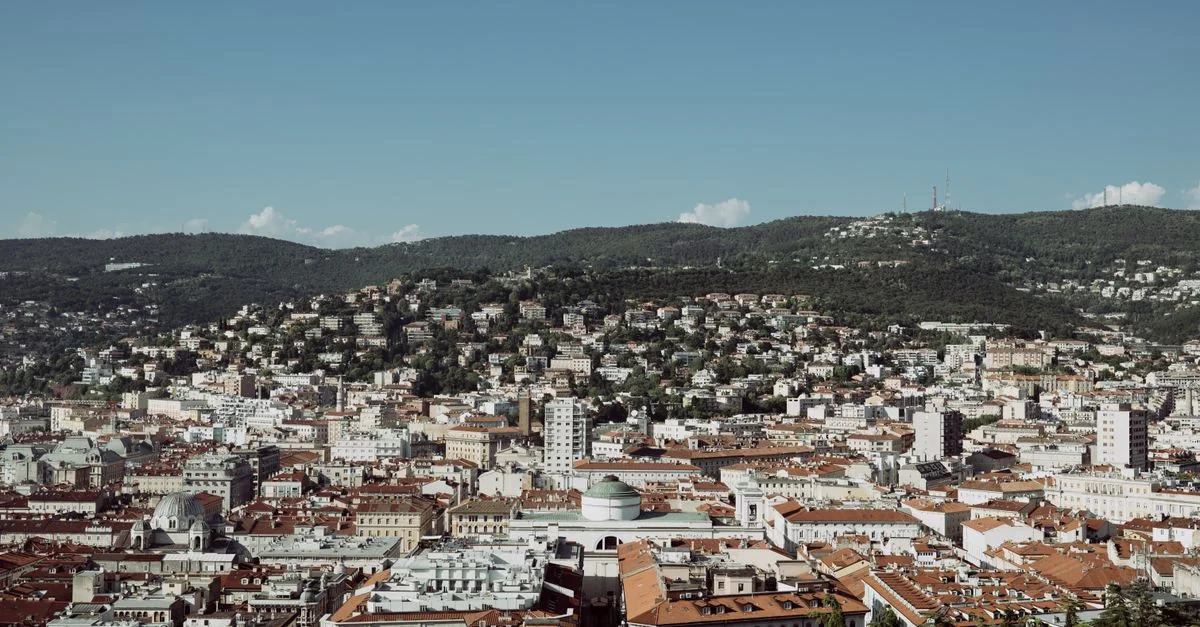
Planning your arrival requires an understanding of the local climate, particularly the influence of the Bora wind. Late spring, specifically May and early June, offers the most pleasant conditions for outdoor exploration. During these months, the temperatures are mild, the skies are generally bright, and the city begins to prepare for the summer season without the intensity of the peak July heat. Prices for accommodation are moderate during this window, and the streets remain manageable, allowing for a more relaxed pace.
Summer, spanning July and August, brings significant warmth and a influx of visitors from across Europe . While the sea is inviting, the city can feel quite hot, and prices for lodging reach their annual peak. If you visit during this time, expect to pay a premium for central locations. September and October provide a cooling relief, often referred to as the golden season, where the light hits the white stone buildings with a soft, warm glow. This is an excellent time for travelers who want to enjoy the outdoor dining scene without the humidity of mid-summer.
Winter in Trieste is a distinct experience defined by the biting wind. From November through February, the city is quieter, and hotel rates drop significantly. While the cold can be challenging, the lack of crowds makes it an ideal time for those who enjoy museums, literature, and the cozy interiors of the city’s legendary coffee houses. You will find that the local pace slows down entirely, offering a private look at a city that rarely feels overwhelmed by tourism.
Where to Stay in Trieste#
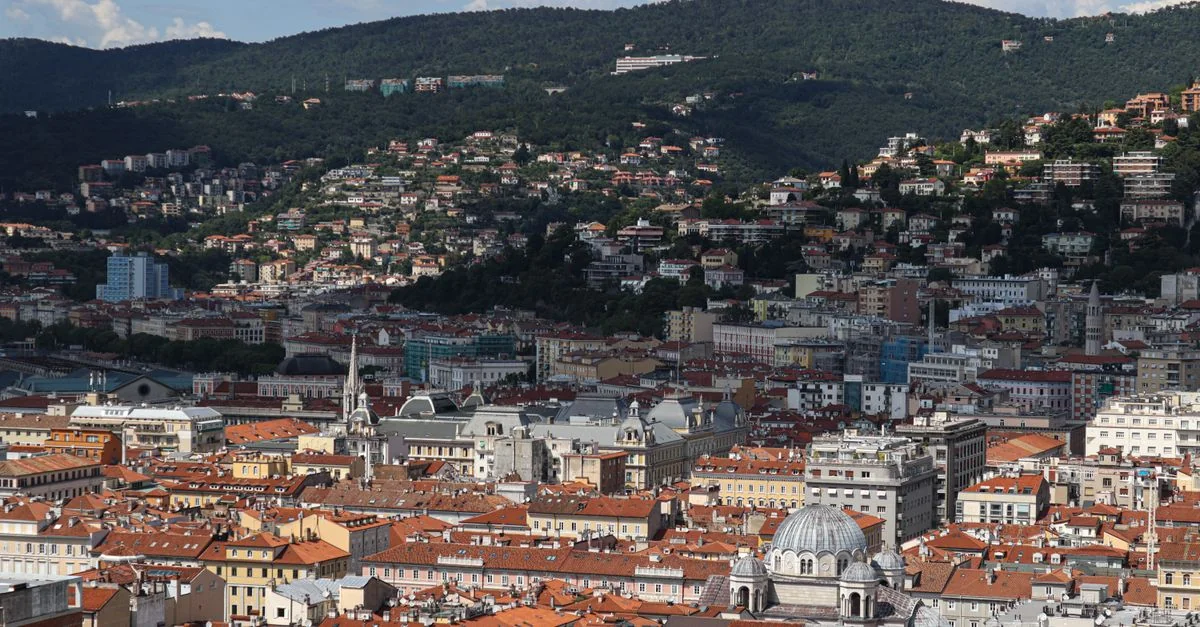
The city center, specifically the area surrounding the grand waterfront, is the most logical choice for first-time visitors who want to be within walking distance of the main sights. Staying here places you in the heart of the neoclassical district, where luxury and mid-range options dominate. You will find that these properties often occupy historic buildings with high ceilings and views of the harbor, making them perfect for travelers who prioritize convenience and aesthetic charm.
For a more local and relaxed experience, the area near the San Vito neighborhood offers a quieter residential feel. This district sits on higher ground, providing a different perspective of the city and the sea. You can find mid-range guesthouses and apartments that offer a more authentic glimpse into daily life. It is slightly removed from the main tourist hubs, which allows for a quieter night’s sleep while still being close enough to walk down to the center in about fifteen minutes.
The area surrounding the train station is a practical choice for budget-conscious travelers. While it lacks the architectural grandeur of the waterfront, it provides easy access to transportation links for day trips into the surrounding region. You will find a variety of budget-friendly hotels and hostels here. The neighborhood is utilitarian, yet it serves its purpose well for those who plan to spend most of their time exploring the city or the nearby karst plateau rather than lounging in their accommodation.
Top Things to Do in Trieste#
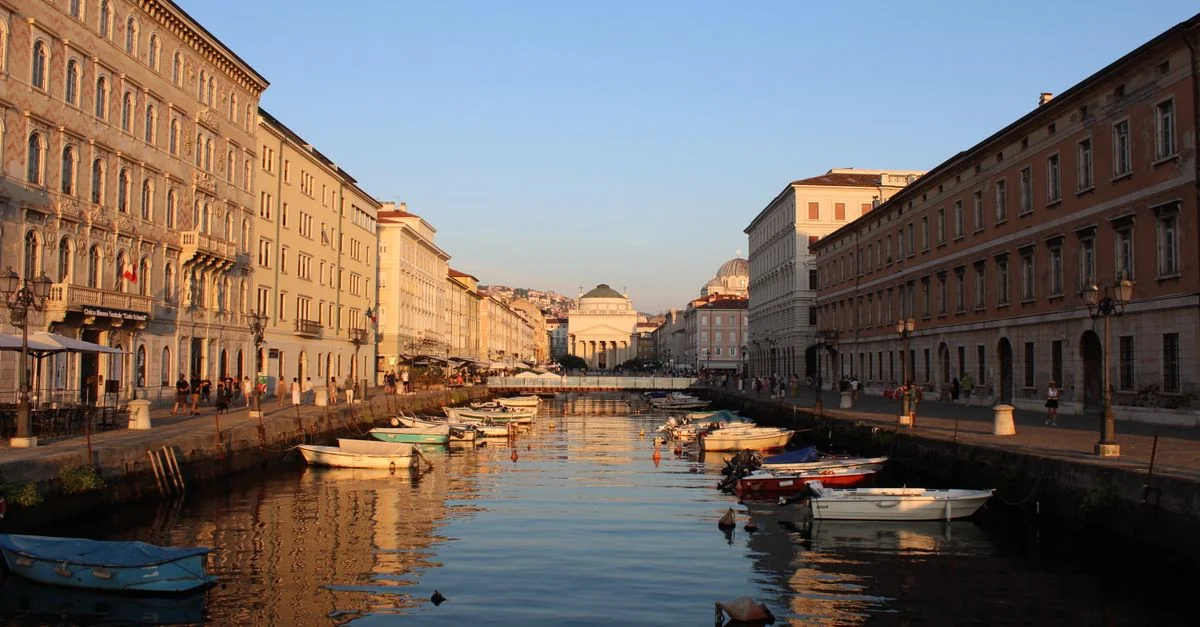
Standing in the center of Piazza Unità d’Italia is the most effective way to grasp the scale of the city. This massive square opens directly onto the sea, flanked by grand government buildings that showcase the city’s former status as the primary port of the Austro-Hungarian Empire. From here, a short walk leads you to the Molo Audace, a long pier that extends into the Adriatic, offering a panoramic view of the city’s skyline. It is a favorite spot for locals to take an evening stroll, especially when the light shifts during sunset.
History enthusiasts should head to the Castello di San Giusto, which sits atop the hill overlooking the city. The fortress houses a museum and provides a vantage point where you can see the entire harbor and the surrounding hills. Nearby, the Cattedrale di San Giusto Martire showcases intricate Byzantine-style mosaics that reflect the long and complex religious history of the region. As you descend the hill, keep an eye out for the Teatro Romano, an ancient Roman theater tucked away between modern apartment buildings, serving as a reminder of the city’s deep roots.
For a change of pace, the Miramare Castle is located a few miles outside the city center along the coast. This white-stone structure was built for Archduke Ferdinand Maximilian and is surrounded by a sprawling park that leads down to the water. The interior retains much of its original decor, providing a look at the life of the Habsburgs. If you are interested in the city’s literary connections, a visit to the James Joyce Statue on the Ponterosso Bridge is essential. The author lived in the city for several years, and his presence is felt throughout the local culture.
Nature lovers often head to the Grotta Gigante, a massive cave system located in the karst plateau just above the city. The scale of the cavern is difficult to comprehend until you are standing inside it. Finally, do not miss the Civico Museo Revoltella, which houses an impressive collection of modern art within a historic mansion. The rooftop terrace of the museum offers one of the most stunning views of the city, especially during the afternoon when the sun hits the limestone facades.
Food and Dining Guide#
The food scene in Trieste is a departure from the pasta-heavy menus found elsewhere in Italy. Here, the influence of Central Europe is undeniable. You must try Jota, a hearty soup made with sauerkraut, beans, and pork, which is perfect for cooler days. Another local staple is Gnocchi di Pane, bread-based dumplings often served with butter and sage or a rich meat sauce. For those who enjoy seafood, the local catch is prepared simply, often grilled or served as part of a traditional fish stew.
Street food is dominated by the Buffet, a unique type of local eatery that serves warm, cured meats like the Prosciutto Cotto in Crosta di Pane, which is cooked inside a bread crust. These establishments are informal, often featuring high stools and a focus on quick, satisfying meals paired with local wine. You should also make time for a visit to a traditional coffee house. The city is the coffee capital of Italy, and ordering a Capo in B, which is a small cappuccino served in a glass, is a mandatory cultural experience.
Dining in the city ranges from casual taverns that have been operating for generations to more formal restaurants overlooking the harbor. Do not leave without sampling the local desserts, particularly the Presnitz, a dense, spiral-shaped pastry filled with nuts, dried fruits, and spices. It is a testament to the city’s history as a trading hub where exotic ingredients were readily available. Whether you are grabbing a quick bite at a buffet or sitting down for a long dinner, the focus remains on quality ingredients and long-standing traditions.
Getting Around Trieste#
Trieste is a highly walkable city, especially if you stick to the flat areas near the waterfront. Most of the primary attractions are clustered in a way that makes taxis or public transit unnecessary for short stays. However, the city is built on hills, so be prepared for some incline if you decide to explore the residential areas or the San Giusto district. Comfortable walking shoes are a requirement, as the limestone streets can be uneven.
The public bus system is efficient and connects the city center with the outlying areas, including the road to Miramare Castle and the karst plateau. Tickets are easy to purchase at tobacco shops or kiosks throughout the city. If you plan to travel further afield, the train station is well-connected to other parts of Italy, making it simple to reach Venice or other regional hubs. Taxis are available, though they are best reserved for late-night travel or trips to locations outside the city center.
Renting a car is generally discouraged if your plan is to stay within the city limits. Parking is notoriously difficult and expensive, and the narrow, historic streets are not designed for modern traffic. If you intend to explore the surrounding countryside or the nearby Slovenian border, a car might be useful for a day or two, but it should be treated as a tool for regional exploration rather than a way to navigate the city itself.
Budget Breakdown#
Trieste offers a range of options that can accommodate various travel styles. For the budget traveler, daily costs can be kept relatively low by staying in hostels or budget guesthouses near the train station, eating at local buffets, and focusing on free activities like walking tours and visiting public squares. This tier focuses on simplicity, utilizing public transportation and enjoying the city’s outdoor scenery without the need for expensive entry fees or fine dining.
Mid-range travelers can expect a more comfortable experience, with stays in centrally located hotels or boutique apartments. This budget allows for daily coffee house visits, a mix of casual lunches and sit-down dinners, and entry fees for the major museums and historical sites. You will find that this level provides the best balance of comfort and immersion, allowing for a few splurges on local wine and regional specialties without breaking the bank.
Luxury travelers will find high-end accommodations in historic buildings along the waterfront or in restored villas on the outskirts. This tier includes private tours of the surrounding area, fine dining experiences at the city’s top-rated restaurants, and the convenience of private transportation. Regardless of your budget, the city provides excellent value, as the primary draw—the architecture, the history, and the atmosphere—is accessible to everyone.
Travel Tips for Trieste#
The Bora Wind is a force of nature that can change your plans quickly. When it blows, it is powerful enough to make walking along the waterfront difficult. Check the local weather forecasts before heading out for the day, and always carry an extra layer, even if the sun is shining. Locals are well-accustomed to the wind, and you will notice them navigating the streets with a specific posture that helps them stay balanced.
Coffee Culture is not just about the drink; it is about the pace. In Trieste, coffee is a social ritual. Do not rush your order or expect to grab a cup and go. Find a seat in one of the historic cafes, take your time, and observe the surroundings. It is perfectly acceptable to spend an hour or more over a single cup while reading or writing.
Language Etiquette is important, as the city sits at a linguistic intersection. While Italian is the primary language, you will notice a strong influence from German and Slovenian. Learning a few basic Italian phrases is appreciated, but don’t be surprised if you hear a variety of tongues spoken in the cafes and markets. Locals are generally helpful and often speak enough English to assist with directions or recommendations.
Dining Times follow the traditional Italian schedule. Lunch typically occurs between one and two in the afternoon, and dinner starts later in the evening, often after eight. If you arrive at a restaurant too early, you may find the doors locked. Plan your meals accordingly to avoid disappointment, and consider making reservations for popular dinner spots, especially on weekends.
Walking Gear is essential for navigating the terrain. The city’s historic center features many cobblestone paths and steep inclines. Leave the heels at home and opt for sturdy, comfortable footwear. You will be doing a significant amount of walking, and your feet will thank you for choosing practicality over fashion.
Tipping Customs in Italy are generally modest. A small amount of change left on the table after a coffee or a service charge included in your restaurant bill is standard. You are not expected to leave large percentages as you might in the United States . If the service is exceptional, a small, rounded-up tip is a polite gesture, but it is never mandatory.
📌 Disclaimer
Prices, schedules, tour details, flight routes, visa requirements, and all other information on this page are based on data at the time of writing. Fares, availability, and policies may change. Please verify current details on the official website before booking.
📌 More about Trieste