📌 Disclaimer
Prices, schedules, tour details, flight routes, visa requirements, and all other information on this page are based on data at the time of writing. Fares, availability, and policies may change. Please verify current details on the official website before booking.
Why Visit Trabzon#
The sharp aroma of burning sweet chestnut wood hangs heavy in the damp morning air, drifting from sidewalk carts roasting corn along the Black Sea coast. This northern corner of Turkey feels worlds apart from the dusty ruins of Ephesus or the sun-baked Mediterranean resorts most Americans picture when planning a Turkish vacation. Trabzon offers a dramatic landscape where steep, emerald-green mountains plunge directly into slate-gray waters, creating a geography that resembles the Pacific Northwest crossed with the Scottish Highlands. The region operates at a slower, more deliberate pace, shaped by centuries of maritime trade, tea harvesting, and mountain herding.
Travelers who make the journey here find a distinct regional identity influenced by centuries of Greek, Laz, and Ottoman history. Unlike the heavily touristed streets of Istanbul , daily life in Trabzon revolves around seaside tea gardens, steep winding staircases connecting hillside neighborhoods, and roadside stalls selling hazelnuts and cornmeal. The local dialect is famously fast and musical, and the hospitality is direct and sincere. Whether you are sipping steaming black tea in a shaded courtyard or watching mist roll over high-altitude meadows, Trabzon provides an authentic window into a lesser-known facet of Turkish culture.
For American visitors willing to venture beyond the standard tourist trail, this city serves as the gateway to the Kackar Mountains and some of the most dramatic architecture in the country. The steep terrain demands a certain level of physical stamina, but the reward is a landscape largely untouched by mass tourism. It is a destination for hikers, road-trippers, and curious eaters looking for a cool mountain breeze and a complete departure from the typical Mediterranean beach holiday.
Best Time to Visit Trabzon#

Planning your trip timing requires careful consideration of the Black Sea’s notoriously unpredictable weather patterns, which bring rain and mist throughout much of the year. The ideal window for most American travelers runs from June through September, when the coastal humidity gives way to warm, pleasant days and the mountain plateaus are fully accessible. July and August bring peak domestic tourism, meaning higher accommodation rates and crowded coastal roads, but these summer months offer the most reliable weather for high-altitude hiking and outdoor festivals.
Shoulder season months like May and October present a quieter alternative, though you should pack serious rain gear and waterproof footwear. May brings rushing waterfalls and wildflowers to the lower valleys, but high mountain passes often remain blocked by lingering snowpacks until late June. October blankets the hills in brilliant autumn foliage, particularly in the forested interior valleys, though temperatures drop sharply after sunset.
Winter brings cold, wet conditions to the coast and heavy snow to the mountains, making it suitable only for those seeking solitude or winter sports in specific high-altitude pockets. Pricing for lodging reaches its lowest point during the winter months, while summer commands a premium, particularly along the coast and near major sights like Sumela Monastery. If you prefer mild weather, manageable crowds, and open mountain trails, aim for the shoulder weeks of June or September.
Where to Stay in Trabzon#
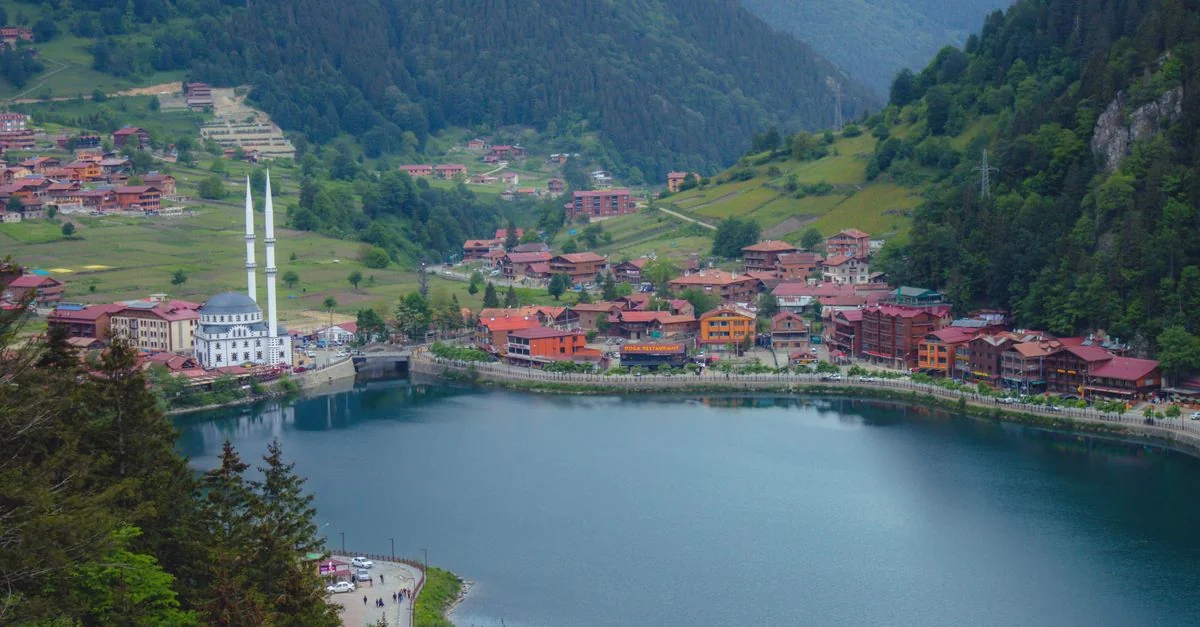
Choosing the right neighborhood depends largely on whether you prefer urban convenience, coastal views, or a quiet base for mountain excursions. The Ortahisar District, encompassing the old city center, places you within walking distance of historic fortifications, lively markets, and traditional tea houses. Accommodations here skew toward mid-range urban properties and family-run guesthouses, offering easy access to public transportation and a central location for exploring the city’s architectural sites on foot.
For travelers prioritizing sea views and modern comforts, the Coastal Strip stretching east and west of the center features a concentration of upscale hotels and high-rise apartments. This zone provides broad avenues, easy parking for rental cars, and proximity to major shopping centers and seaside restaurants. While less historic than the old town, this area offers luxury tier amenities, spacious rooms, and straightforward highway access for day trips into the mountains.
Visitors seeking a peaceful retreat often choose the Boztepe Hill area, perched high above the city center. This neighborhood features boutique guesthouses and mid-range properties nestled among residential streets and terraced gardens. Mornings here start with sweeping panoramas over the entire city and the expanse of the Black Sea below, while evenings bring cooler breezes and a quieter neighborhood atmosphere far removed from the city’s traffic.
Finally, travelers focused on outdoor adventures frequently bypass the city entirely, opting for guesthouses in the mountain valleys or plateau villages such as Hamsikoy. Staying in these rural settlements puts you directly among stone houses, grazing cattle, and traditional dairy farms. Accommodations in the highlands are typically simple, family-run budget or mid-range inns where hospitality centers around hearty home-cooked breakfasts and wood-burning stoves.
Top Things to Do in Trabzon#
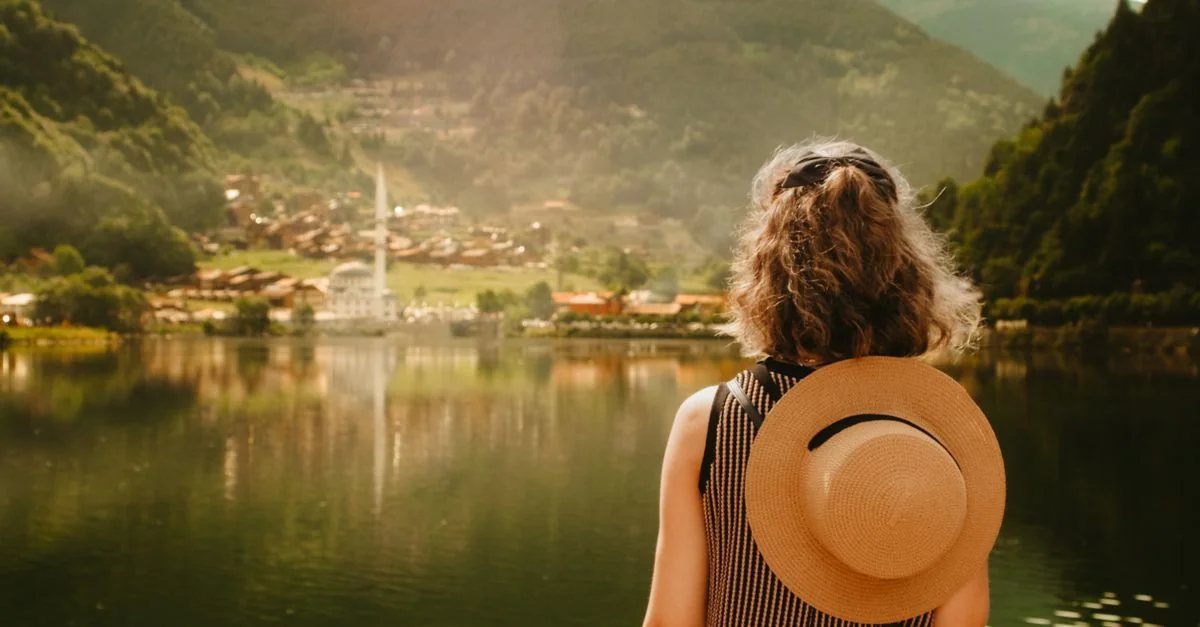
Perched precariously on a sheer cliff face high above a wooded gorge, Sumela Monastery stands as the region’s most iconic architectural achievement. Founded in the fourth century, this sprawling Greek Orthodox complex requires a steep walk through a damp forest path before you cross the threshold into ancient rock-cut chapels adorned with fading frescoes. Another mandatory stop within the city limits is Hagia Sophia, a thirteenth-century Byzantine church later converted into a mosque, which houses remarkably preserved stone carvings and sweeping lawns overlooking the water.
To experience local daily life, wander through the historic Trabzon Meydan, the busy central square where locals gather beneath shade trees to drink tea and discuss politics. Just a short walk away, the Trabzon Museum occupies a sprawling, elegant early-twentieth-century mansion and displays a fascinating collection of Roman artifacts, Byzantine relics, and ethnographic items detailing local customs. For a sweeping panorama of the entire urban landscape and the coastline stretching toward the horizon, head up to the terraced tea gardens of Boztepe Park at sunset.
Venture beyond the city to discover the striking waters of Uzungol Lake, a dramatic alpine basin surrounded by dense pine forests and steep mountain slopes. Although the lake area has seen significant commercial development, walking the perimeter trails or climbing the surrounding ridges reveals quiet viewpoints away from the souvenir shops. Nearby, the dramatic stone bridge of Kastane Pazari and the moody ruins of Kizlar Monastery offer quieter historical explorations without the crowds found at Sumela.
Nature lovers should make time to explore the high-altitude meadows known as yaylas, with Hidirnebi Plateau providing an accessible escape into the clouds where traditional wooden chalets dot rolling green pastures. If you travel further inland, the soaring stone walls of Zigan Pass and the deep river gorges leading toward the interior provinces offer top-quality scenic driving and opportunities to spot local wildlife roaming the alpine timberlines.
Food and Dining Guide#
Eating in Trabzon is a hearty, distinct affair heavily influenced by the Black Sea’s bounty and the region’s steep agricultural terraces. The quintessential local specialty is Akcaabat Kofte, seasoned minced beef meatballs grilled over hot coals and traditionally served with crusty bread, charred peppers, and a pungent garlic yogurt sauce. You will find these meatballs served everywhere from humble roadside shacks to formal sit-down restaurants throughout the province.
Breakfast is treated with immense reverence here, anchored by Kuymak, a rich, stretchy fondue-like dish made from cornmeal, local butter, and copious amounts of melting string cheese. Paired with fresh black bread and local honey, this dish provides all the energy needed for a day of mountain hiking. Another daily staple is Black Cabbage Soup, a dark, earthy broth loaded with collard greens, beans, corn, and sometimes chunks of beef, served piping hot to ward off the chill of mountain air.
For seafood lovers, the local waters yield exceptional Hamsi, tiny Black Sea anchovies that locals prepare in dozens of different ways, including pan-fried with cornmeal, baked into rice dishes, or even incorporated into sweet pastries during special occasions. You can sample these fresh catches at simple seaside lokantas where the daily menu changes based on what the morning fishing boats brought to the docks.
When it comes to dining style, Trabzon leans toward unpretentious, family-run eateries rather than white-tablecloth fine dining. Street food culture thrives on roasted corn carts, simit bakeries, and stalls selling warm corn bread stuffed with cheese. For a solid local experience, seek out a traditional village restaurant in the highlands where meals are served family-style around large wooden tables, accompanied by endless glasses of locally grown Turkish tea.
Getting Around Trabzon#
Navigating Trabzon requires patience and a tolerance for winding roads and aggressive local driving habits. Public transportation within the city relies heavily on Dolmus, small shared minibuses that ply fixed routes along major thoroughfares. These vans are cheap, frequent, and efficient once you learn the system, though figuring out the exact destination signs in the front window can challenge first-time visitors who do not speak Turkish.
Standard taxis are widely available outside major transit hubs, hotels, and tourist sites, and drivers generally use meters for city rides. However, agreeing on a fare before setting off on longer journeys into the mountains prevents misunderstandings later. Taxis become a practical option for mid-range and luxury travelers wanting door-to-door service without the hassle of navigating local traffic or finding parking in the crowded center.
Walking works well for exploring the compact historic core and the immediate downtown area, but be prepared for intense verticality. Streets rising from the coast feature steep inclines and endless flights of stone stairs, meaning comfortable walking shoes are mandatory. Renting a car is strongly recommended for travelers planning to explore mountain plateaus, Sumela Monastery, or Uzungol Lake independently, offering the flexibility to stop at roadside viewpoints and remote villages at your own pace.
Budget Breakdown#
Planning your expenses in Trabzon depends heavily on your travel style, though the region generally offers strong value compared to major European destinations and even Istanbul. For budget travelers, relying on local guesthouses, public dolmus transportation, and simple meals at neighborhood lokantas keeps daily spending modest. Accommodation options in this tier consist of basic rooms in the city center or simple highland chalets, while activities focus on free outdoor hikes and low-cost historical sites.
Mid-range travelers enjoy a comfortable balance of convenience and local authenticity, staying in modern hotels with sea views or charming boutique properties on Boztepe Hill. This tier allows for occasional taxi rides, rental car expenses for day trips, and sit-down dinners featuring local specialties like Akcaabat kofte and fresh seafood without strictly monitoring every expense.
Luxury travelers find high-end accommodations along the coastal strip, featuring spacious rooms, modern spa facilities, and professional concierge services to arrange private mountain tours. High-end dining, private chauffeured vehicles for excursions into the Kackar Mountains, and guided cultural tours define this tier. While top-tier luxury options exist, the region’s overall tourism infrastructure remains distinctly down-to-earth, focusing more on natural beauty and authentic hospitality than polished glitz.
Travel Tips for Trabzon#
Weather preparedness is essential when packing for this region, as the local microclimate can shift from bright sunshine to heavy downpours within minutes. Always carry a waterproof jacket and sturdy hiking shoes, even if the morning sky looks clear, because mountain passes catch rain clouds rolling off the sea with little warning.
Language barriers occur more frequently here than in major tourist hubs like Antalya or Istanbul, as English is spoken less by older residents and rural service workers. Downloading a reliable offline translation application on your phone before arrival helps bridge the gap when ordering food or asking for directions in mountain villages.
Cash availability remains important because smaller shops, rural guesthouses, and roadside tea stalls often do not accept credit cards. Keep a healthy supply of Turkish lira in small denominations for minor purchases, dolmus fares, and market stalls, though major supermarkets and hotels readily accept plastic.
Cultural etiquette in this conservative Black Sea province calls for modest dress when visiting mosques and traditional rural villages, particularly covering shoulders and knees. A respectful greeting and a polite demeanor go a long way toward building rapport with local shopkeepers and residents, who appreciate visitors taking an interest in their regional customs.
Driving style in northern Turkey demands confidence and heightened defensive driving skills, as local drivers frequently overtake on blind curves and navigate steep mountain switchbacks at high speeds. If you rent a car, stay alert, avoid driving after dark on unfamiliar mountain roads, and yield to aggressive drivers rather than contesting the right of way.
📌 Disclaimer
Prices, schedules, tour details, flight routes, visa requirements, and all other information on this page are based on data at the time of writing. Fares, availability, and policies may change. Please verify current details on the official website before booking.
📌 More about Trabzon