📌 Disclaimer
Prices, schedules, tour details, flight routes, visa requirements, and all other information on this page are based on data at the time of writing. Fares, availability, and policies may change. Please verify current details on the official website before booking.
Complete Travel Guide to Toulouse: Top Attractions, Tips & Itinerary#
Why Visit Toulouse?#
The distinct pink hue of the brick buildings catches the late afternoon sun, giving the entire city center a warm, terracotta glow that earned Toulouse its nickname, La Ville Rose. Walking through the streets, the sound of the Occitan language might drift through an open window, a reminder that this city has a history and identity that is distinctly different from Paris or the Riviera. Toulouse serves as the gateway to the Occitanie region, balancing a deep historical past with a futuristic energy driven by the aerospace industry. It feels lived-in and authentic, a place where locals crowd the riverbanks at sunset rather than just tourists posing for photos.
Beyond the visual appeal of the architecture, Toulouse offers a specific rhythm that appeals to American travelers looking for a slower pace of life without sacrificing culture. The city is home to Airbus headquarters, which brings a cosmopolitan flair and a youthful population due to the large university student body. This blend of aerospace innovation and academic history creates a unique atmosphere where medieval churches stand just blocks away from modern engineering marvels. The food scene is equally compelling, focusing on hearty, rustic ingredients from the surrounding countryside rather than the fussy refinement sometimes found in other parts of France .
Best Time to Visit Toulouse#
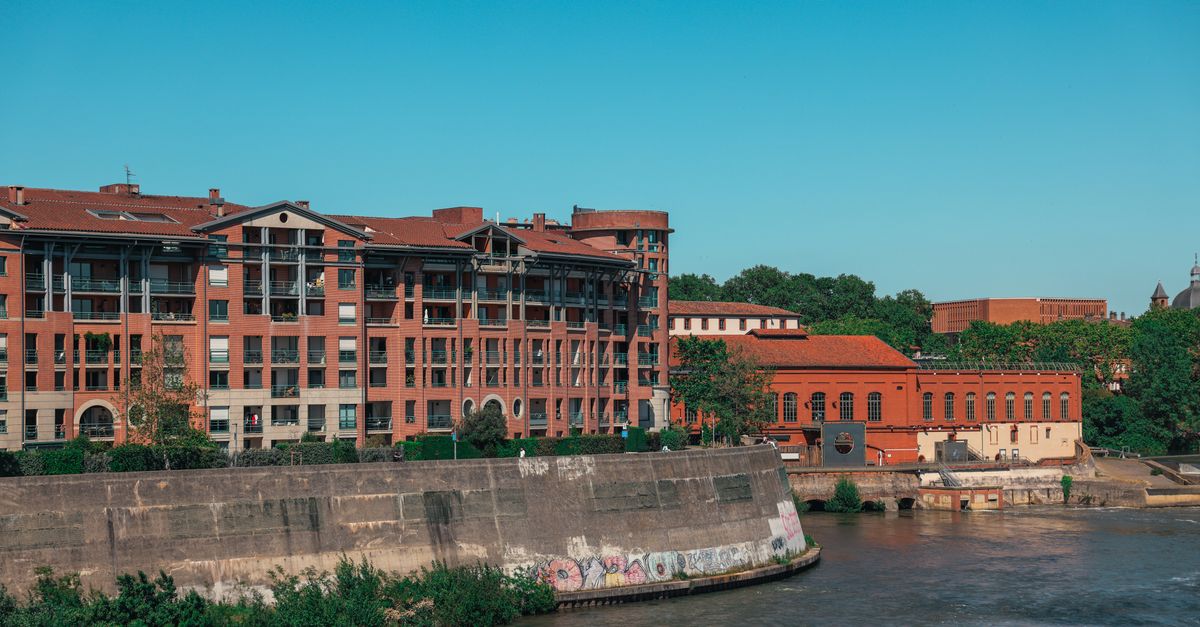
The ideal window for exploring Toulouse is during the shoulder seasons, specifically May through June and September through early October. During these months, the weather is pleasantly warm, usually hovering in the 70s Fahrenheit, which makes walking along the Garonne River comfortable. The crowds are significantly thinner than in the height of summer, allowing for a more relaxed experience at major museums and cafes. You will find that accommodation prices are also more reasonable during these periods, striking a good balance between availability and cost.
Summer, particularly July and August, brings heat that can climb into the 90s, accompanied by high humidity. This is when the city feels most alive, with festivals and events filling the calendar, but it is also when many locals leave for their own vacations. If you travel in August, be aware that some smaller family-owned shops and restaurants might close for a few weeks. Winter runs from November to February and is characterized by cool, damp weather, with temperatures often in the 40s and 50s. While this is the low season with the lowest hotel rates, the grey skies can obscure the famous pink brickwork, and outdoor dining becomes less appealing.
Where to Stay in Toulouse#
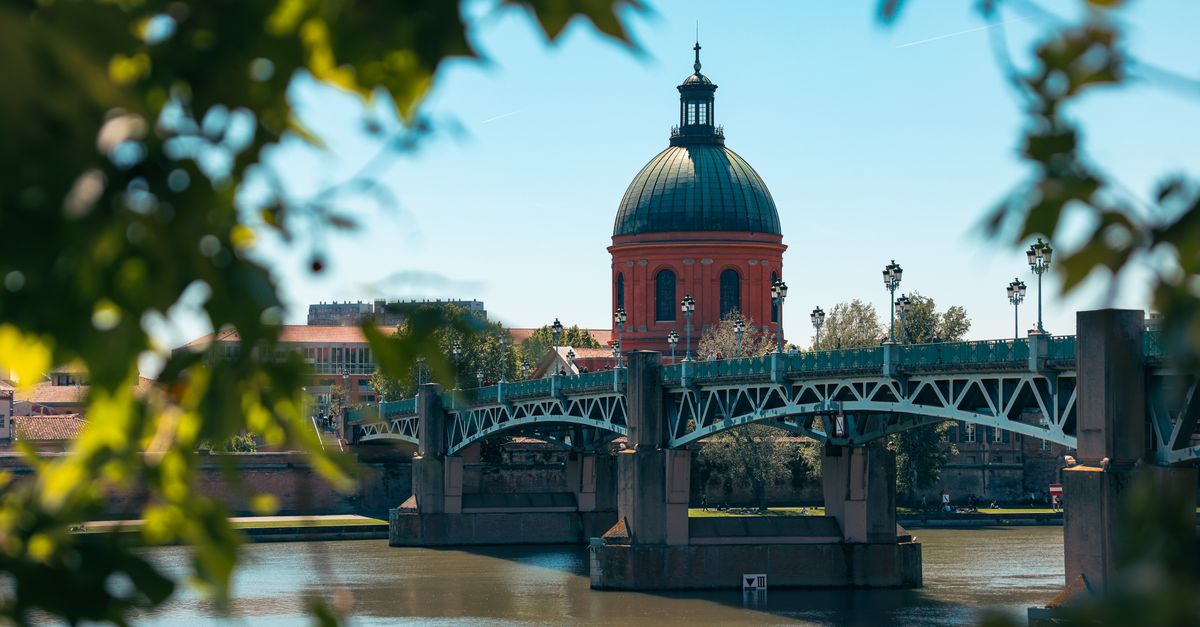
For first-time visitors, staying in the Capitole neighborhood is the most convenient choice. This area sits right in the heart of the city center, placing you within walking distance of the main square, shopping streets, and key historical sites. The architecture here is classic Haussmann-style, and the energy is high. Accommodation options range from luxury hotels housed in grand historic buildings to mid-range chain hotels and boutique guesthouses. While this area is lively and central, it can be noisy at night due to its popularity with nightlife seekers.
If you prefer a quieter, more bohemian atmosphere, consider the Carmes district, located just south of the Capitole. This neighborhood is known for its narrow medieval streets, artisan shops, and proximity to the river. It feels like a small village within the city. Here, you will find a mix of charming bed-and-breakfasts and upscale boutique apartments. It is an excellent area for foodies, with plenty of markets and cafes nearby, though the narrow streets can make navigating with heavy luggage slightly challenging.
For travelers watching their wallets or looking for a more local experience, the Saint-Cyprien quarter offers a great alternative. Located across the Pont Neuf, this area has a village-like feel and is famous for its Sunday market. The accommodation here tends to be more affordable, with budget-friendly hostels and mid-range hotels that offer good value for money. The riverfront location provides lovely spots for evening picnics, and while it is a bit further from the main tourist sights, it is still easily accessible on foot or by metro.
Top Things to Do in Toulouse#
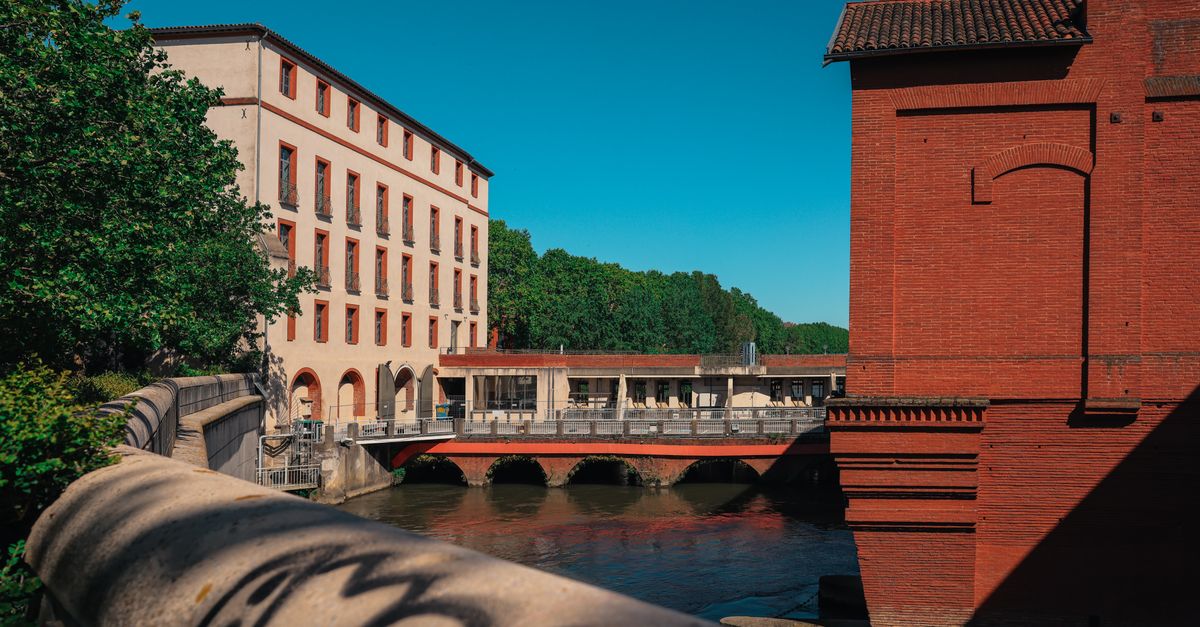
Standing in the center of the city, the Place du Capitole serves as the massive beating heart of Toulouse. This grand square is dominated by the imposing Capitole building, which houses the city hall and the Théâtre du Capitole. It is worth stepping inside to see the Salle des Illustres, a breathtaking hall decorated with 19th-century paintings and frescoes that depict the city’s history. The square itself is a perfect place to people-watch while sitting at a terrace cafe, but be sure to look down at the pavement to spot the brass crosses and the Occitan cross embedded in the ground.
Just a short walk from the busy center brings you to the Couvent des Jacobins, a masterpiece of southern Gothic architecture. The sheer scale of the brick columns inside the church is astonishing, particularly the famous “palm tree” column that fans out into ribbed vaults at the ceiling. The light filtering through the stained glass creates an almost ethereal atmosphere in the choir. It is a quiet, contemplative space that offers a stark contrast to the noise of the streets outside, and the cloister garden provides a peaceful retreat for a moment of silence.
For a taste of the city’s aerospace prowess, the Cité de l’Espace is an essential stop. Located slightly outside the city center, this theme park and museum dedicated to space exploration is a hit with adults and children alike. You can walk inside a full-scale replica of the Mir space station, see real spacecraft like the Ariane rocket, and experience immersive planetarium shows. It effectively highlights Toulouse’s role as a major player in the European space industry and offers a hands-on look at the technology that leaves our atmosphere.
Art enthusiasts should make their way to the Musée des Augustins, which is housed in a former 14th-century Augustinian monastery. The building itself is a work of art, with its serene cloister and Gothic church spaces repurposed to display a vast collection of sculptures and paintings. The museum holds an impressive array of Romanesque sculptures as well as works from the Renaissance and the 19th century. It is a manageable size to explore in a few hours and provides a quiet cultural escape from the afternoon heat.
Crossing the Pont Neuf, the oldest bridge in Toulouse, offers some of the best views of the city. From there, you can access the Prairie des Filtres, a large park along the Garonne River. This is not a manicured French garden but a wild, open space where locals play boules, jog, and gather for picnics at sunset. Watching the sun go down behind the Pont Neuf with the water reflecting the pink buildings is one of the simplest yet most rewarding activities in the city. It is the perfect spot to unwind after a day of sightseeing.
A visit to the Hôtel d’Assézat provides a glimpse into the Renaissance wealth of Toulouse’s past merchants. This stunning private mansion now houses the Fondation Bemberg, which displays a remarkable collection of art, including works by Bonnard, Toulouse-Lautrec, and Impressionist masters. The courtyard is a tranquil oasis of pink brick and stone arches. It is a quieter attraction that often gets overlooked by the crowds, making it a hidden treasure for those who appreciate fine art and architecture without the hustle.
For a different perspective of the city, the Canal du Midi offers a peaceful respite. You can take a leisurely boat tour or simply walk or cycle along the towpaths that line the water. Watching the locks operate as boats navigate the waterway is a fascinating glimpse of engineering history that dates back to the 17th century. The shaded paths are lined with majestic plane trees, providing a cool corridor even on the hottest days. It connects Toulouse to the Mediterranean and remains a vital and beautiful part of the city’s infrastructure.
Finally, the Basilique Saint-Sernin is a stop on the pilgrimage route to Santiago de Compostela and stands as one of the largest Romanesque churches in Europe . Its imposing brick tower dominates the skyline of the surrounding neighborhood. Walking around the ambulatory, you can see the relics and side chapels that have drawn pilgrims for centuries. The acoustics inside are incredible, and if you are lucky enough to visit during a service or a concert, the sound of the organ fills the vast space with a profound resonance.
Food and Dining Guide#
The cuisine in Toulouse is hearty, meat-focused, and deeply rooted in the agricultural abundance of the surrounding region. You cannot visit without trying Cassoulet, the iconic slow-cooked casserole containing white beans and various meats, typically pork sausages, duck confit, and sometimes mutton. It is a dish meant to be savored slowly, ideally on a cool evening. While many restaurants serve their own version, the traditional preparation is rich and filling, often serving as a meal in itself. It is the definition of comfort food in this part of France.
Another staple is Toulouse Sausage, a fresh pork sausage seasoned with garlic and pepper. It is often grilled and served with aligot, a creamy blend of mashed potatoes and melted cheese that creates a stretchy, delicious texture. You will find this dish in many brasseries throughout the city. For a lighter meal or a starter, look for Foie Gras, which is a specialty of the wider region. Whether served as a pâté (terrine) or pan-seared, it represents the luxurious side of French culinary tradition.
When it comes to dining out, the city offers everything from casual corner cafes to high-end food establishments. For lunch, many locals head to a bistro for a “menu du jour,” which offers a two or three-course meal at a fixed price. Street food is also gaining popularity, with vendors selling savory crêpes and galettes filled with cheese, ham, and eggs. These make for an excellent quick bite while exploring the markets. Do not skip dessert, as the pastries in Toulouse are exquisite, particularly anything featuring violet, a flower that has been cultivated locally and used in confectionery for centuries.
Getting Around Toulouse#
Toulouse is a highly walkable city, especially in the historic center where most of the major attractions are located. The streets are pedestrian-friendly in many areas, and walking allows you to fully appreciate the architecture and the small details of the neighborhoods. However, if you need to cover longer distances, the public transportation system is efficient and extensive. The metro system consists of two lines that run on rubber tires, making them surprisingly quiet, and they connect the main train station to the university area and the southern suburbs.
The bus network fills in the gaps where the metro does not reach, including the route to the airport. There is also a modern tram line that serves the western part of the city and the aerospace sector. Taxis are readily available but can be expensive, and ride-sharing apps operate in the city. For those who prefer to cycle, there is a bike-sharing system that is easy to use and very popular for getting along the river and canal paths. Renting a car is generally not recommended for staying within the city limits due to traffic congestion and limited parking, though it is useful if you plan to explore the surrounding countryside or the Pyrenees mountains.
Budget Breakdown#
Traveling in Toulouse can be tailored to fit a variety of budgets, but it generally sits in the mid-range compared to Paris. For budget travelers, planning to spend around $80 to $100 per day is a realistic target. This assumes staying in a hostel or a budget guesthouse, eating mostly picnics from markets and inexpensive set lunches, and walking or using public transit. A budget hotel typically starts around $50 to $80 per night, depending on the season. Street food and bakery meals can be kept under $15, leaving plenty of room in the budget for museum entries.
Mid-range travelers should expect to spend approximately $150 to $250 per day. This budget allows for a comfortable three-star hotel or a boutique apartment rental, dining in restaurants for dinner most nights, and enjoying the occasional coffee or drink at a terrace. Mid-range accommodation usually costs between $100 and $180 per night. At this level, you can afford to take taxis occasionally and enjoy paid attractions without worrying too much about the cost, including a guided tour or a boat ride on the canal.
Luxury travelers will find that Toulouse offers high-end experiences, though prices are lower than in major coastal resorts. A daily budget of $400 or more will secure a stay in a luxury hotel, often exceeding $250 per night, fine dining experiences, and private tours. This tier allows for shopping in the high-end boutiques near the Capitole and enjoying the city’s culinary scene without restriction. Regardless of your budget, the cost of wine and coffee remains quite reasonable compared to the United States , offering good value for those who enjoy café culture.
Travel Tips for Toulouse#
The Lunch Hour Culture is strictly observed in Toulouse. Most restaurants close their kitchens around 2:00 PM and do not reopen for dinner until at least 7:30 PM. If you wait until 1:30 PM to find lunch, you may find many kitchens already closed or fully booked. It is best to plan your sightseeing around these hours and aim for an early lunch or a late dinner. Additionally, many shops still close for a few hours in the afternoon, particularly on Sundays, so plan your shopping excursions for the morning or late afternoon.
Museum Passes can save you significant money and time if you plan on visiting multiple sites. The city offers a card that includes public transportation and admission to major museums and monuments. Buying one of these passes allows you to skip the ticket lines at popular attractions like the Cité de l’Espace. Even if you are only visiting two paid sites, the pass often pays for itself compared to buying individual tickets. It is a smart investment for a two or three-day trip.
Greeting Locals is considered polite and essential for good service. When entering a small shop or boarding a bus, it is customary to say “Bonjour” to the staff or the driver. Failing to do so can be seen as rude. Similarly, when leaving a shop or restaurant, a simple “Merci, au revoir” goes a long way. The locals are friendly and helpful, but they appreciate when visitors make an effort to observe these basic social niceties.
Water and Dining is a cultural difference that often surprises Americans. In restaurants, if you ask for water, you will usually be served a carafe of tap water for free. If you want bottled water, you must specifically request it, and you will likely be charged for it. The tap water in Toulouse is safe and of high quality, so ordering a “carafe d’eau” is the most economical and environmentally friendly choice. Also, bread is typically placed on the table as a matter of course, but there is sometimes a small charge for it, known as a “couvert,” listed on the menu.
The Sunday Market at Saint-Cyprien is a sensory experience not to be missed. It is one of the largest markets in the city and offers everything from fresh produce and cheeses to clothing and antiques. It is a great place to buy picnic supplies or souvenirs. However, be aware that it can get incredibly crowded. Keep a close eye on your belongings, as pickpockets tend to operate in dense crowds. Arriving early in the morning gives you the best selection of goods before the rush.
📌 Disclaimer
Prices, schedules, tour details, flight routes, visa requirements, and all other information on this page are based on data at the time of writing. Fares, availability, and policies may change. Please verify current details on the official website before booking.
📌 More about Toulouse