📌 Disclaimer
Prices, schedules, tour details, flight routes, visa requirements, and all other information on this page are based on data at the time of writing. Fares, availability, and policies may change. Please verify current details on the official website before booking.
Why Visit Torshavn?#
The scent of salt air mingles with the faint, earthy aroma of drying cod as you step onto the weathered wooden docks of the harbor. Torshavn occupies a unique space in the North Atlantic, serving as the capital of the Faroe Islands while maintaining the quiet, unhurried pace of a small coastal village. Unlike major European capitals, this city feels like a cluster of turf-roofed cottages huddled against the wind, providing a rare look at a society that prioritizes communal connection and a deep respect for the surrounding ocean.
Travelers who choose to spend time here are usually looking for something beyond the typical tourist circuit. The city functions as a gateway to the dramatic cliffs and jagged coastlines of the archipelago, yet it possesses a distinct character of its own. You will find that the local pace of life encourages you to slow down, watch the changing light over the water, and engage with a culture that has survived for centuries in one of the most challenging environments on the planet.
Best Time to Visit Torshavn#
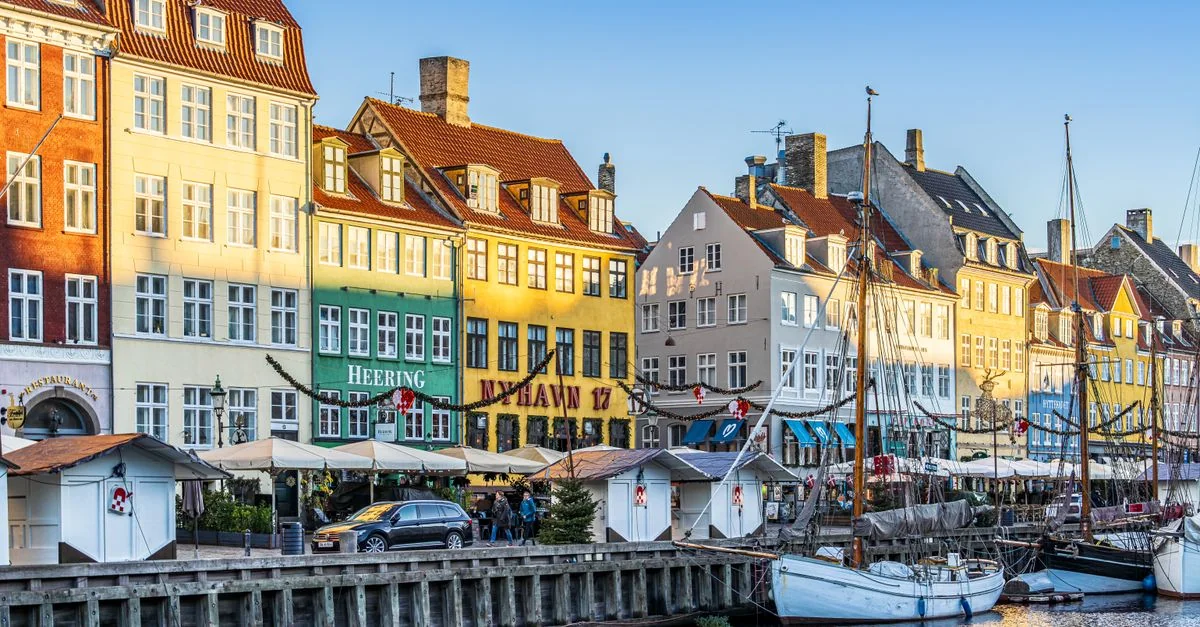
Planning your trip depends largely on how much sunlight you want and your tolerance for rain. June, July, and August represent the peak season. During these months, the days stretch long into the evening, with twilight lingering until nearly midnight. Temperatures hover in the mild range, typically staying between 50 and 55 degrees Fahrenheit. While this is the most popular time for visitors, it also sees the highest prices for rental cars and lodging. If you prefer to avoid the peak crowds, late May or early September offer a bridge between seasons, where the landscape remains green and the weather is generally manageable, though you should always be prepared for sudden shifts.
Winter travel, spanning from November through March, is a different experience entirely. The days are short, often providing only five or six hours of daylight. While this is not the time for hiking the high mountain trails, it is a period of deep tranquility. The city feels quiet, and you can often find better rates on accommodation. Be aware that winter weather can be severe, causing ferry cancellations or road closures between islands. If you visit during these colder months, bring heavy, windproof layers and prepare for a stay defined by indoor comfort and the occasional storm watching from a warm cafe window.
Where to Stay in Torshavn#
The area surrounding the harbor, known as the old town, offers a chance to stay in historic, black-timbered houses with grass roofs. This is the most atmospheric part of the city, placing you within walking distance of the primary waterfront activities. Staying here is often a premium experience, as many of these properties are preserved as heritage sites or converted into boutique guesthouses. Expect to pay higher rates for the privilege of staying in a piece of local history, but the trade-off is unparalleled access to the city’s most iconic sights.
For those seeking a more modern feel, the central district near the primary shopping streets offers a variety of mid-range options. These locations provide easy access to the main bus terminal and the larger grocery stores, making them practical for travelers who plan to cook their own meals. You will find apartment-style rentals and contemporary guesthouses that cater to families or longer-term visitors. This area balances convenience with a functional, urban aesthetic that serves as a solid home base for day trips across the islands.
If you are traveling on a tighter budget, look toward the residential hills slightly further from the water. While the walk back from the harbor involves a steady uphill climb, the trade-off is often lower nightly rates and a quieter environment. Many of these neighborhoods feature guesthouses or private rooms in local homes. While these spots may lack the immediate charm of the harbor district, they provide a authentic glimpse into how locals live, often featuring panoramic views of the bay and the surrounding mountains.
Top Things to Do in Torshavn#
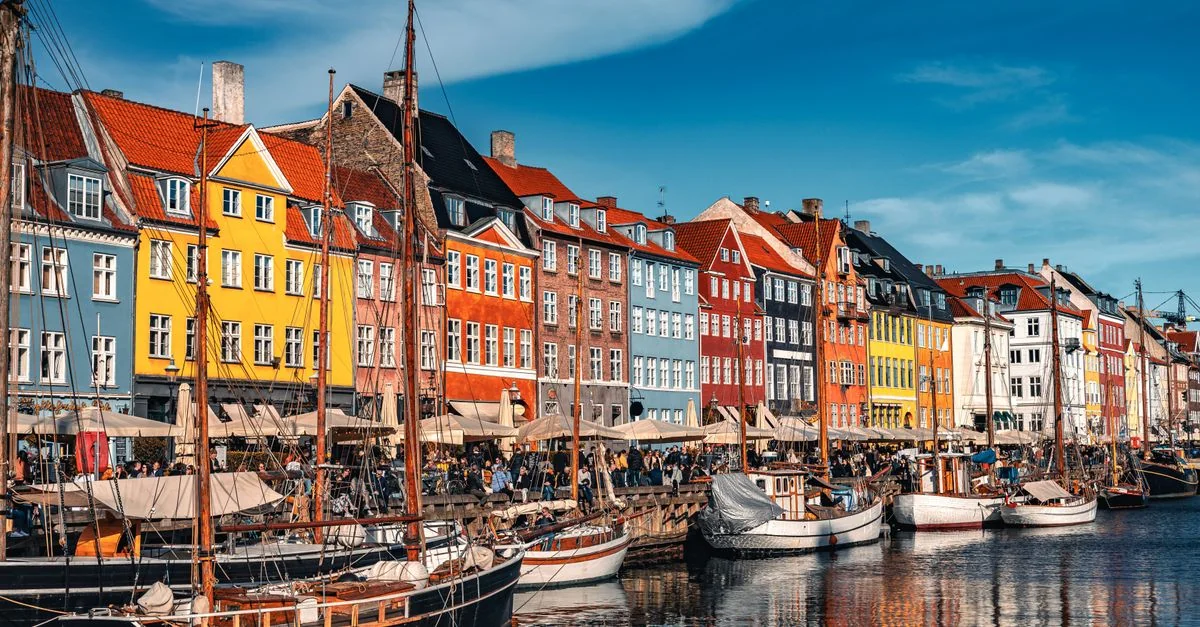
A walk through Tinganes is essential for any visitor. This historic peninsula is the oldest part of the city, where the Faroese parliament has met since the Viking age. The narrow, winding alleys between the red-painted wooden buildings with their sod roofs create a maze that feels frozen in time. You can walk freely among these offices and government buildings, which remain in active use despite their age. Just a short walk away, the Torshavn Cathedral stands as a stark white contrast to the dark timber of the old town. Built in the late 18th century, it is one of the oldest churches in the country and serves as a quiet space for reflection.
For those interested in the artistic side of the islands, the National Gallery of the Faroe Islands houses a collection that focuses on the interplay between the harsh landscape and local creative expression. The building itself is designed to blend into the surrounding forest, and the exhibits often feature works that capture the moody, atmospheric light of the North Atlantic. If you prefer to get outside, a walk through Vidarlundin Park provides a rare opportunity to see trees in the Faroe Islands. This small, protected woodland is a favorite spot for locals to walk, offering a sheltered path through greenery that is otherwise sparse in the archipelago.
To understand the maritime roots of the region, visit the Nordic House. This cultural institution is known for its architecture, which incorporates traditional materials like slate and grass. It hosts frequent concerts, exhibitions, and lectures that provide context to the Faroese way of life. If you have time for a short drive or bus ride, the Kirkjubour ruins are a short distance away. This site contains the remains of the Magnus Cathedral and the Saint Olav Church, offering a glimpse into the medieval history of the islands. For a more modern perspective, the Torshavn Harbor itself remains the pulse of the city. Watching the small fishing boats return with their daily catch is a daily ritual that captures the essence of the capital. Finally, the SMS Shopping Center might seem like a standard destination, but it is a hub for local life where you can observe the community, pick up wool products, and see how the residents balance modern commerce with their traditional roots.
Food and Dining Guide#
Dining in Torshavn is a study in preservation and local sourcing. Because agriculture is limited by the climate, the diet relies heavily on the sea and the sheep that roam the hillsides. You will frequently encounter Skerpikjot, which is wind-dried mutton. This dish is aged in specialized sheds that allow the salty sea air to circulate, resulting in a flavor that is intense, funky, and deeply savory. It is often served in thin slices on bread or as part of a larger platter. Another staple is Faroese Salmon, which is world-renowned for its quality. Whether served as sashimi or grilled, the freshness is evident in the texture and color.
For a comforting meal, look for Ræst, which refers to the specific fermentation process used for both fish and meat. This method was historically necessary to survive the winter, and today it defines the unique profile of local cuisine. You will find it in soups or served alongside potatoes. If you are looking for something lighter, Faroese Langoustine is a delicacy found in many of the higher-end establishments. These small lobsters are sweet and tender, usually prepared simply to highlight their natural flavor.
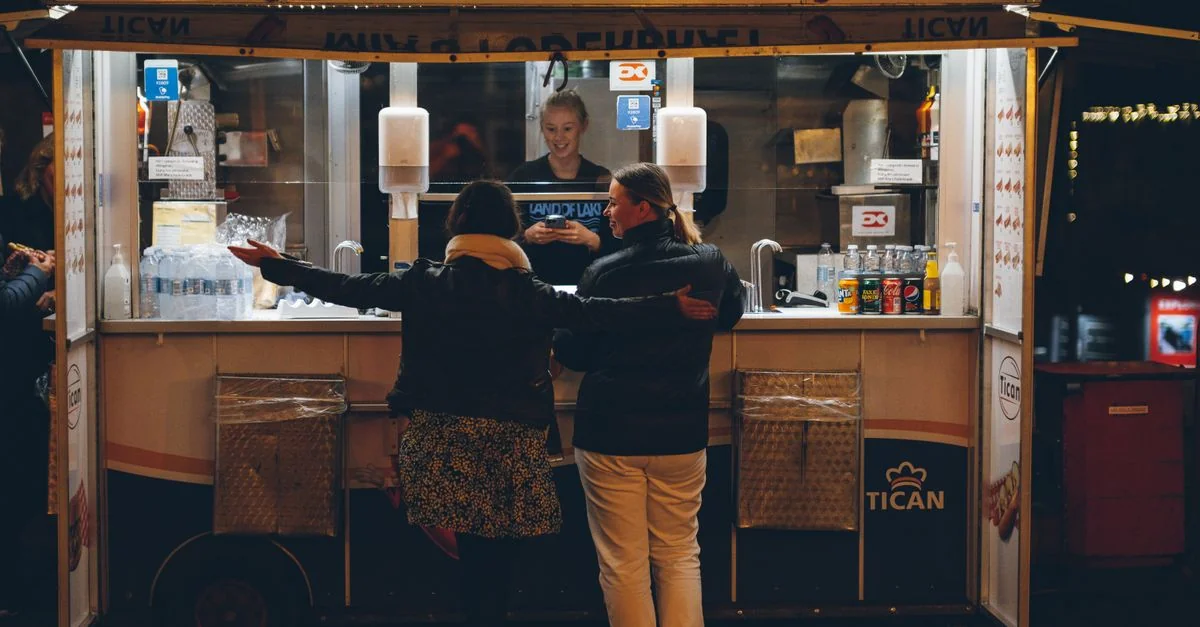
Street food options are somewhat limited compared to larger cities, but you can find stalls near the harbor selling fresh fish cakes or hot dogs, which are a popular quick meal for locals. Many restaurants in the city focus on “New Nordic” cooking, blending traditional ingredients with modern techniques. If you are on a budget, the local grocery stores are excellent resources. They carry high-quality dairy products and local bread, which are perfect for packing a lunch before heading out on a hike. Expect to find a range of dining experiences, from casual cafes that serve coffee and cake to formal restaurants that require reservations well in advance.
Getting Around Torshavn#
Navigating Torshavn is straightforward, as the city is compact enough to explore on foot. Most of the primary attractions, shops, and restaurants are concentrated within a fifteen-minute walk of the harbor. The streets are clean and pedestrian-friendly, though the weather can make walking uncomfortable during heavy rain or wind. When the weather turns, the city provides a free public bus service that covers the main residential areas and the city center. These buses are reliable and easy to use, making them an excellent choice for getting from one side of the city to the other without needing a car.
If you plan to explore the surrounding islands, renting a car is the most practical choice. While there is a network of buses and ferries that connect the major settlements, a rental car provides the freedom to stop at trailheads or viewpoints that are not served by public transport. Be prepared for narrow, winding roads and long tunnels that connect the islands. Some tunnels require a toll, which is often handled through your rental agency. If you prefer not to drive, taxis are available, though they can be quite expensive for long distances. Always check the ferry schedules in advance, as they are subject to change based on the tide and weather conditions.
Budget Breakdown#
Torshavn is not an inexpensive destination, and costs can add up quickly if you are not mindful of your spending. For budget travelers, expect to spend roughly $120 to $150 per day. This assumes you are staying in a shared room or a basic guesthouse, buying groceries for most of your meals, and relying on public transportation or walking. Activities like hiking are free, which helps keep costs down, but you will need to budget for the occasional ferry ticket or museum entrance fee.
Mid-range travelers should plan for a daily budget of $250 to $350. This tier allows for a private room in a comfortable hotel or apartment, a mix of cooking your own meals and dining out at local cafes, and the cost of a rental car for a few days of exploration. You will have more flexibility to participate in guided tours or visit paid attractions without feeling the need to track every dollar.
For luxury travelers, daily expenses can easily exceed $500 per day. This includes staying in the most established hotels, dining at the city’s top-rated restaurants, and hiring private guides for specialized excursions like boat tours or photography trips. Regardless of your budget, keep in mind that the cost of imported goods, including alcohol and certain food items, is high. Planning your trip during the shoulder season can help stretch your budget further, as accommodation rates often drop compared to the peak summer months.
Travel Tips for Torshavn#
Packing for Weather is perhaps the most important aspect of your preparation. You should always carry a waterproof jacket and sturdy, water-resistant hiking boots, regardless of the season. The weather in the Faroe Islands can change in a matter of minutes, and being dry is the difference between a pleasant walk and a miserable afternoon. Layers are your best friend; start with a moisture-wicking base layer and add wool or fleece, topped with a windproof shell. Even in the middle of summer, temperatures rarely climb high enough to justify light clothing.
Respecting Nature is a fundamental rule when exploring the landscape. The trails outside of the city often cross private land where sheep graze. Always stick to marked paths to avoid damaging the delicate moss and grass, and never leave trash behind. If you encounter a gate, make sure to close it behind you. The Faroese take great pride in their environment, and visitors are expected to treat the hills and cliffs with the same care as the locals.
Tipping Culture in the Faroe Islands is quite different from what you might be used to in the United States . Service charges are typically included in the price of your meal or hotel stay. While it is certainly appreciated to round up the bill for exceptional service, it is not expected or required. You will find that the service is professional and efficient, and you do not need to worry about calculating percentages at the end of a meal.
Connectivity is generally excellent, even in remote areas. You will find that most cafes and accommodations offer reliable internet access. If you plan on driving between islands, download offline maps before you leave the city. While the main roads are well-marked, the cellular signal can occasionally drop in the deeper tunnels or behind high mountain passes. Having a physical map or a downloaded version on your phone is a smart safety precaution.
Alcohol Regulations are worth noting if you plan on enjoying a drink. Alcohol is sold through state-run shops, which have limited operating hours. These stores are closed on Sundays and have specific hours during the week. If you want to purchase wine or spirits for your stay, check the hours of the local outlets early in your trip. Restaurants and bars serve alcohol, but prices are higher than what you might be accustomed to at home due to import taxes.
Safety Awareness is essential when you head into the mountains. The fog can roll in suddenly, reducing visibility to just a few feet. Never attempt to hike in the mountains if the weather forecast is poor or if there is a thick fog warning. If you are unsure about a trail, ask at the local tourist office. They can provide up-to-date information on trail conditions and help you decide if a particular route is safe for your level of experience. Always inform someone at your accommodation of your planned route and expected return time.
📌 Disclaimer
Prices, schedules, tour details, flight routes, visa requirements, and all other information on this page are based on data at the time of writing. Fares, availability, and policies may change. Please verify current details on the official website before booking.