📌 Disclaimer
Prices, schedules, tour details, flight routes, visa requirements, and all other information on this page are based on data at the time of writing. Fares, availability, and policies may change. Please verify current details on the official website before booking.
Why Visit Tel Aviv?#
The scent of salt spray mixes with roasting cumin and fresh mint every morning along the Mediterranean coast. This city operates on a Mediterranean rhythm that feels entirely distinct from the rest of the Middle East, blending Bauhaus architecture with a relentless beach culture. American travelers often arrive expecting a traditional Middle Eastern city and instead find a progressive metropolis where the beach is the central living room.
Tech startups share café tables with surfers drying off from morning waves, and the coastline stretches for miles with golden sand. It is a place that never quite goes to sleep, where neighborhood bakeries open before dawn and beach bars stay packed long after midnight. The atmosphere balances casual beachwear with sharp cosmopolitan energy, making it an easy destination for American visitors who want both relaxation and urban stimulation.
Beyond the shoreline, the city functions as an open-air design museum and a laboratory for modern Mediterranean living. Neighborhoods shift rapidly from narrow Ottoman-era alleyways to grid-patterned streets lined with white-plastered balconies. You can spend the morning examining architecture from the 1930s and the afternoon exploring contemporary art galleries, all while navigating a city that prioritizes outdoor living and social connection above formal schedules.
Best Time to Visit Tel Aviv#
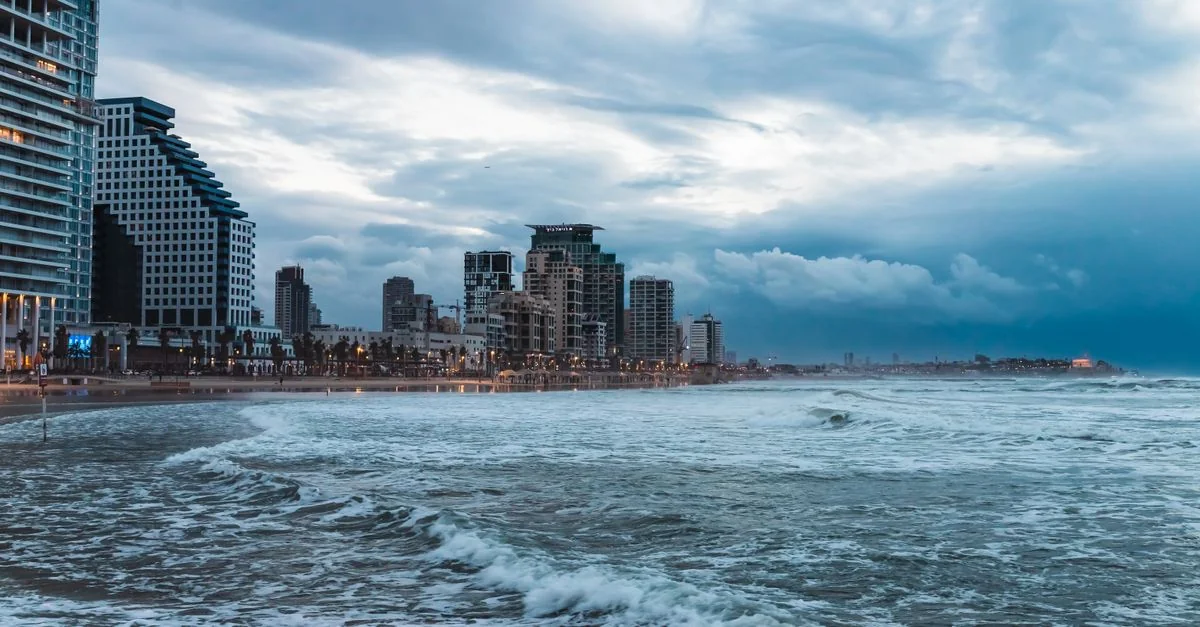
Spring, specifically from April to May, offers the ideal window for American travelers planning a trip. Daytime temperatures hover comfortably in the mid-70s Fahrenheit, the sea is warming up from winter, and the massive crowds of the peak summer months have not yet arrived. Hotel rates during these shoulder months remain moderate, and outdoor café seating is easy to secure without advance planning.
Summer stretches from June through September and brings intense humidity alongside temperatures consistently exceeding 80 degrees Fahrenheit. This period attracts the heaviest crowds, particularly in July and August when European and Israeli families take school holidays. Beachfront accommodations spike in price, and air conditioning becomes non-negotiable. However, this is also when the nightlife peaks, with beach parties running nearly around the clock.
Autumn arrives in October and November, offering a welcome drop in humidity while keeping the sea warm enough for swimming well into October. Prices begin to dip toward late autumn, and the streets feel notably calmer. Winter spans from December through March, bringing cooler days in the 50s and 60s Fahrenheit alongside the region’s primary rainfall. While swimming is off-limits for most, hotel prices drop to their lowest annual rates, and the city takes on a distinctly local, relaxed pace.
Where to Stay in Tel Aviv#
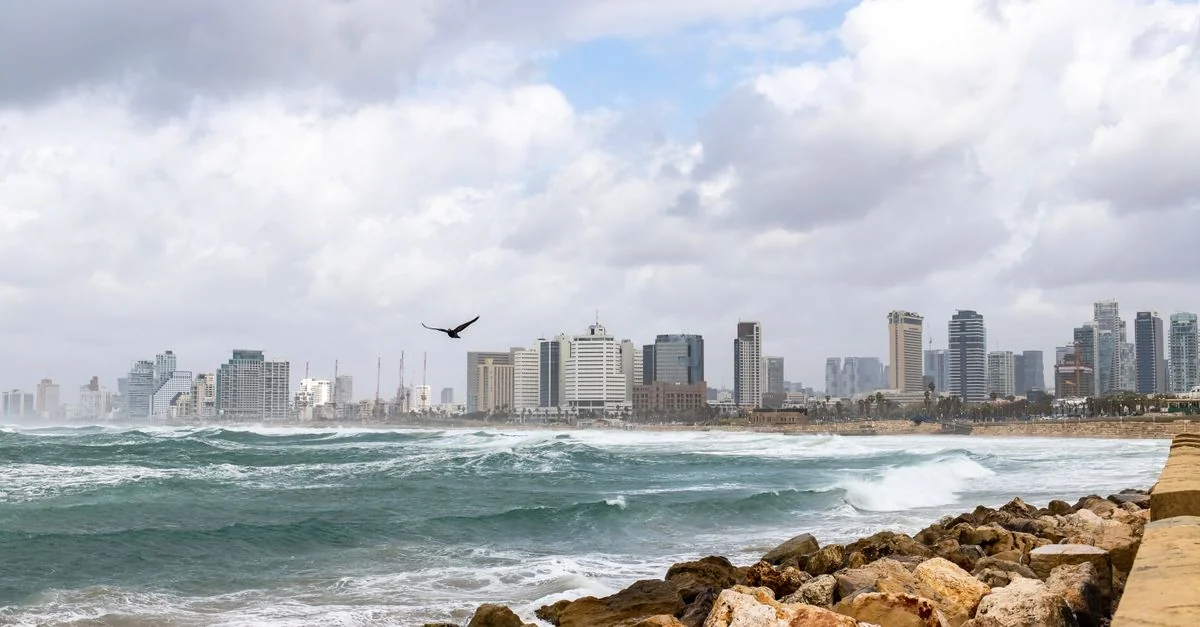
Choosing a neighborhood depends entirely on whether you prefer stepping straight onto the sand or sleeping near historic markets and creative alleyways. The beachfront zone along Herbert Samuel Street and Hayarkon Street places you directly across from the sea. This area features high-rise luxury properties and mid-range modern apartments. It suits travelers who want ocean views from their balconies and easy access to the boardwalk, though prices here sit at the highest end of the city spectrum.
Just inland from the water, the historic district of Neve Tzedek offers a quieter, village-like atmosphere with narrow streets and restored nineteenth-century buildings. This neighborhood features boutique guesthouses and upscale rental apartments that lean toward the luxury tier, though some smaller historic inns offer mid-range options. It appeals to visitors interested in design boutiques, quiet café courtyards, and a slower pace while remaining within walking distance of the beach.
Further south, Florentin attracts a younger crowd with its gritty charm, street art, and industrial architecture. Accommodation here largely consists of budget-friendly guesthouses, bohemian rental flats, and a few mid-range design hotels. The neighborhood operates as a creative hub with late-night bars and indie music venues, making it ideal for travelers prioritizing nightlife and local character over beach proximity.
For a central location that bridges the historic and the modern, the area surrounding Rothschild Boulevard puts you right in the commercial and architectural heart of the city. Mid-range boutique hotels and upscale urban apartments dominate this boulevard, shaded by towering ficus trees. Staying here means you can walk to major museums, famous food markets, and the central business district with ease.
Top Things to Do in Tel Aviv#
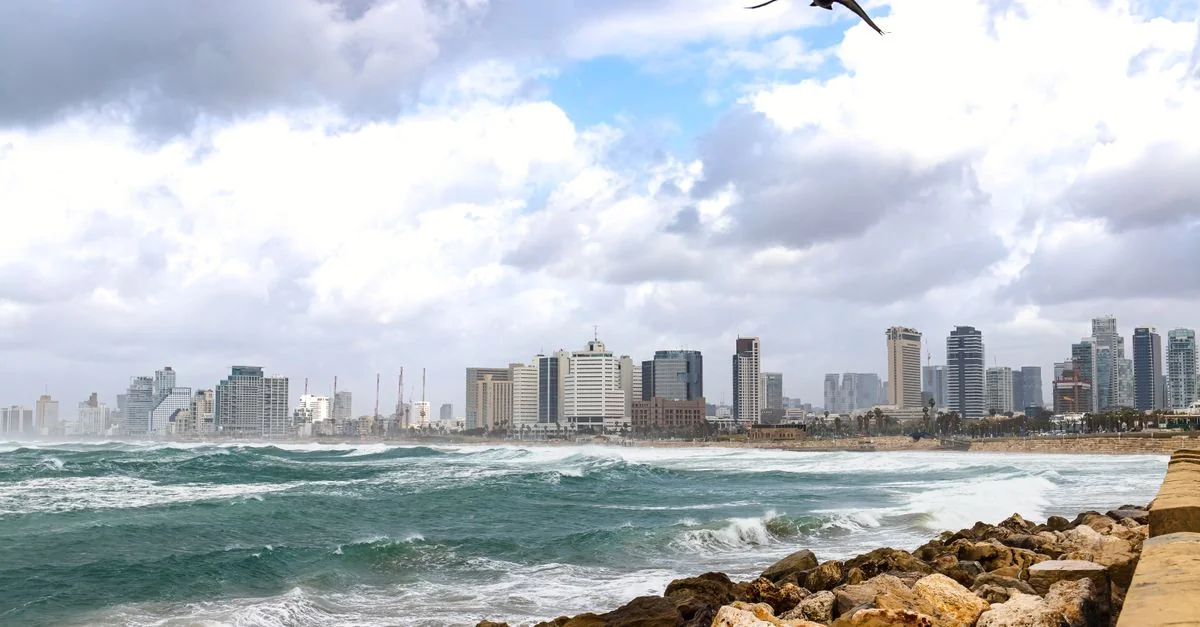
Start your exploration at Carmel Market, where vendors shout over stalls piled high with fresh dates, glossy olives, and fragrant spices. This open-air bazaar forms the sensory core of the city, pulling you through narrow walkways packed with locals doing their weekly grocery shopping and visitors sampling fresh falafel. Just a short walk away, the ancient port of Jaffa offers a complete contrast with its honey-colored stone alleyways and panoramic views back toward the modern city skyline. Artists’ studios and workshops now occupy the old warehouses, making it an ideal place to spend an afternoon browsing ceramics and jewelry.
Architecture enthusiasts should dedicate time to walking along Rothschild Boulevard, where the world’s largest concentration of Bauhaus buildings stands under the shade of mature trees. These asymmetrical, white-plastered structures from the 1930s earned the area recognition as a UNESCO World Heritage site. For a deep dive into local history and modern art, the Tel Aviv Museum of Art houses an impressive collection of Israeli works alongside international heavyweights like Picasso and Monet, all set within a striking geometric concrete building.
When you need a break from the urban pace, head to Yarkon Park, the sprawling green lung that follows the river of the same name. Locals gather here on weekends to picnic, rent paddleboats, or cycle along the paved paths that lead right down to the sea. For a more structured afternoon of walking, Nahalat Binyamin Arts and Crafts Fair operates on Tuesdays and Fridays, transforming a central pedestrian street into an outdoor gallery featuring handmade leather goods, glassware, and local textiles crafted by independent artisans.
Toward the northern end of the coast, Port of Tel Aviv provides a wide wooden boardwalk curved around a historic harbor basin, now packed with design shops, juice bars, and seafood restaurants overlooking the waves. Finally, no visit is complete without spending a lazy afternoon at Gordon Beach, one of the central stretches of sand where locals play paddleball, swim in the saltwater pool, and watch the sun dip below the Mediterranean horizon.
Food and Dining Guide#
The local food scene revolves around fresh produce, aromatic herbs, and communal dining traditions influenced by Mediterranean and Middle Eastern roots. Breakfast is a sacred ritual here, best experienced through a plate of Shakshuka, consisting of eggs poached in a simmering, spiced tomato and pepper sauce, served with thick crusty bread to mop up the pan. You will find this dish on almost every morning menu, from casual beach shacks to upscale urban bistros.
Street food culture is exceptional, anchored by Hummus, which locals treat not as a dip but as a main meal. Smooth, warm chickpea puree is topped with olive oil, whole chickpeas, and sometimes spiced ground meat, served alongside raw onions and pita bread for scooping. Another daily staple is Falafel, crispy chickpea fritters tucked into pita pockets with cabbage, pickles, and a generous drizzle of tahini. For a quick lunch on the go, Bourekas—flaky pastry triangles stuffed with salty cheese, spinach, or mashed potato—fill display cases in every bakery across town.
Sitdown dining ranges from casual neighborhood hummus bars to ambitious restaurants that reinvent traditional recipes using modern techniques. Neighborhood spots often operate with minimal English menus, relying instead on friendly pointing and shared plates of grilled meats, herb salads, and dips. Reservations are essential for popular dinner spots along Rothschild Boulevard, where the culinary scene operates at a high international level.
Getting Around Tel Aviv#
Navigating the city is straightforward due to its flat terrain and compact grid system. Walking remains the best way to absorb the neighborhood details, particularly between the central boulevards and the beachfront. For longer distances, the municipal bike-sharing system provides access to bicycles docked at stations across the city, utilizing a network of dedicated bike lanes that run along major streets and the coastal promenade.
Public buses operated by cooperative companies cover every corner of the metropolis. To ride the buses, you will need a loaded transit card or a mobile app, as cash is no longer accepted on board. Taxis are widely available and can be hailed on the street or booked through ride-hailing apps, which prevents language barriers regarding destinations. Taxis operate on meters within the city limits, though fares increase slightly at night and on weekends.
Renting a car for a stay within the city limits is generally discouraged due to dense traffic, scarce street parking, and high garage fees. If you plan to use Tel Aviv as a base for day trips to other regions, pick up a rental car only on the day you leave the city, ensuring you avoid urban driving headaches entirely.
Budget Breakdown#
Planning your daily expenses helps manage costs in a city where prices often match major Western European capitals. For budget travelers staying in hostel dormitories or basic guesthouses, eating simple street food like falafel and hummus, and relying on walking or public transit, daily costs typically range from $60 to $100 per day.
Mid-range travelers staying in standard boutique hotels or private apartments, enjoying a mix of casual restaurants and sit-down dinners, and taking occasional taxis can expect to spend between $150 and $300 daily. This tier allows for museum admissions, rented beach chairs, and comfortable urban exploration without strict financial monitoring.
Luxury travelers booking upscale beachfront suites, dining at high-end destination restaurants, and utilizing private transport or luxury tours will see daily expenses starting around $400 and climbing significantly higher. Accommodation forms the largest variable in this tier, as prime coastal real estate commands premium nightly rates.
Travel Tips for Tel Aviv#
Language and Communication is rarely an obstacle for American visitors. English is spoken fluently by the vast majority of residents, from restaurant servers and taxi drivers to front desk staff and young locals on the street, making navigation and casual interactions remarkably smooth.
Cultural Norms and Dress Code lean casual due to the hot climate and beach lifestyle. T-shirts, shorts, and sandals are appropriate for almost any daytime activity. However, if you plan to visit religious sites in nearby historical areas, packing clothing that covers your shoulders and knees is necessary out of respect for local customs.
Shabbat Schedule is an important factor to understand before your trip. From sunset on Friday until nightfall on Saturday, public transportation halts, and many businesses, shops, and restaurants close for the weekly day of rest. While coastal areas and certain neighborhoods remain active with open restaurants and running taxis, planning your transit and grocery shopping ahead of the weekend prevents unexpected disruptions.
Tipping Culture is standard in sit-down restaurants, where leaving ten to fifteen percent is customary for good service. Bartenders and delivery workers also appreciate small tips, though tipping is not expected in casual fast-food stands or street-food stalls where you order at the counter.
Safety and Security is managed with visible caution throughout public spaces, including security checks at the entrances of malls, museums, and larger public buildings. American travelers will notice armed security personnel at various checkpoints, which is a normal part of daily infrastructure and rarely disrupts normal movement.
Payment Methods favor electronic transactions over cash. Credit and debit cards are accepted nearly everywhere, from high-end boutiques to beach kiosks selling ice cream. Carrying a small amount of local currency is useful only for tipping street musicians or purchasing small items at traditional outdoor markets.
📌 Disclaimer
Prices, schedules, tour details, flight routes, visa requirements, and all other information on this page are based on data at the time of writing. Fares, availability, and policies may change. Please verify current details on the official website before booking.