📌 Disclaimer
Prices, schedules, tour details, flight routes, visa requirements, and all other information on this page are based on data at the time of writing. Fares, availability, and policies may change. Please verify current details on the official website before booking.
Why Visit Taormina?#
The scent of crushed caper leaves and salted lemons drifts upward from coastal terraces as church bells echo across the stone valley. Taormina perches on a dramatic cliffside ledge high above the Ionian Sea, offering American travelers a classic Sicilian escape where ancient history meets modern Mediterranean ease. Mount Etna looms to the south, its snowy or ash-dusted peak providing a striking backdrop to medieval alleyways and sun-bleached palazzos.
Visitors find a rare balance here between active exploration and slow-paced relaxation. Mornings typically begin with espresso at a sidewalk table before wandering through public gardens or touring Greco-Roman ruins that frame the endless blue horizon. The town operates at a graceful tempo, inviting travelers to linger over long lunches, browse local ceramics shops, and watch the evening passeggiata unfold along the main pedestrian thoroughfare.
Best Time to Visit Taormina#
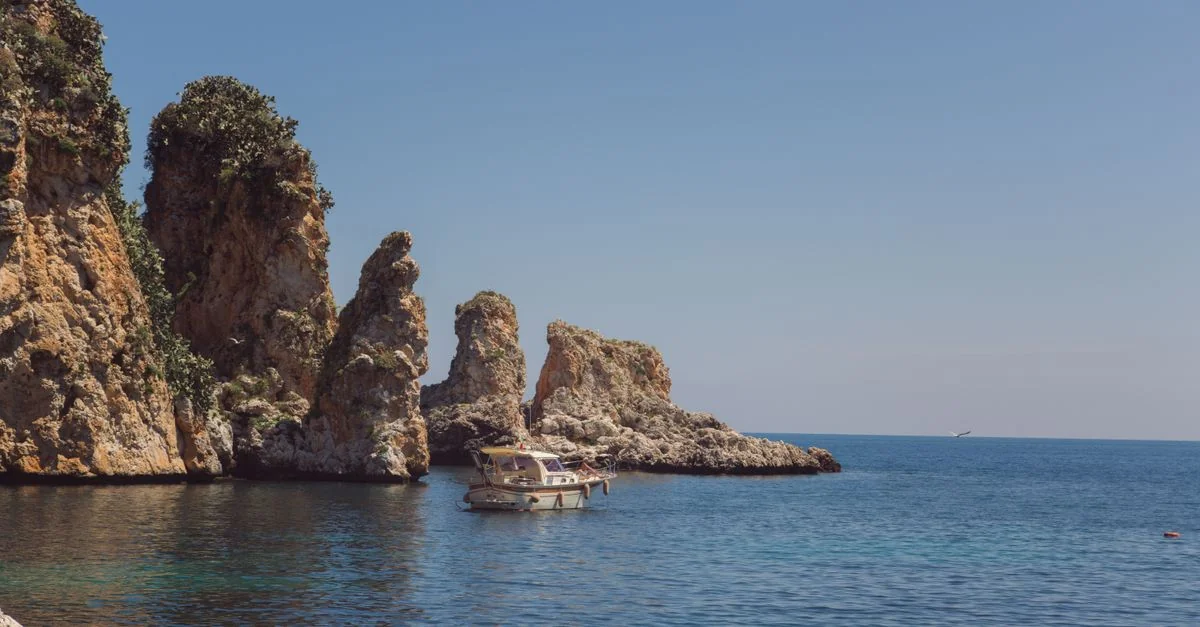
Planning your trip around seasonal weather and crowd patterns ensures a much smoother Sicilian vacation. Spring, spanning from April through May, brings comfortable daytime temperatures and wildflower blooms across the hillsides without the intense heat of mid-summer. Tourism numbers remain moderate during these months, and accommodation rates offer solid value compared to peak season highs.
Summer stretches from June through August, bringing hot, sun-drenched days and heavy crowds. July and August see peak European and American vacation traffic, resulting in fully booked hotels, higher nightly rates, and lively streets that stay active late into the evening. Travelers who prefer warm swimming weather and busy beach clubs will appreciate this period, though midday sightseeing requires planning around the strongest sun.
Autumn arrives in September and October, offering arguably the most pleasant travel conditions of the year. The sea remains warm enough for swimming through September, and vineyard harvests take place across the surrounding countryside. Crowds thin significantly by mid-October, and prices for lodging drop noticeably, though occasional rain showers begin to appear.
Winter, running from November through March, brings quiet streets and cooler weather, with daytime temperatures hovering in the mild range. Many resort hotels and coastal beach establishments close for the season, but town restaurants and historic sites remain open for travelers seeking peace and lower lodging costs.
Where to Stay in Taormina#
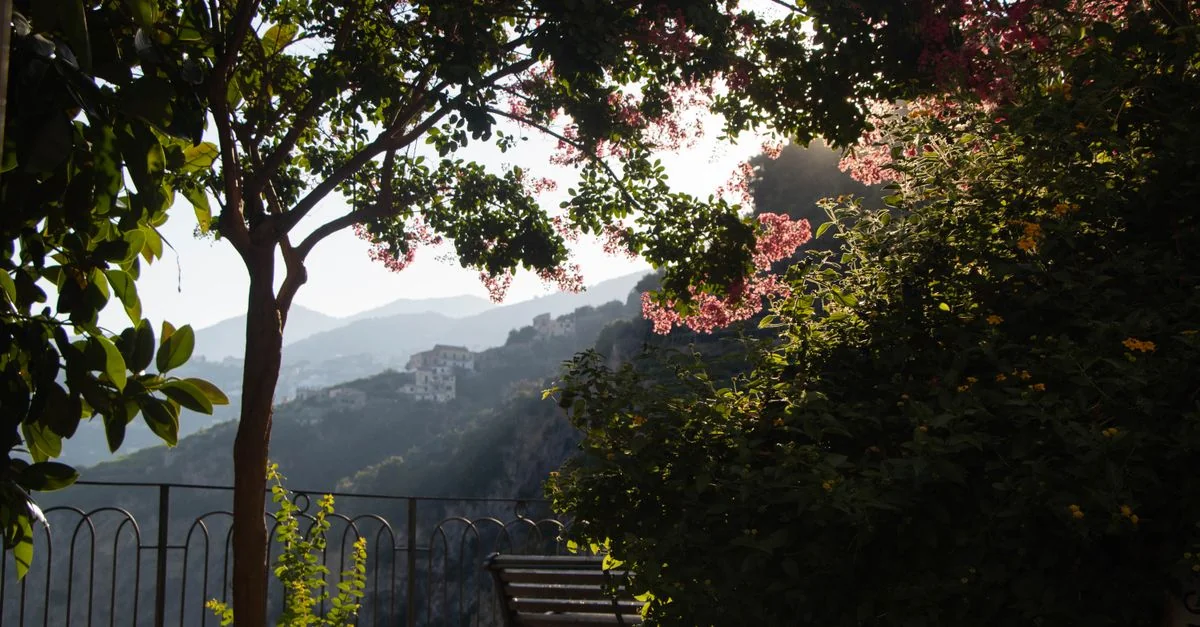
Choosing where to lay your head depends largely on your travel style and budget preferences. The Historic Center, stretching along the main pedestrian corridor, places visitors right in the middle of historic architecture, boutique shops, and evening social life. Accommodations here range from upscale historic townhouses to mid-range family-run inns. Staying in the center means you can step outside your door directly into the evening promenade, though street noise can occasionally carry into late hours during peak summer.
For travelers prioritizing sea views and beach access, the coastal fringe below the main town, accessible by a frequent cable car, offers a different atmosphere. This seaside tier features mid-range beach hotels and upscale resort properties situated right along the rocky coves. It suits travelers who want to spend their days swimming and sunbathing while making occasional trips up the cliff for dinner and sightseeing.
The surrounding hillside neighborhoods above the main town cater to travelers seeking quiet retreats and panoramic vistas. This area features upscale villa rentals and boutique properties surrounded by olive groves and citrus trees. While these spots require a short taxi ride or a longer walk to reach the town center, they reward visitors with unmatched tranquility and sweeping views of the coastline.
Top Things to Do in Taormina#
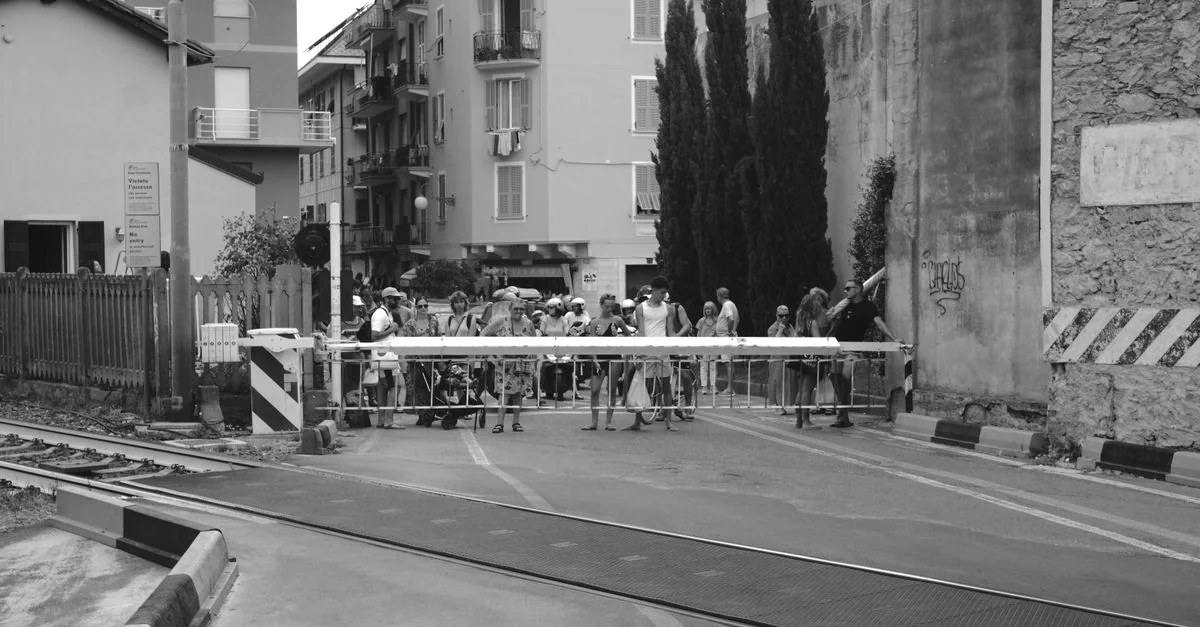
Start your explorations at the Ancient Theatre of Taormina, an iconic horseshoe-shaped ruin carved directly into the rock that frames distant views of the Ionian Sea and Mount Etna. Performances still take place here, and walking through the ancient stone seating transports you straight back to classical antiquity. From the theater, stroll along Corso Umberto, the main pedestrian artery lined with medieval stone facades, pastry shops, and artisan boutiques. This street serves as the social spine of the town, perfect for window shopping and people-watching over a granita.
Step away from the main drag to explore the Villa Comunale, a public park established by a nineteenth-century Scottish noblewoman. The shaded pathways wind past whimsical brick follies, exotic plants, and quiet overlooks facing the water. For a change of scenery, take the cable car down to Mazzaro Bay, where pebble beaches and clear water invite afternoon swimming. Just a short walk from the beach leads to Isola Bella, a tiny nature reserve connected to the mainland by a narrow gravel spit that disappears at high tide.
Venture beyond the immediate town limits to experience the rugged slopes of Mount Etna Regional Park, reachable via guided day trips or rental cars. Hiking trails weave through ancient lava flows, black ash fields, and chestnut forests. Back in town, seek out the Palazzo Corvaja, a defensive tower and palace complex that showcases a blend of Arab, Norman, and Gothic architectural styles. Finish your sightseeing loop at the Chiesa di San Pancrazio, a small church built over the foundations of an ancient Greek temple dedicated to Jupiter, offering a quiet interior away from the busier shopping streets.
Food and Dining Guide#
Sicilian cuisine relies heavily on fresh seafood, sun-ripened vegetables, and aromatic herbs cultivated in the volcanic soil. Start your mornings with granita, a semi-frozen dessert flavored with almond, coffee, or wild mulberry, served alongside a warm, flaky brioche bun for dipping. Street food vendors and local bakeries serve arancini, deep-fried rice balls stuffed with ragu, peas, and melted cheese, making an ideal and filling lunch on the go.
For sit-down dining, look for pasta alla norma, a regional specialty featuring rigatoni tossed with fried eggplant, rich tomato sauce, salted ricotta cheese, and fresh basil. Seafood lovers should order pesce spada a schiticchio, featuring fresh swordfish grilled with breadcrumbs, capers, and lemon juice. Save room for cannoli, crispy pastry shells filled with sweet ricotta cream and dotted with pistachios or candied citrus peel, best enjoyed alongside a short espresso.
Casual trattorias tucked into side alleys offer hearty, traditional plates at reasonable prices, while upscale restaurants near the cliff edges pair gourmet tasting menus with dramatic sunset views over the water. Booking dinner tables in advance is strongly recommended during the warmer months, especially for venues with panoramic terraces.
Getting Around Taormina#
Navigating the town requires a blend of walking, public transit, and patience with steep inclines. The historic center is entirely pedestrianized, making walking the primary and most enjoyable way to explore the winding lanes and staircases. However, the town sits high above the coast, meaning getting down to the sea requires mechanical assistance.
The local cable car connects the upper town to the coastal zone near Mazzaro in just a few minutes, running frequently throughout the day and evening. Regional buses operate from the main terminal on the edge of town, connecting Taormina to neighboring coastal towns, Catania airport, and nearby historic cities like Messina and Syracuse .
Taxis are readily available near the main gates and squares, though rates are generally high due to the terrain and tourist demand. Confirming fares with the driver before setting off prevents any misunderstandings. Renting a car is useful for exploring rural towns and Mount Etna, but parking inside Taormina is extremely limited and expensive. Travelers driving rental cars should utilize the large multi-story parking garages located just outside the pedestrian zone rather than attempting to navigate the narrow historic center.
Budget Breakdown#
Planning your expenses helps align your expectations with the local travel economy. Budget travelers staying in modest guesthouses outside the immediate center, eating street food and casual pizzeria meals, and relying on public buses will find daily costs manageable. Accommodation takes up the largest share, followed by affordable local dining and low-cost attraction entry fees.
Mid-range travelers typically book comfortable rooms in the historic center or near the beach, enjoy sit-down lunches and dinners at traditional trattorias, use the cable car and occasional taxis, and pay for guided day trips or theater tickets. This tier balances comfort with cultural exploration, requiring a moderate daily expenditure.
Luxury travelers staying in five-star cliffside resorts, dining at upscale restaurants with sea-view terraces, hiring private drivers for Mount Etna excursions, and booking private boat charters around Isola Bella will experience the highest spending tier. Premium lodging, fine dining, and private transport drive costs up significantly during peak summer months.
Travel Tips for Taormina#
Dressing appropriately matters when visiting local churches and historic monasteries, where shoulders and knees must be covered. Packing a lightweight scarf or linen wrap in your day bag allows you to easily adapt your outfit before stepping inside sacred spaces.
Midday closures remain common among smaller family-owned shops and markets. Many independent businesses close between afternoon and early evening, so plan your shopping errands for the morning hours or late afternoon after the heat breaks.
Tipping etiquette in Sicily differs from American norms. Service charges are sometimes included on restaurant bills, and leaving a few euros in cash for exceptional table service is appreciated rather than calculating a percentage-based tip.
Navigating steps and slopes requires sensible footwear. The town features steep stone stairways, uneven cobblestones, and uphill walks, making supportive walking shoes essential for daily sightseeing. Leave high heels at home unless you plan to remain entirely within a single hotel venue.
Water awareness is straightforward, as tap water is generally safe to drink, though many locals and restaurants prefer bottled spring water. Always verify that water is included or charged separately when ordering at sit-down dining establishments.
Reservations for dining make a major difference during peak travel periods. Popular terrace restaurants fill up weeks in advance for sunset hours, so secure your table bookings online before leaving home if you have specific culinary spots on your itinerary.
📌 Disclaimer
Prices, schedules, tour details, flight routes, visa requirements, and all other information on this page are based on data at the time of writing. Fares, availability, and policies may change. Please verify current details on the official website before booking.