📌 Disclaimer
Prices, schedules, tour details, flight routes, visa requirements, and all other information on this page are based on data at the time of writing. Fares, availability, and policies may change. Please verify current details on the official website before booking.
Photo by Raul Kozenevski on Pexels
Why Visit Tallinn?#
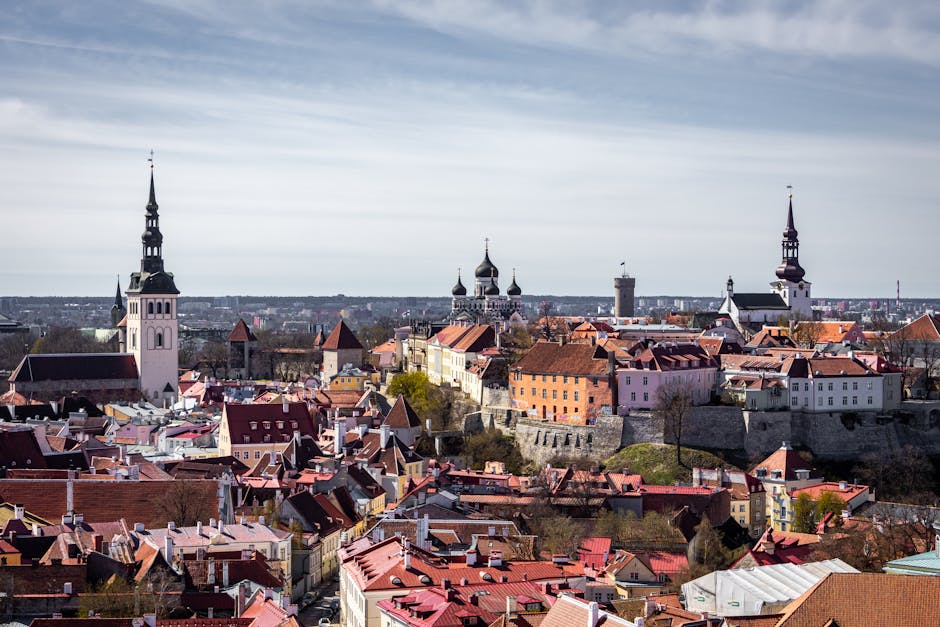
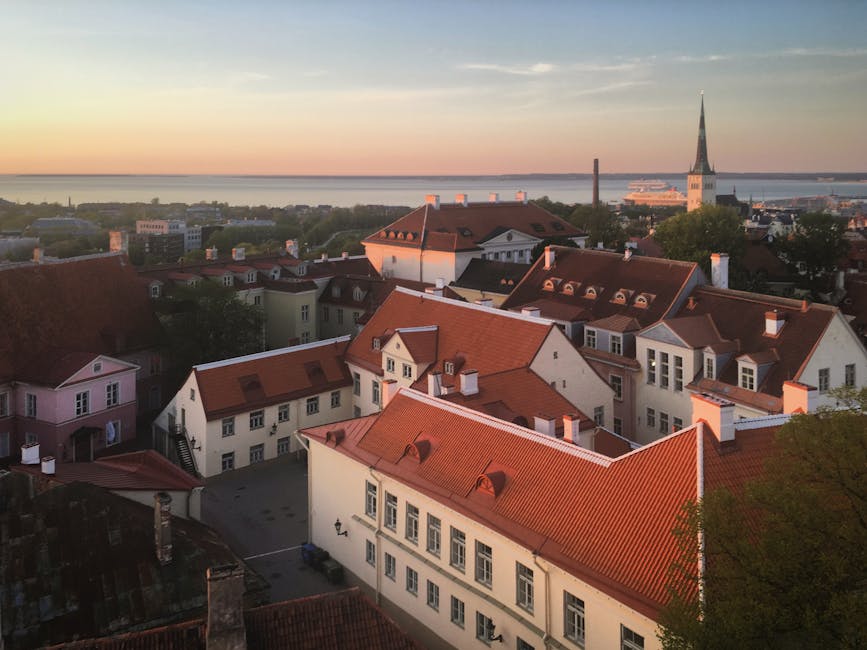
Tallinn, the capital of Estonia, is a hidden gem in Northern Europe that seamlessly blends medieval charm with modern vibrancy. With its picturesque cobblestone streets, stunning architecture, and a lively cultural scene, Tallinn offers a unique experience for travelers. The city is known for its well-preserved Old Town, a UNESCO World Heritage site, where you can wander through narrow alleyways and marvel at Gothic spires. The juxtaposition of ancient history and contemporary life creates an atmosphere that is both enchanting and invigorating.
Beyond the historical allure, Tallinn is a hub of innovation and creativity. The city has a burgeoning tech scene and is often referred to as the “Silicon Valley of Europe.” This spirit of innovation is reflected in the city’s art, music, and culinary offerings. Whether you’re exploring local markets, enjoying the thriving café culture, or participating in festivals, Tallinn presents a wealth of experiences that cater to all interests and budgets.
Best Time to Visit Tallinn#

Tallinn is a year-round destination, but the best time to visit largely depends on your preferences for weather, crowd levels, and pricing.
Spring (March to May): Spring sees the city waking up from its winter slumber. March can still be chilly, but by May, temperatures typically range from 45°F to 65°F. This is a great time to visit if you want to avoid the summer crowds while enjoying blooming parks and gardens. Prices for accommodations are generally lower than in peak season.
Summer (June to August): The summer months are the most popular for tourists, with temperatures ranging from 60°F to 75°F. The city buzzes with festivals, outdoor events, and a lively atmosphere. However, expect larger crowds and higher prices for accommodations and attractions. If you enjoy vibrant street life and numerous cultural events, summer is ideal.
Fall (September to November): Early fall is beautiful in Tallinn, with mild temperatures and stunning autumn foliage. September is particularly pleasant, with average temperatures around 55°F to 65°F. As the tourist season winds down, prices drop, making it a budget-friendly option.
Winter (December to February): Winter in Tallinn can be cold, with temperatures often dipping below freezing. However, the city transforms into a winter wonderland, especially during the holiday season with Christmas markets and festive decorations. If you don’t mind the cold, this is a magical time to visit, and you can often find great deals on accommodations.
Where to Stay in Tallinn#
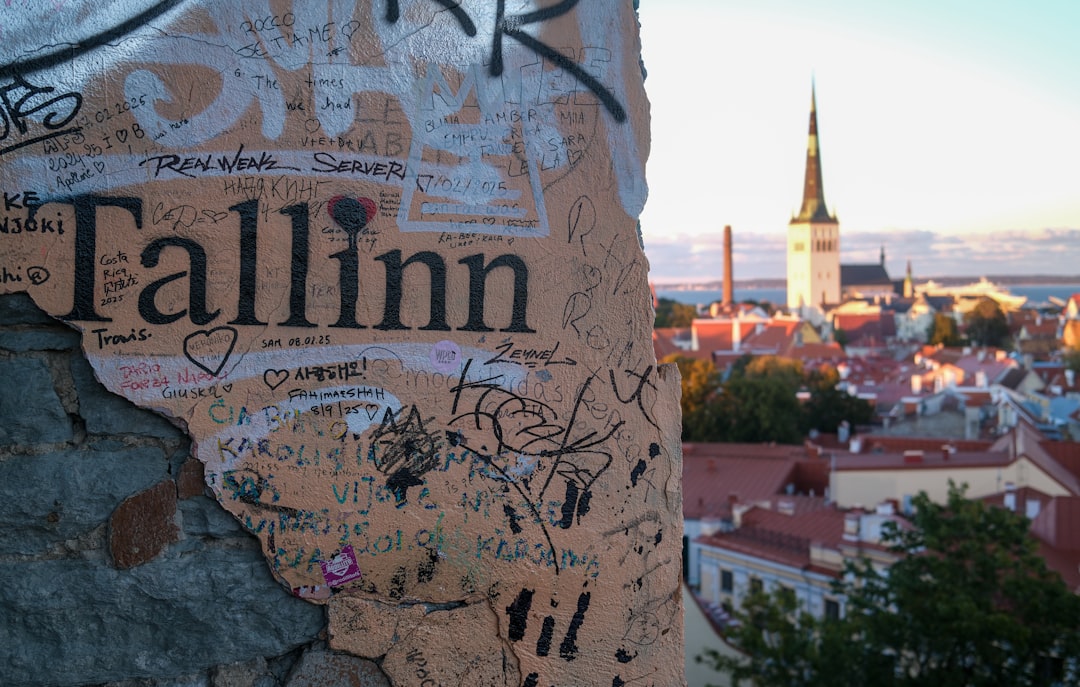
Finding the right place to stay is crucial for a budget-friendly trip. Tallinn offers a variety of neighborhoods catering to different budgets.
Budget: Look for accommodations in the Kalamaja district, known for its colorful wooden houses and artistic vibe. This area is close to the Old Town and offers hostels and guesthouses at reasonable rates, typically starting around $30-50/night.
Mid-Range: The Rotermann Quarter is a trendy, revitalized area near the Old Town, featuring modern architecture and a range of mid-range hotels. This neighborhood is convenient for exploring the city and has many dining options, with prices averaging around $80-150/night.
Luxury: For a more upscale experience, consider staying in the heart of the Old Town. Here, you’ll find elegant hotels that offer a glimpse into Tallinn’s rich history and stunning views. Luxury accommodations typically range from $150-300/night, depending on the season.
Local Experience: If you want a more local experience, check out the residential areas like Kadriorg, where you can find charming Airbnb options that allow you to live like a local while still being close to the city center.
Top Things to Do in Tallinn#
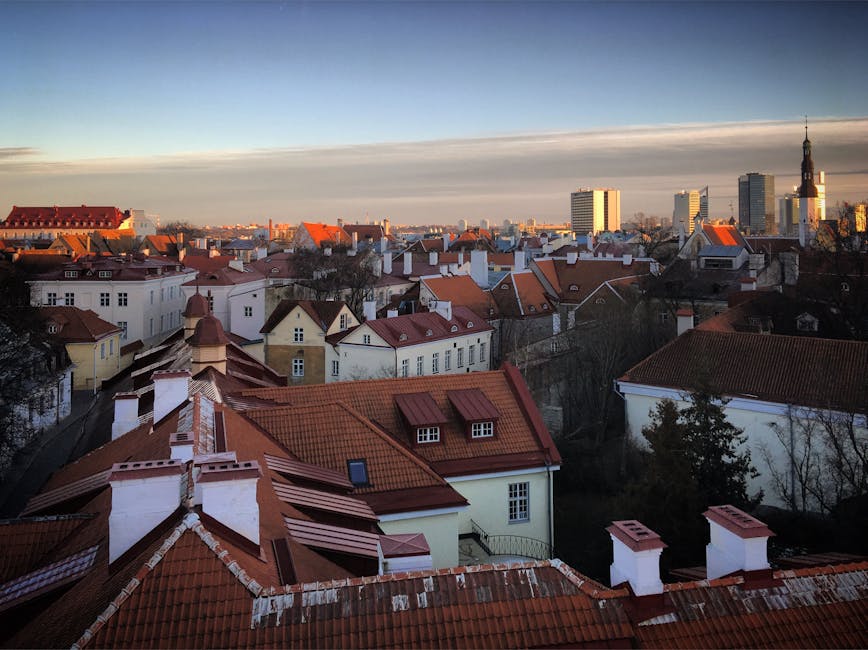
Tallinn Old Town: Start your exploration in the enchanting Old Town, where medieval buildings, cobblestone streets, and vibrant squares await. Don’t miss the Town Hall Square, which is the heart of the city.
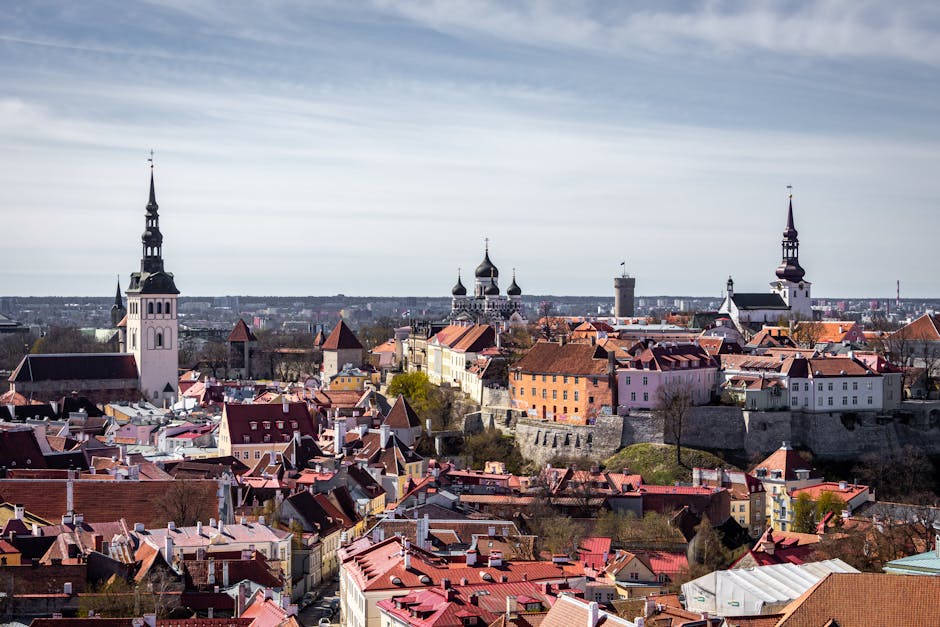
Toompea Hill: Climb Toompea Hill for panoramic views of Tallinn. Here, you can visit the impressive Alexander Nevsky Cathedral and the Estonian Parliament building, both showcasing stunning architecture.
Kadriorg Palace: This beautiful baroque palace, built by Peter the Great, is surrounded by lovely gardens. It houses the Art Museum of Estonia, featuring both classical and contemporary art.
Telliskivi Creative City: A former industrial complex turned creative hub, this area is home to galleries, shops, and eateries. It’s a great place to discover local art and culture.
Seaplane Harbour: Dive into Estonia’s maritime history at this fascinating museum, featuring interactive exhibits and historic ships. It’s a fun outing for families and history buffs alike.
Patarei Sea Fortress: This former sea fortress and prison offers a haunting glimpse into Estonia’s past. While it’s not as polished as other attractions, its raw history is compelling.
Tallinn TV Tower: For the best views of the city and beyond, visit the Tallinn TV Tower. You can even go for a thrilling walk on the tower’s observation deck.
Kumu Art Museum: Located in Kadriorg Park, Kumu is the largest art museum in Estonia, showcasing Estonian art from the 18th century to contemporary works.
Rocca al Mare Open-Air Museum: Experience Estonian rural life at this open-air museum, featuring traditional buildings and demonstrations of local crafts.
Local Markets: Don’t miss the chance to explore local markets like the Balti Jaama Turg. Here, you can taste local delicacies and shop for handmade crafts.
Food and Dining Guide#
Tallinn’s culinary scene is a delightful mix of traditional Estonian cuisine and modern gastronomy. Be sure to try these local specialties:
Black Bread: A staple of Estonian cuisine, this dense rye bread is often served with butter or alongside meals. It’s a must-try for any visitor.
Kohuke: This sweet curd snack comes in various flavors and is a beloved treat among locals. You’ll find it at many cafés and grocery stores.
Pork with Sauerkraut: A traditional dish in Estonia, this hearty meal is often served with potatoes. Look for it in local restaurants for an authentic experience.
Marinated Herring: A popular appetizer, marinated herring is served in various styles and is commonly found in local markets and dining establishments.
Street Food: For a budget-friendly option, try the food stalls near the Town Hall Square. You’ll find everything from grilled sausages to local pastries.
When dining out, you can choose from casual cafés to more upscale restaurants. Many eateries offer lunch specials, which can be a great way to enjoy a meal without overspending.
Getting Around Tallinn#
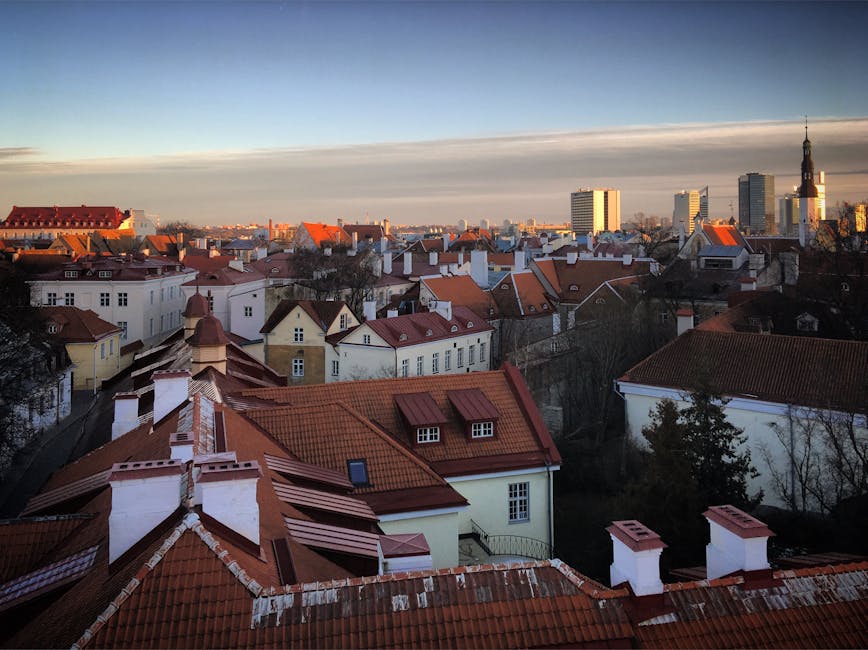
Tallinn is a compact city, making it easy to explore on foot. However, there are several other transportation options available:
Walking: The best way to experience Tallinn’s charm is by strolling through its streets. Most attractions in the Old Town are within walking distance of each other.
Public Transit: Tallinn has an efficient public transportation system, including buses, trams, and trolleys. A single ticket is affordable, and you can purchase a day pass for unlimited travel.
Bicycles: Cycling is a popular way to explore Tallinn. You can rent bikes from various shops, and there are dedicated bike lanes in many areas.
Taxis and Rideshares: While taxis are available, they can be more expensive than public transit. Rideshare apps are also an option, providing a convenient way to get around.
Rental Cars: If you plan to venture outside the city, renting a car could be beneficial. However, parking in the city can be challenging and often requires payment.
Budget Breakdown#
Creating a budget for your trip to Tallinn will help you manage your expenses effectively. Here’s a rough estimate of daily costs for different types of travelers:
Budget Travelers: Expect to spend around $50-80 per day. This includes hostel accommodations, street food, public transport, and free or low-cost attractions.
Mid-Range Travelers: A daily budget of $100-200 is reasonable. This allows for staying in mid-range hotels, dining at local restaurants, and enjoying a mix of paid attractions and experiences.
Luxury Travelers: If you’re looking for a more luxurious experience, budget around $250-500 per day. This would cover upscale accommodations, fine dining, and guided tours.
Travel Tips for Tallinn#
Safety: Tallinn is generally safe for travelers, but like any city, be mindful of your belongings and avoid poorly lit areas at night.
Tipping: Tipping is appreciated but not mandatory. A 10% tip is customary in restaurants if the service is good.
Language: While Estonian is the official language, many locals speak English, especially in tourist areas. Learning a few basic phrases in Estonian can enhance your experience.
SIM Cards: If you need mobile data, consider purchasing a local SIM card upon arrival. This will help you navigate the city easily and stay connected.
Scams to Avoid: Be cautious of overly friendly strangers offering unsolicited help or tours, as they may have ulterior motives. Stick to official tour operators for a safe experience.
Currency: Estonia uses the Euro, making it easy for American travelers to budget. Credit cards are widely accepted, but having some cash for small purchases is advisable.
Cultural Etiquette: Estonians value punctuality and privacy. When meeting locals, a friendly smile and a respectful greeting go a long way.
Tallinn is a captivating city that offers a wealth of experiences without straining your wallet. With its rich history, vibrant culture, and affordable options, you can explore Tallinn on a budget and create unforgettable memories. If you’re also considering a trip to Cinque Terre, Italy , check out our guide for more travel insights!