📌 Disclaimer
Prices, schedules, tour details, flight routes, visa requirements, and all other information on this page are based on data at the time of writing. Fares, availability, and policies may change. Please verify current details on the official website before booking.
Complete Travel Guide to Stockholm: Top Attractions, Tips & Itinerary#
The scent of roasted coffee and salted sea air drifts through the narrow cobblestone alleys of the old town as the morning sun hits the orange-hued facades. Stockholm is a city built on fourteen islands, where the water isn’t just a backdrop but the very center of daily life. For an American traveler, the first thing that strikes you is the seamless blend of high-tech efficiency and deep historical roots. It is a place where you can ride a futuristic subway system and then walk five minutes to a medieval square.
What makes Stockholm stand out is its relationship with nature. Unlike many European capitals that feel like concrete jungles, Stockholm integrates green spaces and waterways into every neighborhood. You will find people swimming in the Baltic Sea during the summer and skating on frozen ponds in the winter. The city operates with a quiet, organized confidence, offering a level of cleanliness and safety that makes navigating a foreign country feel effortless.
Why Visit Stockholm?#
Stockholm offers a unique perspective on Scandinavian living, focusing on balance and design. The concept of lagom—meaning “just the right amount”—is evident everywhere, from the minimalist architecture to the relaxed pace of the cafes. For those who appreciate art and history, the city provides a top-quality collection of museums that avoid the suffocating crowds found in Paris or London . It is a destination for people who want the European experience without the stress of overtourism.
The city is also a leader in sustainability, making it an ideal spot for travelers who prefer walking or cycling over idling in traffic. Whether you are exploring the royal palaces or taking a ferry to a remote archipelago island, the logistics are intuitive. The Swedish people are generally fluent in English, which removes the language barrier and allows for genuine interactions with locals. It is a city that rewards curiosity, encouraging you to wander off the main paths to find a quiet courtyard or a waterfront bench.
Best Time to Visit Stockholm#
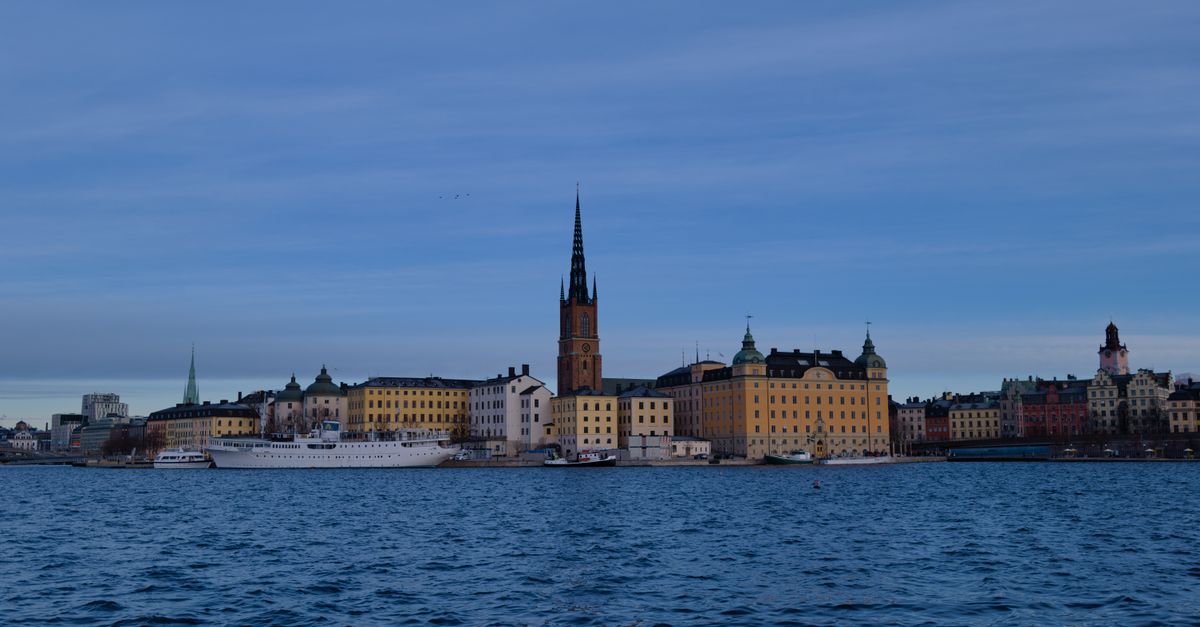
The best time to visit is during the summer months, specifically from June to August. During this window, the city experiences the phenomenon of the midnight sun, where daylight lasts nearly twenty hours a day. The weather is mild, typically ranging from 60 to 75 degrees Fahrenheit, and the locals spend every possible second outdoors. This is the peak tourist season, meaning crowds are at their highest and hotel prices are at a premium, but it is the only time to truly experience the archipelago.
Autumn, from September to November, brings a shift toward cooler temperatures and a stunning display of gold and red foliage. This period is ideal for budget-conscious travelers, as airfare and lodging costs often drop. While the rain becomes more frequent, the crowds vanish, making it easier to secure reservations at popular restaurants. By late October, the days shorten rapidly, and the city begins to prepare for the winter chill.
Winter, from December to February, is for those who love a cozy atmosphere. Temperatures often dip below freezing, and snow is common. While the darkness can be jarring for Americans—with the sun setting as early as 3:00 PM—the city compensates with festive holiday markets and a tradition of candle-lit interiors. This is the most affordable time to visit, though some seasonal attractions may have limited hours.
Spring, from March to May, is a season of transition. The ice melts from the canals, and the city bursts into bloom. April and May offer a refreshing balance of cool air and returning sunlight. It is a great time for sightseeing before the summer rush begins, though the weather remains unpredictable, requiring a heavy coat and an umbrella.
Where to Stay in Stockholm#
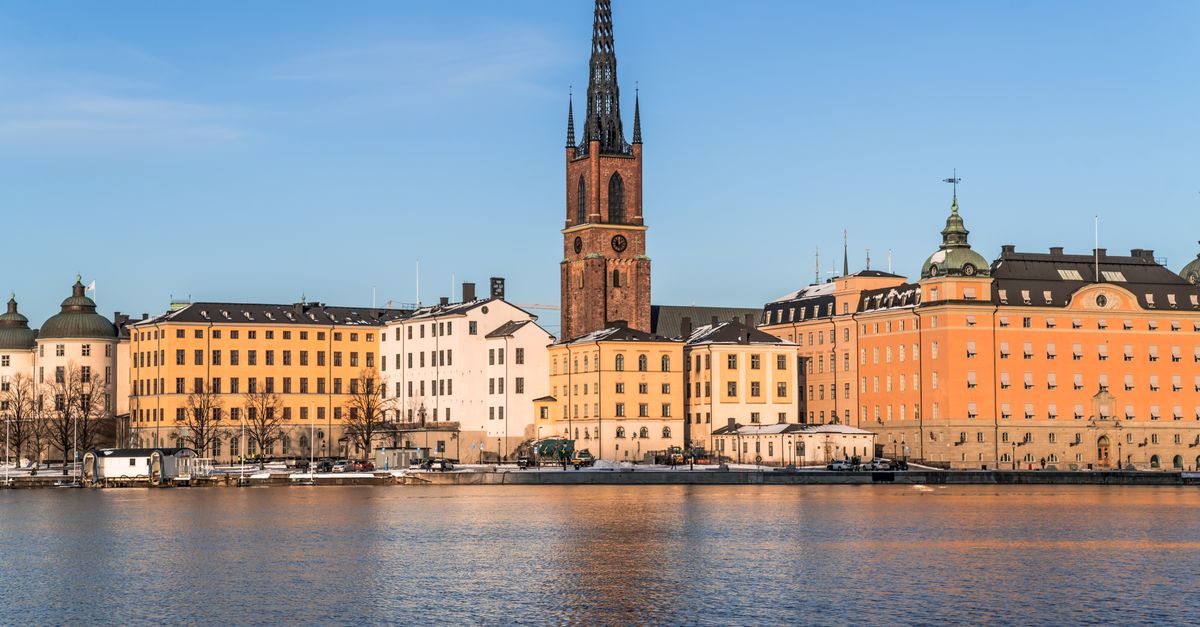
Gamla Stan is the heart of the city and the best choice for those who want to be steps away from the most famous landmarks. This area is characterized by narrow streets and historic buildings. Luxury options here are often found in converted townhouses with high ceilings and antique furniture. While it is the most tourist-heavy district, staying here allows you to experience the city waking up before the day-trippers arrive.
Norrmalm serves as the modern center of Stockholm, making it a practical choice for business travelers or those who prefer a contemporary vibe. This neighborhood is home to the main shopping districts and the central station. You will find a wide range of mid-range hotels that offer sleek, minimalist designs and efficient service. It is the most convenient area for those who plan to take frequent trains or buses to other parts of Sweden .
Södermalm is the creative hub of the city, perfect for younger travelers or those seeking a more bohemian atmosphere. This neighborhood is perched on a hill with great views of the skyline. Budget-friendly hostels and boutique guesthouses are common here, tucked away in residential streets. It is the best place to find independent galleries, vintage shops, and a nightlife scene that feels authentic rather than commercial.
Östermalm is the most upscale district, known for its wide boulevards and high-end boutiques. This is where you will find the most luxurious accommodations, featuring opulent decor and top-quality spas. It is a quieter, more residential area that appeals to travelers who prioritize privacy and elegance. Staying here puts you within walking distance of some of the city’s finest dining and the royal gardens.
Top Things to Do in Stockholm#
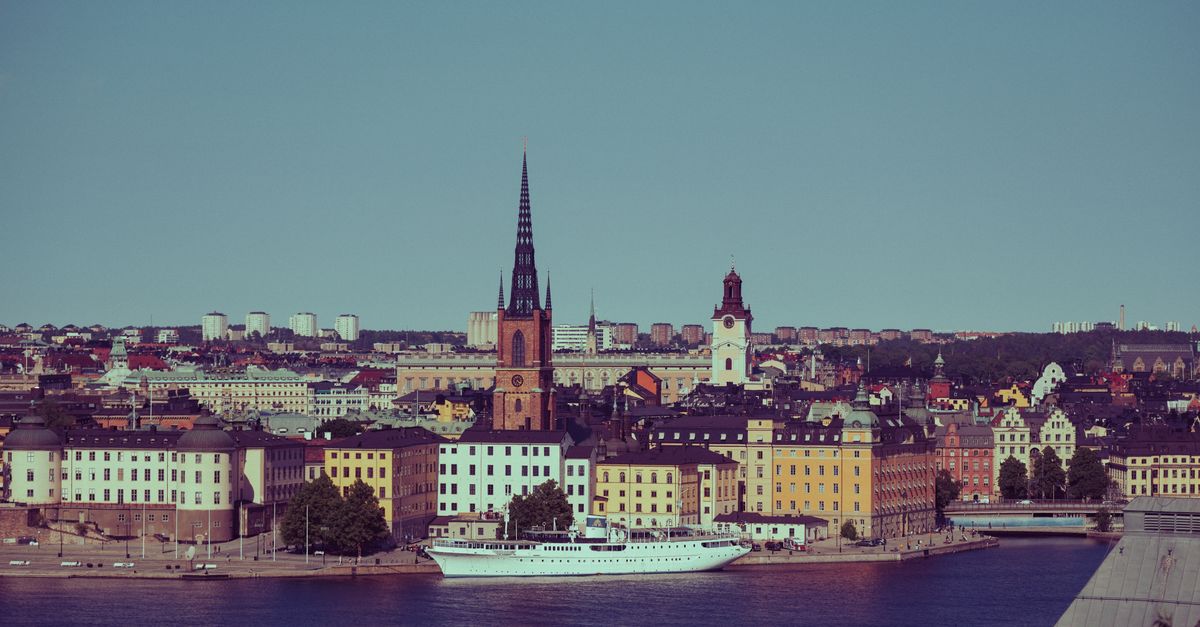
Start your journey in Gamla Stan, the Old Town, where the cobblestone streets wind past colorful buildings. Walking through this area feels like stepping back into the 13th century. You can visit the Royal Palace, which is one of the largest palaces in Europe and houses the Swedish regalia. The changing of the guard is a daily spectacle that draws crowds, but the interior museums provide a quiet look at the monarchy’s history.
For a deeper look at history, head to the Vasa Museum. This is perhaps the most impressive site in the city, as it houses an almost entirely intact 17th-century warship that sank on its maiden voyage and was recovered 333 years later. The sheer scale of the ship is overwhelming, and the museum does an excellent job of explaining the maritime failures that led to its sinking. Nearby, the Skansen Open-Air Museum offers a glimpse into traditional Swedish rural life, featuring historic houses and Nordic animals like moose and reindeer.
If you enjoy art, the Moderna Museet is worth visiting, showcasing a massive collection of surrealist and abstract works. For something more unconventional, the ABBA The Museum allows you to interact with the legendary pop group through digital displays and recording booths. It is a high-energy experience that appeals to all ages and captures the global impact of Swedish music.
To get a panoramic view of the city, take a stroll along Monteliusvägen. This narrow walking path on the cliffs of Södermalm offers the best vantage point of the City Hall and the waterfront. Speaking of architecture, the Stockholm City Hall is a masterpiece of National Romantic style. You can take a guided tour of the Golden Hall, which is decorated with 18 million gold mosaic tiles.
For a break from the city center, take a ferry to the Stockholm Archipelago. With thousands of islands, the archipelago is a popular with nature lovers. You can rent a kayak, hike through pine forests, or simply enjoy the silence of the Baltic Sea. If you prefer to stay on land, the Royal National City Park provides a massive green escape with hiking trails and lakes right in the middle of the urban environment.
Finally, don’t miss the Stockholm Metro, often called the world’s longest art gallery. Many stations are carved directly into the bedrock and painted in vivid colors. Stations like T-Centralen and Solna Centrum are architectural marvels that turn a simple commute into a gallery visit.
Food and Dining Guide#
Swedish food is centered around fresh, seasonal ingredients and a love for preservation. One of the most iconic dishes you must try is Köttbullar, or Swedish meatballs. Served with creamy gravy, lingonberry jam, and mashed potatoes, it is the ultimate comfort food. While you can find this in tourist cafes, the best versions are often found in traditional home-style eateries.
For those who enjoy seafood, Gravlax is a staple. This cured salmon, seasoned with dill and salt, is typically served on rye bread with a mustard-dill sauce. It reflects the city’s connection to the sea and is a lighter alternative to the heavier meat dishes. Another local favorite is Toast Skagen, a luxurious open-faced sandwich topped with hand-peeled prawns, mayonnaise, lemon, and dill.
If you are feeling adventurous, try Surströmming, the famous fermented herring. Be warned that the smell is incredibly pungent, and it is almost always eaten outdoors. For a more approachable snack, look for Kanelbullar, the classic Swedish cinnamon bun. These are found in every bakery and are an essential part of the fika tradition.
Fika is more than just a coffee break; it is a social institution. It is the act of slowing down to enjoy a coffee and a pastry with friends or colleagues. You will find countless cafes throughout the city where you can experience this. For a quick meal, street food is becoming more popular, with gourmet hot dog stands and fish wraps available near the central stations. For a more formal experience, the food halls in Östermalm offer a variety of high-end Swedish delicacies in a historic market setting.
Getting Around Stockholm#
The public transportation system in Stockholm is one of the most efficient in the world. The SL system covers the metro, buses, commuter trains, and even some ferries. The easiest way to navigate is by purchasing a travel card or using a contactless credit card to tap in and out. The metro is the fastest way to cross the city, and the buses are punctual and clean.
Walking is the best way to see the city center, especially in Gamla Stan and Norrmalm. The city is very pedestrian-friendly, with wide sidewalks and designated walking zones. Many visitors find that they can reach most major attractions on foot if they stay in a central neighborhood.
Taxis are available and reliable, but they can be expensive. It is always best to use a reputable app or ask your hotel to call a cab to ensure a fair price. Ride-sharing services are available but are less dominant than the traditional taxi fleets.
Rental cars are generally not recommended for those staying within the city limits. Parking is difficult to find and expensive, and the city’s layout—split across islands—means you will spend a lot of time in traffic or on bridges. However, if you plan to explore the Swedish countryside or the far reaches of the archipelago, a rental car is a great option once you leave the city center.
Budget Breakdown#
For a budget traveler, expect to spend between $70 and $110 per day. This includes staying in a high-quality hostel, eating mostly from street vendors or grocery stores, and using public transit. Budget accommodation typically starts around $40-60 per night. Most of your spending will go toward food and the occasional museum entry fee.
A mid-range traveler will likely spend between $180 and $250 per day. This budget allows for a private room in a boutique hotel or a mid-range chain, a mix of cafe meals and sit-down dinners, and several paid tours. Mid-range hotels generally range from $120-200 per night. This level of spending allows for a more comfortable experience with more flexibility in dining and activities.
Luxury travelers should budget $400 or more per day. This covers stays in high-end hotels in Östermalm or Gamla Stan, which can start at $300 per night. This budget includes fine dining at Michelin-starred restaurants, private guided tours of the city, and frequent taxi use. Luxury travel in Stockholm is about quality and exclusivity, focusing on the finest Swedish design and service.
Travel Tips for Stockholm#
Cashless Society is the most important thing to understand before arriving. Sweden is nearly entirely cashless. Many cafes, shops, and even public restrooms do not accept bills or coins. Ensure you have a credit or debit card with a chip and a PIN. While some places accept contactless payments, having a physical card is a necessary backup.
Water Quality in Stockholm is some of the cleanest in the world. You do not need to buy bottled water. Instead, carry a reusable bottle and fill it up from any tap. This saves money and reduces plastic waste, which aligns with the city’s strong environmental values.
Dress in Layers regardless of the season. The weather in Stockholm can change rapidly, and the wind coming off the water can be biting even in the summer. A light, waterproof jacket is an essential item for any traveler. Even in July, a sweater is often necessary for evening walks along the harbor.
Respect the Fika culture by not rushing your meals. Swedes value their downtime, and you will find that the pace of service in cafes is relaxed. This is not a sign of inefficiency but a reflection of the local lifestyle. Embrace the slow pace and use your coffee break to people-watch.
Public Transit Etiquette is straightforward but important. On the metro and buses, keep your voice down and avoid blocking the doors. People generally value their personal space and quiet. Following these unspoken rules will help you blend in and avoid unwanted attention.
Tipping Culture is different here than in the United States . Tipping is not expected and is not a requirement for good service. While you can leave a small amount for exceptional service at a high-end restaurant, rounding up the bill is usually sufficient. Your server’s wage is fair, so there is no pressure to leave a large percentage of the bill.
📌 Disclaimer
Prices, schedules, tour details, flight routes, visa requirements, and all other information on this page are based on data at the time of writing. Fares, availability, and policies may change. Please verify current details on the official website before booking.
📌 More about Stockholm