📌 Disclaimer
Prices, schedules, tour details, flight routes, visa requirements, and all other information on this page are based on data at the time of writing. Fares, availability, and policies may change. Please verify current details on the official website before booking.
Why Visit Stavanger?#
The scent of salt, wet granite, and roasting coffee beans greets you the moment you step off the ferry onto the Stavanger docks. This southwestern Norwegian city balances a seafaring past with a modern, design-forward energy that appeals directly to American travelers looking for something beyond the typical European capital. Historic timber-framed neighborhoods sit just minutes away from dramatic fjords, creating a landscape where urban comfort and raw wilderness exist side by side.
For decades, this coastal hub served primarily as the engine room of the country’s petroleum industry. Today, that wealth has fueled a creative renaissance. You will find top-quality museums, an ambitious public art scene featuring massive street murals, and a restaurant culture that punches far above the city’s modest population size. The port city acts as the primary gateway to some of the most dramatic natural scenery in Scandinavia, making it an ideal base for travelers who want rugged outdoor adventures during the day and a warm tavern bed at night.
Beyond the scenery, the city offers a deeply walkable layout where English is spoken universally, removing the friction often associated with international travel. Whether you plan to spend your days hiking vertical cliffs or wandering narrow lanes lined with blooming window boxes, this corner of Rogaland county provides an authentic Nordic experience without the overwhelming crowds found in Oslo or Bergen .
Best Time to Visit Stavanger#
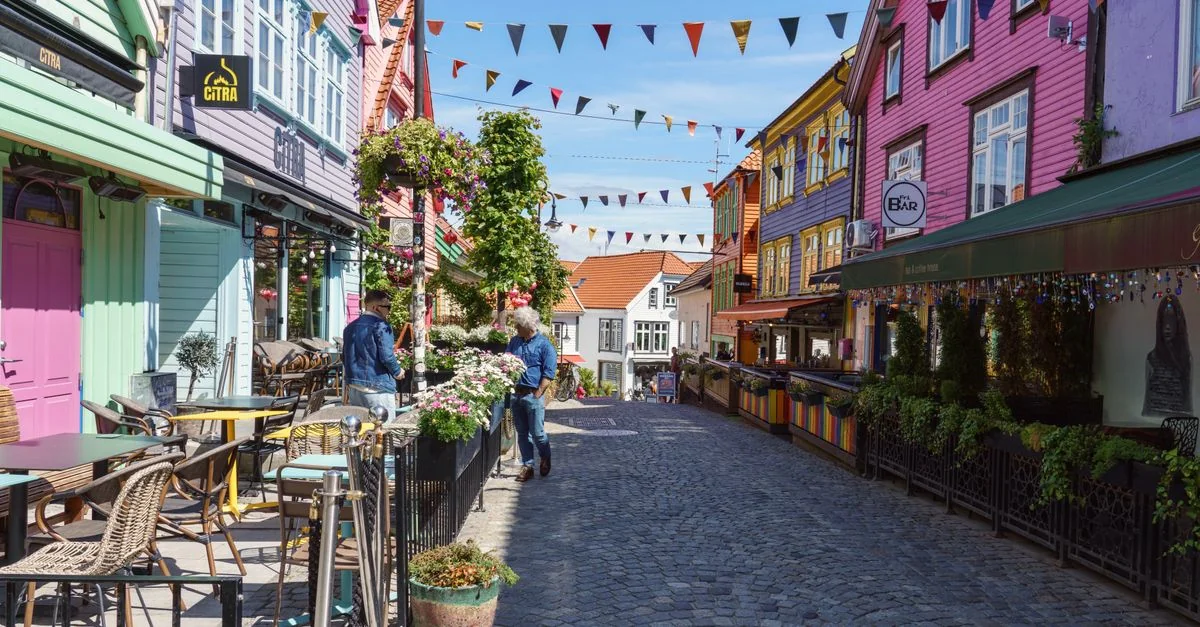
Planning your trip around Norway ’s seasonal shifts determines your entire daily experience, from daylight hours to your overall travel expenses. Summer, running from June through August, offers the most reliable weather, with daytime temperatures often hovering in the comfortable sixties and daylight stretching past ten o’clock at night. This peak period brings larger crowds to popular hiking trails and higher rates for local accommodations, but it guarantees that ferry routes and outdoor facilities operate on full schedules.
Shoulder season months like May and September present a smart alternative for visitors hoping to dodge the heaviest tourist congestion. During May, fruit trees bloom across the surrounding countryside and the celebration of Norwegian Constitution Day on the seventeenth brings festive parades to the downtown streets. September brings crisp autumn air and changing foliage to the hillsides, though rain showers become more frequent and daylight begins to wane noticeably by late afternoon.
Winter, spanning from November to March, brings sub-freezing temperatures, howling North Sea winds, and minimal daylight. While hotel rates drop significantly and cozy indoor dining becomes the primary focus, outdoor hiking is largely discouraged due to treacherous ice on the mountain paths. Travelers visiting during these dark months come primarily to experience the dramatic winter storms rolling in from the ocean or to use the city as a staging ground for nearby winter sports.
Where to Stay in Stavanger#
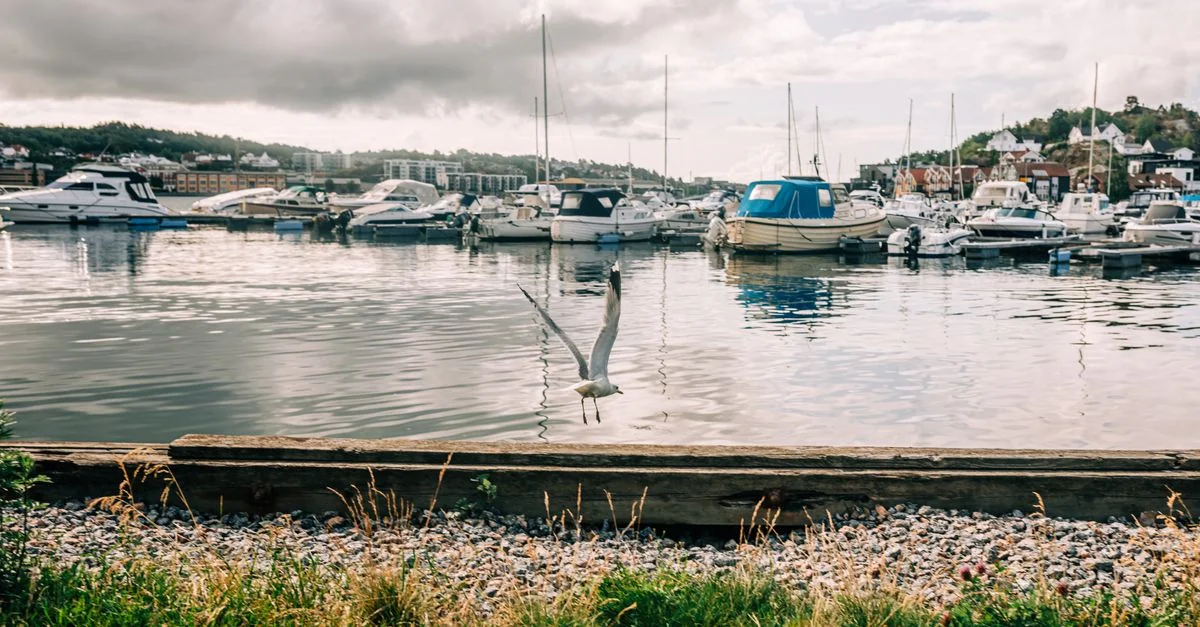
Selecting the right neighborhood shapes how you experience the city, with distinct areas catering to different travel styles and budgets. The historic core, known locally as Gamle Stavanger, places you right beside Europe ’s largest surviving collection of wooden houses. Staying in this central zone keeps you within walking distance of the main harbor, ferry terminals, and primary dining districts. Accommodations here lean toward upscale boutique properties and mid-range historic inns that command higher nightly rates due to their prime location.
Just across the inner harbor, the Østervåg and Pedersgata districts offer a slightly edgier, multicultural atmosphere. This area has transformed into a hip culinary hub where mid-range apartments and modern design hotels dominate the real estate landscape. If you prefer a quieter neighborhood feel with easy access to jogging paths and swimming spots, the Eiganes residential area to the west features grand nineteenth-century villas and peaceful side streets, generally offering slightly lower prices for travelers willing to walk ten minutes into the center.
For budget-conscious visitors or those traveling with vehicles, the Hillevåg district just south of the downtown core provides functional, no-frills motel accommodations and apartment rentals. While lacking the charm of the historic center, this area offers straightforward connections to major roadways and public transit corridors, making it a practical choice for travelers prioritizing parking availability and lower nightly expenses over central convenience.
Top Things to Do in Stavanger#
Wandering the narrow, cobblestone lanes of Gamle Stavanger provides an immediate connection to the past, where more than one hundred and seventy white-painted wooden cottages from the late eighteenth century stand in pristine condition. Nearby, the Stavanger Cathedral anchors the city center as Norway’s oldest medieval cathedral, featuring striking soapstone carvings and a history stretching back nearly nine hundred years. Art enthusiasts will appreciate Fargegaten, officially known as Øvre Holmegate, a lively street where local entrepreneurs painted every wooden building in bold pinks, turquoises, and yellows, creating a lively corridor packed with independent coffee shops and specialty boutiques.
Maritime heritage takes center stage at the Stavanger Maritime Museum, housed in historic wharf buildings that overlook the busy harbor traffic, while the Norwegian Petroleum Museum offers an interactive look at the offshore oil industry that transformed the nation, featuring deep-sea diving suits and massive drill bits. For contemporary works, the Stavanger Art Museum showcases a vast collection of nineteenth-century Norwegian landscape paintings alongside rotating modern installations, situated on the edge of a peaceful park lake.
Nature lovers must venture beyond the urban core to tackle the famous hike up to Preikestolen, also known as the Pulpit Rock, a sheer cliff rising nearly two thousand feet above the dark waters of the Lysefjord. The trail demands proper footwear and moderate physical fitness, rewarding successful climbers with panoramic views that rank among the most photographed in all of Europe. A less demanding alternative is found at Sola Beach, a wide expanse of white sand located a short drive from the city center, popular with kite surfers and locals taking brisk seaside strolls. Finally, a boat cruise through the narrow waters of the Lysefjord allows travelers to gaze upward at the massive vertical rock faces and spot local wildlife, including seals and mountain goats, from the comfort of a heated cabin deck.
Food and Dining Guide#
Norwegian coastal cuisine relies heavily on the freezing waters of the North Sea, making fresh seafood the cornerstone of any local dining experience. You will find that Freshly Caught Salmon and Cod appear on nearly every traditional menu, prepared simply with boiled potatoes, butter, and dill to let the natural flavors shine through. Another regional staple is Smalahove, a traditional dish of salted and smoked sheep’s head, though this hearty winter fare is generally reserved for adventurous eaters seeking a taste of rural heritage rather than casual lunchers.
For a comforting midday meal, look for Fish Soup, a rich and creamy broth loaded with root vegetables, shrimp, cod, and salmon scraps, typically served with crusty artisan bread. Street food culture thrives around the harbor and along pedestrian thoroughfares, where vendors serve Pølse, the local version of a hot dog wrapped in a warm flatbread known as lompe rather than a traditional bun, topped with crispy onions and sweet mustard.
Dining out spans a wide spectrum, from casual bakeries serving cinnamon buns and open-faced shrimp sandwiches to upscale establishments focusing on foraged ingredients and New Nordic gastronomy. Budget travelers can easily manage food costs by picking up fresh ingredients at local supermarkets or grabbing quick bites from neighborhood bakeries, while mid-range and luxury diners will find exceptional tasting menus celebrating local game, berries, and coastal catches in stylish harbor-facing dining rooms.
Getting Around Stavanger#
Navigating the city requires very little planning because the central core is entirely pedestrianized and compact enough to explore completely on foot. Sidewalks are well-maintained, though the historic lanes feature uneven cobblestones that make sensible walking shoes essential. When your feet grow tired or you need to reach destinations on the outskirts, the local bus network operates frequently, cleanly, and accepts contactless payment via mobile apps or onboard card readers.
Taxis are readily available at designated stands near the harbor and train station, but they come with exceptionally high fares, particularly during evening hours and weekends. Travelers should reserve taxis primarily for late-night transit or emergency situations rather than routine daily travel. Ferries and high-speed passenger boats serve as vital links for exploring the surrounding islands and deep fjords, operating on reliable schedules managed by regional transit authorities.
Renting a car is unnecessary if you plan to stay strictly within the city limits, and parking downtown can be both scarce and expensive. However, securing a rental vehicle makes sense if you plan to explore the broader Rogaland countryside, drive to remote hiking trailheads, or take scenic road trips along the coast. Just remember that many roads feature automated toll cameras that bill rentals directly to your credit card upon vehicle return.
Budget Breakdown#
Traveling through this region requires realistic financial planning because Norway remains one of the more expensive destinations in the world. Budget travelers keeping a close eye on their spending can manage daily costs by staying in shared hostel dormitories or suburban guesthouses, preparing simple meals from grocery store staples, utilizing public buses, and focusing on free outdoor activities like hiking and park walking.
Mid-range travelers can expect a more comfortable daily experience, covering standard hotel rooms in central neighborhoods, a mix of casual bakery lunches and sit-down dinners at local restaurants, occasional taxi rides, and paid admission to museums and fjord cruises. This tier offers the best balance of comfort and value without feeling overly restrictive during your vacation.
Luxury travelers will find high-end accommodations in historic properties, private guided fjord tours, exclusive reservations at top-tier culinary establishments, and private car services. Regardless of your spending tier, factor in the high cost of local services and alcoholic beverages when calculating your overall vacation expenses, as government taxes on alcohol significantly impact restaurant and store tabs.
Travel Tips for Stavanger#
Packing for your trip requires a practical approach to weather because conditions can shift from bright sunshine to chilly rain within a matter of minutes. Layering Clothing is the golden rule for surviving the elements here; always carry a waterproof and windproof outer shell, a fleece or wool mid-layer, and quick-drying trousers, even if the morning sky looks completely clear.
Understanding Tipping Customs will save you from awkward moments at the end of a meal. Service charges are automatically included in restaurant and taxi bills, so tipping is never expected or required, though leaving a small cash bonus or rounding up the bill for exceptional service is always appreciated by local hospitality staff.
Managing Connectivity and Currency is remarkably straightforward because cash has become almost entirely obsolete throughout the country. You will not need to exchange currency into Norwegian Krone; nearly every merchant, bus driver, and street vendor accepts credit and debit cards, making contactless phone payments the standard method for every transaction.
Navigating Language Barriers poses zero challenge for American visitors. Virtually the entire population speaks fluent English, often with impressive vocabulary and accent control, meaning you can easily ask for directions, read transit schedules, and converse with locals without learning more than a polite greeting.
Respecting Outdoor Access Rights is crucial when heading into the surrounding mountains and fjords. Norway’s legal right to roam allows responsible hikers to walk and camp across uncultivated land, provided you pack out all trash, close pasture gates behind you, and maintain a respectful distance from private homes and grazing livestock.
Prioritizing Alcohol Purchases requires planning ahead due to strict government regulations regarding retail sales. Standard grocery stores only sell weak beer during limited daytime hours, while stronger beers, wine, and spirits must be purchased through state-run monopoly shops that close early on weekdays and remain shut entirely on Sundays.
📌 Disclaimer
Prices, schedules, tour details, flight routes, visa requirements, and all other information on this page are based on data at the time of writing. Fares, availability, and policies may change. Please verify current details on the official website before booking.
📌 More about Stavanger