📌 Disclaimer
Prices, schedules, tour details, flight routes, visa requirements, and all other information on this page are based on data at the time of writing. Fares, availability, and policies may change. Please verify current details on the official website before booking.
Why Visit St-Tropez?#
The sharp scent of diesel mixed with the sweet aroma of baking brioche hangs over the harbor where multimillion-dollar yachts nudge against weathered wooden fishing boats. For American travelers accustomed to the sprawling scale of domestic coastal towns, this former fishing village on the French Riviera offers a concentrated dose of Mediterranean elegance that feels entirely distinct from the rest of Europe .
Beyond the glamorous reputation forged by mid-century cinema, the town retains a quiet, sun-baked authenticity. Narrow alleyways paved with smooth cobblestones wind away from the waterfront, shaded by pastel-colored plaster walls and climbing bougainvillea. Mornings here begin slowly with the clatter of café chairs and the rustling of French newspapers, long before the sun climbs high enough to bake the public squares.
What elevates this destination beyond a simple beach escape is the way it balances contrasting worlds. High-fashion boutiques stand shoulder-to-shoulder with traditional bakeries, and international celebrities share café tables with local fishermen discussing the morning catch. It is a place where you can spend your morning studying post-impressionist canvases in a converted chapel and your afternoon walking barefoot across warm, golden sand dunes.
Best Time to Visit St-Tropez#
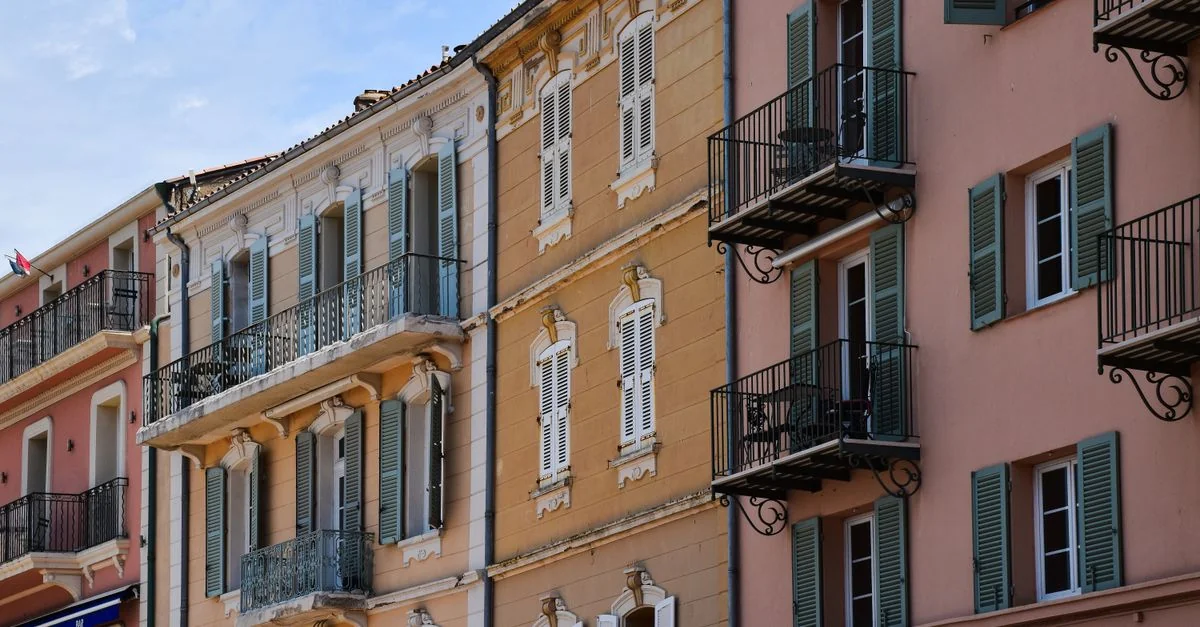
Planning your trip timing requires balancing weather preferences against your tolerance for crowds and premium pricing. The peak summer months of July and August bring intense heat, gridlocked coastal traffic, and maximum energy. During this high season, hotel rates reach their annual peaks, and securing a table at a prominent beach club requires reservations made weeks or even months in advance. European vacationers descend upon the peninsula en masse, creating a lively social scene that appeals to travelers seeking high-energy nightlife and beachside socializing.
For a more measured experience, the shoulder seasons of May, June, September, and October offer an ideal compromise. May and June bring warm, comfortable days with temperatures hovering in the seventies, perfect for walking the coastal paths without overheating. The sea begins to warm up by June, and the streets remain navigable. September is particularly appealing for American visitors, as the summer crowds thin out significantly, the sea retains its warmth from the summer months, and local vineyards begin their grape harvests.
Winter brings a profound quiet to the peninsula. Between November and March, many restaurants, boutiques, and beach clubs close their doors entirely. Daytime temperatures drop into the fifties, and chilly sea breezes sweep across the peninsula. While accommodation rates plummet to their lowest levels and you will have the historical streets nearly to yourself, this period suits travelers looking for quiet reflection rather than a classic beach holiday.
Where to Stay in St-Tropez#
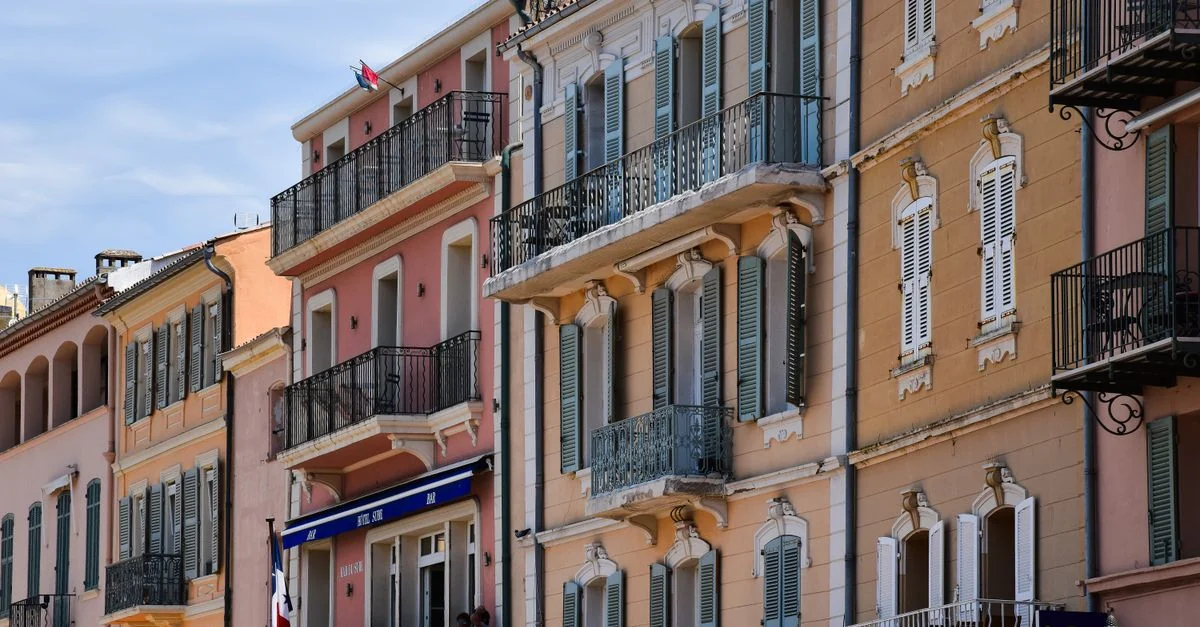
Choosing a base depends heavily on whether you prefer walking to dinner or waking up to the sound of crashing waves. Staying directly in the town center places you within steps of the harbor, morning markets, and historic streets. Neighborhoods surrounding the port feature townhouses and apartments that suit travelers who want immediate access to dining and shopping without needing a vehicle. Mid-range options in this central zone include boutique guesthouses tucked down side streets, while luxury visitors can secure historic properties with private courtyards just blocks from the water.
Just outside the immediate town center, the residential hillsides offer a greener, quieter environment. Properties nestled among the pine trees and umbrella pines provide spacious grounds, private swimming pools, and sweeping views over the Gulf. This area requires a rental car or reliable taxi service to reach the restaurants and shops, making it ideal for travelers who prioritize privacy and quiet evenings. Budget-friendly accommodations are scarce in these exclusive hills, where luxury villas and high-end estates dominate the landscape.
For beach lovers, the areas surrounding the famous southern shoreline offer a completely different atmosphere. Staying near the sand places you within walking distance of legendary beach clubs and coastal nature trails. This zone ranges from mid-range family-run inns set back from the main road to sprawling ultra-luxury resorts with private beach access. Renting a bicycle or a scooter from these coastal neighborhoods allows for easy navigation to the water without dealing with the hassle of central town parking.
Top Things to Do in St-Tropez#
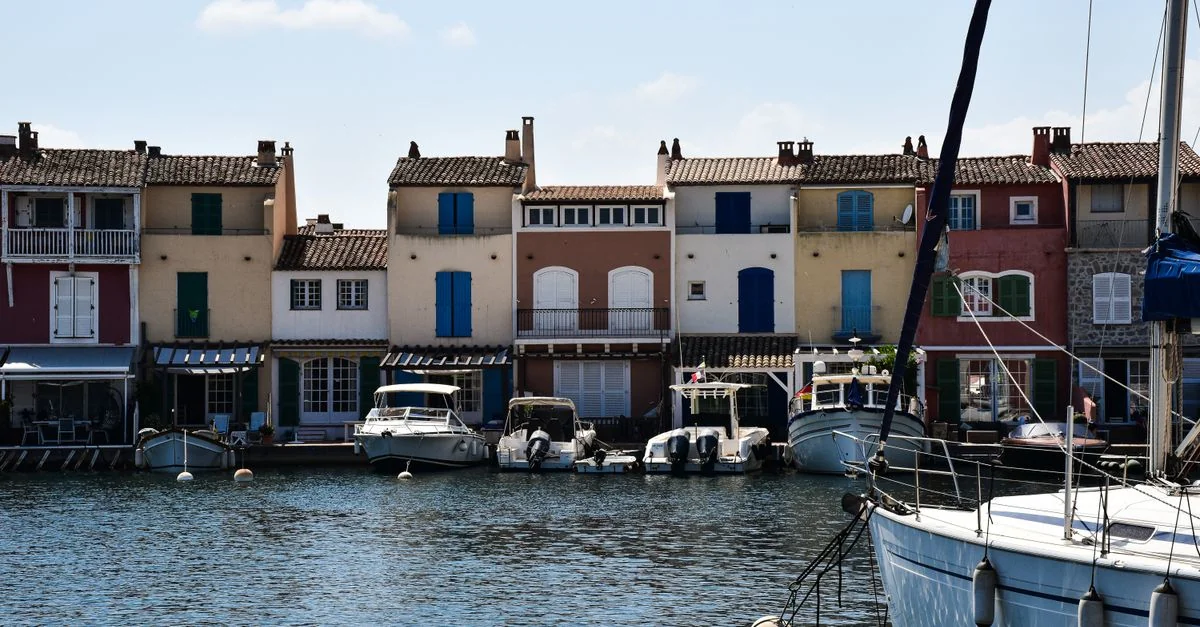
Begin your exploration at the historic harbor, where the Vieux Port serves as the social heart of the community. Watching the crew members polish the teak decks of massive vessels while local artists set up their easels along the stone quays provides an enduring snapshot of Riviera life. A short walk inland leads you up to the Citadelle de St-Tropez, a sixteenth-century hexagonal fortress perched on a hill. Climbing the ramparts rewards you with panoramic views across the rooftops of the town out toward the azure expanse of the Mediterranean. Inside the fortress walls, the maritime museum traces the town’s evolution from a defensive outpost and fishing port into a great for artists and sailors.
Art enthusiasts will find a profound connection to the past at the Musée de l’Annonciade. Housed in a deconsecrated sixteenth-century chapel near the water, this compact museum displays an exceptional collection of post-impressionist and modernist works by painters who fell under the spell of the local light, including Henri Matisse and Paul Signac. After absorbing the canvases, wander over to the Place des Lices, a shaded square where locals gather beneath plane trees to play pétanque. On Tuesday and Saturday mornings, this same square transforms into a busy market laden with regional cheeses, olives, summer fruits, and handmade linens.
When you are ready to experience the coastline, follow the Sentier du Littoral, a coastal walking path that hugs the rugged cliffs of the peninsula. The trail winds past hidden coves, wind-sculpted rock formations, and fragrant pine forests, offering dramatic vistas that you simply cannot access from a vehicle. For a classic beach day, head south to Plage de Pampelonne, a sweeping three-mile stretch of fine white sand divided into distinct zones featuring famous beach clubs, public swimming areas, and natural dunes. For a quieter coastal escape, seek out Plage des Salins, where the atmosphere is more subdued and shaded by umbrella pines that stretch nearly to the shoreline. Conclude your sightseeing by visiting the charming neighborhood of La Ponche, the oldest part of town where narrow, car-free lanes lead directly to tiny, pebble-strewn swimming coves tucked between ancient stone houses.
Food and Dining Guide#
The culinary landscape reflects a delicious intersection of traditional Provençal peasant cooking and upscale Mediterranean seafood preparation. Dining here is an unhurried ritual, whether you are grabbing a casual bite on the run or settling in for a multi-course dinner paired with local rosé wine.
No visit is complete without tasting a slice of Tarte Tropézienne, a legendary pastry consisting of a sweet brioche split and filled with a secret combination of smooth custard creams. Local legend holds that the recipe was brought from Poland by a baker who set up shop here in the mid-twentieth century, and the confection has since become the defining sweet signature of the area. For a savory lunch on the go, look for Socca, a crisp, peppery chickpea pancake baked in massive copper pans in wood-fired ovens, served piping hot with a heavy dusting of black pepper.
Fresh seafood dominates restaurant menus, with Bouillabaisse standing out as the ultimate regional specialty. This rich, aromatic fish stew incorporates several varieties of Mediterranean rock fish simmered with fennel, garlic, saffron, and tomatoes, traditionally served alongside toasted crusty bread and rouille, a garlic-and-saffron mayonnaise. Another local staple is Pissaladière, often described as a Provençal pizza, featuring a thick bread dough crust topped with a deeply caramelized onion paste, plump black olives, and salted anchovies.
When choosing where to eat, balance your experiences between casual seaside beach shacks and traditional Provençal bistros tucked away from the harbor. While upscale dining spots along the port command high prices for front-row seats to the yacht scene, smaller family-run bistros in the residential alleys often deliver superior local flavors at a fraction of the cost. Always make dinner reservations well in advance during the warmer months, as the best tables fill up quickly.
Getting Around St-Tropez#
Navigating the peninsula requires some planning, as the geography does not include a direct train connection. Most American travelers arrive by flying into Nice and taking either a rental car, a private transfer, or a seasonal ferry across the gulf. Having a vehicle gives you the freedom to explore the surrounding vineyards and nearby villages, but driving directly into town during July and August can test your patience due to narrow roads and limited parking spaces.
Once you arrive, the central town is wonderfully compact and best explored entirely on foot. The narrow pedestrianized streets prohibit vehicles, allowing you to wander freely without dodging traffic. For traveling between the town center and the outlying beaches or coastal properties, renting a scooter or a bicycle is a popular and practical choice that lets you bypass the notorious summer traffic jams along the coastal roads.
Taxis are readily available near the harbor and designated taxi stands, though rates can be quite high, particularly late at night or during peak summer demand. Public buses connect the town to surrounding coastal villages and transportation hubs, offering a budget-friendly option for travelers who prefer not to drive. During the high season, passenger ferries operating from nearby ports provide a scenic, traffic-free alternative for day trippers arriving from neighboring Riviera towns.
Budget Expenses#
Traveling to this exclusive corner of the Mediterranean requires a realistic financial plan, as costs tend to run significantly higher than the French national average.
Budget travelers can expect daily expenses to range from $100 to $180 USD. This tier relies on staying in guesthouses or simple bed-and-breakfasts slightly inland, grabbing breakfast at local bakeries, eating picnic lunches from the morning market, and enjoying casual meals at bakery counters or small sandwich shops. Public buses serve as the primary mode of transportation, and entertainment focuses on free activities like hiking coastal trails, swimming at public beaches, and exploring historic neighborhoods.
Mid-range travelers should plan for daily expenditures between $250 and $500 USD. This tier allows for comfortable accommodations in central boutique hotels or charming guesthouses with modern amenities. Meals include a mix of casual lunches and sit-down dinners at traditional bistros, complemented by local wine. Renting a scooter for a few days provides flexible transport, and your itinerary can include museum entries and a casual beach club visit.
Luxury travelers will find daily costs starting around $800 USD and scaling upward without a defined ceiling. This tier unlocks five-star coastal resorts or private hillside villas, private airport transfers, chartered boat excursions around the gulf, and fine dining at Michelin-starred restaurants. Spending a day at a high-end beach club with reserved sun loungers and bottle service will also factor heavily into the upper-tier budget.
Travel Tips for St-Tropez#
Language basics go a long way toward ensuring friendly interactions with local residents. While many hospitality workers speak fluent English, greeting shopkeepers with a polite “bonjour” during the day or “bonsoir” in the evening is considered an essential social courtesy in France .
Reservations for popular restaurants, beach clubs, and sunset drink spots must be arranged well in advance if you are traveling between June and September. Walking up without a booking during peak hours often results in disappointment or very long waits.
Dress code standards lean toward chic casual elegance during the day and elevated resort wear at night. While beach attire is entirely appropriate along the shoreline, walking through the historic town center in swimwear is considered inappropriate. Bring versatile layers, as coastal evenings can bring brisk sea breezes even after warm summer days.
Cash and cards are both widely accepted, but keeping a modest amount of Euros in your pocket is wise for small purchases at the morning market, tipping street musicians, or paying for minor services where card minimums might apply.
Tipping practices in France differ significantly from American customs, as service charges are automatically included in all restaurant and café bills by law. Leaving a few extra coins or rounding up the bill is appreciated for exceptional service, but heavy percentage-based tips are not expected.
Sun protection is essential given the intense Mediterranean sun. The combination of bright coastal glare and warm temperatures means you should pack high-SPF sunscreen, polarized sunglasses, and a wide-brimmed hat, especially if you plan on spending long days walking the coastal trails or lounging on the sand.
📌 Disclaimer
Prices, schedules, tour details, flight routes, visa requirements, and all other information on this page are based on data at the time of writing. Fares, availability, and policies may change. Please verify current details on the official website before booking.
📌 More about St-Tropez