📌 Disclaimer
Prices, schedules, tour details, flight routes, visa requirements, and all other information on this page are based on data at the time of writing. Fares, availability, and policies may change. Please verify current details on the official website before booking.
Why Visit St Augustine?#
The scent of salt marsh and sun-warmed coquina stone hangs heavy in the humid Florida air, welcoming visitors to a city that predates Jamestown by over forty years. Narrow coquina-walled lanes, shaded by draping live oaks dripping with Spanish moss, invite a slower pace of travel. Founded by Spanish explorers in 1565, this coastal destination functions as a living history museum where centuries-old architecture meets modern beach town laid-back culture.
Unlike the high-rise sprawl found elsewhere in the Sunshine State, the historic core of St Augustine encourages wandering on foot. European-style plazas, historic horse-drawn carriages, and sidewalk cafes create an atmosphere that feels remarkably disconnected from the typical American vacation spot. Whether you are searching for centuries of military history, sweeping Atlantic coastlines, or a walkable weekend getaway, this northern Florida destination delivers an entirely unique travel experience.
Best Time to Visit St Augustine#
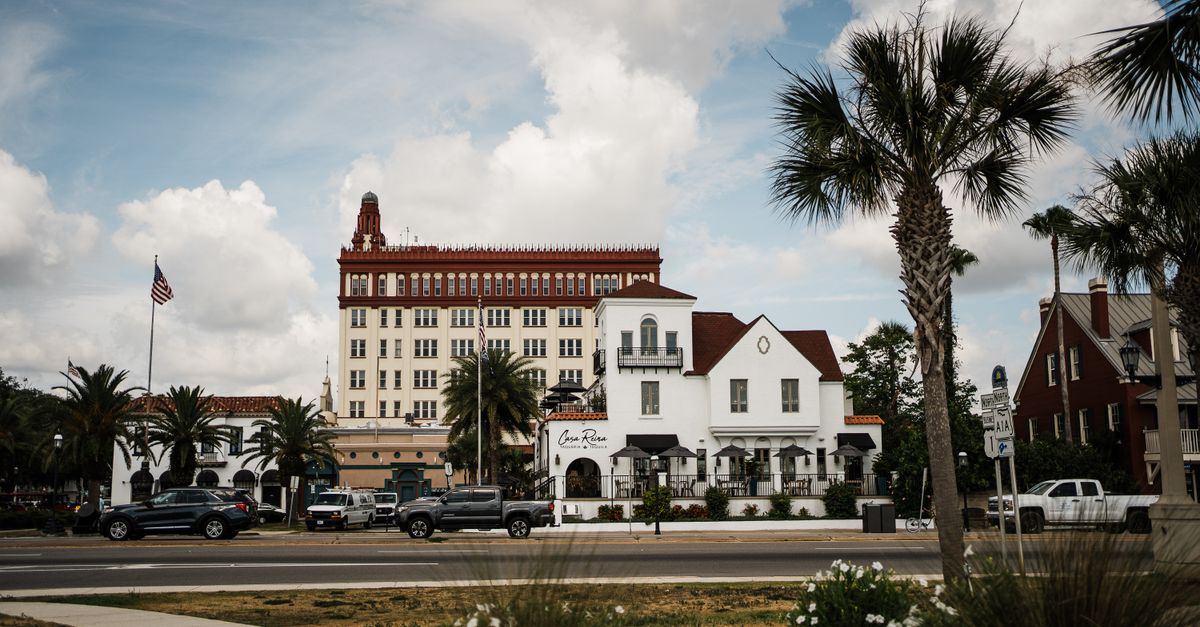
Planning a trip here requires balancing humidity levels, rain patterns, and seasonal crowds. The shoulder months of March through May offer arguably the best weather conditions. Daytime temperatures typically hover in the comfortable mid-70s to low 80s Fahrenheit, making it ideal for walking the historic district without melting in the heavy summer heat. Spring brings blooming azaleas and manageable tourist numbers, though you should expect higher accommodation rates during spring break weeks and Easter.
Summer brings oppressive heat, intense humidity, and nearly daily afternoon thunderstorms. While ocean breezes offer some relief, visiting between June and August means battling peak crowds of families on summer vacation alongside mosquitoes and higher lodging costs.
Autumn, specifically September through November, brings a welcome drop in both temperature and tourist volume. September still flirts with hurricane season weather and high humidity, but October and November settle into pleasant, breezy conditions. Winter temperatures stay mild, with daytime highs in the upper 60s, though chilly winds off the water require packing a light jacket for evening walks. The entire town transforms between mid-November and late January during the annual Nights of Lights festival, drawing massive weekend crowds to view millions of white lights draped across every historic facade.
Where to Stay in St Augustine#
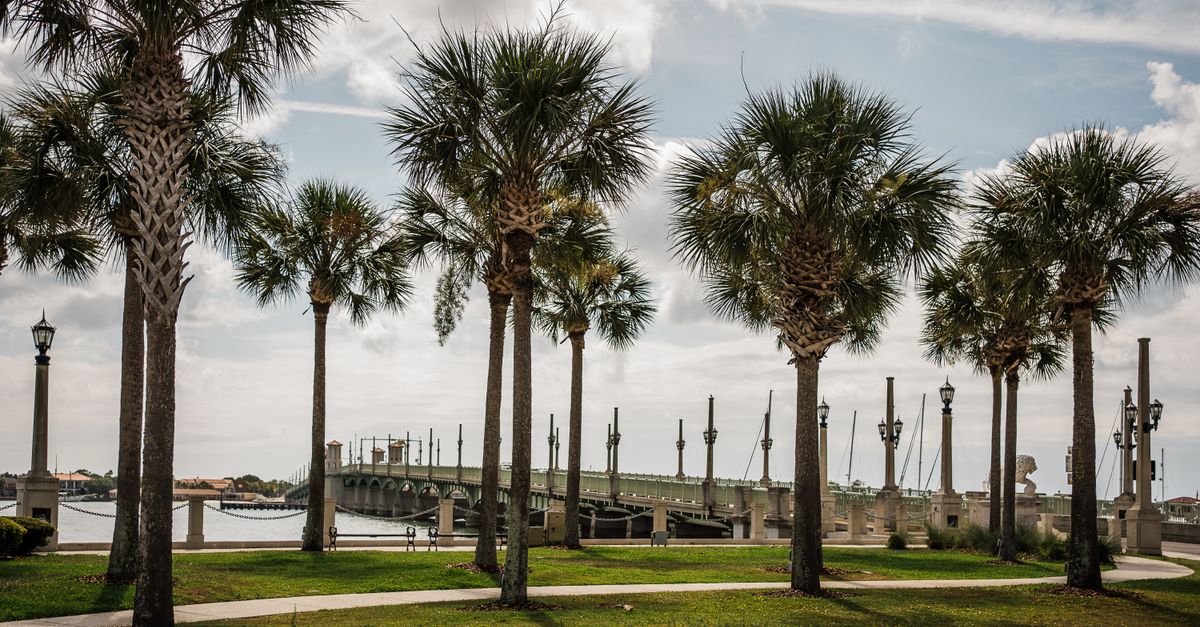
Choosing the right neighborhood shapes your entire experience in this historic city. The Historic District places you directly within walking distance of the major landmarks, cobblestone streets, and dining options. Accommodations here skew heavily toward historic bed-and-breakfasts featuring antique furniture, wraparound porches, and romantic courtyards, alongside mid-range historic inns. Staying here means you can leave your car parked for the duration of your stay, though weekend rates command a significant premium and street parking is scarce.
Just across the Bridge of Lions, Anastasia Island offers a completely different coastal atmosphere. This area suits travelers looking for a traditional beach vacation combined with proximity to state parks and surf shops. Lodging options range from casual motels and beachside campgrounds to mid-range rental homes and upscale oceanfront resorts. Prices here fluctuate heavily based on proximity to the sand and seasonal surf conditions.
For a quieter retreat away from the crowds, the Lincolnville neighborhood sits just south of the main historic center. Founded by freedmen after the Civil War, this district showcases gorgeous Victorian architecture and oak-shaded residential streets. Accommodation here consists largely of charming, historic vacation rentals and boutique guest houses operating at mid-range to luxury price points. It provides a peaceful neighborhood feel while remaining a short, pleasant walk from the downtown restaurants and waterfront.
Top Things to Do in St Augustine#
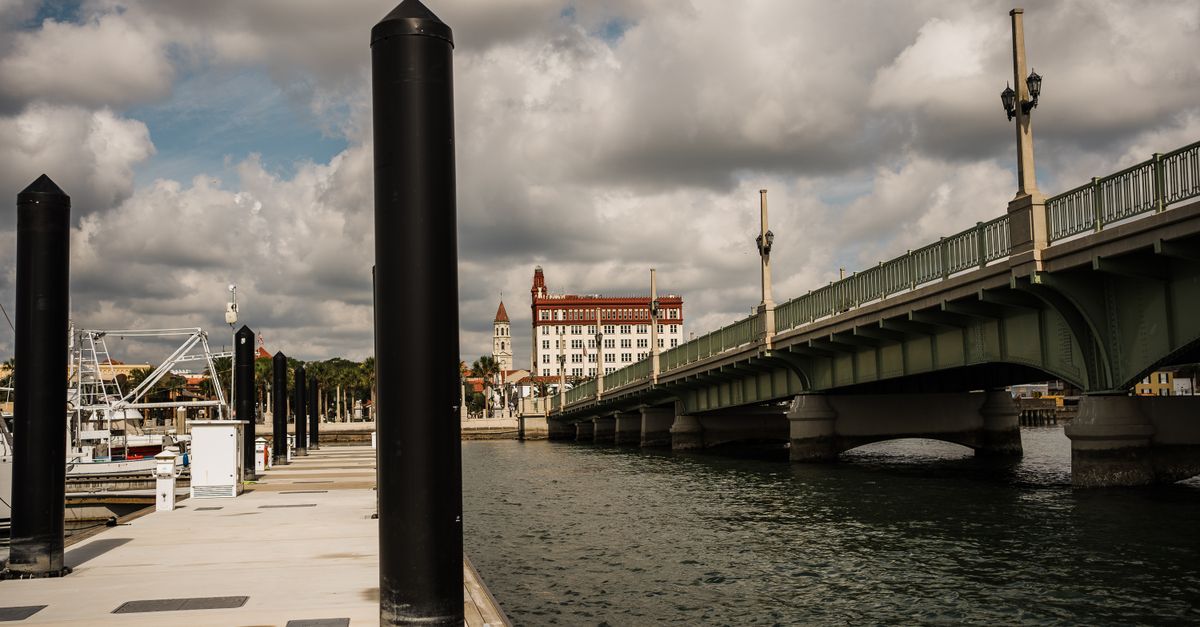
Begin your exploration at the Castillo de San Marcos National Monument, the oldest masonry fort in the continental United States . Constructed by the Spanish using coquina—a stone made of tiny shell fragments—this fortress withstood numerous British sieges and offers sweeping views across the Matanzas Bay from its high ramparts. Walking the grounds allows you to inspect old cannons and peer into dark powder magazines. Just a short stroll down the street lies the Colonial Quarter, where living history interpreters demonstrate blacksmithing, musket firing, and carpenter trades from the 18th century, giving you a tangible sense of early colonial survival.
Wander down St George Street, the busy pedestrian thoroughfare lined with historic homes, local craft shops, and fudge kitchens. Duck off the main path to visit the Shrine of Our Lady of La Leche at Mission Nombre de Dios, a serene waterfront site marking the location of the first parish mass in the United States. The ancient oak trees draped in Spanish moss create a deeply reflective atmosphere here. Nearby, the Ximenez-Fatio House Museum offers a fascinating glimpse into 19th-century domestic life, highlighting the under-told history of women entrepreneurs who ran boarding houses in early Florida.
No trip is complete without stepping inside the Lightner Museum, housed in a grand 1888 resort hotel commissioned by industrialist Henry Flagler. Today, the Gilded Age building displays an eccentric collection of Victorian art, mechanical musical instruments, and shrunken heads, all centered around a stunning courtyard. Afterward, make your way across the bridge to explore the expansive shores of Anastasia State Park. This protected peninsula features miles of pristine quartz sand beaches, tidal salt marshes, and maritime hammocks where you can rent kayaks, hike nature trails, or simply watch ospreys dive for fish far away from the downtown crowds.
Food and Dining Guide#
The dining scene here reflects a unique blend of Southern comfort, Spanish colonial roots, and fresh coastal seafood. You cannot leave without trying Minorcan Chowder, a spicy, tomato-based clam chowder spiked with fiery datil peppers—a local pepper variety grown almost exclusively in this region. Another local staple is Deviled Crab, featuring heavily seasoned crab meat packed into a natural crab shell, breaded, and deep-fried to a golden crunch. For a sweet finish, seek out traditional Minorcan Coffee Cake, a rich, sweet bread layered with cinnamon and sugar.
Casual eateries and seafood shacks dot Anastasia Island and the marina, serving up fried shrimp baskets, smoked fish dip, and po’boys on butcher paper at affordable prices. Meanwhile, the historic district features upscale dining rooms operating inside historic 18th-century coquina buildings, where chefs elevate local catches like grouper and snapper with citrus glazes and Caribbean influences. Reservations are strongly recommended for weekend dinners in the historic core, as popular establishments fill up weeks in advance. Street-side tapas bars offer a casual alternative, allowing you to sample Spanish tortillas, garlic shrimp, and local brews while watching horse-drawn carriages clatter past your table.
Getting Around St Augustine#
Navigating this destination is wonderfully straightforward if you plan your strategy around the historic layout. The historic core is completely pedestrian-friendly, with narrow sidewalks and cobblestone alleys that actively discourage vehicular traffic. Walking is the absolute best way to absorb the details of the architecture and discover small courtyards.
If you venture toward the beaches on Anastasia Island or outlying state parks, having a rental car is essential, as public bus transit operates on limited schedules and rideshare availability outside the downtown core can be spotty. Parking within the historic district is notoriously difficult and expensive, relying mostly on municipal garages and paid street spaces that fill up early on sunny weekends. To avoid parking headaches downtown, many visitors utilize the hop-on, hop-off trolley tours or the city-run shuttle buses that connect major visitor parking lots with key attractions. Bicycles are also widely rented and serve as an efficient way to zip between downtown and the island beaches via the dedicated pedestrian walkway on the Bridge of Lions.
Budget Breakdown#
A trip to this coastal destination can easily be tailored to fit a wide variety of financial plans. Budget travelers can expect to spend roughly $80 to $130 per day by staying in basic motels outside the immediate historic center, eating casual counter-service meals, and focusing on free outdoor activities like beach walking and wandering public parks.
Mid-range travelers typically budget $200 to $350 per day, which covers a charming bed-and-breakfast or historic inn within the city center, sit-down dinners at popular local restaurants, and admission tickets to major historic sites and museums.
Luxury travelers can easily exceed $500 per day by securing upscale boutique accommodations with harbor views, booking private guided historic tours, and dining at fine-dining establishments featuring wine pairings and locally sourced seafood. Transport costs will vary depending on whether you rely solely on walking and local shuttles or maintain a rental car and pay for daily downtown parking garages.
Travel Tips for St Augustine#
Parking Strategy requires advance planning because driving an oversized vehicle down narrow colonial streets can quickly ruin an afternoon. Leave your car parked in one of the central municipal parking garages near the visitor center or the Castillo, and explore the entire historic district entirely on foot to save both your sanity and your wallet.
Footwear Choice is critical due to the uneven brick sidewalks, historic cobblestones, and extensive walking required to see the sights. Leave high heels and unsupportive flip-flops at home, opting instead for broken-in walking shoes or sturdy sandals that can handle miles of pavement.
Weather Preparedness means always packing a compact umbrella or a lightweight rain jacket, regardless of what the morning forecast predicts. Afternoon pop-up thunderstorms are a daily reality during large portions of the year, and getting caught in a sudden downpour without shelter is a rite of passage you can easily avoid.
Crowd Management is best achieved by arriving at major historical monuments and popular museums right when they open in the morning. The cruise ship passengers and day-tripping tour groups generally do not flood the streets until late morning, leaving the early hours peaceful and quiet for photography.
Reservations for dinner cannot be left to chance, particularly if you are visiting during the weekend or the autumn holiday light festival. Secure table bookings for popular sit-down restaurants at least a week or two in advance to avoid waiting hours for a table or settling for fast food.
Hydration and Sun Protection demand your constant attention under the intense Florida sun, especially when walking exposed fort walls or spending days on the sand. Bring a refillable water bottle, apply sunscreen liberally, and wear a wide-brimmed hat to prevent heat exhaustion during the warmer months of the year.
📌 Disclaimer
Prices, schedules, tour details, flight routes, visa requirements, and all other information on this page are based on data at the time of writing. Fares, availability, and policies may change. Please verify current details on the official website before booking.
📌 More about St Augustine