📌 Disclaimer
Prices, schedules, tour details, flight routes, visa requirements, and all other information on this page are based on data at the time of writing. Fares, availability, and policies may change. Please verify current details on the official website before booking.
Why Visit Split ?#
Nestled along the stunning Dalmatian coast, Split is a vibrant city that seamlessly blends ancient history with modern charm. It’s famous for its spectacular Roman architecture, most notably the UNESCO World Heritage Site of Diocletian’s Palace, which forms the heart of the city. As you wander through its narrow, cobbled streets, you’ll encounter a rich tapestry of history, culture, and lively local life, making it a perfect destination for travelers seeking both exploration and relaxation.
What truly sets Split apart is its unique ambiance. The city is alive with energy, from the bustling Riva promenade lined with cafes and bars to the tranquil beaches that offer a respite from the urban bustle. Whether you’re an art enthusiast, a history buff, or just someone looking to unwind, Split has something for everyone. Its proximity to stunning islands like Hvar and Brač also makes it an ideal base for island-hopping adventures in the Adriatic Sea.
Best Time to Visit Split#
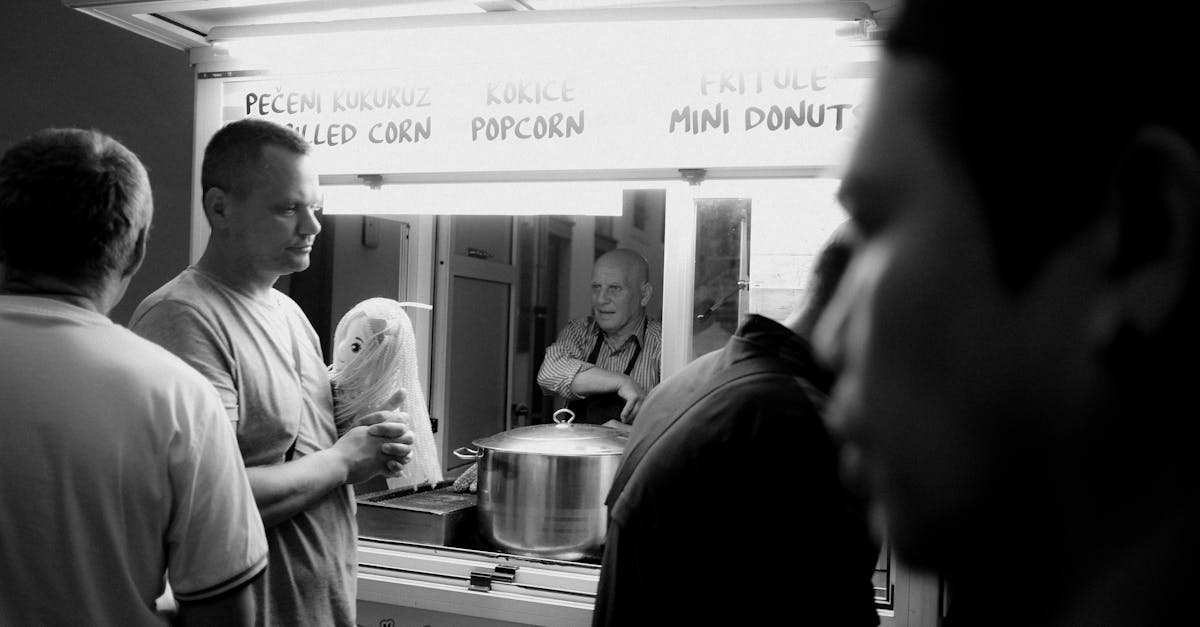
Split experiences a Mediterranean climate, which means hot, dry summers and mild, wet winters. The best time to visit largely depends on your preferences for weather and crowds.
Spring (March to May): This is one of the most pleasant times to visit. Temperatures range from the mid-50s to mid-70s Fahrenheit, and the city is less crowded than in summer. It’s a great time for outdoor activities and sightseeing.
Summer (June to August): Expect hot weather with temperatures often exceeding 85°F. This is peak tourist season, so the city can be crowded, especially in July and August. Prices for accommodations and activities are at their highest during this time.
Fall (September to November): Early fall is another fantastic time to visit, with warm temperatures and a decline in crowds. September still feels like summer, while October brings cooler weather. Prices begin to drop, making it a more budget-friendly option.
Winter (December to February): If you prefer a quieter experience, winter can be lovely. While temperatures can dip into the 40s, you’ll enjoy fewer tourists and lower prices. Some attractions may have reduced hours, but you can still explore the city’s charm.
Where to Stay in Split#
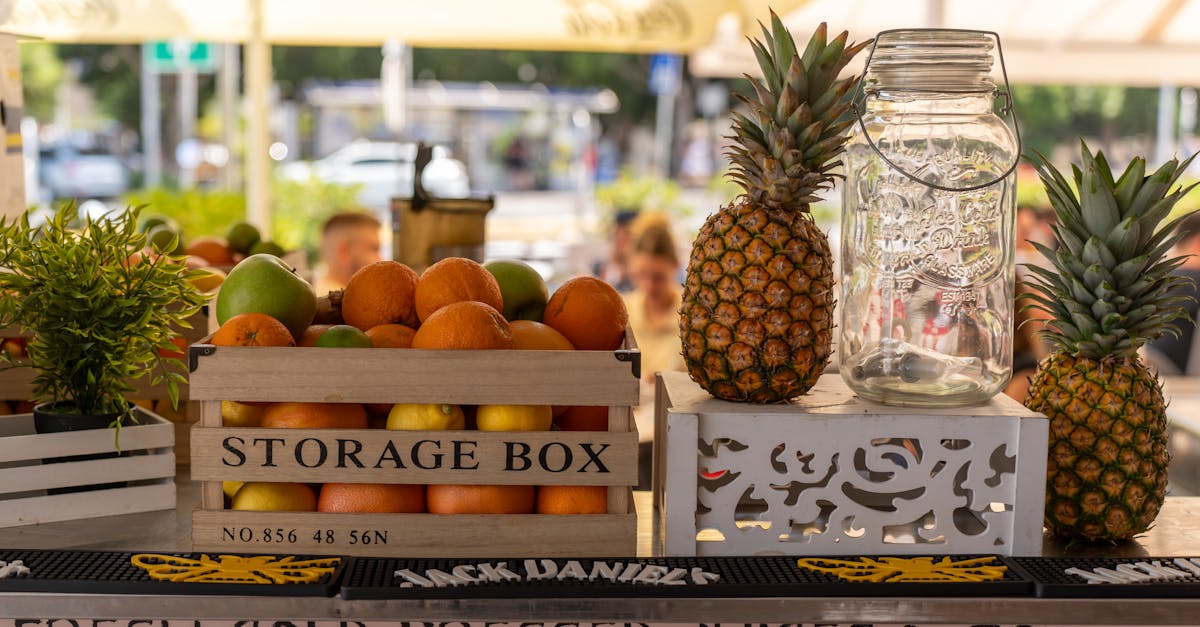
Photo by Ramon Karolan on Pexels
When it comes to accommodation, Split offers a variety of neighborhoods that cater to different budgets and preferences.
Budget: Look for options in the area surrounding the Old Town. This part of the city has hostels and guesthouses that typically start around $30-50/night. Staying here allows you to be close to major attractions without breaking the bank.
Mid-Range: The district of Bacvice is ideal for those looking for a balance between comfort and affordability. You’ll find boutique hotels and cozy apartments, with rates generally ranging from $80-150/night. Plus, you’ll be just a short walk from the beach.
Luxury: For a splurge-worthy experience, consider the waterfront area near the Riva promenade or the upscale neighborhood of Znjan. Here, luxury hotels and villas offer stunning sea views and high-end amenities, with prices usually starting around $200/night.
Top Things to Do in Split#
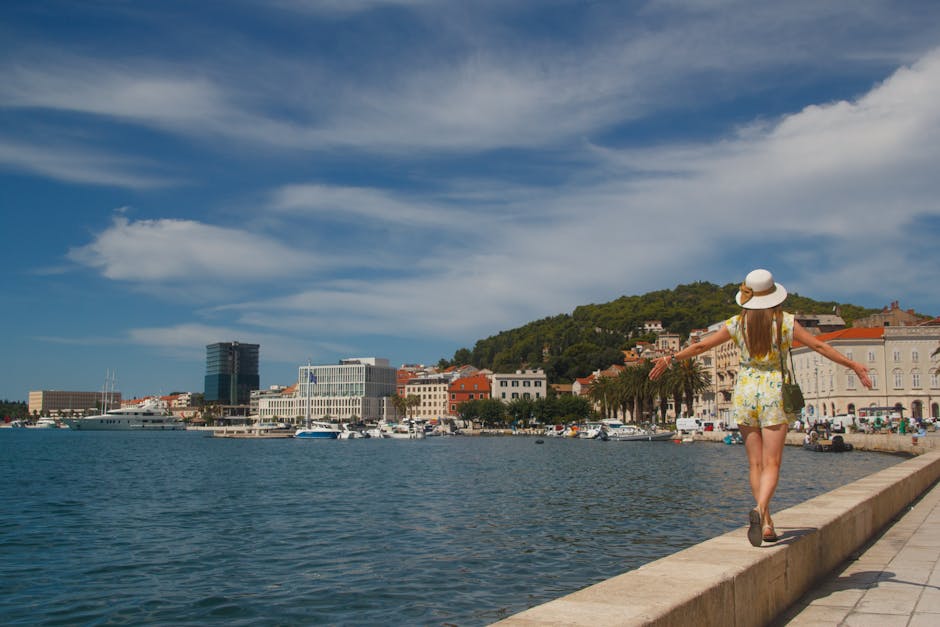
Photo by Vladimir Srajber on Pexels
Diocletian’s Palace: This ancient Roman palace is the crown jewel of Split. Built in the 4th century, it’s an architectural marvel with its impressive walls, temples, and the Peristyle courtyard. Don’t miss the chance to explore the subterranean halls, which now house local markets and galleries.
The Riva: The bustling waterfront promenade is perfect for people-watching and enjoying a coffee or gelato. It’s a lively hub where locals and tourists mingle, especially during the evenings.
Marjan Hill: For a break from the city’s hustle, hike up Marjan Hill. The views from the top are breathtaking, offering panoramic sights of Split and the surrounding islands. You can also find peaceful parks and historic churches along the trails.
Cathedral of Saint Domnius: Located within Diocletian’s Palace, this cathedral is the oldest in the world still in use. Climb the bell tower for a stunning view of the city and the sea.
Bacvice Beach: This popular beach is known for its lively atmosphere and clear waters. It’s a great spot to relax, swim, or try your hand at picigin, a traditional Croatia n beach game.
Green Market (Pazar): Experience local life at this bustling market, where you can find fresh produce, flowers, and handmade goods. It’s a great place to pick up snacks or unique souvenirs.
Museum of Croatian Archaeological Monuments: Dive deeper into Croatia’s rich history with a visit to this museum, showcasing artifacts from the prehistoric to the medieval periods.
Klis Fortress: Just a short drive from Split, this medieval fortress offers a glimpse into the region’s history and stunning views over the city and surrounding countryside.
Day Trip to Trogir: A UNESCO World Heritage Site, Trogir is a charming coastal town just a short bus or ferry ride away. Its well-preserved medieval architecture is a must-see.
Local Wine Tasting: Explore the nearby vineyards and sample some of Croatia’s finest wines. Many wineries offer tours and tastings, providing a delightful way to experience the local culinary scene.
Food and Dining Guide#
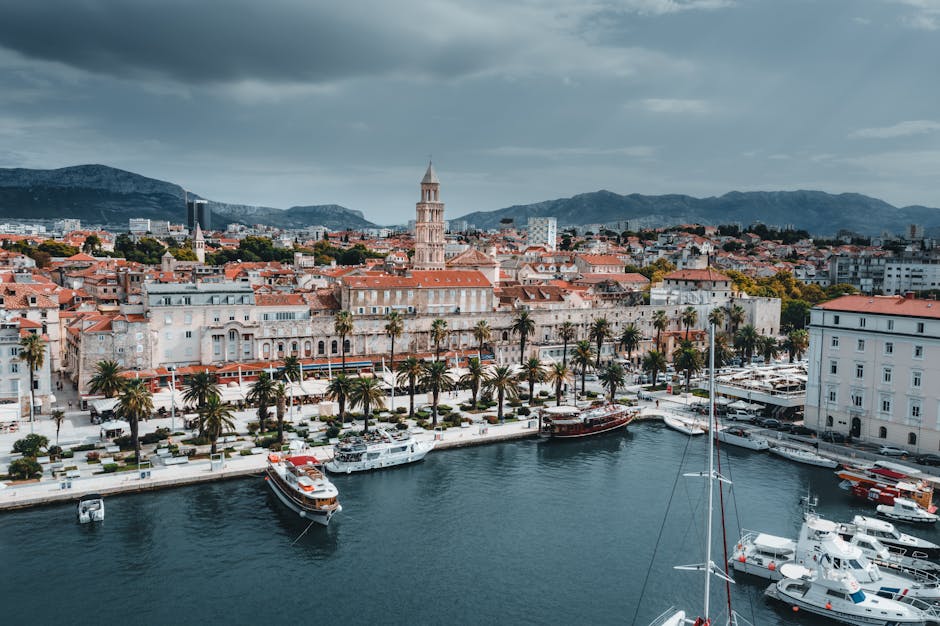
Split’s culinary scene reflects its rich history and coastal location. You’ll find a mix of Mediterranean flavors and traditional Croatian dishes.
Must-Try Dishes:
- Peka: A traditional dish made with meat or seafood and vegetables, slow-cooked under a bell-shaped lid. It’s a must for those looking to experience authentic Croatian cuisine.
- Soparnik: A savory pie filled with Swiss chard and onions, this local specialty is often enjoyed as a snack or appetizer.
- Seafood Risotto: Fresh seafood is abundant in Split, and this creamy dish is a delicious way to enjoy it.
- Grilled Fish: Head to a local konoba (tavern) to savor freshly caught fish, often simply seasoned and grilled to perfection.
- Fritule: These small, sweet doughnuts are a popular street food, typically dusted with powdered sugar and perfect for a quick treat.
Street Food vs. Restaurants: While local restaurants offer a more sit-down experience with traditional Croatian dishes, street food stalls provide a quick and delicious option for those on the go. The Riva promenade is a great place to find both, with plenty of options to satisfy your cravings.
Getting Around Split#
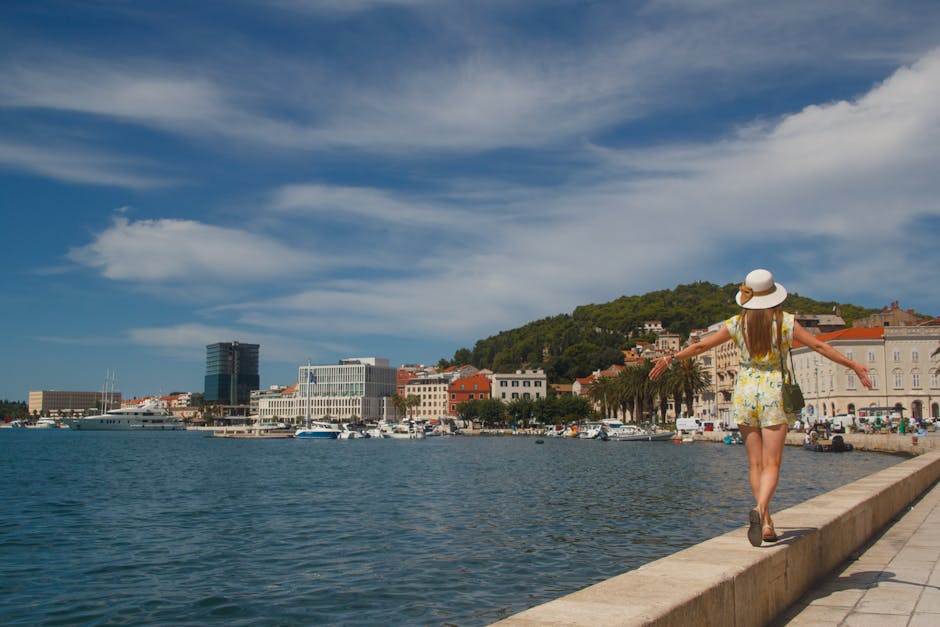
Navigating Split is relatively easy, thanks to its compact size and pedestrian-friendly layout.
Walking: The best way to explore the city is on foot, especially in the Old Town, where many streets are closed to vehicles. It allows you to stumble upon hidden gems and local shops.
Public Transit: Split has a reliable public bus system that can take you to nearby neighborhoods and attractions. Buses are frequent, and tickets can be purchased at kiosks or on the bus.
Taxis and Rideshares: Taxis are available throughout the city, and ridesharing services are also operational. While taxis are convenient, be sure to confirm the fare before getting in.
Rental Cars: If you plan to explore the surrounding areas or islands, renting a car can be a good option. However, parking in the city can be limited, so consider your itinerary carefully.
Budget Breakdown#
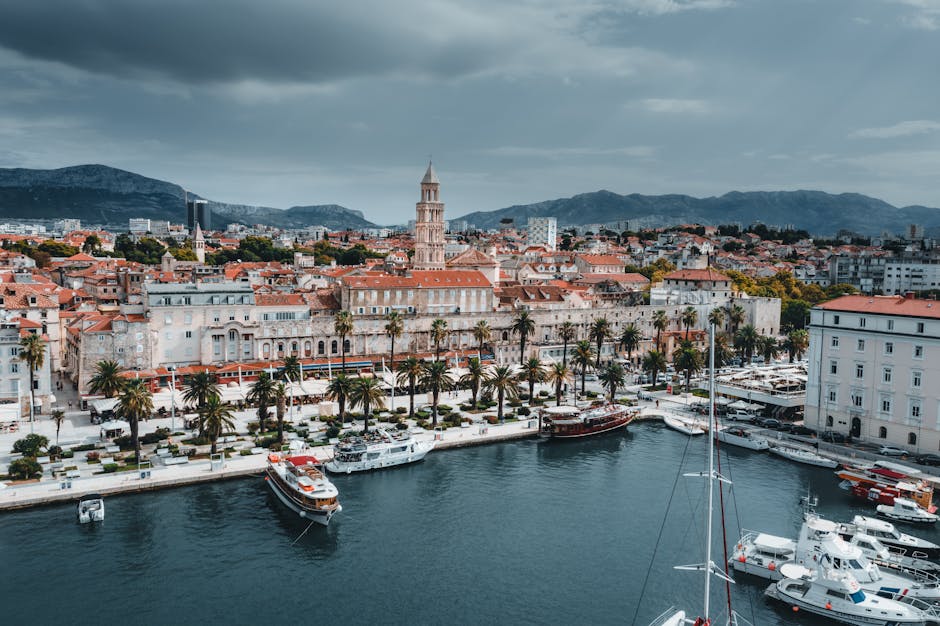
Understanding the costs involved can help you plan your trip more efficiently. Here’s a rough daily budget estimate for different types of travelers:
Budget Traveler: Expect to spend around $60-100/day, including dormitory accommodation, street food meals, public transit, and free or low-cost attractions.
Mid-Range Traveler: A budget of $150-250/day is reasonable, allowing for comfortable accommodation, meals at local restaurants, and some paid attractions or tours.
Luxury Traveler: For a more upscale experience, budget around $300-500/day. This includes luxury accommodation, fine dining, and guided tours or activities.
Travel Tips for Split#
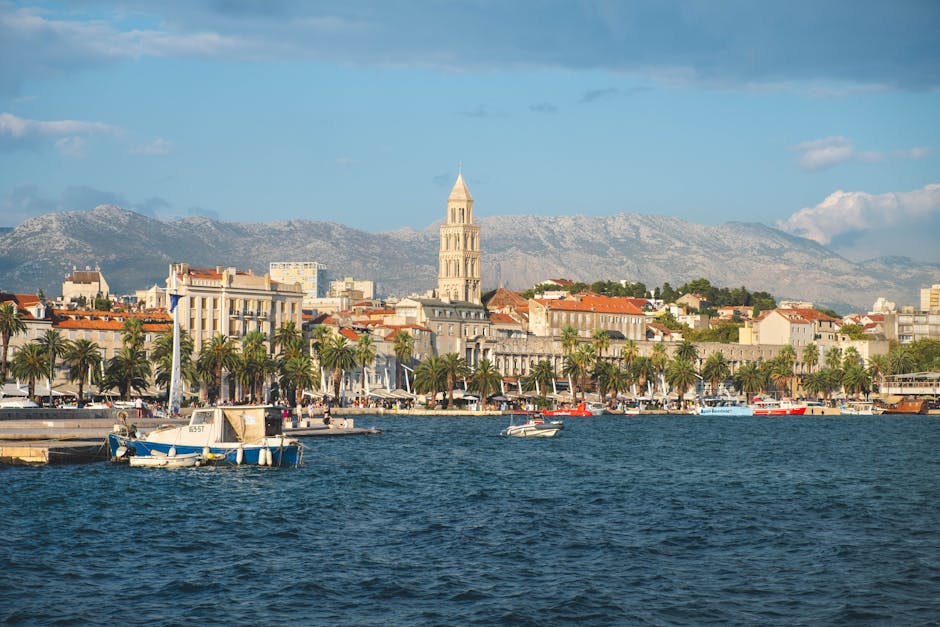
Safety: Split is generally safe for travelers, but like any tourist destination, be mindful of your belongings and avoid poorly lit areas at night.
Tipping: While not mandatory, rounding up your bill or leaving a tip of 10-15% at restaurants is appreciated.
Language: Croatian is the official language, but English is widely spoken, especially in tourist areas. Learning a few basic phrases can enhance your experience.
SIM Cards: If you need mobile data, consider purchasing a local SIM card upon arrival. They are affordable and can be found at kiosks or convenience stores.
Scams to Avoid: Be cautious of overly friendly strangers offering unsolicited help or services. Stick to official tourist information for guidance.
Local Etiquette: When visiting churches or religious sites, dress modestly and be respectful of local customs.
Cash vs. Card: While many places accept credit cards, small shops and markets may only take cash. It’s a good idea to have some kuna on hand for smaller purchases.
Whether you’re exploring the historic streets, indulging in local cuisine, or soaking up the sun on the beach, Split offers a rich and diverse experience that will leave you with unforgettable memories. If you’re also considering a trip to the Amalfi Coast, Italy or Porto, Portugal , check out our guide for more travel inspiration.