📌 Disclaimer
Prices, schedules, tour details, flight routes, visa requirements, and all other information on this page are based on data at the time of writing. Fares, availability, and policies may change. Please verify current details on the official website before booking.
Why Visit Sorrento?#
The scent of crushed lemon leaves hangs heavy over the cobblestones, mixing with the briny tang of the salt breeze rolling off the Bay of Naples. Perched on sheer volcanic cliffs, this town acts as the grand gateway to the Amalfi Coast, offering American travelers a seamless blend of old-world Italian charm and modern convenience. Unlike the steeper, more isolated villages further down the peninsula, this cliffside destination provides flat terrain once you reach the plateau, making afternoon strolls remarkably accessible after a long trans-Atlantic flight.
Travelers choose this base for its exceptional logistics. Ferries depart constantly for Capri and Ischia, while the commuter train connects travelers directly to the ruins of Pompeii within forty minutes. Yet, the town itself demands slow exploration. Cliffside elevators and carved stone staircases lead down to working marinas where fishermen mend nets beside sunbathers, creating a daily rhythm that feels far removed from the tourist hubs of Rome or Florence .
Beyond its geography, the atmosphere wins visitors over. Historic workshops line the narrow lanes, where artisans still practice the centuries-old craft of wood inlay, known locally as intarsia. The pace of life encourages lingering over espresso in the main square at mid-morning, followed by a limoncello spritz as the evening sun turns the limestone cliffs a deep, warm amber. It serves as an ideal introduction to southern Italy for first-time visitors from the United States , offering a comfortable balance of familiar amenities and authentic local culture.
Best Time to Visit Sorrento#
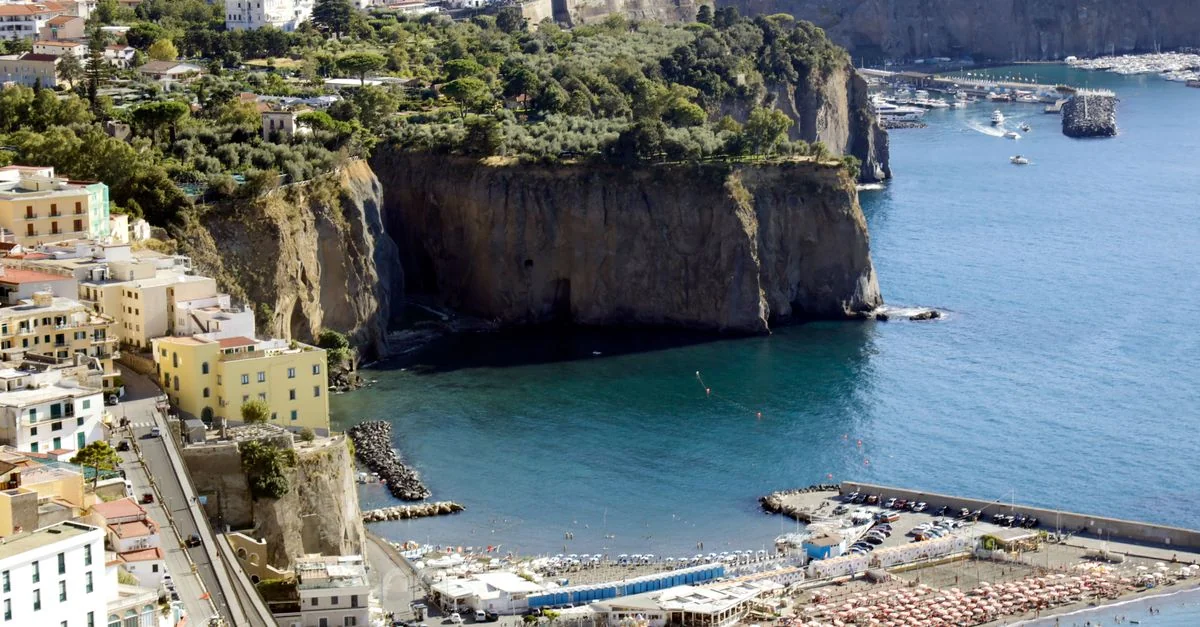
Planning a trip across the Atlantic requires careful attention to the Mediterranean calendar, as weather and crowds fluctuate dramatically throughout the year. The shoulder season months of May, June, September, and October offer the most rewarding experience for visitors seeking pleasant temperatures and manageable crowds. During May and early June, daytime highs hover in the mid-seventies, wildflowers bloom along the cliff paths, and outdoor café seating is widely available without a wait. September brings warm sea temperatures leftover from summer, combined with the grape harvest in surrounding vineyards and a noticeable thinning of tourist crowds.
July and August bring intense heat, high humidity, and peak pricing across all travel sectors. American travelers visiting during these mid-summer months will encounter crowded ferry docks and packed piazzas, though the long daylight hours allow for extended evening exploration. Hotel rates reach their annual maximums during this period, and advance reservations for popular restaurants and boat tours become mandatory weeks ahead of time.
The late autumn and winter months, spanning from November through February, present a completely different atmosphere. Temperatures drop into the fifties, frequent rain showers sweep across the bay, and many seasonal hotels and restaurants close for annual maintenance. However, budget-conscious travelers will find the lowest accommodation rates of the year. While ferry service to neighboring islands scales back significantly, the town remains an authentic working community where locals gather in neighborhood trattorias, and the Christmas season brings festive lights and elaborate nativity displays to the historic center.
Where to Stay in Sorrento#
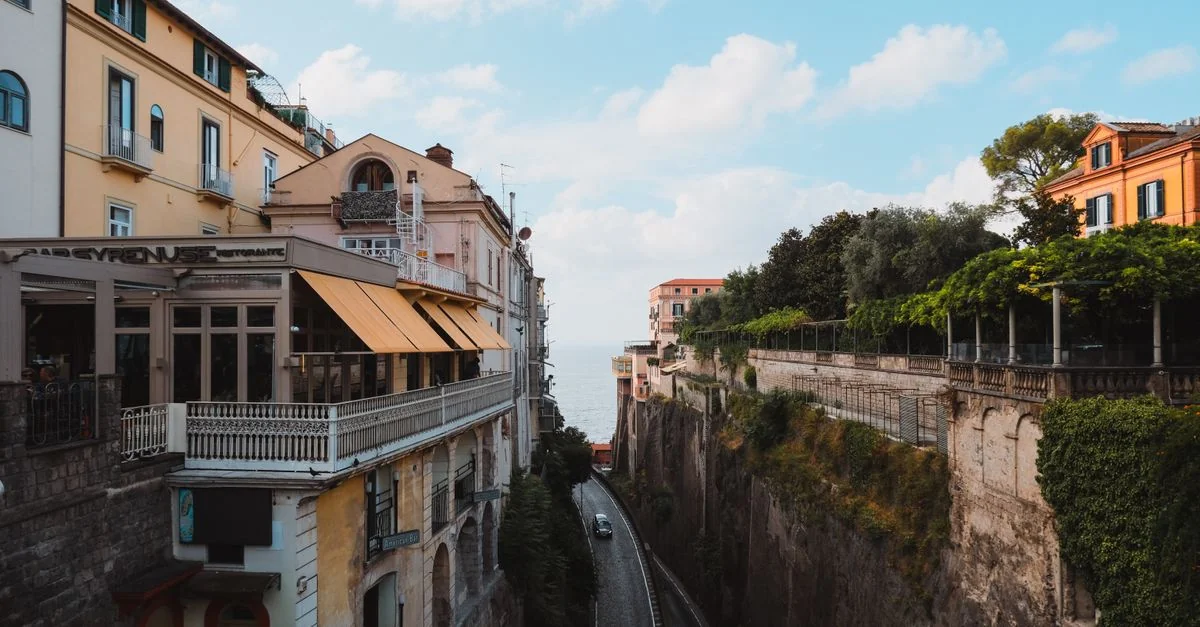
Choosing the right neighborhood shapes your daily experience, as the town features distinct zones catering to different travel styles. The Historic Center, or Centro Storico, places you right in the middle of the pedestrian zone, surrounded by centuries-old churches, artisan workshops, and gelaterias. This area favors mid-range and boutique travelers who want to step out of their door directly into the evening passeggiata. Accommodation options here tend to be historic townhouses converted into small inns, where nightly rates generally range from $150 to $300, though budget guesthouses can occasionally be found slightly off the main drags starting around $90.
For those seeking dramatic sea views and upscale amenities, the Cliffside and Marina Grande neighborhoods deliver the classic Italian Riviera aesthetic. Luxury cliffside properties feature private elevators descending through the rock face to swimming platforms and sun decks, with rates easily exceeding $400 to $800 per night during peak season. A short walk down the ancient stone path leads to Marina Grande, a quieter fishing quarter where budget-friendly family-run apartments and mid-range pensions offer a more traditional, residential feel right at the water’s edge.
Travelers looking for a quieter retreat or those utilizing a rental car often prefer the Piazza Tasso Outskirts and Sant’Agnello district just to the east. This area provides a slightly more modern environment with larger hotels, better parking access, and lower average price points. Mid-range properties here typically charge $120 to $220 per night, making it an excellent choice for families or groups who prioritize space and tranquility over immediate proximity to the historical core.
Top Things to Do in Sorrento#
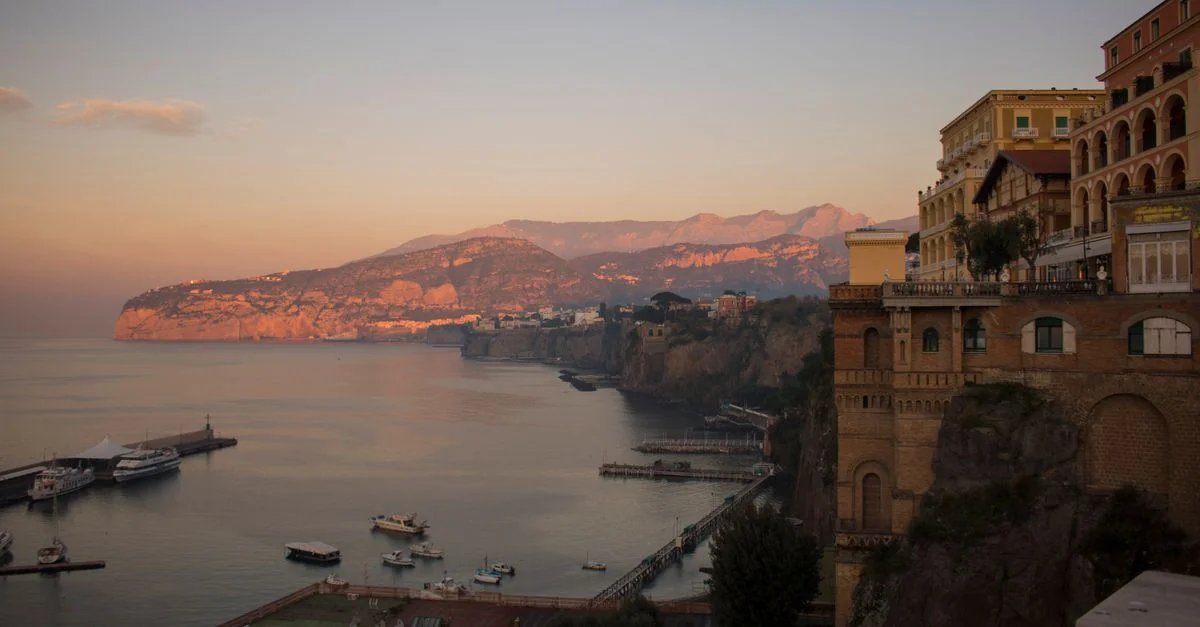
Begin your exploration at Piazza Tasso, the busy social heart of the town where locals and visitors intersect around outdoor café tables. From this central square, wander into the adjacent narrow lanes of the historic quarter to browse shops specializing in handcrafted leather goods and local lemon products. Duck inside the Basilica di Sant’Antonino, a quiet sanctuary dedicated to the town’s patron saint, where ancient Roman columns support the interior and curious maritime ex-votos line the walls to thank the saint for saving sailors from shipwrecks.
Take a stroll down to Villa Comunale Park, a shaded clifftop public garden that provides sweeping, unobstructed views across the Bay of Naples toward Mount Vesuvius and the distant silhouette of Naples. Next to the park, board the cliffside elevator or walk the winding path down to Marina Piccola to catch a ferry or simply watch the maritime traffic bustle against the rocky shore. For a contrasting seaside experience, walk over to Marina Grande, where colorful wooden fishing boats rest on the sand and seaside trattorias serve catches brought in just hours before.
Venture beyond the town center to explore Corso Italia, the main modern thoroughfare lined with clothing boutiques, bookstores, and specialty food shops where you can sample regional cheeses. Step off the main street to visit Museo Correale di Terranova, an elegant 18th-century villa housing an impressive collection of Neapolitan painting, antique porcelain, and local archaeological artifacts, surrounded by citrus orchards overlooking the sea.
Spend an afternoon exploring the terraced lemon groves at I Giardini di Cataldo, a working family estate right in town where you can witness how local farmers cultivate the giant Ovale di Sorrento lemons used to produce traditional digestifs. Finally, dedicate a morning to walking the historic stone steps of the Deep Valley of the Mills, known locally as Il Vallone dei Mulini, where an abandoned medieval flour mill is slowly being reclaimed by lush ferns and hanging ivy in a dramatic prehistoric-looking canyon.
Food and Dining Guide#
The local cuisine reflects the bounty of the surrounding Campania region, combining sun-ripened produce, fresh seafood, and rich dairy traditions. No meal here is complete without ordering Gnocchi alla Sorrentina, a comforting dish of potato dumplings baked in a earthenware dish with sweet San Marzano tomato sauce, fresh fior di latte mozzarella, and fragrant basil leaves. Another regional staple is Spaghetti alle Vongole, featuring long strands of pasta tossed with fresh local clams, garlic, white wine, and a generous scatter of flat-leaf parsley.
When dining out, seek out neighborhood trattorias for authentic preparations of Pesce all’Acqua Pazza, a simple yet flavorful white fish poached in a broth of cherry tomatoes, garlic, and olive oil. For a quick lunch on the go, stop by a local salumeria for a panino filled with Prosciutto di Parma and Mozzarella di Bufala, made from the rich milk of water buffalo raised on nearby plains. Street food stalls also offer Cuoppo di Pesce Fritto, a paper cone filled with a crispy assortment of fried whitebait, squid, and shrimp, seasoned simply with sea salt and a squeeze of fresh lemon.
For dessert, indulge in Delizia al Limone, a small sponge cake dome soaked in limoncello syrup and coated in a velvety lemon-infused cream glaze that highlights the region’s famous citrus. While fine dining establishments offer refined interpretations of these classics in romantic courtyard settings, casual family-run pizzerias provide equally memorable meals where wood-fired pies emerge from the oven with charred, bubbly crusts in under ninety seconds.
Getting Around Sorrento#
Navigating the area requires a mix of walking, public transit, and maritime travel, as the geography makes traditional driving and parking a challenge. The town center is entirely pedestrianized, making Walking the absolute best way to explore the historic core, plazas, and clifftop viewpoints. Comfortable walking shoes with good traction are essential, as you will frequently encounter uneven cobblestones and stone staircases connecting the upper plateau to the lower marinas.
When venturing out to regional highlights like Pompeii, Herculaneum, or Naples, the Circumvesuviana Train provides a reliable, budget-friendly commuter line. Trains depart regularly from the main station, though cars can become quite crowded during peak morning hours. For journeys down the Amalfi Coast toward Positano and Amalfi, the SITA Bus network offers scenic cliffside rides, though winding roads and heavy summer traffic can lead to significant delays. Buying tickets in advance at local tobacco shops or newsstands is mandatory, as tickets are not sold on board.
Ferries and Hydrofoils operate from Marina Piccola during the spring, summer, and early autumn months, connecting the town directly to Capri, Ischia, Procida, and Naples. This maritime route is faster and far more scenic than traveling by road. Taxis are readily available at designated stands near Piazza Tasso and the train station, but they operate on fixed or metered rates that increase significantly at night and for luggage, so it is always wise to confirm the fare with the driver before departure. Rental Cars are strongly discouraged for exploring the immediate coastline due to narrow roads, aggressive local driving habits, and exorbitant parking fees that often exceed $30 to $50 per day.
Budget Breakdown#
Planning your financial outlay for a trip to this region depends heavily on your preferred travel style and the time of year you choose to visit. For Budget Travelers staying in guesthouses, hostels, or modest family-run B&Bs on the outskirts, daily expenses typically range from $70 to $120 per day. This estimate covers simple accommodations running around $60 to $90 a night, casual meals consisting of street food, panini, and bakery items, public transit tickets on trains and buses, and free walking activities or low-cost church visits.
Mid-Range Travelers can expect a daily budget of $200 to $400 per day. This tier allows for comfortable stays in central boutique hotels or seaside rooms priced between $150 and $280 per night. You can enjoy sit-down lunches and dinners at traditional trattorias with a bottle of local wine, purchase tickets for ferry excursions to nearby islands, book a shared group boat tour, and utilize occasional taxi services when walking up the steep grades with luggage becomes cumbersome.
Luxury Travelers should anticipate spending upwards of $500 to $1,000-plus per day. Premium cliffside hotels with private balconies, infinity pools, and spa facilities easily command $450 to $800 or more per night during high season. High-end dining experiences, private guided tours of Pompeii, chartered wooden speedboats for private coastal excursions, and private airport transfers from Naples all contribute to the elevated budget required for a top-tier southern Italian holiday.
Travel Tips for Sorrento#
Hydration and Tap Water is entirely safe to drink throughout the town, though locals and restaurants almost universally prefer bottled mineral water served chilled. Carrying a reusable stainless steel bottle allows you to fill up at public drinking fountains located around the main squares, keeping you refreshed during warm afternoon walks through the historic lanes.
Tipping Etiquette differs significantly from American standards. Service charges are rarely included automatically on bills unless you are sitting at a table with a mandatory coperto, a standard per-person cover charge that covers bread and table setting, which typically ranges from two to four euros. Leaving a modest tip of one to two euros per person for good service at casual restaurants is appreciated, while rounding up the bill or leaving five to ten percent at high-end dining establishments is customary for exceptional attention.
Language and Communication is straightforward since English is widely spoken in hotels, restaurants, and tourist shops. However, making an effort to learn basic Italian phrases like buongiorno for good morning, per favore for please, and grazie for thank you goes a long way in establishing goodwill with local shopkeepers and residents.
Siesta Culture remains a quiet part of the daily rhythm, particularly outside of peak summer tourist zones. Many independent shops, artisan workshops, and family-run grocery stores close their doors between one and four in the afternoon before reopening for the evening shopping hours. Plan your major sightseeing, museum visits, or long lunches accordingly so you are never caught looking for an open pharmacy or souvenir shop during the mid-afternoon lull.
Pickpocketing Awareness is standard practice in any high-traffic European destination. While the town feels remarkably safe compared to larger urban centers like Rome or Naples, crowded trains, busy ferry terminals, and packed pedestrian streets invite opportunistic theft. Keep your wallet in your front pocket, secure purses with zippers, and remain aware of your surroundings when navigating busy transit hubs.
Reservations for Dinner are crucial during the spring and summer months if you hope to secure a table at popular waterfront restaurants or well-reviewed trattorias. Asking your hotel front desk to call ahead and book a table for eight or nine in the evening ensures you will not spend valuable vacation time waiting on crowded sidewalks during the peak dining rush.
📌 Disclaimer
Prices, schedules, tour details, flight routes, visa requirements, and all other information on this page are based on data at the time of writing. Fares, availability, and policies may change. Please verify current details on the official website before booking.
📌 More about Sorrento