📌 Disclaimer
Prices, schedules, tour details, flight routes, visa requirements, and all other information on this page are based on data at the time of writing. Fares, availability, and policies may change. Please verify current details on the official website before booking.
Why Visit Skjolden?#
The sharp scent of wet granite and melting glacial ice hits you the moment you step out of your car at the end of the Lustrafjord. Skjolden sits quietly at the innermost fingertip of Norway ’s longest and deepest fjord, surrounded by vertical mountain walls that seem to scrape the low-hanging Scandinavian clouds. Waterfalls cascade down these sheer cliffs in silver threads, feeding the turquoise fjord waters that ripple softly against the shoreline. For American travelers accustomed to sprawling national parks and vast open horizons, this dramatic Norwegian landscape offers a striking contrast where immense scale meets intimate, pastoral quiet.
Beyond the immediate visual drama, this remote corner of Vestland county serves as a natural gateway to some of the country’s most dramatic alpine scenery. The village itself functions as a peaceful basecamp, far removed from the heavy tourist congestion found in Norway’s larger coastal cities. Here, you wake up to the sound of rushing rivers and bleating sheep rather than traffic. It appeals directly to travelers who prefer slow mornings with a view of snow-capped peaks over packed itineraries and rigid schedules.
Choosing this destination means trading urban amenities for raw geography. The local community values quiet preservation, making it an ideal escape for hiking enthusiasts, landscape photographers, and anyone seeking a genuine Norwegian fjord experience. Every direction you look presents a postcard composition, from the historic wooden farmhouses clinging to hillsides to the deep blue expanse of the water stretching back toward the open sea.
Best Time to Visit Skjolden#
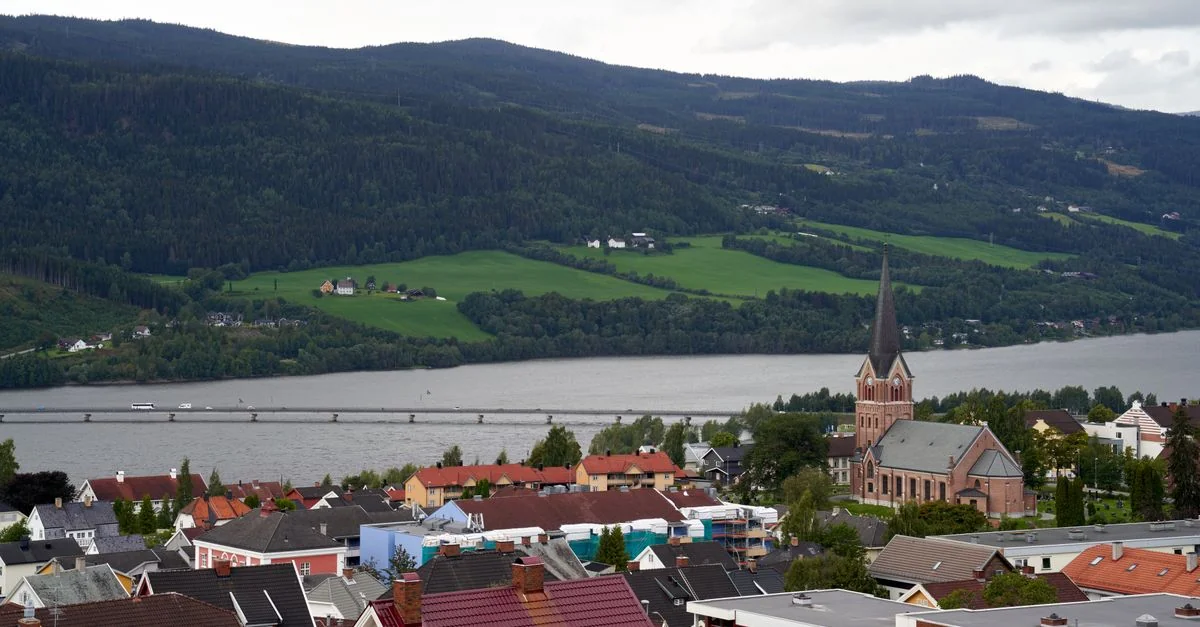
Planning your trip requires careful attention to Norway’s distinct seasonal shifts, as weather dictates nearly all outdoor activities in this mountainous region. The peak summer window spans from June through August, bringing long daylight hours and generally stable weather. During June and July, daylight stretches past midnight, giving you ample time to complete long hikes without rushing. Temperatures remain mild, though mountain passes can still carry chilly winds. This period sees the highest volume of travelers and peak pricing for accommodations and car rentals, requiring reservations several months in advance.
Spring arrives slowly in May, bringing roaring waterfalls fueled by melting snow from the high plateaus. While lower elevations turn green, upper hiking trails often remain blocked by snowpacks until late June. Prices during the shoulder months of May and September tend to moderate, and crowds thin out considerably. September introduces autumn colors to the birch forests, painting the lower slopes in deep golds and reds, though the weather becomes increasingly unpredictable with frequent rain and dropping temperatures.
Winter, lasting from November to April, transforms the fjord into a monochromatic landscape of white and grey. Most standard tourist accommodations and boat services shut down for the season, as heavy snowfall closes mountain passes like the breathtaking Sognefjellsvegen. Unless you are specifically seeking backcountry skiing or complete isolation, winter travel here presents significant logistical challenges for visitors unfamiliar with extreme Nordic winter driving conditions.
Where to Stay in Skjolden#
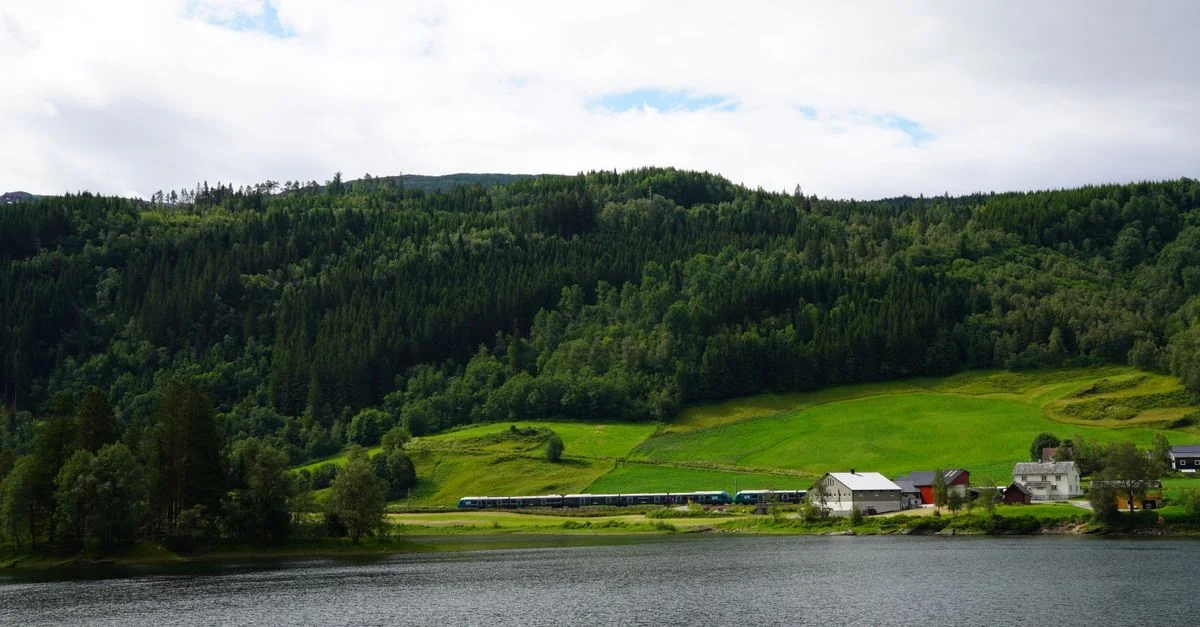
Finding the right place to rest depends entirely on the type of atmosphere you want during your stay. The immediate village center offers the greatest convenience, placing you within walking distance of the local grocery store, the small marina, and the fjord edge. Staying right in the core suits travelers who prefer a mid-range approach, offering traditional guesthouses and modern cabins where you can cook your own meals while looking out at the water. Prices here reflect the central location, though they remain moderate compared to Norway’s major urban centers.
For a more secluded experience, look toward the properties scattered along the valley floor stretching inland toward Fortun. This area provides budget-friendly campsites and rustic wooden cabins surrounded by rushing rivers and grazing livestock. It is an exceptional spot for travelers who want to step straight from their front door onto a hiking trail without needing to drive anywhere. The accommodations lean toward basic comforts, making it popular with independent road-trippers and camping enthusiasts.
If you seek absolute luxury and architectural design, look for high-end boutique lodges perched on the hillsides above the fjord. These properties prioritize panoramic windows, private saunas, and minimalist Scandinavian interiors that frame the landscape like a living painting. While these luxury stays command top-tier pricing, they deliver an unmatched level of privacy, gourmet dining featuring regional ingredients, and personalized service tailored to travelers looking to splurge on a special occasion.
Top Things to Do in Skjolden#
Exploring this fjord village centers almost entirely on outdoor movement and taking in the sheer scale of the surrounding geography. A primary highlight for any visitor is driving or cycling up Sognefjellsvegen, the highest mountain pass in Northern Europe . This national tourist route climbs from sea level up onto a stark, moon-like plateau of perpetual snow and ice, offering sweeping vistas of the Jotunheimen mountains. Stopping at various viewpoints along the way reveals frozen lakes and jagged peaks that stretch endlessly toward the horizon.
Just a short drive from the village center brings you to Feigumfossen, one of the tallest regulated waterfalls in the country. A well-maintained hiking trail leads up the mountainside through birch forests to a dramatic viewpoint near the thundering base of the falls. The spray cools the air, and the sheer volume of water plunging down the rock face creates a deafening, mesmerizing roar.
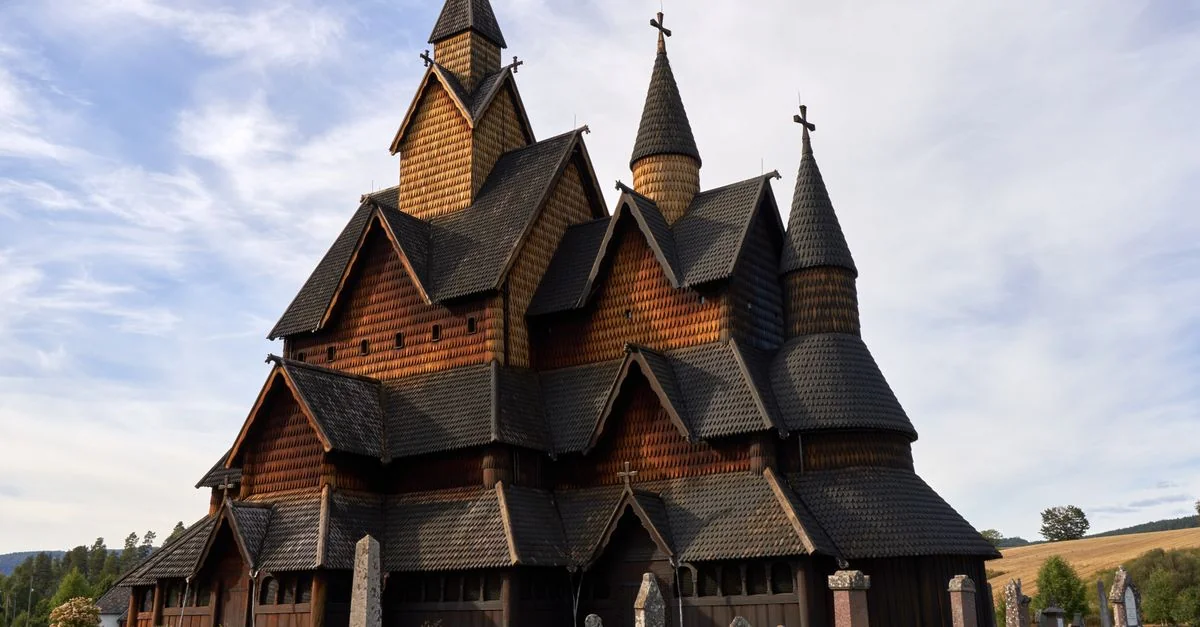
For a deep dive into local history, seek out Urnes Stave Church, located across the fjord and accessible via a short ferry ride from nearby Solvorn. As the oldest of Norway’s surviving stave churches, this UNESCO World Heritage site features intricate wood carvings depicting mythical beasts and Christian symbols, constructed entirely without nails during the twelfth century. The dark timber contrasts sharply against the bright green hillsides dropping into the water.
Back on the valley floor, renting a kayak to paddle on the calm waters near the mouth of the Fortunsdalselva River offers a unique perspective of the landscape. Glacial flour suspended in the river turns the water a milky turquoise where it meets the darker fjord. Paddling quietly along the shoreline often brings you close to nesting seabirds and offers uninterrupted views of the steep cliffs rising straight out of the water.
Venture further into the high country to tackle the approach to Fannaråki, a dramatic peak holding Norway’s highest-altitude tourist cabin. This strenuous day hike requires solid mountaineering boots and stamina as it ascends through boulder fields and across lingering snow patches, rewarding successful climbers with a panorama that spans across multiple mountain ranges.
For a more leisurely excursion, the flat roads winding through the Mørkerdalen Valley provide an easy walking route past abandoned farmsteads, rushing streams, and dense pine forests. It is an ideal spot for a quiet afternoon stroll when you want to avoid steep elevation gains while still immersing yourself in the wilderness.
History enthusiasts will appreciate a visit to the nearby monument dedicated to the philosopher Ludwig Wittgenstein, who spent several summers living in an isolated mountain cabin above Skjolden. A steep trail leads up to the site of Wittgenstein’s Cabin, where visitors can sit on the very rocks that inspired some of his twentieth-century writings on logic and language.
Finally, take time simply to wander the shoreline near the municipal dock during the late evening hours in mid-summer. The phenomenon known as the midnight sun casts a long, golden glow over the water, turning the granite peaks shades of pink and orange in a display of natural light that requires no physical exertion to enjoy.
Food and Dining Guide#
Dining in this region revolves around simple, hearty fare sourced directly from the surrounding mountains, fjords, and farms. Because the settlement is small, restaurant options are limited, meaning most visitors combine dining out with self-catering using items from the local grocery store. Traditional Norwegian cuisine emphasizes preservation and freshness, utilizing methods passed down through generations to survive the harsh winters.
A quintessential breakfast or lunch item you must try is brunost, a traditional brown goat’s cheese that is caramelized during production, giving it a sweet, fudge-like flavor profile that pairs exceptionally well with thin slices of crispbread and raspberry jam. It is an acquired taste for some Americans, but an essential part of the daily Nordic routine.
For dinner, rakfisk represents a solid test of adventurous local eating. This fermented trout is salted and left to age for several months, resulting in a pungent aroma and a rich, buttery texture. It is typically served on flatbread with raw onions, sour cream, and mustard sauce. If fermented fish sounds too intense, fresh laks prepared as lightly salted gravlax offers a milder, highly approachable introduction to local seafood.
When looking for a warm meal after a long day of hiking, seek out traditional fårikål, Norway’s national dish consisting of mutton and cabbage layered with whole black peppercorns and wheat flour, then simmered for hours until the meat falls apart. It is comfort food at its finest, usually served with boiled potatoes on the side.
Street food culture does not exist in the traditional sense here, but local gas stations and small roadside kiosks serve surprisingly good pølse, standard Norwegian hot dogs wrapped in lompe, a soft potato flatbread rather than a traditional bun, topped with crispy onions and sweet mustard. For sit-down dining, the few local hotel restaurants and cafes focus on seasonal menus featuring locally harvested game, cloudberries picked from the bogs, and fresh fish pulled straight from the fjord.
Getting Around Skjolden#
Navigating this mountainous region effectively requires a strategic approach, as public transportation options are limited compared to major European destinations. Renting a car is practically essential for American travelers who want freedom of movement. Picking up a vehicle at a major airport like Bergen or Oslo allows you to tackle the scenic national tourist routes at your own pace, stopping whenever a waterfall or viewpoint catches your eye. Keep in mind that rural Norwegian roads can be narrow, winding, and prone to sudden livestock crossings, so manual transmission proficiency or booking an automatic vehicle well in advance is crucial.
Public buses do operate in the region, connecting the village to neighboring fjord communities and larger transport hubs, but schedules run infrequently—often only once or twice a day. Relying solely on buses requires meticulous planning and severely restricts your ability to reach remote trailheads. Taxis are scarce and prohibitively expensive for long-distance travel, making them impractical for general sightseeing.
Once you arrive at your accommodation, walking serves as the best way to navigate the immediate village center and nearby fjord shores. However, reaching trailheads, mountain passes, and nearby historical sites demands a car, bicycle, or joining a guided excursion. Cyclists will find the valley roads exhilarating, though the climbs up to the mountain plateaus require strong legs and high-end gear due to steep gradients and changing weather conditions.
Budget Breakdown#
Traveling through this remote fjord region can range from moderately expensive to a significant luxury investment, primarily driven by Norway’s overall high cost of living. Planning your daily expenses helps prevent financial surprises during your vacation.
Budget travelers relying on campsites, rustic unserviced cabins, and grocery store meals can expect daily expenditures to remain relatively modest. This tier involves pitching a tent or renting a basic sleeping barrel, cooking all meals over a camp stove or using hostel kitchens, utilizing public buses where possible, and focusing exclusively on free outdoor activities like hiking and swimming in the fjord.
Mid-range travelers typically book comfortable guesthouses or standard fjord-view cabins, rent a reliable economy car for the duration of the trip, enjoy a mix of self-catering and casual dining at local cafes, and occasionally pay for guided activities like fjord rib-boat tours or ferry crossings. This approach balances comfort with financial awareness, offering a smooth travel experience without excessive luxury spending.
Luxury travelers opt for high-end boutique lodges with panoramic architecture, rent premium automatic vehicles, dine exclusively on gourmet regional cuisine at upscale hotel restaurants, and hire private guides for alpine hikes and glacier excursions. Daily costs at this top tier escalate rapidly, reflecting the exclusivity of personalized services and high-end accommodations in remote Norwegian settings.
Travel Tips for Skjolden#
Packing Layers remains the single most important rule for surviving and enjoying the unpredictable mountain climate. Even in mid-summer, a sunny morning can turn into a cold, driving rain by afternoon, making a waterproof outer shell, fleece mid-layers, and moisture-wicking wool base layers absolutely essential for any outdoor excursion.
Cashless Society is the operational standard throughout Norway, meaning you will rarely need physical currency. Credit and debit cards with chip-and-PIN capability are accepted everywhere, from rural parking meters to remote souvenir stands, though carrying a small amount of backup cash for rare honor-system farm stands is never a bad idea.
Right to Roam, known locally as allemannsretten, grants everyone the legal right to access, walk, and camp on uncultivated land in the countryside. While this freedom allows you to pitch a tent in stunning wilderness areas, it comes with strict ethical responsibilities regarding waste management, respecting private property boundaries, and leaving nature exactly as you found it.
Driving Caution is mandatory when navigating rural mountain passes and narrow fjord roads. Many routes feature single-lane sections with designated turnouts called møteplass; understanding how to use these passing spaces and yielding to oncoming traffic heading uphill is critical for safe and stress-free mountain driving.
Weather Checking should become a daily morning habit before starting on any hike or scenic drive. Mountain weather changes with terrifying speed, and local forecasting tools provide accurate, localized data that can save you from getting caught in dangerous high-altitude fog, high winds, or sudden snow squalls.
Midges and Mosquitos can be a nuisance during calm, humid summer evenings near wetlands and forests. Packing a reliable insect repellent containing DEET or picaridin ensures your evening walks along the valley floor remain comfortable and bite-free.
📌 Disclaimer
Prices, schedules, tour details, flight routes, visa requirements, and all other information on this page are based on data at the time of writing. Fares, availability, and policies may change. Please verify current details on the official website before booking.
📌 More about Skjolden