📌 Disclaimer
Prices, schedules, tour details, flight routes, visa requirements, and all other information on this page are based on data at the time of writing. Fares, availability, and policies may change. Please verify current details on the official website before booking.
Why Visit Skagway?#
The sharp smell of creosote rises from the aging wooden docks every time a historic steam train whistle echoes off the granite cliffs framing the Lynn Canal. As North America ’s deepest fjord cradles the edge of town, travelers stepping off the ship find themselves surrounded by boardwalks that have remained largely unchanged since the Klondike Gold Rush of 1898. This narrow valley in Southeast Alaska functions as a living museum where the ghosts of stampeders, prospectors, and frontier entrepreneurs still seem to linger around every corner of the historic downtown district.
What separates this destination from other cruise ports along the Inside Passage is the scale of its preserved history and the sheer drama of the surrounding wilderness. The town itself spans a few compact blocks of false-front buildings managed by the National Park Service, maintaining an authentic atmosphere that honors its rowdy past. Beyond the saloons and museums, the White Pass and Yukon Route railroad tracks carve straight up sheer precipices, following the exact footpaths where thousands of hopeful miners perished in search of fortune more than a century ago.
For American travelers seeking a genuine connection to frontier history coupled with accessible alpine wilderness, this southeastern outpost delivers an impressive experience. Visitors can hike the original mountain passes, pan for gold in rushing glacial streams, and learn about the indigenous Tlingit people who stewarded these lands long before the stampeders arrived. The unique geography forces the town against the water, creating a tight-knit community feel where locals readily share stories of surviving long winters under the shadow of towering peaks.
Best Time to Visit Skagway#
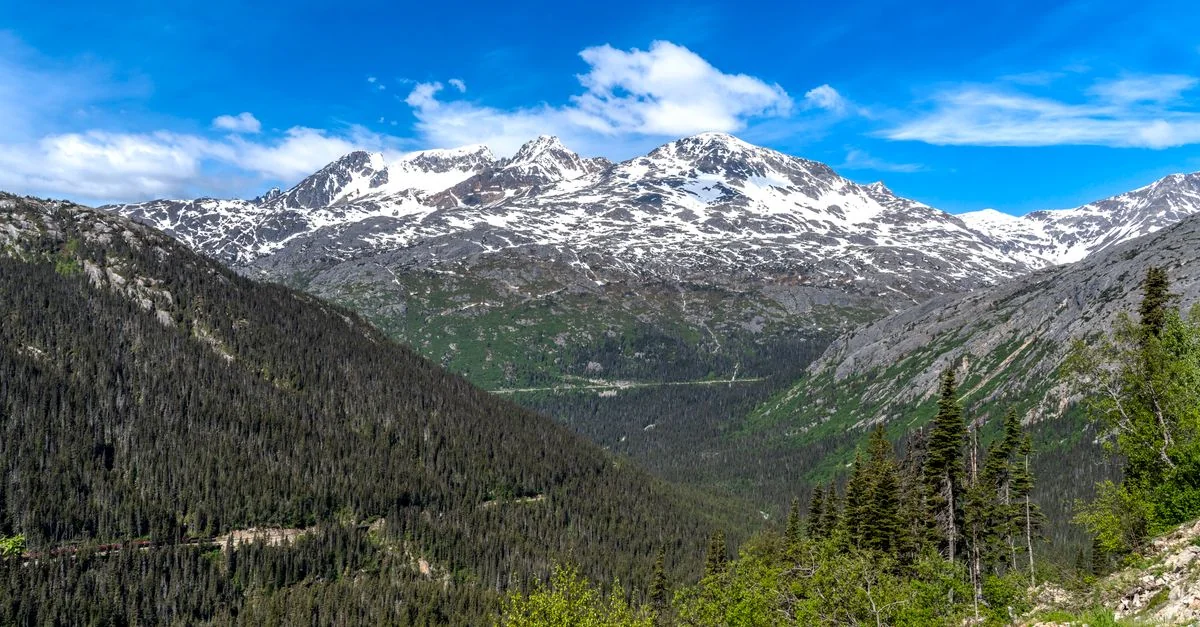
The seasonal window for visiting this northern corner of Alaska is relatively brief, running primarily from May through September to align with the operation of the cruise industry and the thawing of the mountain passes. May brings crisp, clear mornings and lower crowd levels, though travelers should expect lingering snow patches on higher elevation trails and cooler temperatures hovering in the fifties Fahrenheit. This early shoulder season offers the advantage of uncrowded boardwalks and easier availability for lodging and excursions before the peak summer rush sets in.
June, July, and August represent the high season, bringing long daylight hours—often reaching nearly eighteen hours of sunlight—and warmer daytime temperatures that routinely climb into the sixties or low seventies. Cruise ship traffic peaks during these summer months, meaning the historic downtown corridor fills with pedestrians during midday hours, and advance bookings for popular train excursions and rental vehicles become essential. Prices for accommodations and guided tours reach their annual maximum during this period, but the trade-off is guaranteed access to all local businesses, hiking trails, and outdoor outfitters.
September brings a dramatic shift as autumn arrives quickly in the northern latitudes, painting the mountain slopes in brilliant shades of yellow and orange before the first snows dust the peaks. Crowds dissipate rapidly after Labor Day, and many local shops begin scaling back their hours or closing for the winter season by the end of the month. Travelers prioritizing solitude, changing foliage, and lower accommodation rates will find late August and early September to be the most rewarding time for a visit, provided they pack adequate rain gear for the shifting maritime weather.
Where to Stay in Skagway#
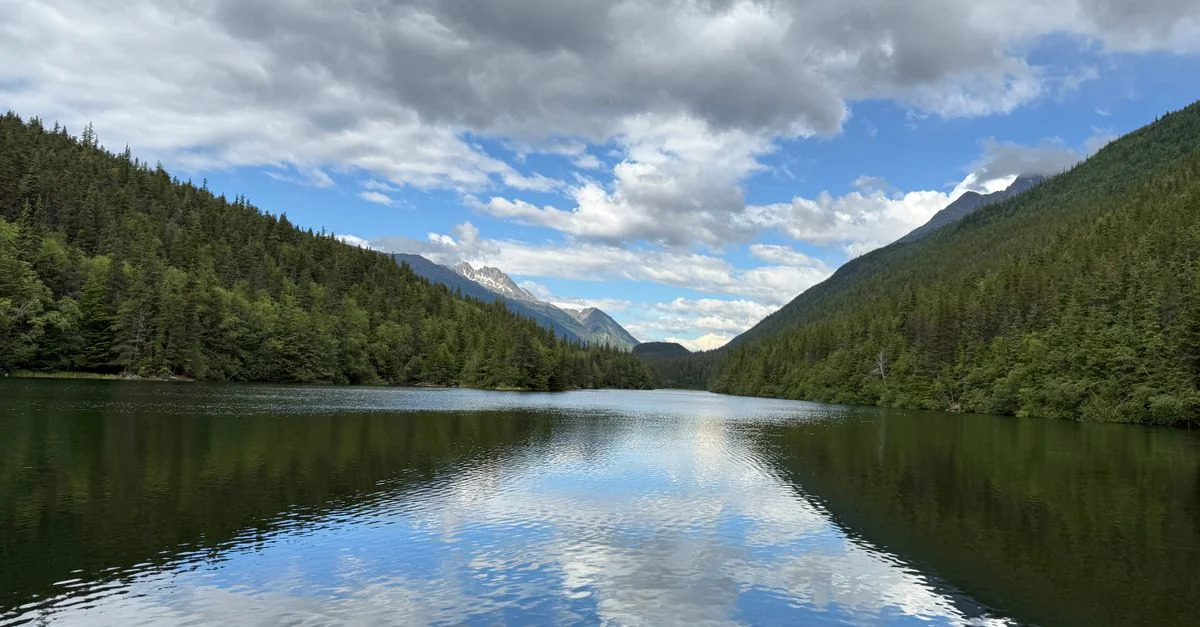
Choosing where to lay your head depends largely on whether you prefer historic charm, proximity to the hiking trails, or quiet seclusion away from the central commercial district. The Historic Downtown Core puts you within easy walking distance of the saloons, museums, and cruise docks, making it the most convenient choice for travelers arriving without a personal vehicle. Accommodations in this central area range from restored Victorian bed-and-breakfasts to mid-range motels, with prices generally sitting at the higher end of the local spectrum due to the high demand for walkable locations.
Just a short walk or shuttle ride away, the Residential and Waterfront Area offers a quieter neighborhood feel while keeping you connected to the town center via flat, easy sidewalks. This district features a mix of standard roadside motels and independent guesthouses, often catering to mid-range budgets with more spacious rooms and quieter surroundings at night. Staying near the boat harbor also provides immediate access to marine excursions and sweeping views across the salt chuck toward the surrounding mountains.
For travelers seeking a solid wilderness escape, the Skagway River Valley extending north toward the Yukon border provides rustic cabins and woodland lodges situated a few miles outside town. These properties range from basic, budget-friendly forest cabins to secluded luxury wilderness retreats where guests can watch bears forage in the nearby brush and listen to the river rushing past their windows. Renting a car is practically mandatory if you choose this outlying region, but the reward is total immersion in the wild geography of the Alaskan panhandle.
Top Things to Do in Skagway#
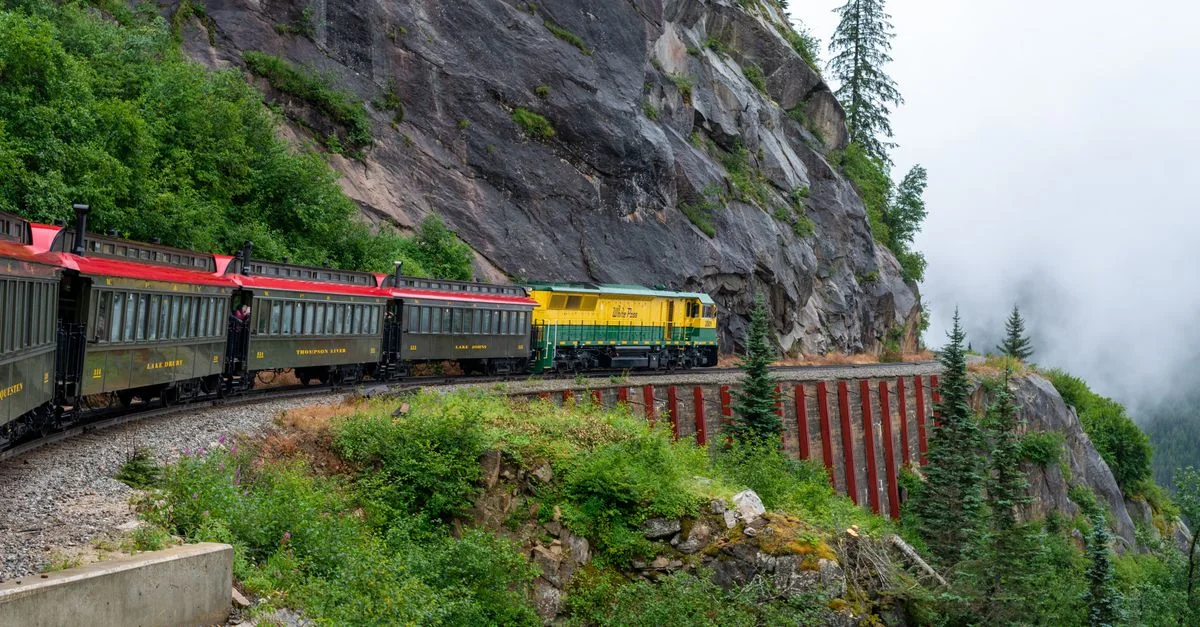
The iron rails of the White Pass and Yukon Route Railroad offer one of the most scenic narrow-gauge train journeys in the world, climbing nearly three thousand feet over sheer cliffs, waterfalls, and trestles to the Canadian border. Passengers sit in vintage passenger cars while the conductor narrates the harrowing history of the stampeders who attempted this same route on foot during the winter of 1898. Another legendary path, the Chilkoot Trail, challenges modern hikers to retrace the thirty-three-mile pack trail over the summit into British Columbia, though day-hikers can easily sample the lower forested miles without committing to the full multi-day trek.
History enthusiasts will find plenty to explore within the Klondike Gold Rush National Historical Park, where rangers lead free walking tours through restored buildings like the Mascot Saloon and the Moore Homestead. For a deeper look into the regional ecosystem and local lore, the Trail of ‘98 Museum houses an exceptional collection of artifacts, photographs, and Tlingit beadwork inside a striking stone building that once served as a schoolhouse.
Venture slightly off the beaten path to explore Yakutania Point and Smuggler’s Cove, a short, wooded hike starting right from the edge of the town boat harbor. This lesser-known coastal trail winds through hemlock forests, crosses a footbridge over the Taiya Inlet, and leads to secluded rocky beaches where harbor seals often bob in the tide. Continuing past the cove brings you to the abandoned townsite of Skagway’s Gold Rush Cemetery, where notorious outlaws like Soapy Smith are buried alongside the lawmen who brought about his demise in a famous shootout.
For a standout aerial perspective, local flightseeing operators offer helicopter excursions that land directly on the surface of Laughton Glacier, allowing travelers to strap on crampons and walk across ancient blue ice. Back down in the valley, visitors can try their hand at gold panning in the swift-flowing streams at Liarsville Gold Rush Trail Camp, a recreated tent camp complete with pancake lunches and theatrical entertainment that brings the humor of the gold rush era to life.
Food and Dining Guide#
Dining in this frontier outpost relies heavily on the bountiful seafood pulled directly from the cold waters of the Pacific Northwest and the Inside Passage. A worth trying local staple is Alaskan King Crab Legs, served steaming hot with drawn butter at casual seafood shacks along the docks and upscale dining rooms alike. Similarly, fresh Halibut and Chips features prominently on almost every local menu, highlighting the firm, mild-flavored white fish caught daily by regional commercial fleets.
For a taste of traditional preservation methods combined with modern culinary flair, travelers should seek out Smoked Salmon Chowder, a rich and creamy soup packed with local fish, potatoes, and dill that provides instant warmth on a chilly coastal afternoon. Reindeer sausage also appears widely across breakfast menus and street food carts, offering a lean, flavorful alternative to traditional pork breakfast meats. When afternoon cravings strike, indulging in Wild Berry Pie made from locally foraged huckleberries or salmonberries delivers a sweet taste of the northern wilderness.
The local food scene balances casual street-side eateries with sit-down dining experiences. Quick bites are readily available at food trucks and harbor kiosks serving fish tacos and reindeer dogs, perfect for travelers on a tight sightseeing schedule. Meanwhile, sit-down establishments in the historic district offer hearty comfort food, craft beers brewed elsewhere in the state, and fresh seafood dinners that require reservations during the busy summer evening hours.
Getting Around Skagway#
Navigating this compact town is remarkably straightforward because the historic downtown grid is completely flat and entirely walkable for anyone with moderate mobility. Most shops, restaurants, and the main cruise ship docks sit within a ten-to-fifteen-minute walk of one another, eliminating the need for public transit within the immediate town center. Sidewalks are wide and well-maintained, though wooden boardwalks can become slick when wet, requiring sensible footwear.
For journeys beyond the town limits—such as heading up the South Klondike Highway toward the Yukon territory or accessing remote trailheads—having access to a vehicle is essential. Rental car agencies operate locally, though vehicles are limited in number and demand high daily rates, making advance reservations mandatory during the summer months. Independent shuttle buses and local tour vans also run regular routes between the cruise docks, the train depot, and major trailheads for travelers who prefer not to drive.
Taxis and rideshare options are scarce compared to major American cities, so relying on spontaneous street-hailing for transportation is not recommended. Instead, pre-booking shuttle services or utilizing hop-on-hop-off bus passes provides a reliable way to reach attractions like the Liarsville camp or the lower Chilkoot Trail without the expense of a full-day car rental. Bicycles are another popular option for exploring the flat valley floor, with several local shops offering daily rentals for riders wanting to pedal out toward the airport or the marina at their own pace.
Budget Breakdown#
Planning a trip to this isolated Alaskan destination requires careful financial preparation, as the remote location drives up the cost of goods, transportation, and lodging compared to the continental United States . For budget-conscious travelers staying in local hostels or basic campsites, cooking meals from grocery store supplies, and focusing on free outdoor hiking, daily expenses typically range from $70 to $120 per person. This economical approach allows visitors to experience the natural beauty and historical parks without overspending on commercial excursions.
Mid-range travelers can expect a daily expenditure between $250 and $450, covering a standard room in a downtown motel, sit-down meals featuring local seafood, and one or two paid excursions such as the historic railway trip or a guided nature tour. This tier offers a comfortable balance between convenience and exploration, allowing visitors to enjoy the full scope of local dining and sightseeing without strictly monitoring every purchase.
Luxury travelers booking high-end wilderness lodges, private guided excursions, helicopter glacier landings, and fine dining experiences should budget upward of $600 to $1,000+ per day. Premium accommodations and specialized backcountry guides command top dollar during the short summer operating season, ensuring personalized service and exclusive access to the most dramatic landscapes in the region.
Travel Tips for Skagway#
Layering Clothing is the golden rule for surviving the unpredictable maritime weather, which can transition from brilliant sunshine to cold, driving rain within the span of a single afternoon. Packing a moisture-wicking base layer, a warm fleece or wool mid-layer, and a reliable waterproof outer shell ensures you remain comfortable regardless of what the elements throw your way.
Insect Protection is crucial for anyone planning to venture onto the hiking trails or spend time near wooded river valleys during the peak summer months. Mosquitoes and tiny biting gnats known locally as “no-see-ums” can swarm in thick clouds, so packing a strong bug spray with DEET or picaridin along with a head net will save you from endless irritation.
Wildlife Safety must be taken seriously throughout the surrounding wilderness, as both black bears and grizzly bears actively forage in the local valleys and along salmon streams. Carrying EPA-approved bear spray, knowing how to use it, and making plenty of noise while hiking on quiet trails prevents surprise encounters with local wildlife.
Border Crossings require careful planning if you intend to rent a car and drive north up the South Klondike Highway into the Yukon Territory or British Columbia. Always ensure your rental car company permits cross-border travel, and remember to carry a valid passport for every passenger in the vehicle, as Canadian customs officials inspect all travelers at the summit.
Advance Reservations act as the ultimate safeguard against disappointment during the hectic summer cruise season when thousands of visitors arrive simultaneously. Booking your train tickets, rental cars, and popular dinner spots months ahead of time guarantees your place and prevents you from missing out on the core experiences that make the journey worthwhile.
📌 Disclaimer
Prices, schedules, tour details, flight routes, visa requirements, and all other information on this page are based on data at the time of writing. Fares, availability, and policies may change. Please verify current details on the official website before booking.
📌 More about Skagway