📌 Disclaimer
Prices, schedules, tour details, flight routes, visa requirements, and all other information on this page are based on data at the time of writing. Fares, availability, and policies may change. Please verify current details on the official website before booking.
Why Visit Skagen#
The sharp smell of salted cod and the low, heavy thud of the North Sea slamming against miles of blond sand announce your arrival at the northernmost tip of Denmark long before you spot the town’s famous yellow-washed houses. For American travelers accustomed to the sprawling scale of domestic destinations, Skagen offers a refreshing change of pace where the horizon stretches infinitely and the quality of light has drawn painters for over a century. This windswept peninsula feels remarkably distinct from the cobblestone lanes of Copenhagen , operating on a maritime schedule dictated by the tides, the wind, and the relentless migration of sand.
Geography defines the character of this community. Here, two distinct seas—the Skagerrak and the Kattegat—collide in a churning white froth at the very edge of the continent, creating a natural phenomenon that you can walk right into. Beyond the dramatic meeting of the waters, the region balances raw wilderness with refined Danish design. Pine forests planted to tame the migrating dunes give way to manicured gardens surrounding historic summer estates, while the harbor buzzes with working fishing boats unloading the day’s catch alongside sleek sailboats.
Visiting this northern corner allows you to experience the Scandinavian concept of hygge in its most authentic coastal setting. Whether you spend your afternoons cycling past heather-covered moors or warming your hands around a mug of dark beer in a wood-paneled tavern, the pace encourages genuine relaxation. It is a destination that rewards curiosity, inviting travelers to trade high-speed itineraries for long, uninterrupted stretches of coastline and deep breaths of salty air.
Best Time to Visit Skagen#
Planning a trip across the Atlantic requires careful attention to the Nordic calendar, as seasonal shifts dramatically alter the visitor experience. The prime window for most American travelers runs from June through August, when daylight stretches past ten o’clock at night and temperatures hover in the comfortable mid-60s to low 70s Fahrenheit. During these summer months, the town reaches peak operational capacity with outdoor seafood markets, art galleries, and bicycle rental shops fully open. However, July brings a noticeable surge in domestic tourism, leading to higher accommodation rates and the need to reserve lodging several months in advance.
Shoulder season months like May and September offer a quieter alternative for those hoping to bypass the summer crowds. May brings blooming heather and crisp, clear days, though the sea remains bracingly cold for swimming. September delivers the famous autumn light that originally inspired the region’s legendary painters, accompanied by falling prices for vacation rentals and easier parking near major natural sites. Weather during the shoulder months remains unpredictable, shifting rapidly from warm sunshine to sudden coastal squalls, so packing layers is essential.
Winters in Skagen are profoundly quiet, characterized by short days, freezing winds, and a dramatic atmosphere that appeals to solitary writers and photographers. Many restaurants and guesthouses close entirely between November and February, and ferry services can be disrupted by winter storms. Travelers visiting during this period should expect a deeply authentic, slow-paced environment where the primary activities involve long walks along empty beaches and cozy evenings by a fireplace.
Where to Stay in Skagen#
Choosing where to lay your head depends largely on the atmosphere you prefer, as the town is divided into several distinct pockets of character. The Old Town, known locally as Vesterby and Østerby, places you right amid the historic yellow-brick cottages with their red-tiled roofs and distinct white borders. Staying here means you can easily walk to local bakeries, historic house museums, and the busy harbor front. Accommodations in this central historic zone skew toward traditional bed-and-breakfasts and charming boutique guesthouses housed in preserved fishermen’s homes, making it the top choice for mid-range and luxury travelers who prioritize walkability and historic charm.
For travelers seeking a more contemporary environment with expansive views, the Harbor District offers a dynamic setting. This area puts you steps away from the fresh seafood markets and the departure points for coastal excursions. Lodging options here include modern, minimalist apartments and upscale hotels that embrace sleek Scandinavian design principles, typically commanding top-tier luxury pricing during the peak summer months.
If you prefer a quieter retreat surrounded by nature, look toward the Gl. Skagen (Old Skagen) area on the western coast. Situated right behind the primary dune ridge, this neighborhood feels distinctly exclusive and residential. It is famous for its stunning sunsets over the Skagerrak Sea. Accommodation here consists largely of high-end vacation rentals and historic seaside inns that offer a peaceful escape while remaining just a short bicycle ride from the town center. Budget-conscious travelers can find simpler guesthouses and well-maintained campsites slightly further south along the peninsula, where prices drop significantly while still keeping the beaches within easy reach.
Top Things to Do in Skagen#
The landscape itself serves as the primary attraction, demanding outdoor exploration and a willingness to brave the coastal breezes. Your first journey should lead to Grenen, the absolute northernmost tip of Denmark where the Baltic and North Sea waves crash against each other in a visible, churning line. Walking out onto the spit of sand allows you to literally stand with one foot in each sea, though swimming is strictly prohibited due to treacherous undercurrents. For those who prefer not to walk the two-mile stretch from the parking lot, the motorized Sandormen Tractor Bus ferries visitors back and forth across the shifting dunes, providing a traditional and amusing transit option.
Just inland from the migrating sands stands Den Tilsandede Kirke, the Buried Church, which presents a haunting monument to the power of nature. This 14th-century brick church was gradually swallowed by the encroaching Råbjerg Mile sand dunes during the eighteenth century, forcing parishioners to dig their way into the pews during services until the building was finally abandoned in the late seventeen-hundreds. Today, only the whitewashed steeple remains visible above the dunes, and you can climb the surrounding sandy hills to look out over the same barren landscape that defeated the congregation centuries ago.
Art enthusiasts will find deep fulfillment at the Skagen Museum, which houses an extraordinary collection of works by the late-nineteenth-century Skagen Painters. These artists gathered in the northern light to capture the raw beauty of local fishermen, turbulent seas, and quiet domestic interiors, creating a distinct visual record that put this remote outpost on the global cultural map. After viewing the canvases inside the gallery, you can visit Anchers Hus, the preserved home and studio of famed painters Michael and Anna Ancher, where the rooms remain almost exactly as they left them, offering an intimate glimpse into their daily creative lives.
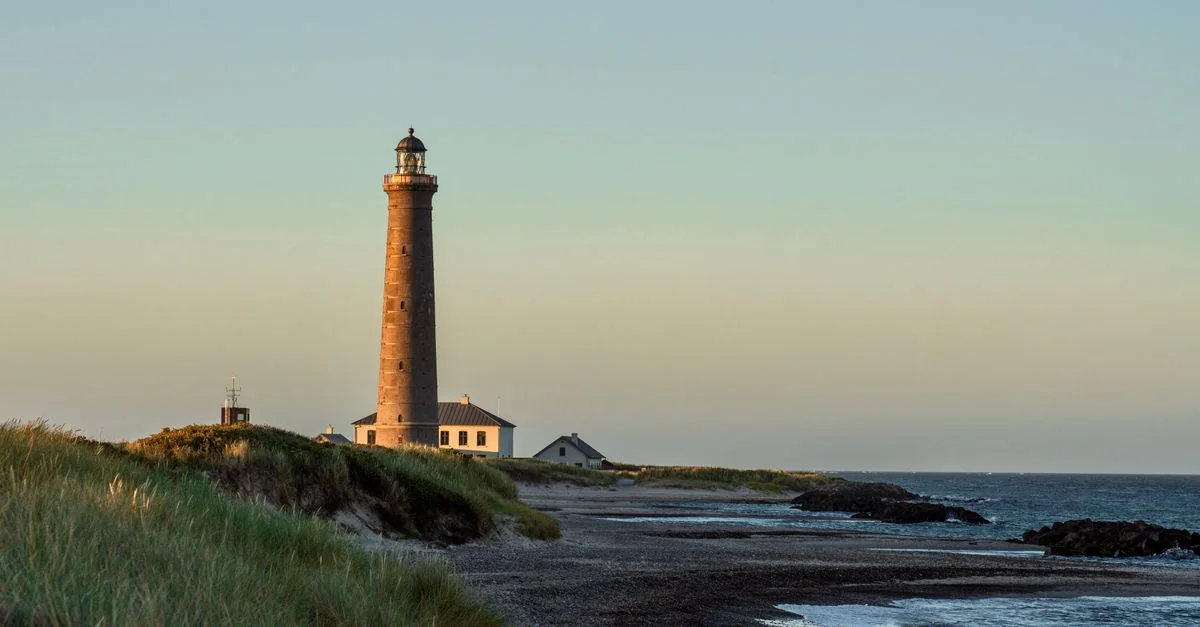
For a dramatic aerial perspective, make the journey to the Skagen Gray Lighthouse, known as Skagen Grå Fyr. This towering structure has guided ships past the treacherous reef since the mid-nineteenth century, and the interior now functions as a modern migratory bird observation center featuring interactive exhibits. Climbing the spiral staircase to the top rewards you with sweeping, uninterrupted views of the peninsula, the surrounding heath, and the endless expanse of blue water. On the way back toward town, stop to admire the Skagen White Lighthouse, the town’s oldest preserved lighthouse, which dates back to the eighteenth century and stands as a quiet brick sentinel among the dunes.
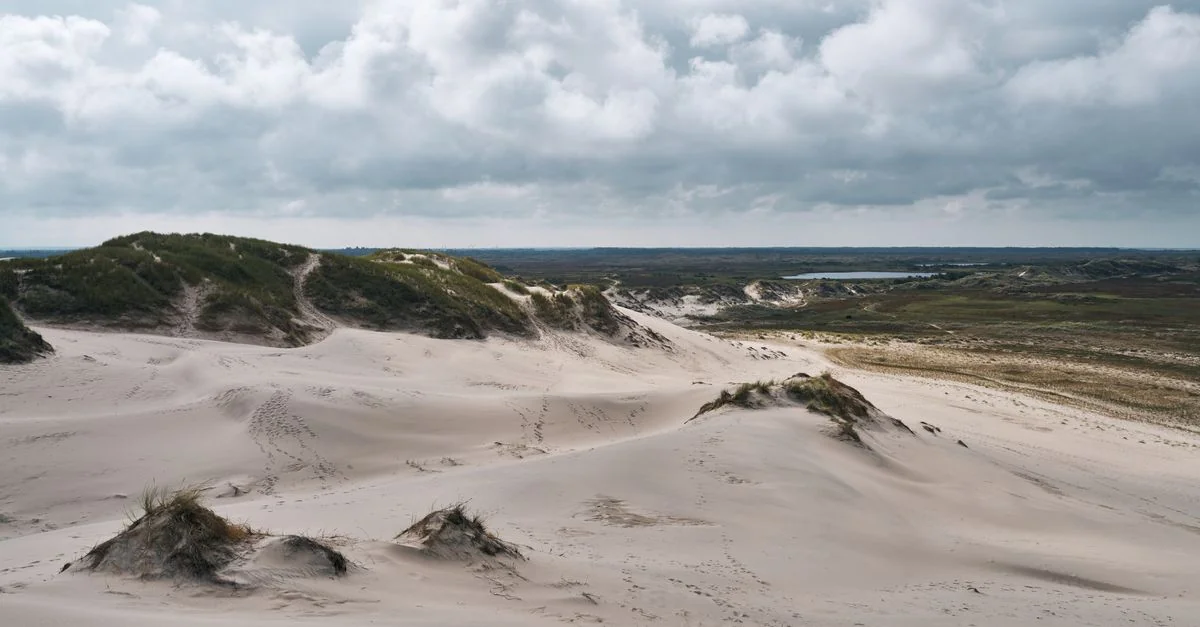
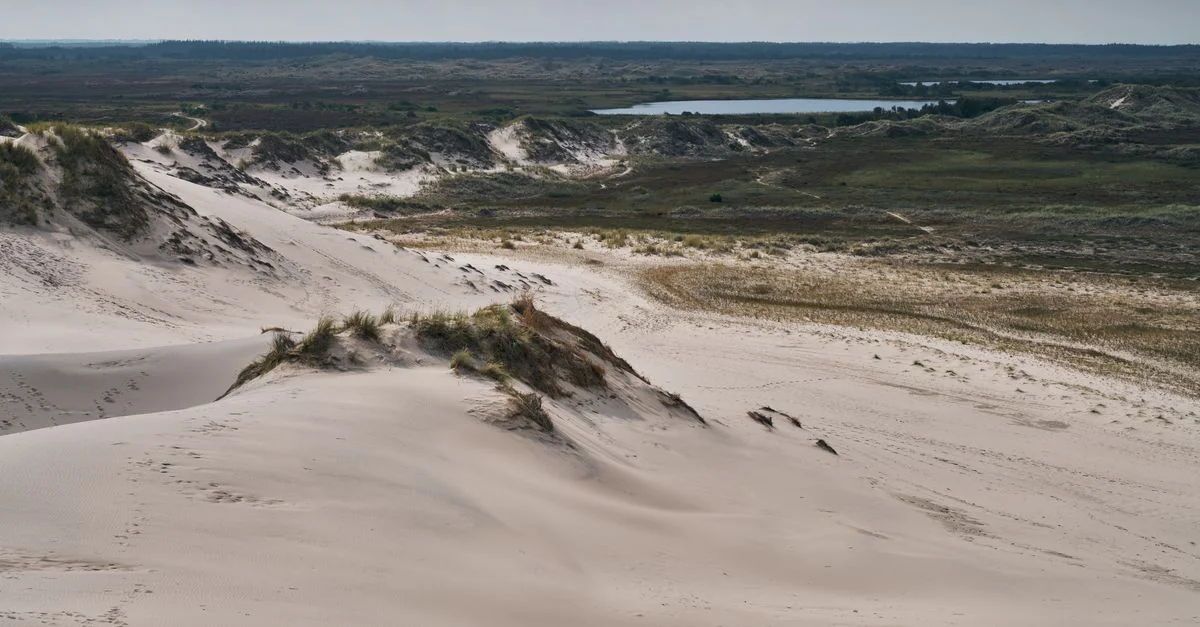
Nature lovers should not miss Råbjerg Mile, Europe ’s largest migrating dune, located just a short drive south of town. This massive desert of sand shifts eastward by roughly fifteen meters every year, burying everything in its path and leaving a barren, otherworldly landscape that feels entirely out of place in green Denmark. Walking across the undulating ridges gives you the sensation of traversing the Sahara rather than Scandinavia. Finally, wander through the quiet lanes of Brøndums Forest, a tranquil woodland area planted to stabilize the soil, where you can follow winding footpaths that lead past hidden ponds and shaded picnic spots favored by locals seeking refuge from the summer wind.
Food and Dining Guide#
Dining in this coastal outpost revolves heavily around the bounty of the surrounding seas, with local kitchens emphasizing freshness, simplicity, and traditional Nordic preparation methods. You cannot spend time here without trying Spættet, locally caught plaice that is typically pan-fried in butter until the edges turn perfectly crisp and golden. It is usually served simply with boiled potatoes, remoulade, and a wedge of lemon, letting the delicate flavor of the fresh fish take center stage.
Another regional staple is Sild, traditional pickled herring, which appears on menus in various marinades ranging from mild curry cream to sharp onion and dill. For a quintessential midday meal, order Smørrebrød, the iconic Danish open-faced rye sandwich piled high with cold-water shrimp, boiled eggs, fresh dill, and a dollop of mayonnaise. The rye bread itself is dense, dark, and deeply flavorful, providing a sturdy foundation for toppings that highlight the best of land and sea.
When evening falls, Fiskefrikadeller, traditional fish cakes made from a finely minced blend of white fish, cream, and spices, offer a comforting and savory option. These are typically pan-fried and served warm with a side of remoulade and pickled cucumbers. For dessert, look for pastries flavored with local sea buckthorn, a bright orange berry that grows wild along the dunes and provides a tart, citrusy punch to cakes, jams, and sorbets.
You will find that dining experiences range from casual harbor-side stalls where you can eat battered fish and chips straight from a paper carton while watching the gulls, to elegant dining rooms tucked inside historic inns that reinterpret classic recipes with modern culinary techniques. Reservations are strongly recommended during the peak summer months, especially for establishments overlooking the harbor at sunset, as tables fill up quickly with both international travelers and Copenhagen residents vacationing in the north.
Getting Around Skagen#
Navigating this compact peninsula is refreshingly straightforward, largely because the town center and surrounding natural attractions are scaled for slow travel. Bicycles serve as the absolute best method of transport for visitors. Dedicated bike paths run parallel to the main roads and weave through the pine forests, allowing you to pedal from the harbor to the northernmost tip or out to the migrating dunes with ease. Numerous rental shops operate near the train station and harbor, offering standard city bikes as well as electric models to help combat the coastal headwinds.
Walking is entirely sufficient for exploring the central neighborhoods of Vesterby and Østerby, where narrow lanes and pedestrianized zones make motorized vehicles unnecessary and occasionally cumbersome. If you plan to venture further out to the remote natural sites or carry heavy gear, rental cars provide maximum flexibility, though parking near popular spots like Grenen can become crowded during peak midday hours in July and August.
Public transit connects the town to the rest of the Jutland peninsula via the Skagensbanen railway, a regional train line that terminates right in the heart of town and offers scenic views of the heath and coastline during the journey. Local taxis are available for hire near the train station and harbor, but they should be booked in advance for late-night journeys or trips to more remote holiday home areas, as availability drops outside of peak hours.
Budget Breakdown#
Traveling through Denmark requires careful financial planning, as the country generally ranks among the more expensive destinations in Europe, but expenses can be managed by adopting local habits.
Budget travelers relying on hostel dorms, simple campsites, or small guesthouses outside the immediate town center, coupled with grocery store picnics and bicycle rentals, should expect daily expenditures ranging from $60 to $100 USD. Groceries from local supermarket chains offer excellent quality for self-catering breakfast and lunch, keeping daily food costs manageable.
Mid-range travelers staying in comfortable boutique guesthouses or traditional B&Bs in the historic districts, enjoying daily coffee shop pastries, renting bikes, and dining out once a day at casual seafood restaurants or harbor bistros, will typically spend between $150 and $300 USD per day. This tier allows for comfortable exploration of local museums and occasional taxi rides when the weather turns inclement.
Luxury travelers booking upscale seaside inns, high-end vacation rentals with panoramic water views, fine dining experiences featuring multi-course seafood menus, and private guided tours of the art museums should budget upward of $450 to $700+ USD per day. At this level, accommodations offer premium amenities, private balconies overlooking the sea, and priority access to the most sought-after dining tables in town.
Travel Tips for Skagen#
Preparing for your journey to the northern edge of Denmark becomes much simpler when you keep a few practical local realities in mind.
Dressing in layers is the most crucial rule for surviving the unpredictable coastal climate. Even during the height of summer, a sudden wind rolling off the North Sea can drop temperatures rapidly, so always pack a windproof jacket, a warm sweater, and sturdy walking shoes that can handle sand and gravel paths.
Cashless payments are virtually universal throughout the region, making physical currency almost entirely obsolete. Visa and Mastercard are accepted everywhere, from upscale seafood restaurants to small bicycle rental shacks and tractor bus tickets, though it is always wise to ensure your credit cards do not carry foreign transaction fees before leaving the United States .
Bicycle etiquette requires paying close attention to dedicated lanes and local traffic rules. Cyclists must signal their turns, yield to pedestrians on shared pathways, and lock their bikes securely whenever they stop to explore a museum or beach, as bicycle theft, while not rampant, does occur in busy tourist areas.
Tipping culture in Denmark differs significantly from the American standard, as service charges and fair wages are always built directly into restaurant menu prices and hotel bills. Leaving a small tip of five to ten percent is appreciated for exceptional table service, but it is never mandatory or expected in the way it is stateside.
Sun protection is essential due to the intense reflection off the white sand beaches and the northern latitude, which can trick travelers into underestimating the strength of the sun. Pack high-SPF sunscreen, sunglasses, and a wide-brimmed hat, especially if you plan to spend long hours walking across the exposed dunes or out on the sand spit at Grenen.
Respecting the nature reserves ensures that these fragile landscapes remain pristine for future visitors. Always stay on marked walking trails when traversing the dunes to prevent soil erosion and protect delicate plant species like marram grass and wild heather, and pack out all your trash when enjoying picnics along the remote coastlines.
📌 Disclaimer
Prices, schedules, tour details, flight routes, visa requirements, and all other information on this page are based on data at the time of writing. Fares, availability, and policies may change. Please verify current details on the official website before booking.
📌 More about Skagen