📌 Disclaimer
Prices, schedules, tour details, flight routes, visa requirements, and all other information on this page are based on data at the time of writing. Fares, availability, and policies may change. Please verify current details on the official website before booking.
Why Visit Sitka?#
The scent of salt spray and crushed pine needles hits your lungs the moment you step off the small regional jet into the damp Southeast Alaska air. Towering Sitka spruce trees crowd the edges of the runway, their dark green branches dripping with moisture from the frequent rain that nourishes this Pacific temperate rainforest. This island community sits on the western coast of Baranof Island, facing the open waters of the Gulf of Alaska and protected by a maze of volcanic islands and rocky fjords. Unlike other Southeast ports dominated by modern souvenir shops and high-volume cruise infrastructure, this destination retains a frontier spirit mixed with deep Indigenous Tlingit roots and a fascinating Russian colonial history.
What sets this place apart from neighboring Alaskan towns is its geography and isolation. There are no roads connecting this island to the rest of the continent, meaning arrivals happen exclusively by boat or plane. This barrier creates a tight-knit community where bald eagles outnumber tourists on most side streets, and sea otters bob effortlessly in the seaweed just yards from the ferry terminal. Visitors find a walkable downtown core framed by snow-capped mountains, where onion-domed churches stand alongside totem-carving sheds. It is a destination for travelers who prefer watching humpback whales breach from a rocky shoreline over sitting in a crowded tourist resort.
The daily rhythm here follows the tides and the weather rather than a rigid clock. Fishermen mend their nets on the docks while artists work with cedar and silver in downtown studios. Days stretch endlessly during the summer months, providing hours of daylight to explore outer islands by skiff or hike forest trails that lead to secluded Pacific beaches. The landscape demands respect and preparation, rewarding those who slow down to appreciate the quiet majesty of the Alexander Archipelago.
Best Time to Visit Sitka#
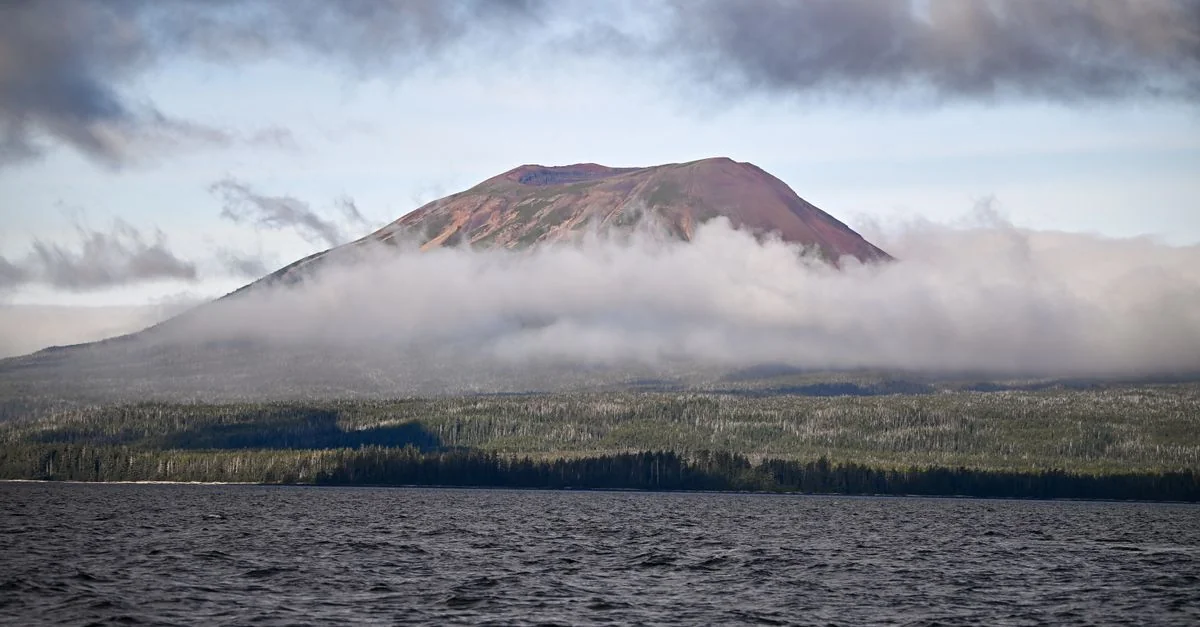
Planning a trip to this part of Alaska requires balancing weather patterns against wildlife viewing opportunities. The peak travel season runs from May through September, aligning with the warmest weather and the most reliable ferry and flight schedules. May and June typically bring the driest weather of the entire year, along with long hours of daylight and calm seas that make exploring outer islands pleasant. Temperatures during these early summer months generally hover in the high fifties to low sixties, though brisk ocean winds can make it feel much cooler.
July and August mark the height of the summer season, bringing the warmest temperatures—sometimes reaching the low seventies—and the largest influx of travelers. This period coincides with peak runs of Pacific salmon, which in turn draw brown bears, eagles, and marine mammals to local waters and rivers. Afternoon rain showers become more frequent as summer transitions into autumn, and the crowds begin to thin significantly by late August.
September offers a distinct appeal for travelers seeking solitude and dramatic scenery. Fall foliage turns the hillsides yellow and copper, and the salmon spawning season reaches its climax in local streams. However, businesses begin reducing their operating hours by mid-September, and the weather turns noticeably wetter and windier. Winter brings heavy precipitation, frequent gales, and very short days, making it a season reserved almost exclusively for resilient locals and dedicated wildlife photographers who brave the elements for winter storm watching.
Where to Stay in Sitka#
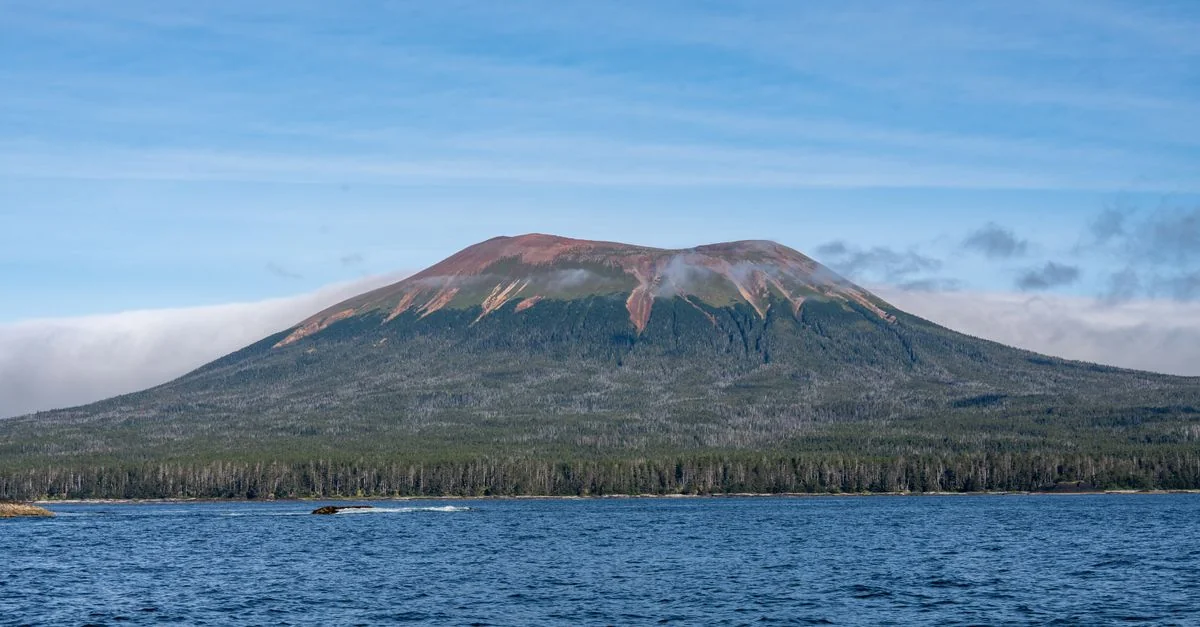
Choosing where to lay your head depends heavily on whether you prefer the convenience of downtown services or the quiet seclusion of the surrounding rainforest. The Downtown Historic District serves as the most practical base for travelers relying on walking or local transit. Staying in this central zone places you within a short stroll of grocery stores, restaurants, the harbor, and major historical sites. Accommodations here range from standard motels to historic bed-and-breakfasts housed in older structures. Nightly rates for mid-range options in this core area generally fall into moderate ranges, while budget travelers can find simpler guesthouses a bit further from the main commercial drag.
For travelers seeking quiet surroundings and ocean views, the Sawmill Creek Road Corridor extending eastward along the coastline offers a scenic alternative. This area features secluded vacation rentals, rustic cabins, and small lodges tucked into the spruce canopy near the water. Properties here often provide private beach access or deep-woods privacy, though you will need reliable transportation to reach restaurants and shops in town. Prices in this corridor lean toward the upper-mid tier because of the premium placed on scenery and solitude.
Another appealing pocket is the Halibut Point Road Area stretching north of downtown toward the ferry terminal. This neighborhood mixes residential character with waterfront lodges and fishing resorts catering to anglers. Budget-conscious travelers sometimes find seasonal rentals or smaller inns in this direction that charge less than properties in the immediate downtown core. No matter where you choose to rest, the relatively small geographic footprint of the populated areas ensures that no location is ever truly far from the water.
Top Things to Do in Sitka#
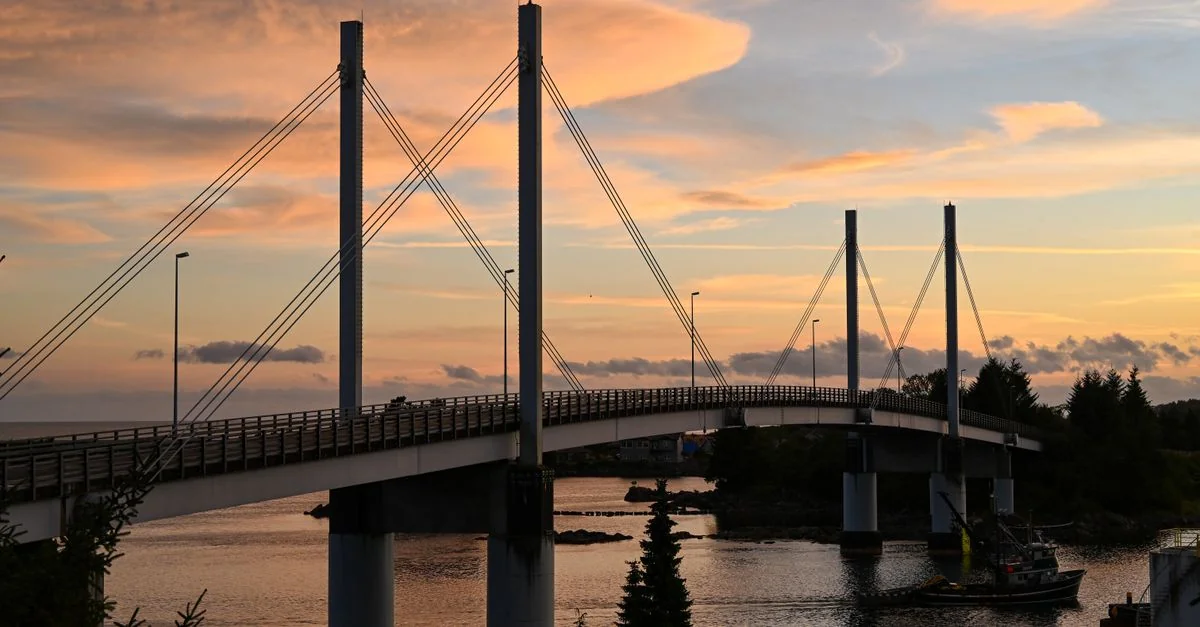
The outdoor and cultural attractions here blend natural wonders with deep historical narratives that span centuries of Russian and Tlingit interaction. A great place to begin exploring is the Sitka National Historical Park, where towering totem poles line a flat, mossy trail winding through a coastal hemlock forest. This park marks the site of a 1804 battle between the invading Russian-American Company and the local Kiks.adi clan of the Tlingit people. Walking the quiet trail under the heavy forest canopy offers a profound introduction to the region’s indigenous heritage and woodland ecology.
Just a short walk from the totem park, the Alaska Raptor Center provides a rehabilitation sanctuary for injured bald eagles, hawks, owls, and falcons. Visitors can walk the outdoor boardwalks to view resident birds that cannot be released back into the wild, or peer through large windows into the veterinary clinic where staff members care for recovering patients. The facility offers a rare, up-close look at the apex predators that rule the local skies.
For a deeper dive into local wildlife, the Sitka Sound Science Center operates a marine hatchery and aquarium right on the waterfront. Here, visitors can observe touch tanks featuring local sea stars, urchins, and crabs, while learning about the complex life cycles of Pacific salmon and the marine ecosystems of the surrounding sound. The facility plays a vital role in local fisheries research and offers engaging exhibits for travelers of all ages.
History enthusiasts will find plenty to explore in the downtown area, starting with St. Michael’s Cathedral. This Russian Orthodox church, originally built in the nineteenth century, stands as a striking architectural landmark with its characteristic green onion domes and white clapboard walls. Inside, the church houses priceless religious icons, gold-threaded vestments, and intricate silverwork brought over from Russia during the colonial era.
A short distance away sits Russian Bishop’s House, one of the few surviving examples of Russian colonial architecture in North America . Managed by the National Park Service, this massive timber structure has been meticulously restored to reflect the mid-nineteenth-century living quarters and administrative offices of the Russian Orthodox bishops who governed the diocese stretching from Alaska to California.
When the weather cooperates, outdoor recreation takes center stage. Hiking the Harbor Mountain Trail offers panoramic views of the outer islands, the volcanic cones of neighboring Kruzof Island, and the vast expanse of the Pacific Ocean. The trail climbs steeply from the road system into alpine terrain, crossing fragile muskeg bogs and rocky ridges where mountain goats occasionally graze.
On the water, renting a kayak or joining a guided boat tour to explore the Sitka Sound or Islands reveals a labyrinth of protected channels, rocky islets, and kelp forests. Sea otters float lazily on their backs cracking shellfish, harbor seals peer curiously from the surface, and stellar sea lions haul out onto isolated rocks to bark and sunbathe.
For a more strenuous terrestrial adventure, tackling the Mount Verstovia Trail rewards hikers with sweeping views after a relentless, muddy climb through dense rainforest and alpine scrub. The summit area provides a dramatic perch overlooking the entire archipelago, making the exertion of the steep climb entirely worthwhile for those with sturdy hiking boots and decent physical conditioning.
Food and Dining Guide#
The culinary landscape here is defined by the bounty of the surrounding ocean and forests, with fresh seafood dominating menus across town. You cannot visit without sampling the Alaskan King Salmon, which is frequently featured on local menus grilled simply with lemon and herbs, smoked over alder wood, or transformed into rich chowders. This fish forms the backbone of both the commercial fishing economy and traditional diets in the region.
Another local favorite is Pacific Halibut, prized for its firm texture and mild flavor. Restaurants serve halibut battered and fried for classic fish and chips, baked with parmesan crusts, or pan-seared with seasonal berry reductions. Because the local fishing fleets dock just steps from many kitchens, the journey from ocean to plate often takes less than a single day.
For a unique taste of the shoreline, try the local Dungeness Crab and spot prawns, typically boiled and served simply with drawn butter. These sweet crustaceans require some work to crack and eat, making for a messy, memorable meal shared at communal tables in casual dockside eateries. During the autumn months, foragers bring in baskets of wild huckleberries and mushrooms, which local bakers and chefs incorporate into seasonal pastries, tarts, and savory sauce pairings.
Dining options range from casual food trucks and dockside stands serving fish tacos and clam chowder to sit-down restaurants offering upscale Pacific Northwest fare with ocean views. While you will not find a sprawling fast-food culture, the local eateries pride themselves on scratch cooking and warm hospitality. Reservations are rarely required for casual spots, but securing a table at the more popular dinner restaurants during peak summer months is a smart move.
Getting Around Sitka#
Navigating this island community is straightforward due to its compact layout, though your transportation choices will depend heavily on your itinerary. The downtown core is remarkably pedestrian-friendly, with most shops, restaurants, historical sites, and the harbor located within an easy walking distance of one another. Packing a sturdy pair of waterproof walking shoes makes exploring the town center on foot the most efficient and enjoyable option.
For travel beyond the immediate downtown area, such as reaching the ferry terminal, trailheads, or accommodations along the outer roads, public transit options are somewhat limited. The local public bus system operates limited routes connecting the main corridors, but schedules can be infrequent, particularly on weekends. Many travelers rely on local taxi services, which operate out of town but should be called well in advance during peak cruise ship hours when demand spikes.
Renting a car offers the greatest freedom for exploring remote trailheads and scenic roadside pullouts, though the total mileage of drivable road on Baranof Island is relatively short. Car rental agencies operate locally, but vehicles are in high demand during the summer season, requiring reservations months ahead of your trip. Alternatively, bicycle rentals are available in town for travelers wanting a human-powered way to cruise the coastal roads when the weather stays dry.
Budget Breakdown#
Planning financial expenditures for a trip to Southeast Alaska requires accounting for higher-than-average costs due to the logistics of shipping goods to an island community. Setting expectations for daily spending helps keep your finances on track throughout the journey.
For budget travelers, daily expenses generally range from $100 to $175 per person. This tier involves staying at simple guesthouses or hostels, utilizing public transit or walking everywhere, eating meals from grocery stores or casual takeout counters, and focusing on free outdoor activities like hiking and visiting public parks.
For mid-range travelers, daily budgets typically run between $250 and $450 per person. This level covers a comfortable standard hotel room or bed-and-breakfast, renting a car for a couple of days, dining out at sit-down restaurants for most meals, and booking a guided boat excursion or wildlife tour.
For luxury travelers, daily expenditures start around $600 and can easily exceed $1,000 per person. This tier includes upscale waterfront lodges, private boat charters for sport fishing or wildlife viewing, fine dining experiences with local wine pairings, and perhaps a scenic flightseeing tour over the surrounding ice fields and glaciers.
Travel Tips for Sitka#
Preparing for the realities of island weather and coastal isolation ensures a smooth and enjoyable journey.
Weather preparation is the single most important factor for an enjoyable trip, regardless of the season. Bring high-quality waterproof outerwear, including a reliable rain jacket with a hood, rain pants, and waterproof footwear. Umbrellas often fail against the gusty winds that accompany coastal storms, making technical layers your best defense against the elements.
Wildlife safety requires constant awareness, especially when hiking forested trails or exploring riverbanks during salmon spawning season. Brown bears inhabit Baranof Island in significant numbers, so carry EPA-approved bear spray, know how to use it, and make plenty of noise while walking through wooded areas to avoid startling an animal.
Connectivity and planning should be handled before you arrive, as cellular coverage can be spotty or nonexistent once you venture outside the immediate town center. Download offline maps, print confirmation details for reservations, and keep a physical map in your daypack rather than relying entirely on cellular data.
Insect protection is essential during the damp summer months when mosquitoes and tiny biting midges known locally as “no-see-ums” become active in the woods. Pack a reliable insect repellent containing DEET or picaridin, and wear long sleeves and pants when hiking through brushy areas to prevent itchy bites.
Tidal awareness is critical for anyone planning to kayak, beachcomb, or explore shoreline reefs. Tides in Southeast Alaska shift dramatically twice a day, and incoming waters can easily trap unwary explorers against steep rock faces or strand skiffs far from the water’s edge. Always check the local tide tables before heading out onto the water.
📌 Disclaimer
Prices, schedules, tour details, flight routes, visa requirements, and all other information on this page are based on data at the time of writing. Fares, availability, and policies may change. Please verify current details on the official website before booking.
📌 More about Sitka