📌 Disclaimer
Prices, schedules, tour details, flight routes, visa requirements, and all other information on this page are based on data at the time of writing. Fares, availability, and policies may change. Please verify current details on the official website before booking.
Why Visit Sinop?#
The scent of salt, wood smoke, and brewing black tea drifts across the harbor where wooden fishing boats bob against old stone quays. Perched on Turkey ’s northernmost point jutting boldly into the Black Sea, Sinop offers American travelers an authentic slice of Anatolian life far removed from the heavily touristed western coast. This historic peninsula feels entirely different from the Mediterranean resorts or the minaret-studded skyline of Istanbul , maintaining a slower, more reflective pace where daily life revolves around the water.
Geographically isolated by steep forested mountains for centuries, Sinop developed a distinct character shaped by maritime trade, shipyards, and northern Anatolian traditions. The city wraps around a natural harbor that has provided safe shelter to sailors since ancient Greek colonists established a trading post here. Visitors walking the peninsula notice the absence of massive chain hotels and aggressive tour hawkers, replaced instead by friendly locals eager to chat over a glass of tea in a shady park overlooking the waves.
For travelers making the journey from the United States , Sinop rewards the extra transit steps with genuine hospitality and uncrowded historical sites. The massive stone ramparts of the old fortress still enclose the old town, while nearby cliffs drop precipitously into slate-gray waters. It is a destination suited for those who prefer wandering quiet alleyways, studying Ottoman architecture without crowds, and watching the sunset paint the northern sea in shades of copper and violet.
Best Time to Visit Sinop#
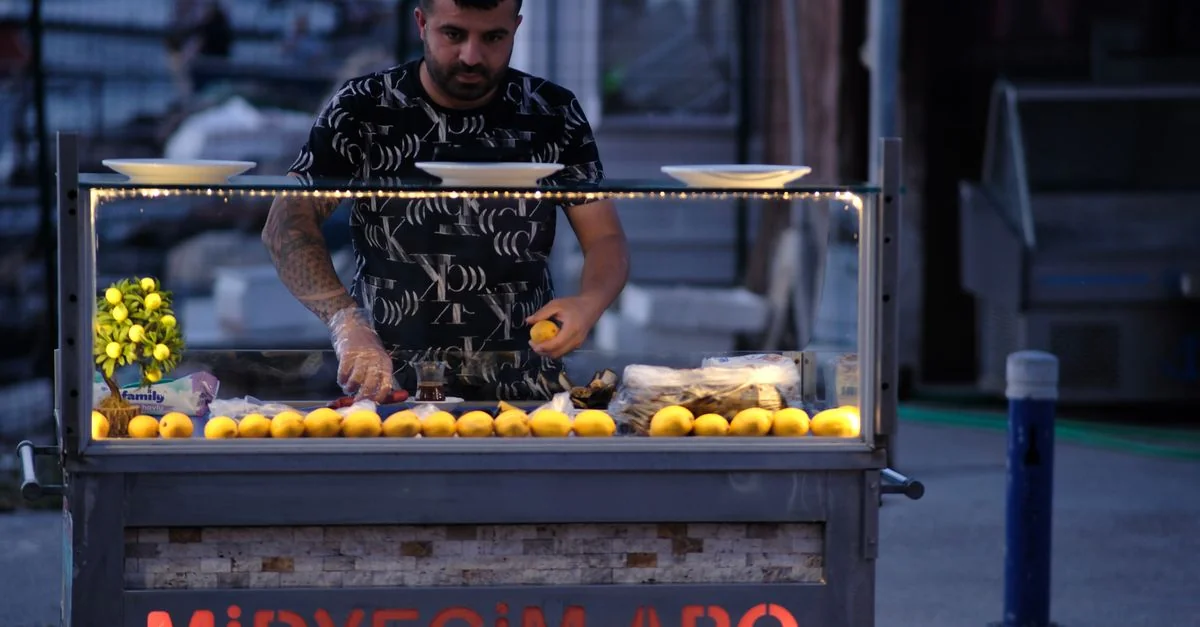
Planning a trip here requires paying attention to the northern Turkish climate, which differs significantly from the dry heat of southern Turkey. Spring arrives between April and May, bringing mild temperatures, blooming wildflowers across the headlands, and very few tourists. Daytime highs hover comfortably in the sixties Fahrenheit, making this shoulder season ideal for walking the ancient walls and exploring the narrow streets without breaking a sweat. Rain showers remain common during these months, so packing a reliable waterproof jacket is essential for American visitors unaccustomed to northern Anatolian downpours.
Summer spans from June through August, bringing the warmest sea temperatures and the liveliest atmosphere to the coastal parks. July and August represent peak domestic tourism season, particularly on weekends when travelers arrive from Ankara and Istanbul to escape inland heat waves. Accommodation prices reach their annual high during these months, and booking rooms well in advance becomes necessary. Afternoon temperatures rarely become oppressively hot due to cooling sea breezes, hovering generally in the upper seventies and low eighties Fahrenheit, creating pleasant conditions for swimming at local beaches.
Autumn arrives in September and October, offering arguably the most rewarding weather window for international travelers. The Black Sea remains warm enough for swimming through September, while the oppressive summer crowds dissipate entirely. October brings dramatic cloud formations, cooler breezes, and changing leaves on the surrounding hillsides, though precipitation increases steadily toward late November. Winter brings chilly, windy conditions with occasional snow, turning the peninsula into a quiet, atmospheric retreat where local seafood restaurants become the primary social hubs.
Where to Stay in Sinop#
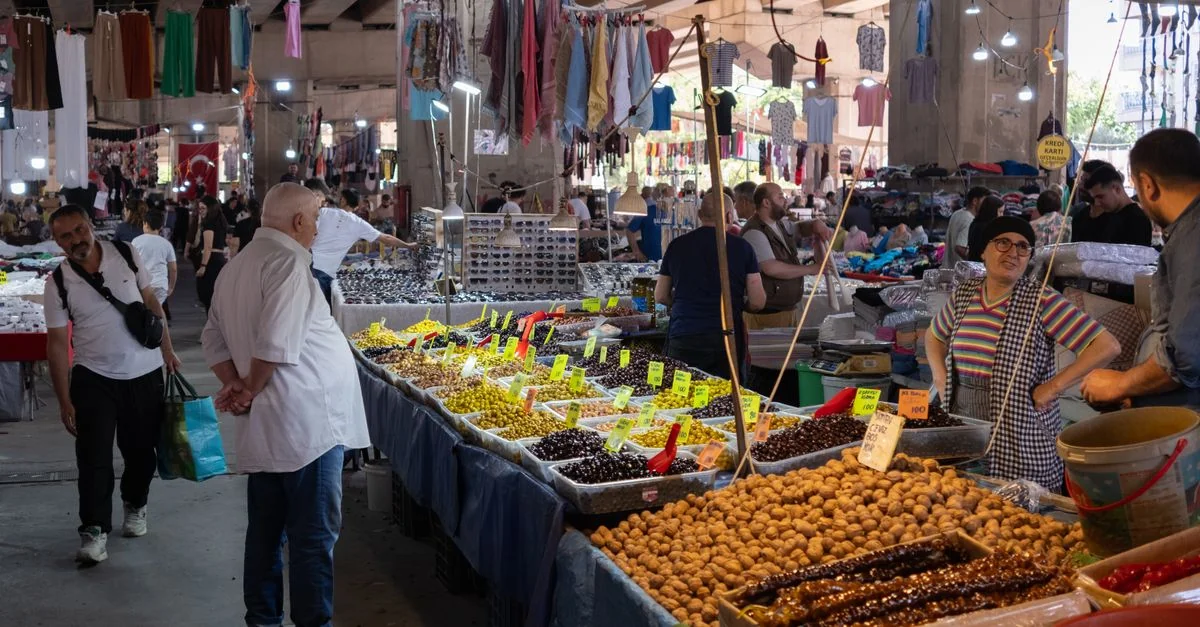
Choosing where to lay your head depends largely on whether you prefer historic charm, modern convenience, or quiet coastal views. The Old Town peninsula stands out as the most atmospheric choice for first-time visitors. Staying within the ancient fortress walls places you within walking distance of the harbor, traditional tea gardens, and historic monuments. Accommodations here consist primarily of family-run guesthouses and boutique properties housed in restored late-Ottoman wooden mansions. Rates lean toward the mid-range tier, offering comfortable rooms with period details, creaky wooden floors, and immediate access to neighborhood bakeries.
Just outside the northern wall, the Akliman and Boztepe coastal strips offer a resort-style neighborhood feel dominated by mid-range to upper-mid-range hotels and aparthotels. This area suits travelers who prioritize proximity to sandy stretches and pine-fringed picnic areas rather than urban wandering. Properties here generally feature modern amenities, balconies overlooking the water, and spacious grounds. Prices fluctuate moderately between the quiet spring months and the peak summer demand, remaining accessible compared to major European coastal destinations.
For budget-conscious travelers and those traveling by car, the inland residential quarters spreading away from the narrow isthmus provide affordable guesthouses and simple apartments. While lacking immediate sea views, these neighborhoods offer a genuine look at contemporary Turkish provincial life. Prices in this zone sit comfortably at the budget tier, providing clean, functional rooms within a short drive or bus ride of the city center. Luxury lodging in the traditional international sense is scarce in Sinop; high-end options instead take the form of secluded coastal boutique properties offering premium views, private beach access, and personalized hospitality.
Top Things to Do in Sinop#
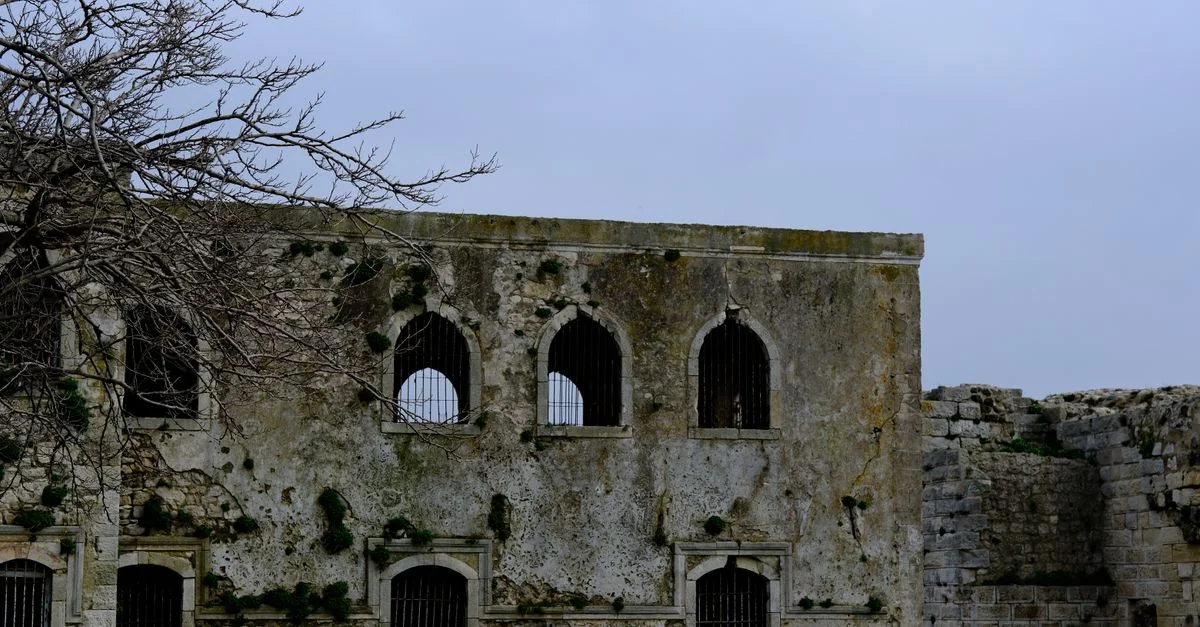
History and maritime culture intertwine across the peninsula, beginning at the imposing Sinop Fortress. These massive stone fortifications date back more than two millennia, constructed originally by ancient Greek city-builders and repeatedly reinforced by the Romans, Byzantines, and Seljuk Turks. Walking along the top of the ramparts provides sweeping views of the harbor and the red-tiled roofs of the old town below. The scale of the stonework testifies to the strategic importance this northern outpost held for competing empires controlling Black Sea trade routes.
A short walk from the fortress leads to the infamous Sinop Fortress Prison, a sprawling Ottoman-era penal facility that operated inside the ancient castle walls until the late twentieth century. High stone walls, iron-barred windows, and damp stone corridors now serve as a stark museum documenting the poets, journalists, and political dissidents incarcerated here over the decades. The melancholic atmosphere is real, and exhibits detail the harsh conditions endured by inmates who listened to the waves crashing against the exterior walls while serving their sentences.
Nature lovers will find peace at Akliman, a sheltered bay and sandy beach area located a few miles west of the city center. According to classical mythology, the Amazons once used this calm inlet as a harbor for their fleets. Today, tall pine trees lean toward the sandy shore, providing natural shade for afternoon walkers and picnickers. The adjacent Hamsilos Nature Park features Turkey’s only fjord-like ria, where a submerged river valley creates a dramatic, winding waterway flanked by steep, forested cliffs. Walking trails wind through the dense canopy, offering quiet overlooks of the narrow water channel.
Maritime heritage comes alive at the Sinop Archaeological Museum, a compact yet remarkably rich collection that preserves artifacts unearthed across the province. Mosaic floors depicting mythological scenes, ancient amphorae retrieved from shipyards and sunken trading vessels, and Roman coins fill the exhibition rooms. Just outside the city, the Pasha Bastion offers another layer of military history, built during the nineteenth-century Ottoman-Russian conflicts. Visitors can explore the underground ammunition stores and cannon placements while enjoying panoramic vistas stretching toward the distant horizon.
For a memorable afternoon stroll, head to the Sinop Lighthouse, situated on the northernmost tip of the Boztepe peninsula. Operating since the mid-nineteenth century, the bright white tower marks a dangerous passage for maritime traffic. The surrounding headland is carpeted with wildflowers in spring and offers dramatic vantages of crashing waves against jagged black rocks. Afterward, wander through the Historical Sinop Shipyards, where craftsmen still occasionally build traditional wooden boats using techniques passed down through generations, honoring a local shipbuilding tradition that stretches back centuries.
Food and Dining Guide#
Dining in this northern coastal city centers around the bounty of the sea and the fertile agricultural valleys of the surrounding province. The culinary identity of the region diverges sharply from the heavy meat dishes of central Anatolia or the olive-oil-heavy cuisine of the Aegean, favoring fresh fish, butter, corn, and walnuts.
The undisputed local culinary champion is Sinop Mantısı, a specialized version of Turkish dumplings that differs significantly from its famous Kayseri counterpart. These tiny pasta triangles are stuffed with minced beef, boiled to perfection, and then split into two distinct flavor sauces on the same plate—one side drenched in melted butter and crushed local walnuts, and the other topped with tangy garlic yogurt and a drizzle of red pepper oil. Eating this dish at a traditional downtown lokanta is an essential ritual for any first-time visitor.
Given its maritime location, Black Sea Anchovy (Hamsi) dominates autumn and winter menus. Prepared in dozens of different ways, these small silver fish are most commonly cornmeal-crusted and pan-fried until crispy, served whole with a squeeze of fresh lemon and raw onions. In warmer months, restaurants pivot to Turbot (Kalkan) and red mullet caught fresh daily by local fleets. Another regional staple is Keşkek, a slow-cooked ceremonial wheat and meat stew that simmers in huge copper cauldrons for hours until it reaches a rich, porridge-like consistency, traditionally flavored with butter and red pepper flakes.
For a casual lunch on the go, seek out Boyoz and Pide variations unique to the northern coast. Local bakeries produce boat-shaped flatbreads known as Sinop Pidesi, featuring a uniquely crisp, crusty dough loaded with minced meat, cheese, or eggs, baked in wood-fired stone ovens until bubbling hot. Street food culture here remains modest, focusing on roasted chestnuts in cooler weather and fresh simit rings coated in sesame seeds. Sit-down meals at family-run restaurants along the harbor offer the best environment for sampling these specialties while watching fishermen mend their nets.
Getting Around Sinop#
Navigating this compact destination is straightforward for American travelers, provided you understand the transit landscape. The historic center and peninsula core are wonderfully pedestrianized and best explored on foot. Sidewalks line the main thoroughfares, and distances between major landmarks inside the old town rarely exceed a fifteen-minute walk. Comfortable walking shoes are essential due to occasional cobblestone surfaces and gentle inclines near the fortress walls.
For destinations outside the immediate center, such as Akliman or Hamsilos Nature Park, public minibuses known as dolmuşes provide reliable, affordable transportation. These shared vans operate on fixed routes throughout the city and surrounding districts, requiring passengers to pay small cash fares directly to the driver. Signage can be sparse, so asking hotel staff to write down your destination in Turkish helps ensure you board the correct vehicle. Taxis are widely available near the central squares and bus station, recognizable by their bright yellow color and roof signs. Meters are standard, but confirming the driver turns it on at the start of the trip remains good practice.
Renting a car proves advantageous for travelers planning to explore the wider Sinop province, including remote mountain villages, hidden coves, and nearby waterfalls. Major international rental agencies operate desks at the local airport and in town, though manual transmission cars dominate the rental fleets, so automatic vehicles must be reserved well in advance. Driving standards are generally calmer here than in busy metropolises like Istanbul or Izmir , though rural roads can be winding and steep. Walking remains the preferred choice within the city proper, saving visitors from the hassle of hunting for scarce downtown parking spaces.
Budget Breakdown#
Sinop remains a remarkably affordable destination for American travelers when compared against Western Europe or Turkey’s high-profile resort coasts. Your daily expenses will depend on your travel style, but overall purchasing power works strongly in favor of foreign visitors holding US dollars.
Budget travelers can easily manage daily expenses by staying in family-run guesthouses in residential neighborhoods, eating at local neighborhood lokantas, and utilizing shared minibuses for transit. Accommodation at this tier offers clean, simple rooms with shared or basic private facilities. Meals consist of hearty soups, pide, and daily vegetable dishes at local prices. Sightseeing expenses remain low, as many historical walking areas and natural parks charge nominal admission fees or remain entirely free. Total daily spending for a budget traveler sits comfortably on the lower end of the financial spectrum.
Mid-range travelers enjoy comfortable boutique hotels within the historic peninsula, rental cars for regional exploration, and sit-down seafood dinners overlooking the harbor. This tier allows for greater flexibility, including taxi rides when running short on time, guided museum entries, and occasional treats at traditional tea gardens and pastry shops. Daily costs remain moderate, offering high value for money in terms of food quality and lodging comfort.
Luxury travelers—defined in the local context by staying at the finest coastal properties, dining exclusively on fresh catch-of-the-day turbot at premier establishments, and hiring private drivers—will still find expenditures lower than comparable luxury travel in major European capitals. Premium coastal resorts provide expansive grounds, quiet beach access, and personalized service. Even at the highest tier, your travel budget stretches significantly further here, making a lavish holiday accessible without exorbitant costs.
Travel Tips for Sinop#
Navigating local customs and practical logistics ensures a smooth journey. Language barriers present a charming challenge in Sinop, as English is spoken less frequently here than in Istanbul or the southern tourist hubs. Downloading an offline translation application on your smartphone and learning a few basic Turkish phrases like merhaba for hello and teşekkür ederim for thank you goes a long way toward generating warm smiles from local residents.
Cash and currency matters require careful attention before arriving in the historic center. While major hotels, supermarkets, and upscale restaurants accept credit cards, many small bakeries, tea gardens, local craft shops, and dolmuş drivers operate exclusively on Turkish Lira cash. Carrying a sufficient amount of physical currency ensures you do not get caught short when paying for a roadside pastry or a boat ride. ATMs are readily available throughout the downtown area for withdrawing cash as needed.
Dress modesty is appreciated, particularly when visiting neighborhood residential areas outside the main tourist zones and when entering historical religious sites. While the coastal atmosphere is relaxed and contemporary, wearing modest clothing that covers shoulders and knees demonstrates cultural respect when walking through older quarters. Bringing a lightweight scarf for women is helpful when stepping inside operational mosques.
Tipping culture differs from the rigid percentages expected in the United States. In local restaurants and cafes, rounding up the bill or leaving a small cash tip of around ten percent for exceptional table service is standard practice. Tipping is not customary for taxi drivers, though letting them keep small change is appreciated.
Shop opening hours follow a traditional Mediterranean and Anatolian rhythm. Many small shops close for a brief period during the mid-day heat or prayer times, and Sunday can be a very quiet day for commerce as families prioritize rest and social visits. Plan your shopping and museum visits for mornings and late afternoons to avoid finding shuttered doors.
Electrical adapters are necessary for American electronics. Turkey uses European-style two-round-pin plugs operating on a 230V system. Bringing a universal adapter ensures your phones, cameras, and laptops remain charged throughout your stay. Finally, embrace the local tea culture as a social bridge. Accepting an offer of cay from a shopkeeper or hotel host is a gesture of hospitality, providing a wonderful opportunity to slow down and chat with residents who are genuinely curious about visitors from America.
📌 Disclaimer
Prices, schedules, tour details, flight routes, visa requirements, and all other information on this page are based on data at the time of writing. Fares, availability, and policies may change. Please verify current details on the official website before booking.
📌 More about Sinop