📌 Disclaimer
Prices, schedules, tour details, flight routes, visa requirements, and all other information on this page are based on data at the time of writing. Fares, availability, and policies may change. Please verify current details on the official website before booking.
Complete Travel Guide to Siena: Top Attractions, Tips & Itinerary#
Why Visit Siena?#
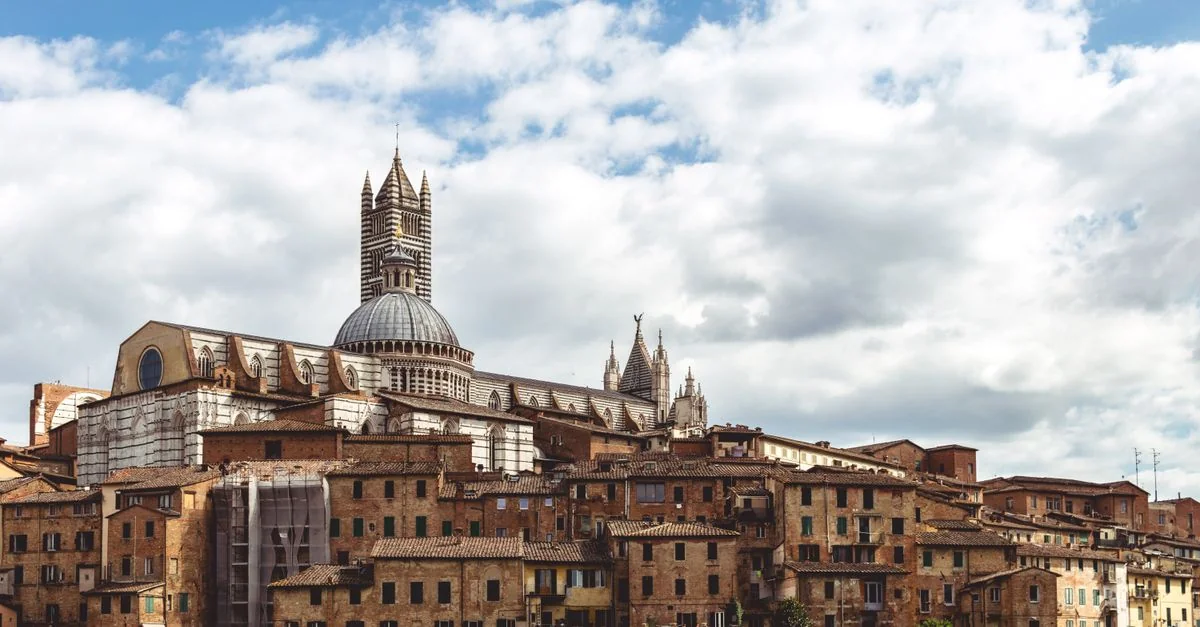
The scent of roasting chestnuts and old stone fills the air as you step onto Piazza del Campo, the shell-shaped square that serves as the beating heart of Siena. Unlike the polished, museum-like atmosphere of Florence or the grand imperial scale of Rome , Siena feels like a living, breathing medieval fortress that has somehow remained untouched by the modern world’s rush. The city is built on three hills, and its streets are not paved with asphalt but with terracotta bricks that glow red in the late afternoon sun. For American travelers seeking an authentic Italian experience that feels both historic and intimate, Siena offers a unique blend of Gothic architecture, fierce local pride, and a slower pace of life that encourages you to simply sit, watch, and listen.
What truly sets Siena apart is its commitment to preserving its identity. The city is divided into seventeen contrade, or wards, each with its own flag, symbol, and deep-seated rivalry. This isn’t just a tourist gimmick; it is the fabric of daily life here. You will see the symbols of the Torre (Tower) or the Oca (Goose) carved into doorways, painted on shop fronts, and worn with pride by locals. This sense of community creates a warmth that is rare in larger Italian cities. When you walk through the narrow, winding alleys known as vicoli, you are not just navigating a maze; you are wandering through a neighborhood that has maintained its character for centuries. The architecture here is predominantly Sienese Gothic, characterized by pink, white, and green marble stripes that create a visual rhythm across the facades of palaces and churches.
Beyond the famous landmarks, Siena rewards those who take the time to explore its quieter corners. The city sits in the Tuscan countryside, surrounded by vineyards and olive groves that stretch to the horizon. This rural backdrop provides a stunning contrast to the dense urban center, offering easy access to day trips into the Chianti region or the Val d’Orcia. Whether you are an art history buff, a food lover, or someone who simply enjoys beautiful scenery, Siena provides a rich, layered experience. It is a place where history is not locked behind glass cases but is woven into the cobblestones, the church bells, and the conversations over espresso at a corner bar.
Best Time to Visit Siena#
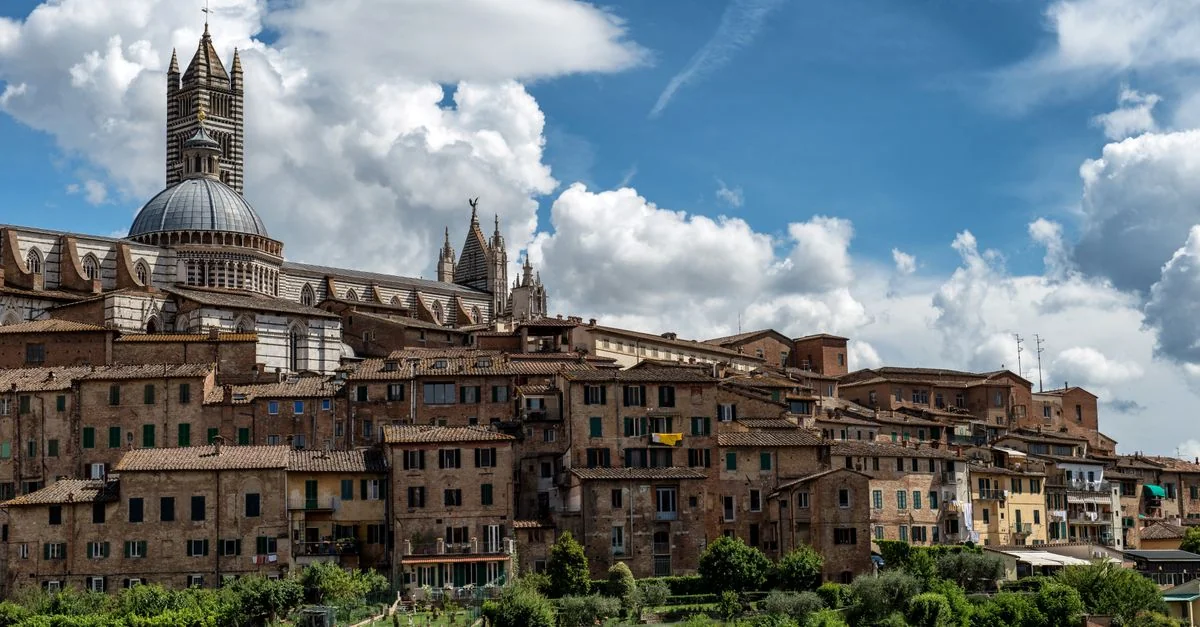
Timing your visit to Siena is crucial, as the city experiences dramatic shifts in atmosphere, crowd levels, and weather throughout the year. The peak season runs from late spring through early autumn, specifically May through September. During these months, the weather is warm and sunny, perfect for walking the hills. However, this is also when the city is most crowded. July and August can be intensely hot, with temperatures often exceeding 90°F (32°C), and the streets fill with tourists from across the globe. If you visit during this time, expect higher prices for accommodation and longer lines at major attractions. The energy is high, but the tranquility is low.
For a more balanced experience, consider visiting in the shoulder seasons of April or October. In April, the countryside is lush and green, and the weather is mild, though rain is possible. October offers the added bonus of the grape harvest, meaning you can witness the start of the wine-making process and enjoy fresh, new vintages. The crowds thin out significantly during these months, allowing you to enjoy the Piazza del Campo and other key sites with more space and a more relaxed pace. Prices for hotels and flights tend to be more moderate compared to the summer peak, making these months ideal for travelers who want good weather without the overwhelming tourist density.
Winter in Siena, from November to March, offers a completely different perspective. The city is quiet, and the golden light of the low sun enhances the warm tones of the marble and brick. While some outdoor sites may have reduced hours, the museums and churches remain open, providing a peaceful environment for art appreciation. The weather can be chilly and damp, with temperatures dropping into the 40s°F (4-9°C), so you will need to dress warmly. However, this is the best time for budget-conscious travelers, as accommodation rates drop significantly. Additionally, you can experience the Luminara di San Giuseppe in March, a beautiful evening event where the streets are lit with thousands of candles, creating a magical, intimate atmosphere that is hard to find at any other time of year.
Where to Stay in Siena#
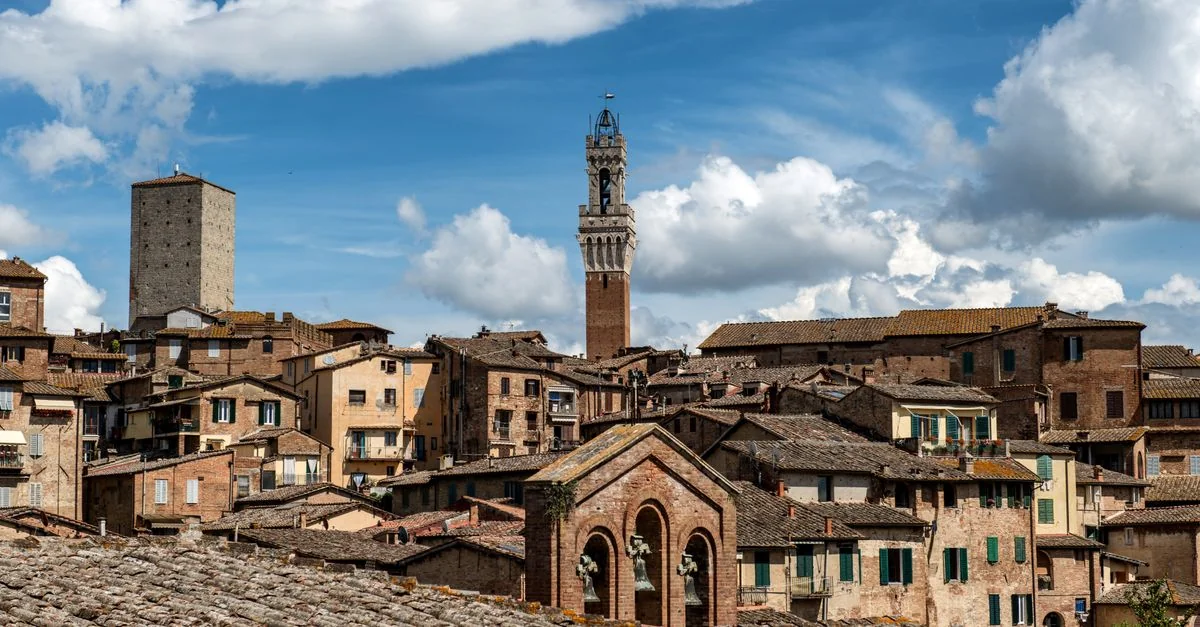
Choosing where to stay in Siena depends largely on your preference for convenience versus atmosphere. The Historic Center is the most popular area for visitors, and for good reason. It places you within walking distance of all the major attractions, including the Duomo and Piazza del Campo. Staying here means you can easily return to your accommodation for a midday break and enjoy the lively evening life. However, because the center is a pedestrian-only zone, you cannot drive your car directly to your hotel. You will need to park outside the city walls and walk or take a shuttle. Accommodation here ranges from budget-friendly hostels to luxury boutiques, but expect to pay a premium for the location.
For those who prefer a quieter, more residential feel, the San Marco district is an excellent choice. Located just outside the main tourist hubs but still within easy walking distance, this area offers a more authentic Sienese experience. You will find family-run trattorias, local markets, and fewer crowds. The streets here are still picturesque, with charming palaces and small squares, but without the constant flow of tour groups. This neighborhood is ideal for travelers who want to feel like they are living in a real Italian city rather than a tourist destination. Prices here are generally more moderate than in the immediate center, offering better value for mid-range travelers.
If you are traveling on a tighter budget or prefer a more modern comfort with easier parking, consider staying in the Suburbs or Outskirts of Siena. Areas like Banchi di Sopra or neighborhoods near the train station provide access to supermarkets and bus routes that can take you into the center. While you will need to rely on public transport or taxis to reach the main attractions, this option significantly reduces accommodation costs. Many hotels in these areas offer free parking, which is a major advantage if you plan to drive around Tuscany. It is a practical choice for road-trippers who view Siena as one stop on a larger itinerary, rather than the sole focus of their trip.
Luxury travelers might look for historic palazzos converted into boutique hotels within the center. These properties often feature original frescoes, marble bathrooms, and terraces with views of the cathedral. While expensive, they offer an immersive experience that blends high-end comfort with historical grandeur. Alternatively, staying in a farmhouse or agriturismo in the surrounding countryside can provide a luxurious escape. These properties often include wine tastings, farm-to-table dinners, and stunning views of the Tuscan landscape. It is a perfect option for those who want to combine a city visit with a rural retreat, although you will need a car to get around.
Top Things to Do in Siena#
No visit to Siena is complete without spending time in Piazza del Campo. This massive, shell-shaped square is one of the most beautiful in Italy . In the center stands the Torre del Mangia, a medieval tower that offers panoramic views of the city and the surrounding hills. Climbing the 251 steps to the top is a workout, but the reward is a 360-degree view that helps you understand the city’s layout. At the base of the tower is the Palazzo Pubblico, the town hall, which houses the Sala dei Nove. Inside, you can see Ambrogio Lorenzetti’s famous frescoes, particularly The Allegory of Good and Bad Government, which are masterpieces of medieval political art.
The Duomo di Siena is an architectural marvel that rivals any cathedral in Europe . The exterior features a striking black, white, and green marble facade, while the interior is equally impressive with its intricate mosaics and sculptures. Do not miss the Piccolomini Library, which contains frescoes by Pinturicchio and illuminated manuscripts. The Cathedral Baptistery and the Opera del Duomo museum are also worth visiting, offering a deeper dive into the history and craftsmanship of the cathedral. The climb up the cathedral’s dome is steep and narrow, but it provides a unique perspective on the interior’s grandeur.
For art lovers, the Pinacoteca Nazionale is a must-see. Housed in a former hospital, this museum holds an exceptional collection of Sienese school paintings, including works by Duccio, Simone Martini, and Ambrogio Lorenzetti. The building itself is beautiful, with a peaceful courtyard that provides a quiet respite from the busy streets. Nearby, the Basilica di San Domenico is the final resting place of St. Catherine of Siena. The church is filled with stunning frescoes and the Piccolomini Library, which is separate from the cathedral’s library and equally impressive. The atmosphere here is serene and spiritual, offering a contrast to the busy city center.
To experience the local culture, visit the Mercato Nuovo in the morning. This open-air market is where locals buy fresh produce, flowers, and meats. It is a sensory overload of colors and smells, and a great place to see Sienese daily life. Afterward, wander through the contrade to see the headquarters of the wards. Each contrada has its own museum, church, and piazza, and many are open to visitors. The Oca and Pantera museums are particularly well-regarded, offering insights into the history and traditions of the Palio. Walking through these neighborhoods gives you a sense of the fierce local identity that defines Siena.
For a change of pace, take a walk up to the Fortezza Medicea. This massive fortress was built by the Medici to control the city, and its ruins offer a great view of Siena and the surrounding countryside. The climb is short, and the perspective from the top is unique, showing the city’s defensive layout. Another lesser-known spot is the Chiesa di Sant’Agostino, a Gothic church with a beautiful facade and a quiet interior. It is often overlooked by tourists, making it a peaceful place for reflection. Finally, if you are visiting in July or August, witnessing the Palio di Siena is a once-in-a-lifetime experience. This bareback horse race is intense, chaotic, and deeply emotional, capturing the spirit of Siena like nothing else.
Food and Dining Guide#
Sienese cuisine is hearty and rustic, reflecting the agricultural roots of the region. One of the most iconic dishes is Pici, a thick, hand-rolled pasta that is unique to Siena. It is typically served with a rich Cinghiale Ragu (wild boar sauce) or a simple tomato and basil sauce. The texture of pici is chewy and satisfying, and it is a staple in many local trattorias. Another worth trying dish is Pappa al Pomodoro, a thick soup made from stale bread, tomatoes, garlic, and basil. It is often finished with a drizzle of high-quality olive oil and is a perfect example of Tuscan cucina povera, or poor cooking, which turns simple ingredients into delicious meals.
For meat lovers, Bistecca alla Fiorentina is a classic. This thick cut of T-bone steak is grilled over wood fire and served rare, seasoned only with salt, pepper, and olive oil. It is a substantial dish, best shared between two people. When dining in Siena, look for restaurants that source their ingredients locally, as the quality of the meat and produce is paramount. Another local specialty is Cinghiale (wild boar), which is often served in stews or as a roast. The meat is gamey and rich, and it pairs well with the robust red wines of the region.
Street food in Siena is also worth exploring. Schiaffacci are fried doughnuts that are a popular snack, often enjoyed with a coffee. Panini are also a great option for a quick lunch, with many bakeries offering stuffed breads with cured meats, cheeses, and vegetables. For a sweet treat, try Cantucci, almond biscuits that are traditionally dipped in Vin Santo, a sweet dessert wine. This combination is a quintessential Tuscan experience, and you can find it in many cafes and shops around the city.
When dining in Siena, it is important to understand the local dining customs. Lunch is typically served from 12:00 PM to 2:00 PM, and dinner from 7:30 PM to 10:00 PM. Many restaurants close between these times, so plan your meals accordingly. Tipping is not mandatory, but it is customary to leave a small amount for good service. Also, be aware that many restaurants charge a coperto, a cover charge for bread and table service, which is usually around €1-2 per person. This is standard practice and should be included in your budget.
Getting Around Siena#
Siena is a compact city, and the best way to get around is on foot. The historic center is a pedestrian-only zone, so cars are not allowed inside. This makes walking the most practical and enjoyable way to explore the narrow streets and hidden squares. However, be prepared for steep hills and uneven cobblestones, so wear comfortable shoes. If you have mobility issues, some areas may be challenging to navigate, so plan your route accordingly.
For those who prefer not to walk, there are limited public transport options within the city. Small buses and taxis are available, but they are not as frequent or convenient as in larger cities. Taxis can be expensive, so they are best used for short trips or if you are carrying heavy luggage. If you are arriving by train, the Siena Station is located just outside the city walls. From there, you can take a bus or taxi to the center, or walk if you are up for a 20-minute climb.
If you plan to explore the surrounding countryside, renting a car is highly recommended. However, driving in Siena’s historic center is not possible, so you will need to park outside the walls. There are several parking lots available, such as Parcheggio San Pietro or Parcheggio Porta all’Arco, from where you can walk or take a shuttle to the center. Be aware that parking can be expensive and limited, so book in advance if possible. Driving in Tuscany is enjoyable, but be cautious of narrow roads and local driving habits.
Budget Breakdown#
Budget travelers can expect to spend around $80-120 per day in Siena. This includes accommodation in hostels or budget hotels, meals at inexpensive trattorias or self-catering, and free or low-cost activities like walking tours and visiting public squares. Mid-range travelers should budget $150-250 per day, which covers comfortable hotels, meals at mid-range restaurants, and paid attractions like museum entries. Luxury travelers can expect to spend $300+ per day, including stays in boutique hotels or agriturismos, fine dining, private tours, and wine tastings.
Accommodation costs vary significantly by season and location. Budget hotels and hostels typically start around $30-50 per night in the off-season, rising to $80-120 in peak summer. Mid-range hotels range from $100-200 per night, while luxury options can exceed $300 per night. Food costs also vary, with a meal at a inexpensive trattoria costing $15-25, while a fine dining experience can cost $50-100 per person. Transportation costs are minimal if you walk, but taxis and car rentals can add up, with taxis costing $10-20 for short trips and car rentals starting at $40-60 per day.
Travel Tips for Siena#
Comfortable Footwear is Essential. Siena’s streets are made of uneven cobblestones and steep hills. Wearing comfortable, broken-in shoes is crucial to avoid foot pain and blisters. Avoid high heels or new shoes that have not been tested.
Respect the Contrae. The local wards, or contrade, are a source of great pride for Sienese residents. Avoid making jokes about rivalries or disrespecting symbols. Engage with locals respectfully, and you will be welcomed warmly.
Plan for the Palio. If you are visiting during the Palio di Siena (July 2 and August 16), book accommodation and tickets well in advance. The city is extremely crowded, and prices skyrocket. If you cannot get tickets, try to secure a spot on a balcony or terrace in the Piazza del Campo, but be prepared for high costs and limited views.
Use Public Transport for Day Trips. Siena is well-connected to other Tuscan towns like Florence, Pisa , and Arezzo by bus and train. Use these services to explore the region without the hassle of driving and parking.
Eat Like a Local. Avoid restaurants with picture menus or signs in multiple languages near major tourist sites. Walk a few blocks away to find authentic trattorias where locals eat. Look for places with a chalkboard menu outside, indicating daily specials.
Stay Hydrated. Summers in Siena can be hot and dry. Carry a water bottle and refill it at public fountains, which provide fresh, cold water. Many fountains are located in squares and along main streets.
Be Aware of Pickpockets. Like any tourist destination, Siena has its share of pickpockets, especially in crowded areas like Piazza del Campo and on public transport. Keep your valuables secure and be aware of your surroundings.
📌 Disclaimer
Prices, schedules, tour details, flight routes, visa requirements, and all other information on this page are based on data at the time of writing. Fares, availability, and policies may change. Please verify current details on the official website before booking.
📌 More about Siena