📌 Disclaimer
Prices, schedules, tour details, flight routes, visa requirements, and all other information on this page are based on data at the time of writing. Fares, availability, and policies may change. Please verify current details on the official website before booking.
Complete Travel Guide to Sharm el Sheikh: Top Attractions, Tips & Itinerary#
The scent of salt air mixes with the aroma of roasting coffee and spiced tobacco as you walk along the waterfront. The heat of the Sinai sun feels heavy on your skin, but a sudden breeze from the Red Sea provides a cooling relief. This is the sensory reality of a place where the jagged, rust-colored mountains of the desert drop sharply into deep turquoise waters.
Why Visit Sharm el Sheikh?#
Sharm el Sheikh offers a unique intersection of desert solitude and marine luxury. For American travelers, it serves as a manageable introduction to Egypt , providing a more relaxed pace than the chaotic energy of Cairo . The primary draw is the water; the Red Sea is world-renowned for its visibility and biodiversity, making it a premier destination for those who want to see coral reefs and exotic fish without traveling to the South Pacific.
Beyond the beaches, the region provides a gateway to the Sinai Peninsula’s rugged interior. You can spend your morning snorkeling with sea turtles and your afternoon exploring wind-swept canyons or visiting ancient Bedouin camps. The city is designed for leisure, with a heavy emphasis on all-inclusive comfort and high-end resorts that make the transition to Egyptian culture smooth and comfortable.
Best Time to Visit Sharm el Sheikh#
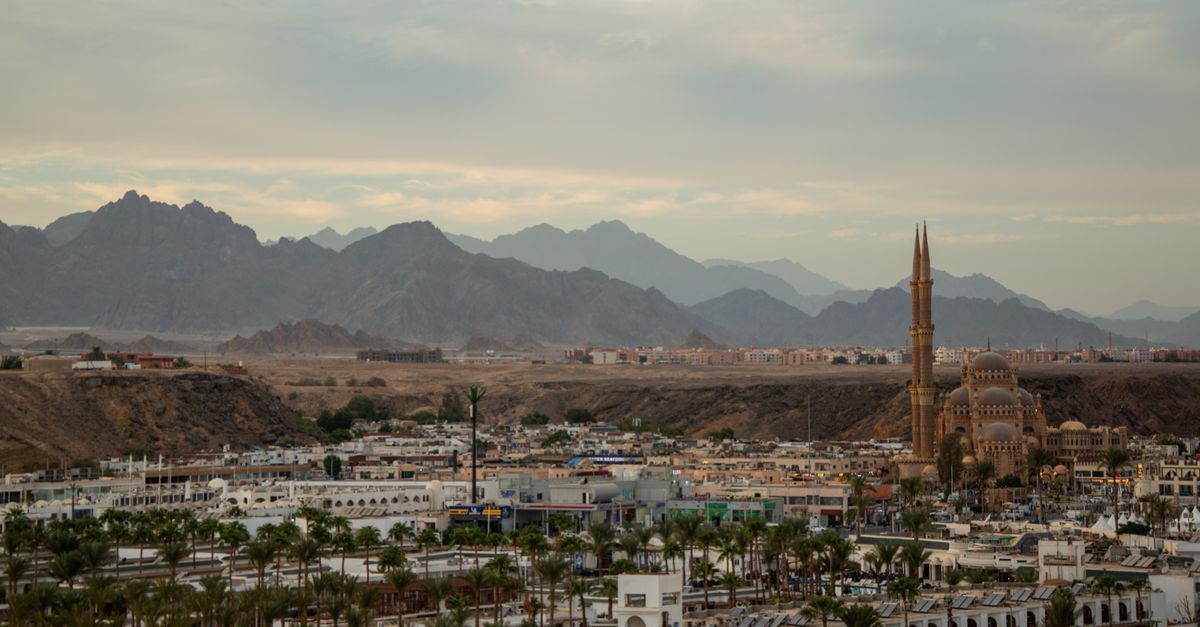
The ideal window for a visit falls between October and April. During these months, the temperature is mild, usually ranging from the mid-60s to the mid-80s, which is perfect for hiking and exploring the city. This is the peak season, meaning you will find more crowds and higher prices for flights and accommodations. If you visit during the winter holidays, expect the most congestion and the highest premiums on luxury stays.
The summer months, from May to September, are punishingly hot. Temperatures frequently climb above 100 degrees Fahrenheit, making outdoor activities during the day nearly impossible. However, this is the best time for budget-conscious travelers. Hotel rates drop significantly, and you can often find deep discounts on luxury suites. If you can handle the heat, the water is warm and the crowds are thin, provided you plan your excursions for the early morning or late evening.
The shoulder seasons of April and May, as well as September and October, offer a balanced middle ground. The weather is warm enough for swimming but not oppressive, and the pricing is more moderate than the winter peak. These months are excellent for those who want to avoid the heaviest tourist rushes while still enjoying comfortable outdoor temperatures.
Where to Stay in Sharm el Sheikh#
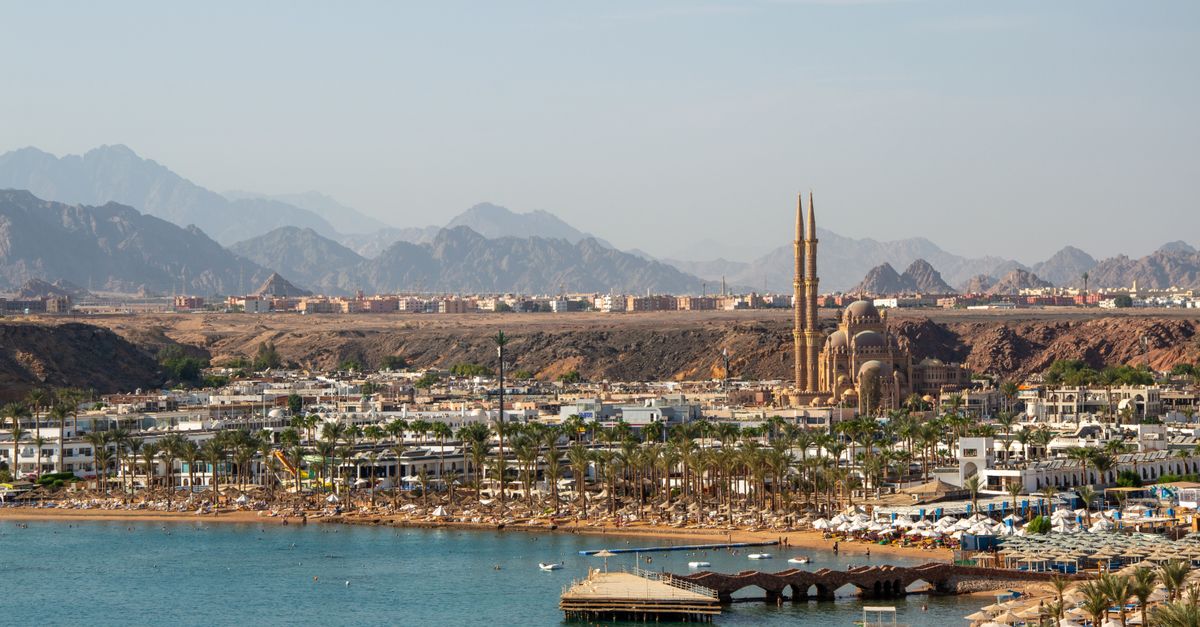
For those seeking a high-energy atmosphere, Naama Bay is the central hub. This area is ideal for mid-range travelers who want to be within walking distance of shops, cafes, and nightlife. The accommodations here range from modest guesthouses to larger resorts, all centered around a crescent-shaped beach. It is the most tourist-centric part of the city, making it a convenient home base for first-timers.
Travelers looking for luxury and seclusion should head to Sharks Bay. This neighborhood is famous for its high-end resorts that offer private beach access and direct entry into the reef. It is a quieter area, perfect for couples or those looking to escape the noise of the city center. Most stays here are luxury-tier, focusing on all-inclusive packages and expansive spa facilities.
If you prefer a more laid-back, scenic vibe, Hadaba is an excellent choice. Located on a plateau overlooking the sea, this area offers a mix of budget and mid-range options. It is particularly popular with divers because many of the best dive sites are located just offshore. The atmosphere is less commercialized than Naama Bay, providing a more authentic feel of the local coastline.
For those who want the absolute pinnacle of luxury and privacy, the Nabq Bay area is the place to be. This region is further from the city center and features sprawling resorts with massive footprints. Because it is more isolated, it attracts luxury travelers who prefer to spend their entire vacation within the confines of a high-end property, enjoying private lagoons and manicured gardens.
Top Things to Do in Sharm el Sheikh#
The most iconic experience in the city is visiting Ras Mohammed National Park. This protected area is where the Gulf of Suez and the Gulf of Aqaba meet, creating a marine sanctuary with some of the most diverse coral gardens on earth. You can spend hours snorkeling or diving in the deep blue water, watching schools of colorful fish dart through the reef.
For a different perspective of the sea, take a trip to Tiran Island. Reaching this spot usually requires a boat trip, but the reward is the pristine water and the chance to see larger marine life. The currents around the island create a dynamic environment that attracts sharks and rays, making it a favorite for experienced divers.
If you prefer to stay on dry land, the Old Market is worth visiting. This area is a maze of narrow alleys filled with spice shops, textile vendors, and gold smiths. It is the best place to practice your bargaining skills while hunting for authentic Egyptian cotton or hand-crafted jewelry. The architecture here is more traditional, offering a glimpse into the local aesthetic.
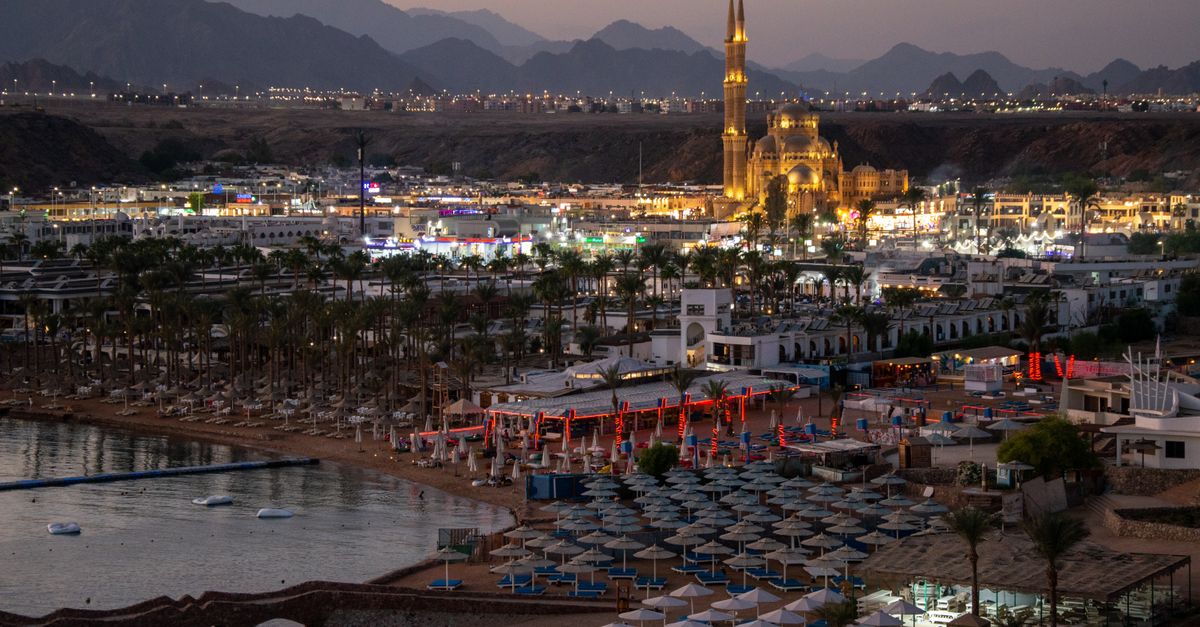
The Al Sahaba Mosque stands as a stunning architectural landmark in the Old Market. Its intricate carvings and towering minarets are a sight to behold, especially at sunset when the lighting emphasizes the detail of the stonework. Even for those who aren’t religious, the sheer scale and beauty of the building are impressive.
For a bit of adventure, head into the desert for a Bedouin Safari. Riding a quad bike across the dunes allows you to see the vastness of the Sinai landscape. Most tours end at a traditional camp where you can drink mint tea and learn about the nomadic lifestyle of the people who have called this desert home for centuries.
If you are looking for a relaxing afternoon, Farsha Cafe is an experience in itself. Perched on a cliffside with eclectic furniture and hanging fabrics, it offers one of the best views of the coastline. It is more of a lounge than a traditional cafe, where you can watch the sun dip below the horizon while listening to chilled music.
For those interested in history and nature, the Sinai Mountain trek is a challenging but rewarding endeavor. While it requires a long trip from the city, hiking to the summit provides a panoramic view of the entire peninsula. The climb is steep, but the sense of accomplishment at the top is impressive.
To escape the heat, spend a day at a Water Park. There are several large-scale parks in the city featuring massive slides and lazy rivers. These are particularly great for families with children who need a break from the salt water of the Red Sea.
Finally, take a stroll along the Naama Bay Promenade. While it is touristy, it is the best place to people-watch and enjoy the evening breeze. The walk is lined with boutiques and small eateries, providing a gentle way to wind down after a day of exploration.
Food and Dining Guide#
Egyptian food is hearty and flavorful, relying heavily on legumes, fresh vegetables, and grilled meats. A staple you will encounter everywhere is Koshary, the national dish. It is a filling mixture of lentils, rice, macaroni, and chickpeas, topped with a spicy tomato sauce and fried onions. It is typically sold in casual eateries and is an affordable way to eat like a local.
For breakfast, look for Ful Medames. This is a slow-cooked fava bean stew seasoned with olive oil, cumin, and lemon. It is usually served with warm pita bread and fresh greens. It is the fuel that powers most Egyptians through the day and is a healthy, protein-rich start to your morning.
If you enjoy grilled meats, Kebab and Kofta are essential. These are skewers of marinated beef or lamb, grilled over open charcoal. They are often served with tahini sauce and a side of grilled vegetables. You will find these at both high-end restaurants and small street-side grills, though the street versions often have a more authentic, smoky flavor.
For a sweet treat, try Om Ali. This is a traditional bread pudding made with pastry, milk, nuts, and raisins, baked until golden and creamy. It is the perfect dessert to enjoy after a heavy meal, especially when served warm.
When it comes to dining, the city offers a wide spectrum. The resorts provide international buffets that are convenient and safe, but for a more authentic experience, head to the Old Market. Street food is common and generally safe if you stick to busy vendors where the food is cooked fresh in front of you. Freshly squeezed pomegranate and sugarcane juices are available on almost every corner and are incredibly refreshing in the heat.
Getting Around Sharm el Sheikh#
Taxis are the primary mode of transport for most visitors. They are readily available throughout the city, especially near hotels and shopping districts. It is important to agree on the fare with the driver before you enter the vehicle, as most taxis do not use meters. Bargaining is expected, so feel free to negotiate the price down.
For those who prefer a more structured option, ride-sharing apps are available and can provide a more transparent pricing model. These are often more reliable for longer trips across the city, as the destination and price are locked in via the app.
Walking is viable in specific areas like Naama Bay or the Old Market, where the attractions are clustered together. However, the city is quite spread out, and the heat makes long walks impractical. The sidewalks can be uneven or non-existent in some parts of town, so be mindful of your footing.
Rental cars are an option for those who want total independence, but they are not recommended for most travelers. The traffic can be aggressive, and navigating the desert roads requires a level of confidence that most tourists lack. Most people find that taxis or organized tour shuttles are far more stress-free.
Budget Breakdown#
For a budget traveler, daily expenses typically range from $40 to $70. This includes staying in a budget guesthouse or a small apartment, eating primarily at local street stalls or small cafes, and using shared transport or walking. Activities are limited to free beaches and a few affordable excursions.
A mid-range traveler can expect to spend between $120 and $200 per day. This budget covers a comfortable room in a mid-tier resort, a mix of restaurant meals and street food, and several guided tours, such as a snorkeling trip or a desert safari. Taxis are used frequently for convenience.
Luxury travelers often spend $350 or more per day. This includes staying at a high-end all-inclusive resort where most meals and drinks are covered. The budget also accounts for private boat charters, high-end spa treatments, and private guided tours of the Sinai mountains.
Travel Tips for Sharm el Sheikh#
Currency and Payments actually offer a lot of flexibility. While the Egyptian Pound is the official currency, the US Dollar and Euro are widely accepted in hotels, tourist shops, and major restaurants. It is still a good idea to keep some local currency for small purchases at markets or for tipping taxi drivers.
Water Safety is a critical consideration. Never drink the tap water in Sharm el Sheikh. Stick to bottled water for drinking and even for brushing your teeth if you have a sensitive stomach. Most hotels provide complimentary bottled water, but it is wise to buy large packs from a local supermarket to keep in your room.
Tipping Culture is very prominent in Egypt. Small tips, known as baksheesh, are expected for a wide variety of services, from luggage carriers to tour guides. Carrying a stash of small-denomination bills makes this process much easier and is appreciated by the local service workers.
Dress Code varies depending on where you are. Within the resorts and on the beaches, standard swimwear and casual western clothing are perfectly acceptable. However, when visiting the Old Market or the mosque, it is respectful to dress more modestly. Women should consider covering their shoulders and knees, and men should avoid wearing sleeveless shirts in these areas.
Sun Protection cannot be overstated. The reflection of the sun off the white sand and turquoise water intensifies the burn. Use a high-SPF sunscreen, wear a wide-brimmed hat, and stay hydrated. Even in the winter, the desert sun can be surprisingly strong.
Bargaining Etiquette is a part of the shopping experience. In the markets, the first price quoted is rarely the final price. Negotiate politely and with a smile. If you cannot reach a price you are comfortable with, it is perfectly okay to walk away; often, the vendor will call you back with a lower offer.
📌 Disclaimer
Prices, schedules, tour details, flight routes, visa requirements, and all other information on this page are based on data at the time of writing. Fares, availability, and policies may change. Please verify current details on the official website before booking.
📌 More about Sharm el Sheikh