📌 Disclaimer
Prices, schedules, tour details, flight routes, visa requirements, and all other information on this page are based on data at the time of writing. Fares, availability, and policies may change. Please verify current details on the official website before booking.
Why Visit Shanghai ?#
📌 More about Shanghai
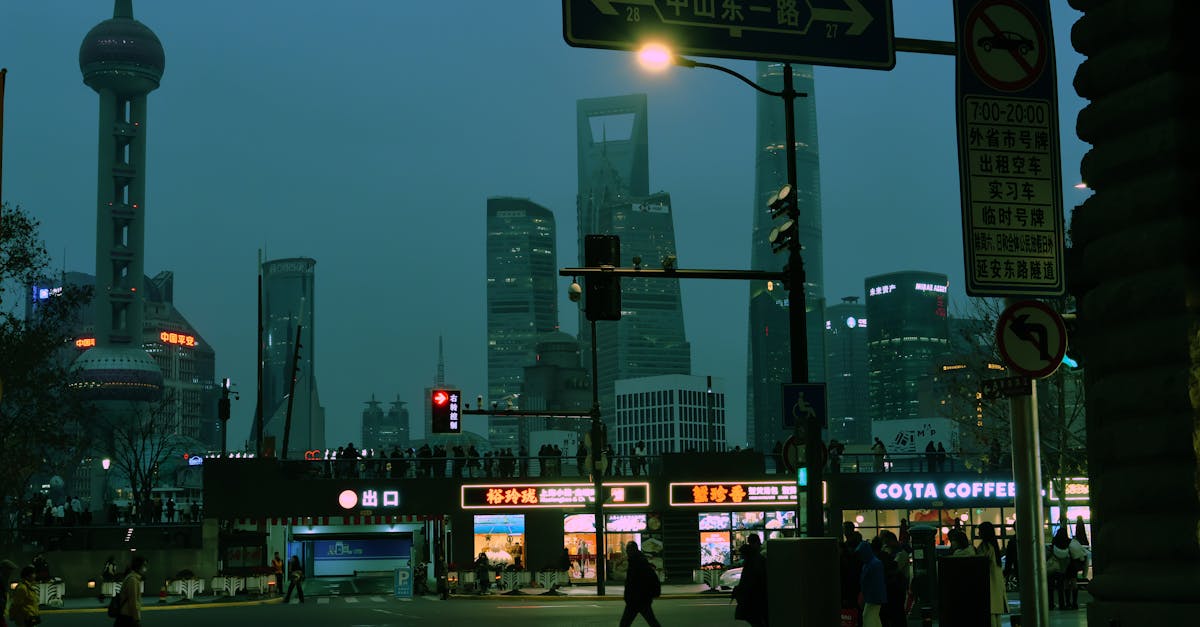
The scent of street food wafts through the air as you stroll along the Bund, where the historic architecture stands in stark contrast to the sleek, modern skyline of Pudong. Shanghai is a city that thrives on its duality, where traditional tea houses coexist with futuristic skyscrapers. This dynamic blend creates an atmosphere filled with energy and intrigue, drawing travelers from across the globe. The city’s long history, combined with its rapid modernization, offers a unique experience that is both enlightening and entertaining.
Shanghai is not just a destination; it’s an experience that engages all the senses. From the harmonious sounds of busy markets to the sight of the Oriental Pearl Tower piercing the sky, every corner of this metropolis tells a story. The local culture is real, whether you’re wandering through the serene Yuyuan Garden or enjoying a thrilling acrobatic show. Shanghai invites exploration and discovery, making it worth visiting for any traveler seeking both adventure and insight into contemporary Chinese life.
Best Time to Visit Shanghai#
Shanghai experiences four distinct seasons, each offering a unique perspective on the city. Spring, from March to May, is a delightful time to visit. Temperatures range from the mid-50s to mid-70s Fahrenheit, making it comfortable for outdoor activities. The blooming flowers in parks add an extra touch of beauty, and crowds are moderate, allowing for a more relaxed experience.
Summer, from June to August, can be quite hot and humid, with temperatures often exceeding 85 degrees Fahrenheit. This is the peak tourist season, so expect larger crowds and higher prices. If you can handle the heat, this season offers a lively atmosphere with numerous festivals and events.
Autumn, from September to November, is another ideal time to visit. The weather is mild, with temperatures ranging from the mid-60s to low 70s, and the fall foliage in parks creates a picturesque backdrop. This season also sees a drop in tourist numbers, leading to a more enjoyable experience. Winter, particularly December to February, brings cooler temperatures, often dipping into the 30s and 40s. While this is the least crowded time, it’s essential to dress warmly and be prepared for occasional rain.
Where to Stay in Shanghai#
Choosing the right neighborhood can greatly enhance your experience in Shanghai. For budget travelers, Hongkou District offers affordable accommodations while still being close to many attractions. This area is known for its unique blend of local culture and modern amenities, making it a great base for exploring the city.
Mid-range travelers may find Jing’an District appealing, as it boasts a mix of boutique hotels and chain options. The area is home to beautiful parks, shopping districts, and a variety of dining options, ensuring that you have everything you need within walking distance.
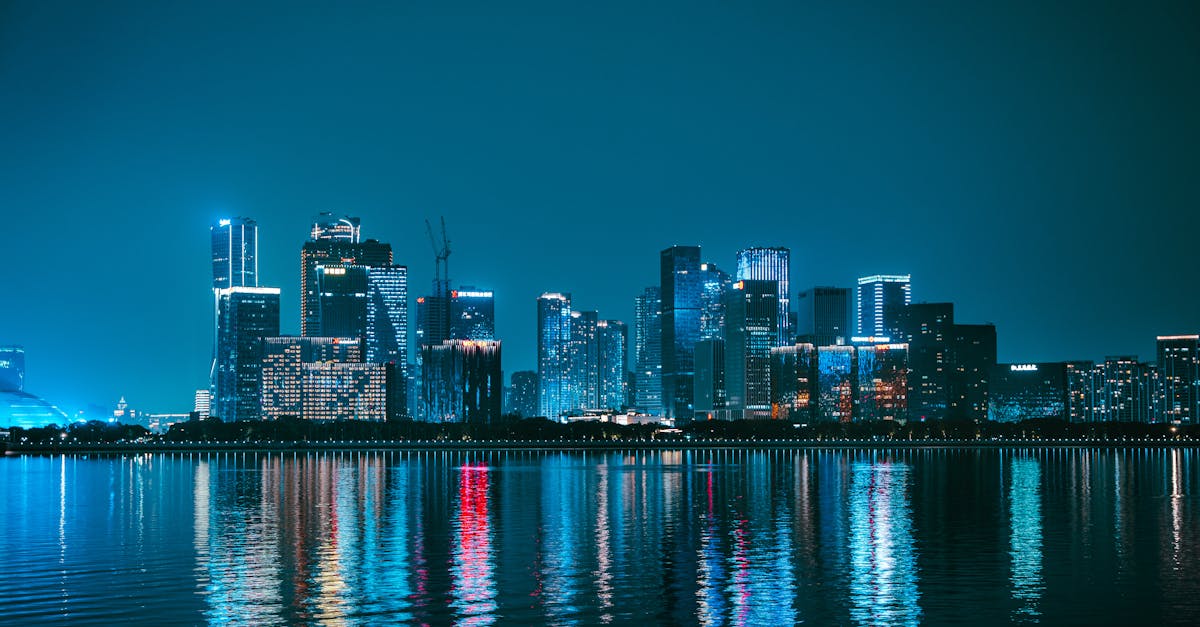
If luxury is what you seek, Lujiazui in Pudong is the place to be. This district is famous for its high-end hotels with stunning views of the skyline. Staying here places you right in the heart of Shanghai’s financial center, with easy access to iconic landmarks and upscale dining experiences.
Another great option is Xuhui District, which offers a more local feel. This area is filled with quaint cafes, traditional markets, and beautiful tree-lined streets, making it an excellent choice for those who want to experience a quieter side of the city while still being centrally located.
Top Things to Do in Shanghai#

A visit to The Bund is essential for anyone traveling to Shanghai. This waterfront promenade offers breathtaking views of the city’s skyline, especially at night when the buildings are illuminated. It’s a fantastic place for a leisurely stroll, where you can appreciate the architectural styles that span over a century.
Just a short distance away is Yuyuan Garden, a classic example of a traditional Chinese garden. The tranquil environment, complete with koi ponds and rockeries, provides a peaceful escape from the city’s hustle and bustle. Nearby, the surrounding bazaar is perfect for souvenir shopping and sampling local snacks.
For those interested in modern architecture, a trip to the Shanghai Tower is a must. Standing as the tallest building in China , the observation deck offers panoramic views that are simply stunning. The experience of standing high above the city is one that captures the essence of Shanghai’s rapid development.
Art enthusiasts will appreciate the Power Station of Art, which showcases contemporary art exhibitions and hosts various cultural events. Housed in a former power plant, this space is a testament to Shanghai’s artistic evolution and is worth exploring for its innovative displays.
Don’t miss the Shanghai Museum, located in People’s Square. This museum houses an impressive collection of ancient Chinese art, including ceramics, jade, and calligraphy. The architecture of the museum itself is a work of art, making it a highlight for history buffs.
For a taste of local life, consider visiting Tianzifang. This artsy enclave is filled with narrow alleyways, art studios, and cozy cafes. It’s a great place to wander, shop for unique crafts, and enjoy a cup of coffee while watching the world go by.
Another fascinating spot is the Jade Buddha Temple, where you can admire intricate carvings and the serene atmosphere. The temple is home to two stunning jade Buddha statues and is an excellent place to learn about Buddhist practices in China.
To experience the excitement of Shanghai’s nightlife, head to Xintiandi, a stylish pedestrian street lined with restaurants, bars, and shops. This area is perfect for dining and enjoying a night out, with options ranging from local cuisine to international fare.
Finally, if time allows, consider taking a day trip to Zhujiajiao, a picturesque water town located on the outskirts of Shanghai. Known for its ancient bridges and canals, this charming town offers a serene escape and a glimpse into traditional Chinese life.
Food and Dining Guide#
Shanghai is a great for food lovers, offering an array of dishes that reflect its diverse culinary landscape. One of the worth trying dishes is Xiao Long Bao, or soup dumplings. These delicate dumplings, filled with savory broth and meat, are best enjoyed at a local restaurant where you can watch them being made.
Another local favorite is Sheng Jian Bao, pan-fried dumplings that are crispy on the bottom and filled with juicy pork. Street vendors often sell these delicious treats, making them an ideal snack while exploring the city.
For a taste of something sweet, don’t miss Mooncakes, especially if you’re visiting during the Mid-Autumn Festival. These pastries are traditionally filled with lotus seed paste and salted egg yolks, offering a unique flavor experience.
If you’re in the mood for something refreshing, try Cold Noodles, a popular dish during the warmer months. These noodles are typically served with a variety of toppings and a zesty sauce, making them a light yet satisfying meal.
Shanghai’s street food scene is lively, with vendors selling everything from skewered meats to candied fruits. Sampling street food is a great way to experience the local culture, and you might discover some new favorites along the way.
Dining in Shanghai can be a delightful experience, with options ranging from hole-in-the-wall eateries to upscale restaurants. While street food offers an authentic taste of local life, restaurants provide a chance to enjoy more elaborate dishes in a comfortable setting.
Whether you’re looking for traditional Chinese fare or international cuisine, Shanghai has it all. The city’s dining scene is ever-evolving, with new establishments opening frequently, ensuring that there’s always something new to try.
Getting Around Shanghai#

Navigating Shanghai is relatively straightforward, thanks to its extensive public transportation system. The Shanghai Metro is one of the most efficient ways to travel around the city. With multiple lines connecting various districts, it’s an affordable option for getting to popular attractions. Signs are in both Chinese and English, making it easy for travelers to find their way.
Taxis are also widely available and can be hailed on the street or booked through apps. They are a convenient option, especially if you’re traveling with luggage or heading to a destination that is not easily accessible by metro. However, be prepared for traffic during peak hours.
Walking can be a pleasant way to explore certain neighborhoods, particularly in areas like the Bund or Tianzifang, where the streets are pedestrian-friendly and full of interesting sights. Renting a bike is another option, with many bike-sharing programs available throughout the city, allowing you to explore at your own pace.
While renting a car is an option, it’s generally not recommended due to traffic congestion and the challenges of navigating the city. Public transportation, taxis, and walking will provide a more enjoyable experience as you discover all that Shanghai has to offer.
Budget Breakdown#
When planning your trip to Shanghai, it’s important to consider your budget. For budget travelers, daily expenses can range from $50 to $80. This includes staying in budget accommodations, eating at local restaurants, and using public transportation.
Mid-range travelers can expect to spend between $100 to $200 daily. This budget allows for more comfortable lodging, dining at a mix of local and international restaurants, and enjoying a few attractions.
Luxury travelers should budget at least $300 per day. This range accommodates upscale hotels, fine dining experiences, and private tours or activities.
Regardless of your budget, Shanghai offers a variety of options to suit your needs. With careful planning, you can make the most of your trip while enjoying the city’s diverse offerings.
Travel Tips for Shanghai#
Language Barrier is something to be aware of when visiting Shanghai. While many signs are in English, not everyone speaks it fluently. Learning a few basic Mandarin phrases can go a long way in enhancing your experience and making interactions smoother.
Cash and Payments are essential to consider. While credit cards are accepted in many places, smaller vendors and markets often prefer cash. It’s a good idea to have some local currency on hand, especially for street food and small purchases.
Cultural Etiquette is important to keep in mind. When visiting temples or traditional sites, dress modestly and be respectful of local customs. It’s customary to greet people with a smile and a nod, as this goes a long way in building rapport.
Traffic Awareness is crucial, as the streets can be quite busy. Always look both ways before crossing and be cautious of cyclists. It may take some time to adjust to the flow of traffic, especially if you’re used to quieter streets at home.
Safety Precautions should not be overlooked. Shanghai is generally safe for travelers, but it’s wise to be aware of your surroundings, especially in crowded areas. Keep your belongings secure and avoid displaying valuables in public.
Public Transportation is reliable and affordable, so take advantage of it. Downloading a translation app can help navigate the metro system and communicate with drivers if needed.
Finally, Plan Your Itinerary but leave some room for spontaneity. While it’s great to have a list of must-see attractions, some of the best experiences can come from wandering and discovering the city on your own. Embrace the unexpected and enjoy everything Shanghai has to offer.