📌 Disclaimer
Prices, schedules, tour details, flight routes, visa requirements, and all other information on this page are based on data at the time of writing. Fares, availability, and policies may change. Please verify current details on the official website before booking.
Photo by Emilio Sánchez Hernández on Pexels
Why Visit Seville ?#
Seville, the capital of Andalusia in southern Spain , is a city steeped in rich history, vibrant culture, and stunning architecture. Known for its flamenco dancing, elaborate festivals, and mouthwatering cuisine, Seville is a destination that offers a little bit of everything for every type of traveler. Strolling through the narrow streets of the Santa Cruz neighborhood, you’ll be captivated by the mix of Gothic cathedrals and Moorish palaces, all while soaking in the lively atmosphere of the tapas bars that spill onto the sidewalks.
What truly sets Seville apart is its unique blend of cultures and traditions. The city has been influenced by Romans, Moors, and Christians, which is reflected in its architecture and local customs. From the breathtaking Alcázar palace to the iconic Giralda tower, every corner of Seville tells a story. Furthermore, the city’s energy is infectious, especially during the spring months when the famous Feria de Abril (April Fair) and Semana Santa (Holy Week) take place, drawing both locals and tourists into a whirlwind of celebration.
Best Time to Visit Seville#
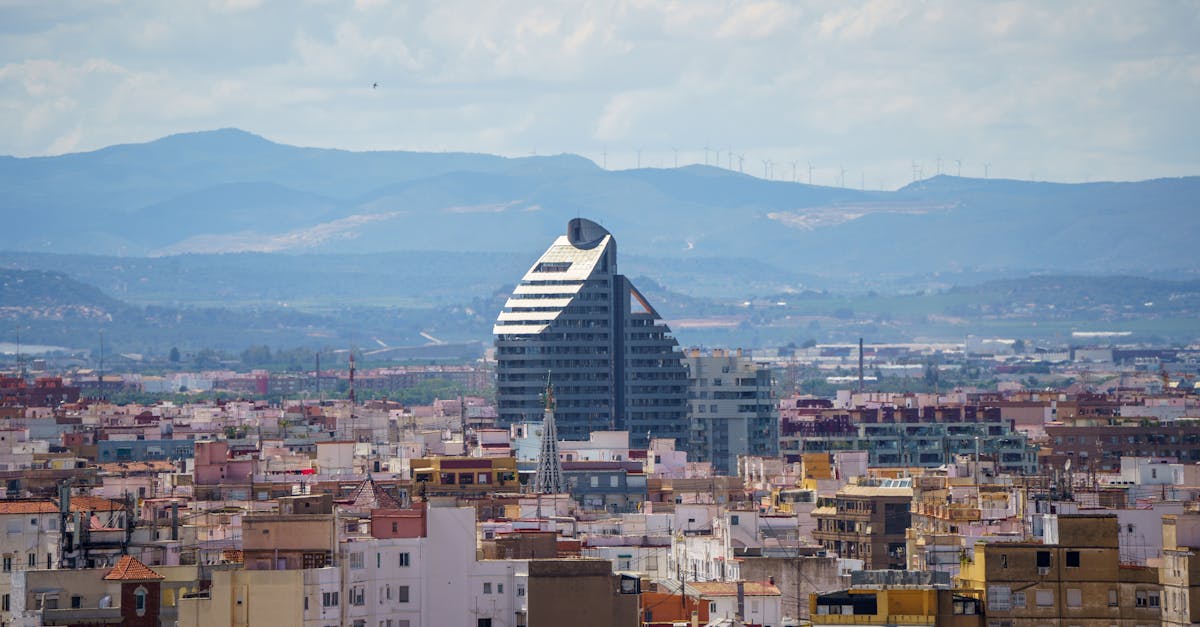
Seville enjoys a Mediterranean climate, making it a year-round destination, but the best times to visit are during the spring (March to May) and fall (September to November) months. In spring, temperatures are pleasantly warm, usually ranging from the mid-60s to mid-80s°F, which is perfect for exploring the city’s outdoor attractions. This season also brings the vibrant Feria de Abril, where you can experience traditional Andalusian culture in full swing.
Summer (June to August) can be quite hot, with temperatures often exceeding 90°F. While this is peak tourist season, you may want to plan your sightseeing for early morning or late afternoon to avoid the heat. Accommodations can be pricier during this time, and popular attractions may be crowded.
Fall is also a great time to visit, with temperatures cooling down to the comfortable 70s°F. This is when many festivals take place, and you’ll find fewer tourists compared to the summer months. Winter (December to February) sees milder temperatures, usually in the 50s to low 60s°F, and while it’s the least crowded time, some attractions may have reduced hours.
Where to Stay in Seville#
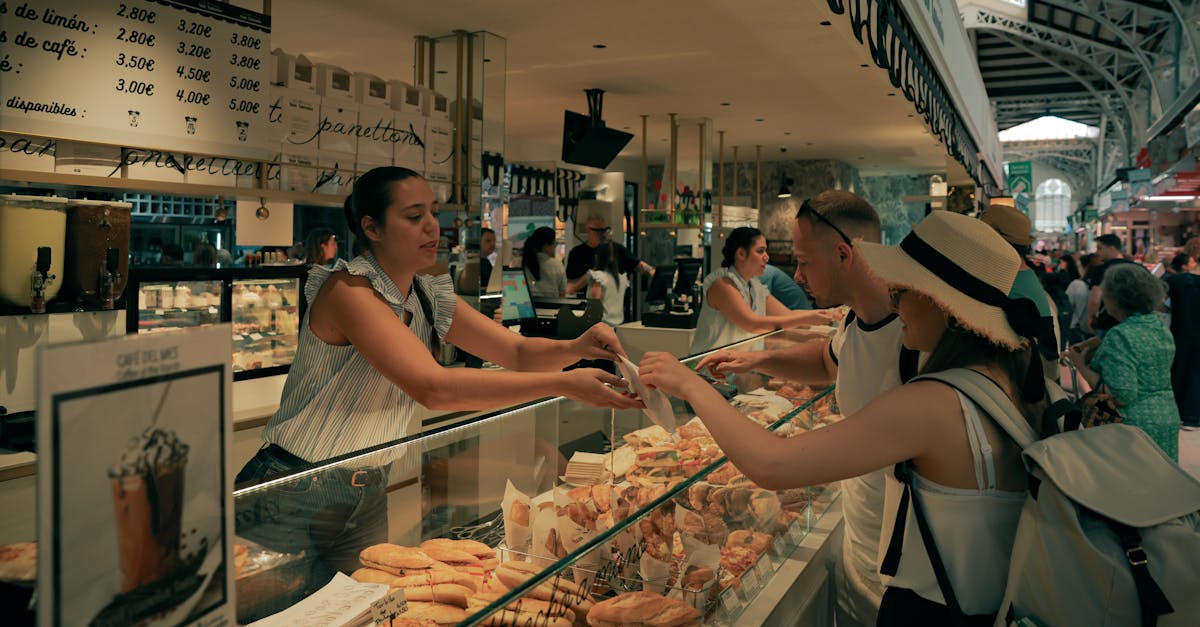
When it comes to choosing where to stay in Seville, you have a variety of neighborhoods to consider, each with its own charm and offerings.
Budget: Triana - This lively neighborhood across the river from the city center is known for its traditional pottery and flamenco culture. Budget hotels and hostels typically start around $30-50/night, making it a great option for travelers looking to save.
Mid-Range: Santa Cruz - This historic neighborhood is the heart of Seville, filled with narrow streets, beautiful plazas, and tapas bars. Mid-range accommodations can be found for $100-150/night, providing easy access to major attractions.
Luxury: El Arenal - Situated near the bullring and the Guadalquivir River, El Arenal offers upscale hotels and boutique stays. Expect to pay $200+ per night for a luxurious experience in this elegant area.
Trendy: Alameda de Hércules - Known for its vibrant nightlife and artistic vibe, this neighborhood is perfect for those looking to experience Seville’s modern side. You’ll find a range of accommodations, with mid-range options starting around $80-120/night.
Top Things to Do in Seville#
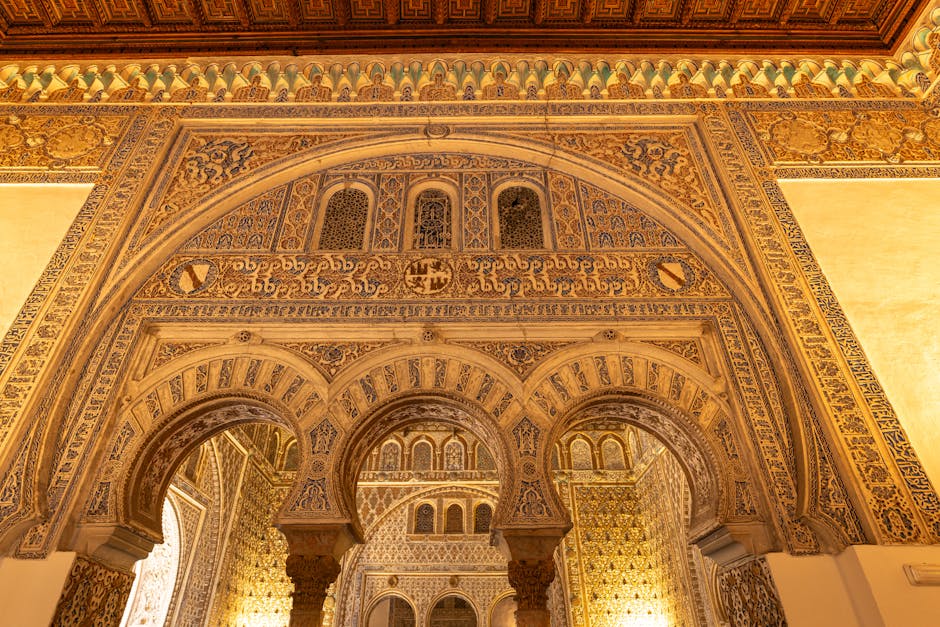
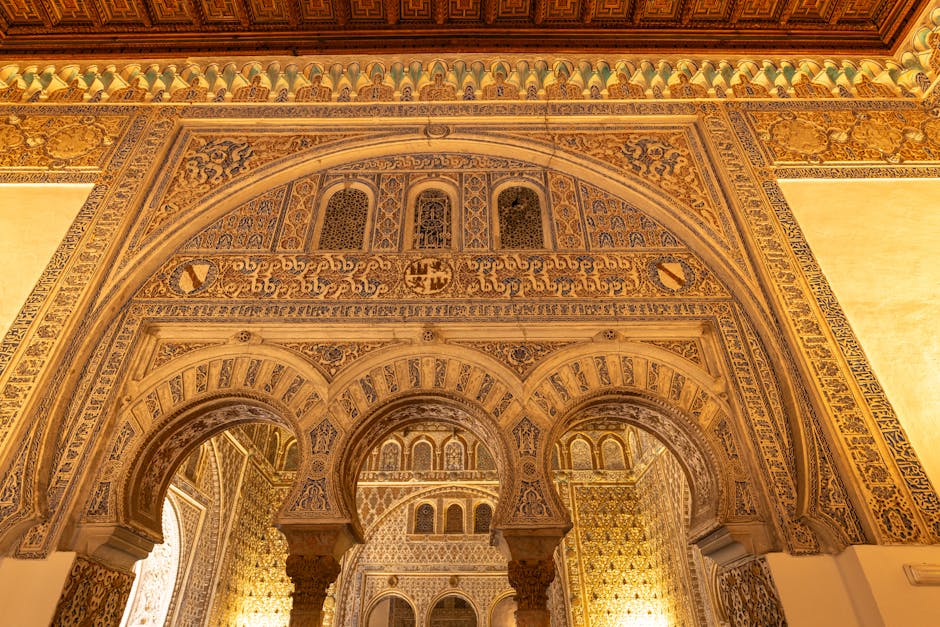
Visit the Alcázar of Seville - This stunning palace complex is known for its intricate Moorish architecture and lush gardens. It’s a UNESCO World Heritage site and a must-see for any visitor.
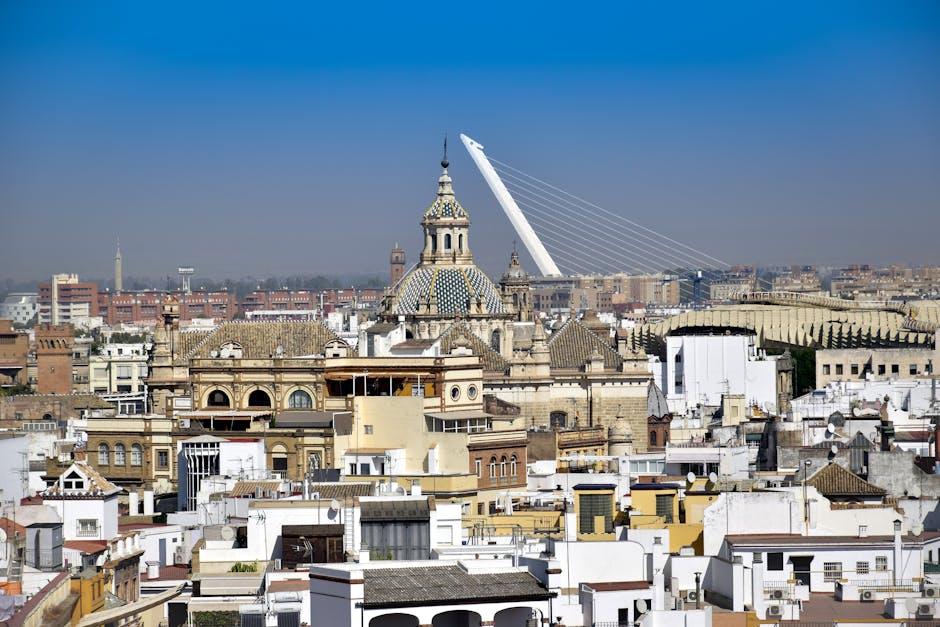
Explore the Seville Cathedral and La Giralda - One of the largest cathedrals in the world, this Gothic masterpiece is home to Christopher Columbus’s tomb. Climb the La Giralda tower for panoramic views of the city.
Stroll through Plaza de España - A beautiful square surrounded by a semi-circular building, this site is famous for its stunning tilework and bridges over the canal. It’s a perfect spot for photos and leisurely walks.
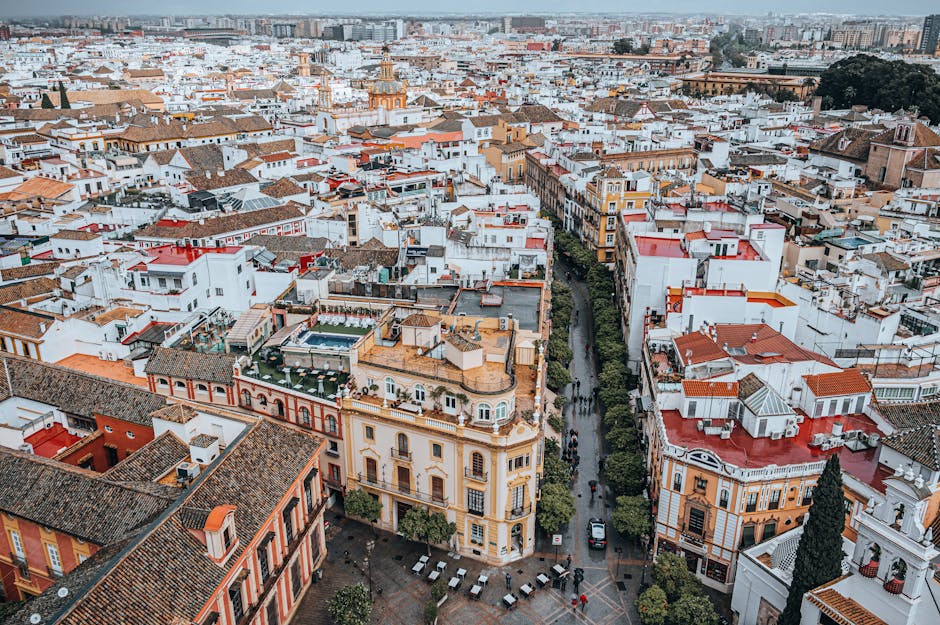
Wander the Barrio Santa Cruz - The old Jewish Quarter is filled with narrow, winding streets, charming plazas, and hidden gems. Take your time to get lost in its beauty.
Catch a Flamenco Show - Experience the passion of flamenco dancing in one of the many venues around the city. Look for smaller, more intimate shows for an authentic experience.
Visit Metropol Parasol - An architectural marvel in the heart of the city, this wooden structure offers a rooftop walkway with stunning views of Seville. It’s a great spot for sunset.
Explore the Archive of the Indies - Another UNESCO World Heritage site, this archive houses important documents from Spain’s colonial past. It’s a fascinating place for history buffs.
Enjoy the Maria Luisa Park - A lush green space perfect for a leisurely stroll or picnic, this park features beautiful fountains and gardens, providing a peaceful retreat from the city’s hustle and bustle.
Taste Local Tapas - Explore the numerous tapas bars throughout the city. Each bar has its own specialties, making it a delightful experience to sample a variety of dishes.
Discover the Flamenco Dance Museum - Learn about the history and evolution of flamenco dance through interactive exhibits and live performances. It’s a great way to immerse yourself in this vital part of Andalusian culture.
Food and Dining Guide#
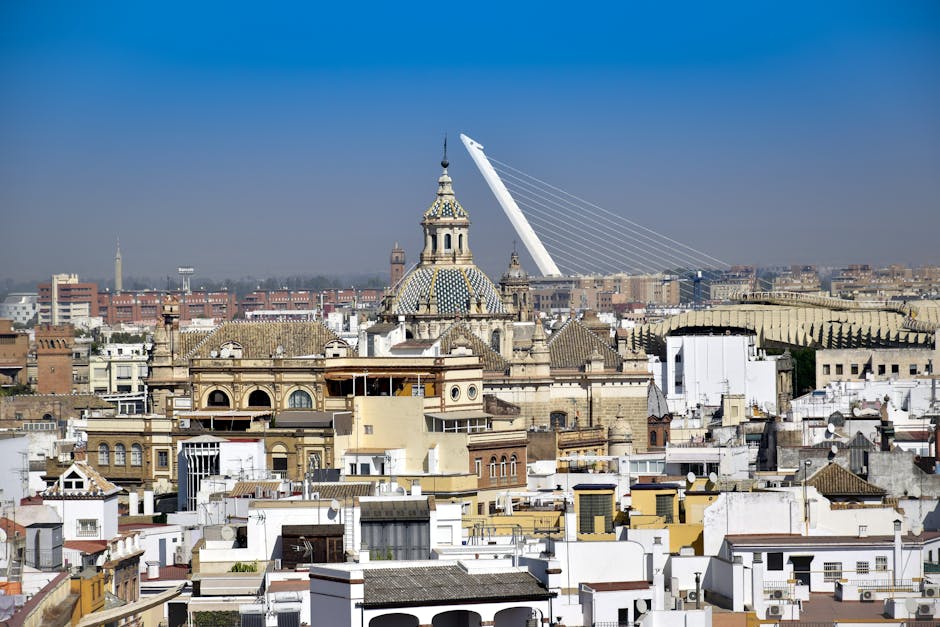
Seville is a culinary delight, offering a rich tapestry of flavors that reflect its diverse cultural heritage. The local cuisine is characterized by fresh ingredients, bold flavors, and traditional cooking methods. You simply can’t leave Seville without trying these must-try dishes:
Tapas - Small plates of various dishes that are perfect for sharing. Don’t miss classics like patatas bravas (spicy potatoes), jamón ibérico (Iberian ham), and gambas al ajillo (garlic shrimp).
Gazpacho - A refreshing cold soup made from tomatoes, cucumbers, peppers, and garlic, perfect for warm days.
Salmorejo - A thicker, creamier version of gazpacho, typically topped with hard-boiled eggs and jamón.
Flamenquín - A local specialty of meat (often pork) wrapped in ham, breaded, and fried. It’s a hearty dish that’s sure to satisfy.
Churros with Chocolate - For a sweet treat, indulge in crispy churros served with thick hot chocolate for dipping, a popular snack any time of day.
Street food is widely available and a great way to experience local flavors without breaking the bank. Visit local markets or small tapas bars to sample authentic dishes. For a more sit-down experience, many restaurants offer a mix of traditional and modern Andalusian cuisine, providing a delightful dining experience.
Getting Around Seville#
Seville is a compact city, making it easy to explore on foot. Most major attractions are within walking distance of each other, and you’ll enjoy the charming streets and vibrant atmosphere along the way.
Public transit is also available, with a network of buses and trams that can take you to areas further from the center. The metro is a convenient option for reaching destinations on the outskirts of the city. Taxis are readily available and relatively affordable, but be cautious of surge pricing during peak hours.
If you prefer to explore at your own pace, consider renting a bike. Seville has a bike-sharing program, and many locals use bicycles as their primary mode of transportation. Rental cars are generally not recommended due to limited parking and the city’s narrow streets, but if you plan to explore the surrounding countryside, a car could be useful.
Budget Breakdown#
When planning your budget for a week in Seville, consider the following daily estimates:
Budget Traveler: Expect to spend around $50-80 per day. This includes budget accommodations, street food, public transport, and free or low-cost attractions.
Mid-Range Traveler: A budget of $150-250 per day is realistic for mid-range travelers. This allows for comfortable accommodations, dining at local restaurants, and entry fees for attractions.
Luxury Traveler: For those seeking a more upscale experience, plan on spending $300+ per day. This includes luxury accommodations, fine dining, guided tours, and exclusive experiences.
Keep in mind that these are rough estimates and can vary based on personal preferences and travel styles.
Travel Tips for Seville#
Safety First: Seville is generally safe for tourists, but be aware of pickpockets, especially in crowded areas and on public transport. Keep your belongings secure.
Tipping: Tipping in Spain is not as customary as in the U.S., but rounding up your bill or leaving small change is appreciated in restaurants and bars.
Language: While many locals speak English, learning a few basic Spanish phrases can go a long way in enhancing your experience and interactions.
SIM Cards: If you need data on the go, consider purchasing a local SIM card upon arrival. Many shops offer prepaid options that are affordable and easy to set up.
Scams to Avoid: Be cautious of street performers who may ask for money after putting on a show, and be wary of anyone offering unsolicited help or directions.
Cultural Etiquette: Embrace the local customs, such as greeting with a kiss on both cheeks and enjoying meals later in the evening. Dinner typically starts around 9 PM.
Plan for Siesta: Many shops and restaurants close during the afternoon for a siesta, so plan your activities accordingly. Use this time to relax or visit attractions that remain open.
By following this guide, you’ll be well-prepared to experience the enchanting city of Seville. From its rich history and stunning architecture to its delicious cuisine and vibrant culture, Seville promises an unforgettable week of adventure. If you’re also considering a trip to Bruges, Belgium , check out our guide for more European travel inspiration!